
Seeing the unseeable


Atmospheric carbon dioxide (CO2) levels have increased dramatically in the last few decades. Famous for causing global warming, CO2 is also resulting in the acidification of seas and oceans. This disturbs the rich life of the marine ecosystem, which affects human communities dependent on this environment for their livelihood. For islands like Malta and Gozo, this problem is particularly important. This ‘silent crisis’ has attracted the X-prize Competition organisers who have set a $2 million dollar prize to be awarded to anyone that can develop stable, inexpensive, and precise acidity (pH) sensors to help understand the acidification of marine environments. At the same time, a European COST initiative (Supramolecular Chemistry in Water) is encouraging the design of water-soluble molecules which can recognise analytes. Most chemical sensors do not perform well in water.Continue reading

‘Release the Kraken’ is a very famous quote from Clash of the Titans. In the movie scene, a monstrous being, with characteristics of both squid and octopus, is summoned from the sea to smash a city to the ground. The Kraken is clearly a mythological creature, but the colossal squid (Mesonychoteuthis hamiltoni) is very real. The monstrously large squid grows to an estimated 12–14 m in length and has sharp swivelling or three-pointed hooks on its limbs. The bloated carcasses of this organism could have inspired the ancients. Large adults have never been caught since it is thought to live around 2.2 km beneath the water’s surface when it develops. Like the Kraken it is a very elusive creature that is rarely seen.


A new hallmark for graphene, the wonder material of the 21st century, has been found. It has a range of applications—from biomedical to new, smart materials. To gain a better understanding of this discovery, Claire Testa met metamaterials researcher Professor Joseph N. Grima and his team (Department of Chemistry, University of Malta). Photos by Elisa von Brockdorff.Continue reading


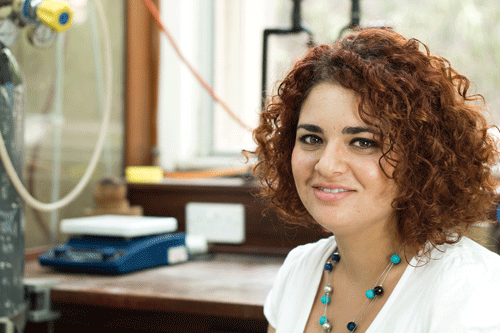
In medicine a timely and accurate diagnosis can decide the chances of survival of a patient. Supramolecular Chemistry is a field that explores the design of intelligent molecules that can assist doctors when taking lifesaving decisions. These intelligent molecules can identify the type and amount of proteins in a patient’s blood or tissue that would indicate disease—in a similar method to blood glucose test strips.

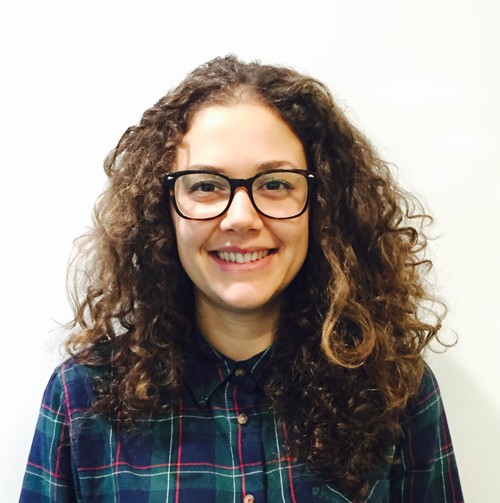
Soil sustains wildlife, landscapes, crops, forests, and air and water quality. Our survival and development depends on soil. However, a large amount of metals is being released daily into the environment through household waste, agricultural practices, and industrial activity.
Soil acts as a ‘sink’ for pollution, and depending on the soil’s chemical conditions, metals may persist there for long periods of time, posing a risk for humans and ecosystems. Maltese soils have a high concentration of lead, zinc, and copper. At high concentrations, these metals are harmful to many forms of life and can lead to a host of diseases including cancer. Carmen Sanchez Garcia (supervised by Dr Anthony Sacco) studied how to reduce the level of these metals in Maltese soils using plants instead of conventional methods.Continue reading

Why do we need research? Why should the University of Malta invest in research? The answer is simple: knowledge. Education has no meaning without a thirst for new information through research.
Universities should be obliged to generate new knowledge by creating thinkers and investing in them. This includes creating an environment where both students and corporations are eager to invest time and money into knowledge worth pursuing. How can this be achieved if students, once they graduate, lose their enthusiasm to find new knowledge? Postgraduate students are faced with insufficient funds and extremely short time frames. Our University has already started moving in the right direction. However, we lack a stable workforce capable of sustaining continued research. This is not easy. Only through dedication, planning, and investment can we break the surface and become a self-sustaining organisation worthy of an academic university.Continue reading
