
Skip to content

Students

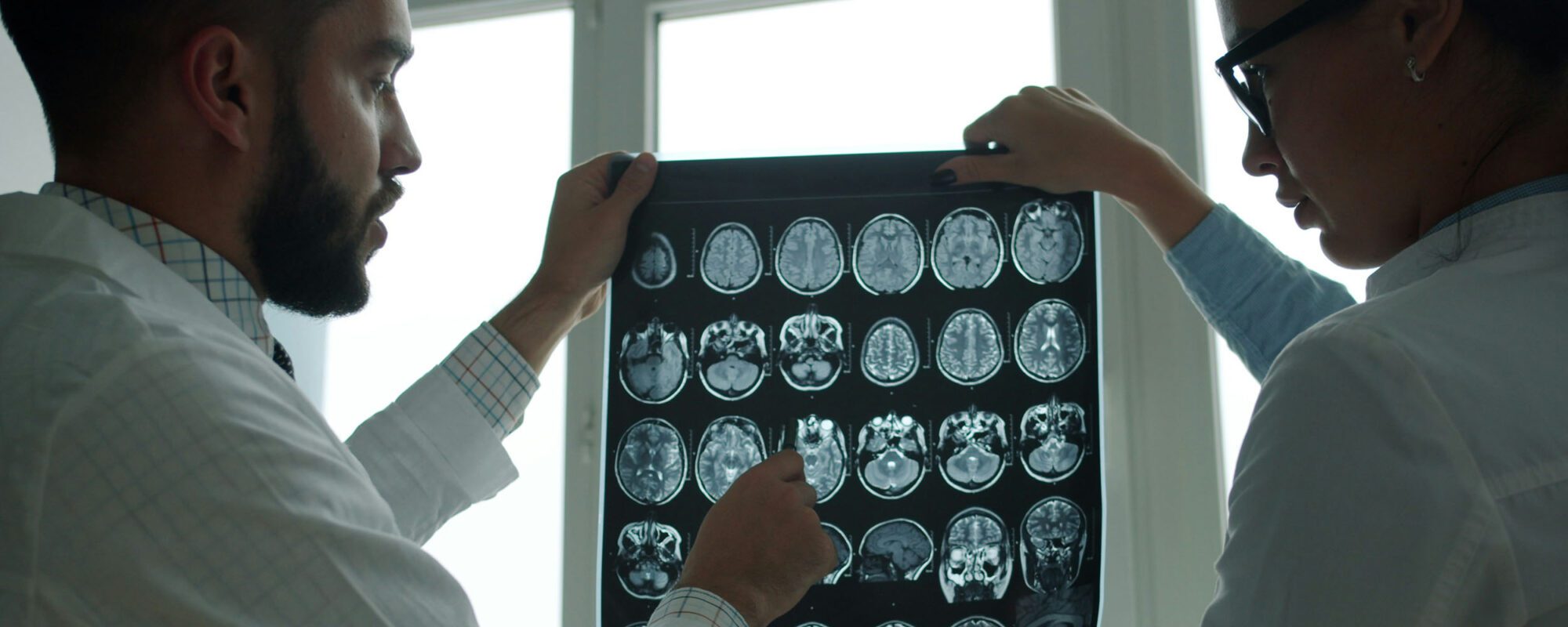
Healthcare professional in scrubs presents an AI patient support assistant for 24 hours communication, virtual care and digital health services, with ample copy space for medical technology campaigns.

The Doctor’s New Partner: Artificial Intelligence in Medicine

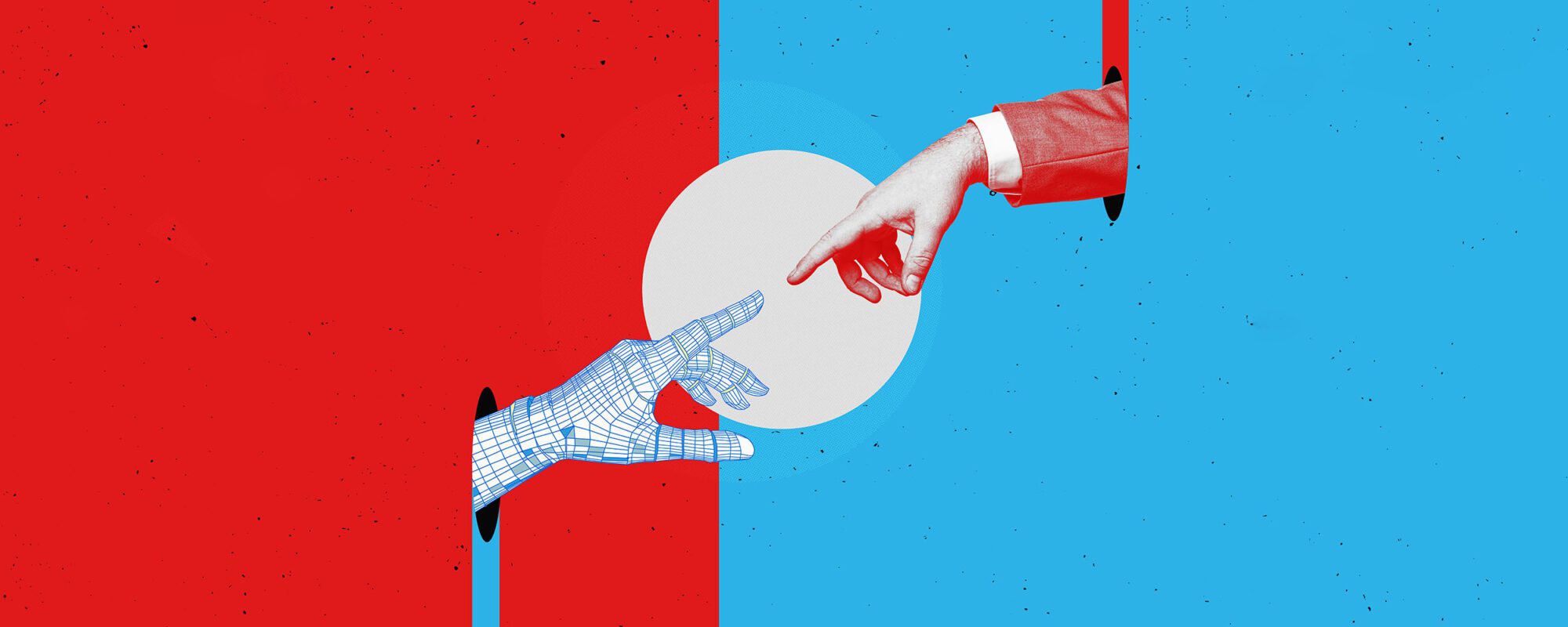
For centuries, medicine has balanced science with experience and intuition. Two patients with the same diagnosis may receive the same treatment, yet their outcomes can differ dramatically. That has long been one of medicine’s most frustrating mysteries, and one of its biggest challenges. Today, artificial intelligence (AI) is beginning to close this gap. What was once a vision of the future is now entering clinics, laboratories, and even operating rooms, redefining how care is delivered and how doctors and patients interact.

READ MORE

Can Your Genes Influence Addiction Risk?

Why do some people develop addiction while others do not, even when exposed to similar life experiences or substances? While environment, trauma, stress, and social circumstances are all major contributors, new research increasingly suggests that biology also plays an important role.

READ MORE

Should Universities Cross-Pollinate Subjects in an Uncertain World?

Technology is seeping into research and academic writing, and the shift towards labour-market facilitation rather than academic curation is changing the knowledge and learning landscape. Such shifts, however, are set against cultural biases in subjects and traditional, outdated academic structures, even as universities try to evolve.

READ MORE

The Itch That Won’t Quit: What’s Really Happening in Eczema

The skin barrier normally acts like a brick wall, keeping moisture inside and harmful substances out. In eczema, some of the ‘bricks’ are missing, making the wall weaker and more permeable to irritants. Under the supervision of Prof. Renald Blundell, Amber Baldacchino tells THINK about the reality of dealing with eczema.

READ MORE