A healing touch

Research
Emerging research suggests that mild sensory stimulation like touch can protect the brain if delivered within the first two hours following a stroke. Laura Bonnici speaks with experimental stroke specialist Prof. Mario Valentino to find out how uncovering the secrets of this ‘touch’ may have life-changing implications for stroke patients worldwide.
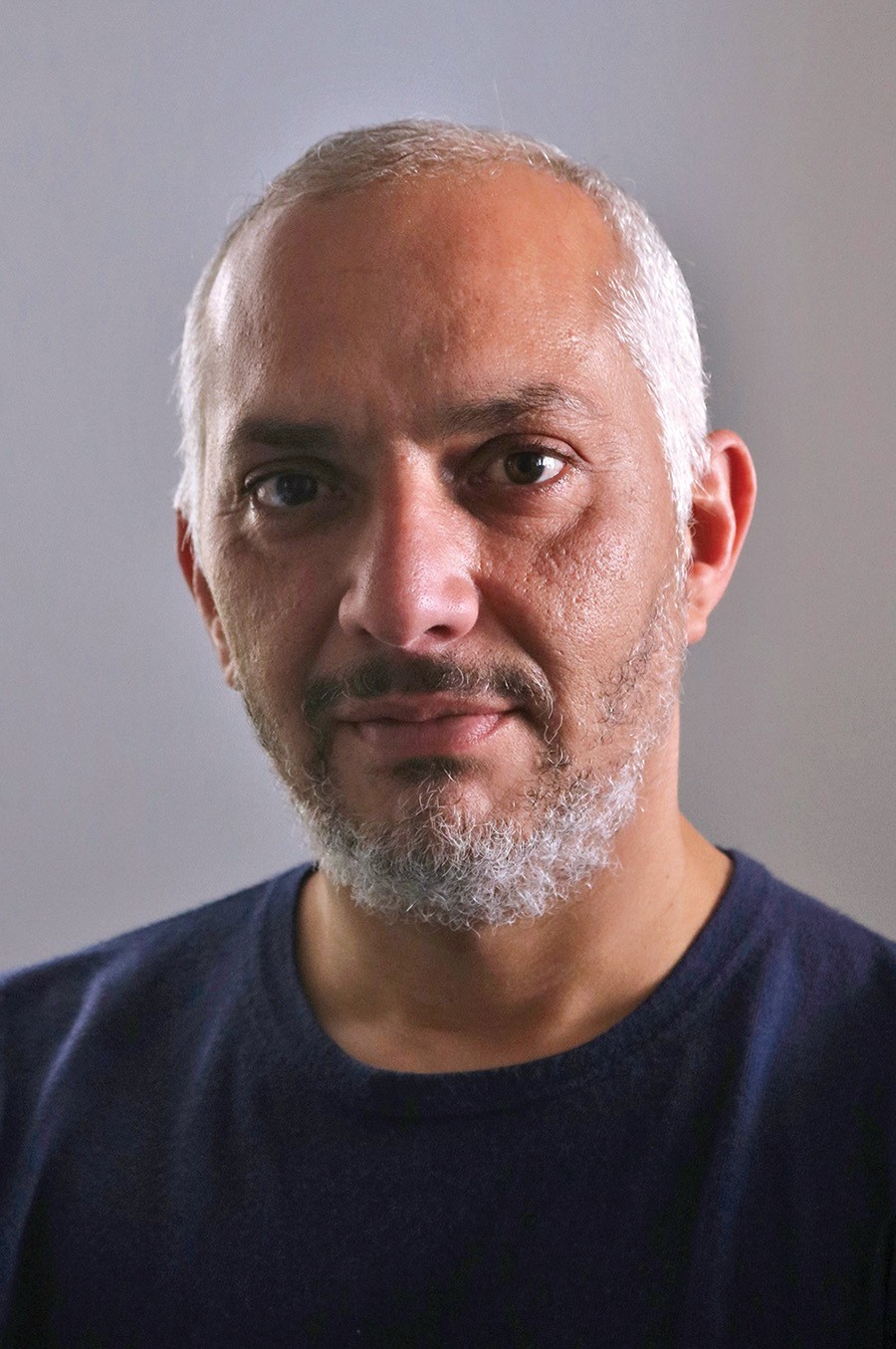
Prof. Mario Valentino

Stroke is universally devastating. Often hitting like a bolt from the blue, it is the world’s third leading cause of death. In Malta, over 10% of the deaths recorded in 2011 were due to stroke. But stroke inflicts suffering not only through a loved one’s passing. As the most common cause of severe disability, stroke can instantly rob a person of their independence and dignity—even their very personality. This impact, individually, socially, and globally, makes stroke research a top priority. 

Yet while scientists know the risk factors, signs, symptoms, and causes of both main types of stroke—whether ischemic, in which clots stop blood flow to the brain, or haemorrhagic, where blood leaks into the brain tissue from ruptured vessels—they have yet to find a concrete solution. 

A dedicated team at the Faculty of Medicine (University of Malta) hopes to change that. Using highly sophisticated technology and advanced microscopic laser imaging techniques, Dr Jasmine Vella and Dr Christian Zammit, led by Prof. Mario Valentino, can follow what happens in a rodent’s brain as a stroke unfolds in real-time. 

‘We use powerful lasers and very sensitive detectors coupled with special lenses, which allow us to capture the very fast events that unravel when a blood clot interrupts the blood supply in the brain,’ explains Valentino. ‘We observe what happens to the neighbouring blood vessels, nerve cells, and support cells, and the limb movements of the rodent throughout.’ Their aim is to find out how sensory stimulation might then help protect the brain. 

The idea stems from an accidental discovery in 2010 by members of the Frostig Group at the University of Irvine, USA. The scientists found that when the whiskers of a rodent were stimulated within a critical time window following a stroke, its brain protected itself by permanently bypassing the blocked major artery that commonly causes stroke in humans. The brain’s cortical area is capable of extensive blood flow reorganisation when damaged, which can be brought about by sensory stimulation.

The human brain can bypass damage. For example, blind individuals have limited use of their visual cortex, so the auditory and somatosensory cortex expands, giving them heightened sensitivity to hearing and touch. For stroke patients, this means that the brain can compensate for its loss of function by boosting undamaged regions in response to light, touch, or sound stimulation.

‘This accidental discovery could be life-changing for stroke patients. The key is to figure out the mechanism involved in how sensory stimulation affects stroke patients, and then establish the best ways to activate that mechanism. Perhaps touching a stroke victim’s hands and face could have a similar beneficial effect, and this is what this latest research study hopes to define,’ says Valentino. 

‘The team is now painstakingly correlating the data obtained during this brain imaging with the rodent’s movement and trajectory,’ he continues. ‘Using a motion-tracking device fitted under a sophisticated microscope, we can record the behaviour of the rodent during high-precision tactile stimulation, such as stroking their whiskers, and detect any gain of [brain] function through behavioural and locomotor readouts whilst ‘looking’ inside the brain in real-time.’

If they can prove that any protection is the direct cause of new blood vessels (or other cells) resulting from the electrical activity inspired by the sensory stimulation, then the next step would be to explore ways of redirecting these blood vessels to the affected brain area. 

The team’s track record is encouraging. In collaboration with scientists from the University Peninsula Schools of Medicine and Dentistry, UK, they made another recent breakthrough that was published in Nature Communications, identifying a new drug, QNZ-46, that could protect the rodent brain following a stroke.

‘That project was about neuroprotective agents – to create a drug that will substantially block or reduce the injury, and so benefit a wider selection of patients,’ elaborates Valentino. ‘The study identified the source and activity of the neurotransmitter glutamate, which is the cause of the damage produced in stroke. This led to the discovery that QNZ-46 prevents some damage and protects against the toxic effects of the glutamate. This is potentially the first ever non-toxic drug that could prevent cell death during a stroke, and the results from this research could lead to pharmaceutical trials.’

The use of two-photon laser-scanning microscopy allows the measurement of blood flow in single vessels concurrent with indicators of cellular activity deep within the rodent brain. Whisker stimulation evokes electrical activity that can be monitored by the use of genetically engineered calcium-sensitive and light-emitting neurons that sense the propagating waves of electrical activity.

While ongoing research in these projects has been supported through a €150,000 grant from The Alfred Mizzi Foundation through the RIDT, Valentino points out that globally-significant discoveries such as these are in constant need of support.

‘The funding of such projects is so important. This money is life-changing for people in such a predicament. Health research changes everything—our lifestyle, our quality of life, our longevity. And yet, government funding for research is still lacking. It’s only thanks to private companies and the RIDT, who realise the global potential of our work, that these projects can continue to try to change the lives of people all over the world,’ says Valentino.

And while Malta may be a small country with limited resources, the work conducted within its shores is reaching millions globally, proving that when it comes to knowledge, every contribution counts. We must continue striving for more to leave our best mark on the world. 

Help us fund more projects like this, as well as research in all the faculties, by donating to RIDT.

Link: researchtrustmalta.eu/support-research/?#donations

To patent or not to patent?

As universities and research institutions look to protect the knowledge they develop, András Havasi questions time frames, limited resources, and associated risks.
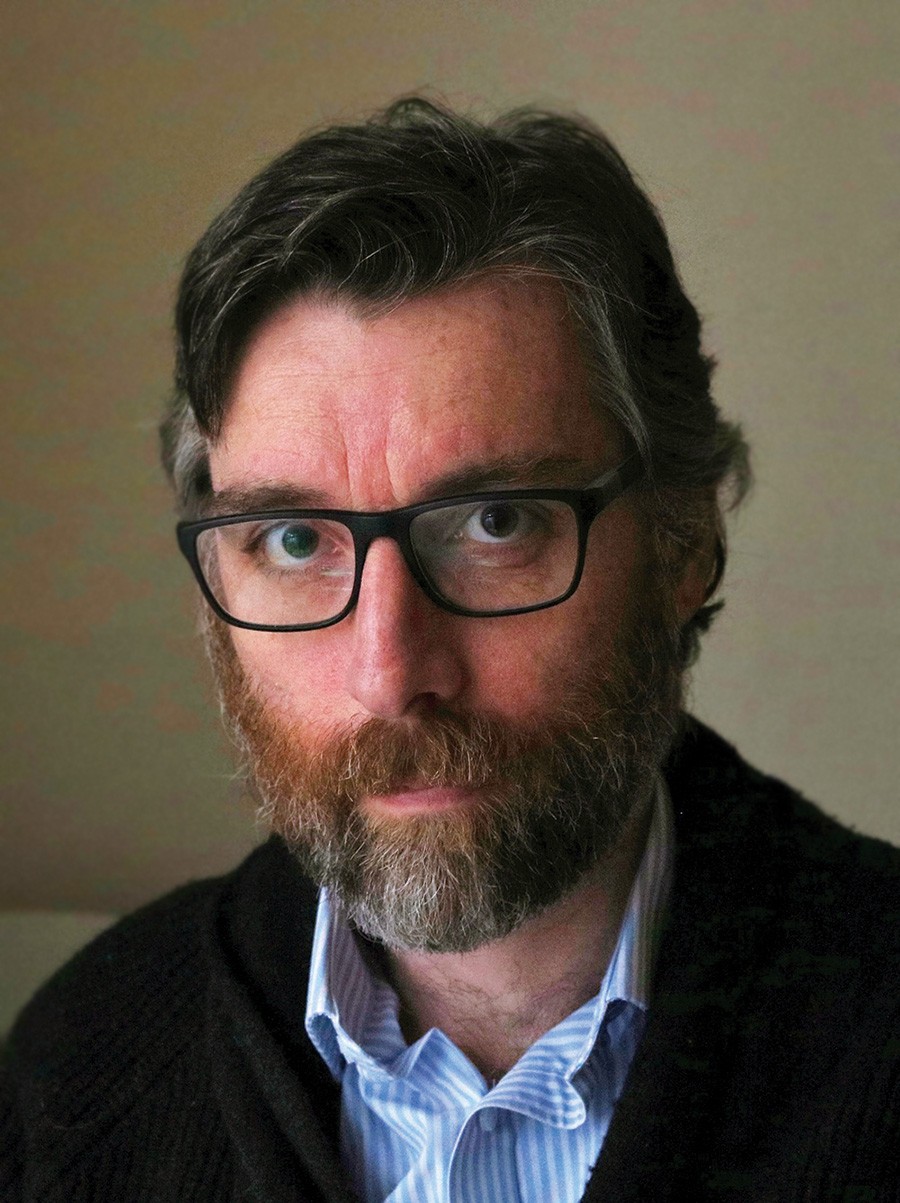
András Havasi

The last decade has seen the number of patent applications worldwide grow exponentially. Today’s innovation- and knowledge-driven economy certainly has a role to play in this. 

With over 21,000 European and around 8,000 US patent applications in 2018, the fields of medical technologies and pharmaceuticals—healthcare industries—are leading the pack. 

Why do we need all these patents?  

A patent grants its owner the right to exclude others from making, using, selling, and importing an invention for a limited time period of 20 years. What this means is market exclusivity should the invention be commercialised within this period. If the product sells, the owner will benefit financially. The moral of the story? A patent is but one early piece of the puzzle in a much longer, more arduous journey towards success.

Following a patent application, an invention usually needs years of development for it to reach its final product stage. And there are many ‘ifs’ and ‘buts’ along the way to launching a product in a market; only at this point can a patent finally start delivering the financial benefits of exclusivity. 

Product development is a race against time. The longer the development phase, the shorter the effective market exclusivity a product will have, leaving less time to make a return on the development and protection costs. If this remaining time is not long enough, and the overall balance stays in the negative, the invention could turn into a financial failure.

Some industries are more challenging than others. The IT sector is infamous for its blink-and-you-miss-it evolution. The average product life cycle on software has been reduced from three–five years to six–12 months. However, more traditional sectors cannot move that quickly.

The health sector is one example. Research, development, and regulatory approval takes much longer, spanning an average of 12–13 years from a drug’s inception to it being released on the market, leaving only seven to eight years for commercial exploitation.

So the real value of a patent is the effective length of market exclusivity, factored in with the size of the market potential. Can exclusivity in the market give a stronger position and increase profits to make a sufficient return on investment? All this makes patenting risky, irrespective of the technological content—it is a business decision first and foremost.

Companies see the opportunity in this investment and are happy to take the associated risks. But why does a university bother with patents at all and what are its aims in this ‘game’?

Universities are hubs of knowledge creation and today’s economy sees the value in that. As a result, research institutions intend to use and commercialise their know-how. And patenting is an essential part of that journey.

The ultimate goal and value of a patent remains the same, however, it serves a different purpose for universities. Patents enable them to legally protect their rights to inventions they helped nurture and claim financial compensation if the invention is lucrative. At the same time, patent protection allows the researchers to freely publish their results without jeopardising the commercial exploitation of the invention. It’s a win-win situation. Researchers can advance their careers, while the university can do its best to exploit the output of their work, bolster its social impact, and eventually reinvest the benefits into its core activity: research. 

At what price?

Patenting may start at a few hundred or thousand euros, but the costs can easily accumulate to tens or even hundreds of thousands over the years. However, this investment carries more risk for universities than for companies.

Risks have two main sources. Firstly, universities’ financial capabilities are usually more limited when compared to those of businesses. Secondly, universities are not the direct sellers of the invention’s eventual final product. For that, they need to find their commercial counterpart, a company that sees the invention’s value and commercial potential. 

This partner needs to be someone who is ready to invest in the product’s development. This is the technology transfer process, where the invention leaves the university and enters the industry. This is the greatest challenge for university inventions. Again, here the issue of time raises its head. The process of finding suitable commercial partners further shortens the effective period of market exclusivity.

A unique strategy is clearly needed here. Time and cost are top priorities. All potential inventions deserve a chance, but risks and potential losses need to be minimised. It is the knowledge transfer office’s duty to manage this. 

We minimise risks and losses by finding (or trying to find) the sweet spot of time frames with a commercial partner, all while balancing commercial potential and realistic expectations. The answer boils down to: do we have enough time to take this to market and can we justify the cost?

Using cost-optimised patenting strategy, we can postpone the first big jump in the costs to two and a half years. After this point, the costs start increasing significantly. The rule of thumb is that about five years into a patent’s lifetime the likelihood of licensing drops to a minimum. So on a practical level, a university invention needs to be commercialised very quickly. 

Maintaining a patent beyond these initial years can become unfeasible, because even the most excellent research doesn’t justify the high patenting costs if the product is not wanted by industry. And the same applies for all inventions. Even in the health sector, despite product development cycles being longer, if a product isn’t picked up patents can be a huge waste of money.

Patenting is a critical tool for research commercialisation. And universities should protect inventions and find the resources to file patent applications. However, the opportunities’ limited lifetime cannot be ignored. A university cannot fall into the trap of turning an interesting opportunity into a black hole of slowly expiring hopes. It must be diligent and level-headed, always keeping an ear on the ground for the golden goose that will make it all worth it. 

Redesigned hip joints need a simulator

People are living longer than ever. But a long life has its price. With age come more diseases and health issues, such as hip problems that can limit a person’s mobility. 

Hip replacement procedures have become common, although implants have a lifespan too. It might happen that a hip replacement you get at 60 needs to be replaced at 75. This is not the ideal scenario.

To minimise these cases, researchers are testing new materials and designs to prolong prostheses’ lifespans. These potential solutions need to be tested, but each test costs tens of thousands of euro. Enter, the University of Malta’s hip joint simulator.

Hip joint simulator in all its glory.

The hip joint simulator is a machine that replicates the joint movements and loads imposed on the human hip. To do so, the simulator uses three stainless steel frames, each of which can be controlled independently using motors. These motors act as the ‘muscles’ of the hip, programmed to replicate the walking cycle during testing.

When it comes to simulating load and forces, a mechanism can load the implants with weights of up to 300kg in a fraction of a second. This emulates what happens while walking, when the weight of the body rests on one leg due to the body’s shift in the centre of gravity. While running, inertial forces can cause the hip to sometimes take five times a person’s body weight.

Finally, to simulate the environment inside the human body, researchers use a specialised solution that mimics the bodily fluids surrounding the hip joint. They even warm the fluid to imitate body temperature. 

The hip joint simulator forms part of the MaltaHip project that intends to radically redesign hip implants to give them the longer lifespan patients want and need. Watch this space for more.  

The MALTAHIP project is funded by the Malta Council for Science and Technology through FUSION: The R&I Technology Development Programme 2016 (R&I-2015-023T).

Written in blood

Maltese researchers are leading the way in developing new diagnostic tools for cancer. Dawn Gillies finds out more from Prof. Godfrey Grech and Dr Shawn Baldacchino.

Breast cancer survival rates have been improving steadily in recent years. In Malta, 86.9% of patients currently survive, up 7% over the last decade. Thanks to new targeted therapies, the outlook is increasingly bright. But precision therapies need precision testing.  

Breast cancer diagnosis has reached new heights and with current tests using tissue biopsies, pathologists can classify patients for specific treatment. Precision medicine goes a step further. It provides more information, predicting the aggressiveness of the cancer and measuring the number of cells from the tumour that spread into the bloodstream. 

Dr Shawn Baldacchino

This does not mean that all requirements in precision therapy have been met. 

At the time of writing, there is no simple method to test patients’ ongoing benefit from treatment or to measure different tumour areas from one sample. For this to be possible, we need super-sensitive tests. This is where Prof. Godfrey Grech and Dr Shawn Baldacchino at the University of Malta come in.

Detecting the undetectable  

During his PhD, Baldacchino studied a new class of breast cancer representing most cases of the triple negative type, which affects 12% of breast cancer patients in Malta. 

In triple negative breast cancers, tests for estrogen receptors, progesterone receptors, and excess HER2 protein all result in negatives and are associated with aggressive tumours.  

To detect this new class of breast cancer, Grech’s team have created a new test that uses molecular substances we naturally produce in our body—biomarkers. By pinpointing the right combination of certain biomarkers, they can test for this new class within the triple negative breast cancer cases.

They initially used the test to look at biopsies from past patients. These exercises showed that they could accurately detect the cases—even in samples that were over a decade old! In fact, the test was so successful that the team is now working with biological testing industry giant Luminex to use it in hospitals worldwide. With a patent filed, research labs will get their hands on it later this year with the hope that by 2021 it will be used to directly help patients in hospitals. 

However, there is more work ahead. Encouraged by the results so far, the team wants to take the test and other current biomarker tests a step further. They want to use a simple blood sample which is less invasive, allowing patients to be monitored during therapy.

Pushing boundaries

With the method Grech and his team have optimised, obtaining information on new classes of patients that predict therapy use, detecting different tumour areas in one sample, and the use of blood to monitor the benefits of therapy have become a

Prof. Godfrey Grech, Dr Shawn Baldacchino and the team
Photo by James Moffett

possible reality. With technologies from Luminex and Thermo Fisher, they can now read over 40 biomarkers in one test simultaneously. But with blood they need a new angle. And that is happening through another test using particles that originate from cells called exosomes.

Exosomes are tiny messenger bubbles which cells release into the blood . ‘We believe that when there is a tumour in the patient, there will be a signature in these exosomes circulating in the blood,’ says Baldacchino. 

Finding these exosomes could mean detecting cancer at an earlier stage than is currently possible. The team believes they would be able to detect the exosomes that point to cancer long before a tumour shows up in scans and other regular tests—and so, they would be able to nip the cancer in the bud. But to do this, they need to be able to decode the messages the exosomes are carrying.

Positives for patients

It’s not only in the realm of breast cancer diagnosis and classification that the team can help patients—they might also be able to improve treatment. ‘Most targeted therapies currently try to inhibit specific receptors and proteins to stop the uncontrolled growth of cancer cells,’ Grech says. But through their research, the team has found that targeting the low activity of specific complexes of proteins in tumour cells is key. Their research models show that increasing the activity of these protein complexes is possible using specific drugs.  

This is true for triple negative breast cancer, where the amount of PP2A protein is extremely low. The PP2A protein enables the body to fight the cancer, so increasing its activity would create a chain reaction in the body which could limit the growth and spread of that category of cancer cells.

This approach to treatment has applications beyond triple negative breast cancer. Grech is hopeful that PP2A production could be amped up for different types of cancer too, and lead to positive results.

Managing the unmanageable

When organising a project like this, it’s expected that things won’t go to plan. One of the biggest challenges for Grech’s team has been establishing collaborations with other groups across the globe. They need these connections to provide the samples required to test their systems. With other groups working on similar projects, time is a limited resource. Thankfully, the team found collaborators in Leeds (UK), and Barcelona (Spain), allowing the group access to the samples they need. 

What is certain is that support for this work has come in many shapes and forms. The project received funding both from public donations and the Malta Council for Science and Technology. Baldacchino also found an ally in the charity foundation Alive with the help of the Research Trust of the University of Malta (RIDT). He is the first recipient of funding from them, and their first graduate.

Predicting the future

Thanks to projects like these, cancer research has a bright future in Malta. The team has their product launch to look forward to later this year, which will see a drastic reduction to the time and effort it takes researchers and doctors to determine the type of breast tumour.

But a lot of challenges lie ahead. The biggest challenge will come in the move to early stage cancers. These cancers have low levels of substances to detect, which means that any test they develop will have to be extremely sensitive in order to be effective. Successfully identifying these cancers would signal a massive breakthrough for the global medical community—and, more importantly, for patients. Early detection through basic blood tests would open the door to early stage treatment and a higher rate of survival. Nothing could matter more. 

Project ‘Accurate Cancer Screening Tests‘ financed by the Malta Council for Science & Technology through FUSION: The R&I Technology Development Programme 2016.

Kidney Stakes

A small team of scientists at the University of Malta is trying to determine what causes children to be born with serious kidney defects. Laura Bonnici speaks to Prof. Alex Felice, Dr Valerie Said Conti, Esther Zammit, and Alan Curry to find out more about this ground-breaking programme.

‘I’d sell a kidney for that!’ Most of us have been guilty of using this expression when faced with something desirable. But do we fully appreciate the real value of what we are offering before the words escape our lips?

Kidneys are our body’s official waste disposal system, filtering out toxic build-up from our blood, which can poison us if left unchecked. With kidney failure posing such a threat, renal research has become an ongoing global goal.

A team of scientists from the University of Malta is currently honing in on what may cause children to be born with ‘CAKUT’, or Congenital Anomalies of the Kidney and Urinary Tract.

With between three and six cases recorded per 1000 live births worldwide, CAKUT is the most common cause of end-stage kidney disease in children. Since early identification of these anomalies may reduce kidney damage later in life, the LifeCycle Malta Foundation has raised funds for a renal research programme which targets CAKUT and its causes.

‘We know that a number of children are born with a kidney defect, but in many cases, we are not sure why,’ explains the programme’s principal investigator, Dr Valerie Said Conti . ‘There are many factors that can affect the development of the kidney, both genetic and environmental. We are trying to understand those influences so that we can carry out preventative strategies, diagnose issues earlier, and target personal therapeutic interventions.’

A number of children are born with a kidney defect, but in many cases, we are not sure why.

For this team of renal researchers, the first three years of initial research has been the first step in a far longer journey. ‘We hope to contribute our data to the international literature pool,’ continues Prof. Alex Felice, consultant and supervisor on the programme. ‘We will need a massive amount of data to create a robust theory with which to progress. We hope that our findings regarding CAKUT will be useful when we come to the stage of creating new interventions.’

It’s an end-game that has kept the small team focused as they approach the programme’s expected completion date this year. Having had to start literally from scratch, they collected biological samples from patients with a range of kidney diseases, including CAKUT, nephrotic syndrome, and Bartter syndrome. This allowed them to build the renal disease collection at the Malta BioBank, a vital storehouse for scientists.

‘For research projects like this, you see what material is available and you work with it,’ explains Said Conti . ‘A big part of it so far has been sourcing the samples from families attending the clinic with their formal consent for the material to be used in this project. We are hugely grateful to those who accepted to take part in the research. Without them, it would have been impossible.’

This project has set the groundwork for renal research in Malta to continue. ‘Without funding, projects such as this one simply could not exist,’ Said Conti remarks of the €100,000 donation LifeCycle Malta Foundation made to RIDT. ‘It enabled us to employ a full-ti me Research Support Officer, involve other laboratories, attend international meetings to share insights, perform ultrasound tests, and invest in ‘Next Generation DNA Sequencing’, genetic technology that maps out genes, revolutionising our world.’ But there is much more to come.

The Founder of the LifeCycle Malta Foundation, Personal Fitness Consultant Alan Curry, agrees. ‘Renal failure is an ever-increasing problem with figures going up every year, and LifeCycle is the only NGO that is actively supporting renal patients and their families in Malta. Our annual LifeCycle Challenge, which this year is routed from Dubai to Oman, aims to raise €150,000. It’s a huge responsibility, but we are sure that, by funding research programmes such as this, we will significantly improve the lives of kidney patients.’

  Author: Laura Bonnici

English for medicine: Bridging worlds

You come to Malta to attend Medical School, and you end up in an English class. Nicola Kirkpatrick talks to Dr Isabel Stabile, Omar N’Shea, and Edward Wilkinson about the often unappreciated value of the University of Malta’s Medical Foundation Programme and its impact on international medical students’ lives.

A sea of blank faces stared him down. Omar N’Shea had asked his students a question, but no reply came. None of them wanted to be there. The University of Malta’s Medical Foundation Programme (MFP) aims to equip high school graduates with less than 13 years of formal education with the skills they need to enter Medical or Dentistry school. But its focus on academic English is what receives the most ire. N’Shea, one of the programme coordinators, understands. ‘They don’t see the value initially. They think to themselves: ‘I didn’t travel thousands of miles away to sit in an English class. No, I want to study medicine.’ The frustration is understandable,’ he nods.

Omar N’Shea

But when so many international students were struggling with the medical course due to language and communication difficulties, something clearly had to be done.

Looking back at the challenges she was facing when the Medical School opened its doors to international students, Director of Studies Professor Isabel Stabile notes the discrepancy in language skills. What was expected was quite distinct from the reality of the situation. ‘What is interesting about our student body is that their spoken level of English is really high,’ says N’Shea, ‘but their written level of English needs work to keep up with the demands of an academic course.’

English Programme Coordinator and tutor Edward Wilkinson agrees, highlighting that ‘resources were lacking. Teaching exercises and materials were sourced online and everyone did the best they could. But a gap quickly emerged as far as Medical English was concerned.’ Stabile further clarifies, ‘Most books available were aimed at teaching doctors and nurses bedside manner and care for patients, but there was little to none out there that focused on academic medical English.’

Prof. Isabel Stabile

With this philosophy in mind, Stabile, N’Shea, and Wilkinson joined forces to develop a series of books called Academic Medical English for Pathway/Foundation Programmes. These books provided a framework for students to deal with the language in which scientific subjects are taught. The material improves their academic literacy in ways important to medical students, equipping them with skills such as reviewing research papers, writing reflective essays, and answering essay questions.

The book was ‘born out of the needs of these students and the medical program,’ says N’Shea. ‘The concept is to present to the students the core skills required by the medicine and surgery degrees, so that students become aware of the differences between using English as a lingua franca and using English within the framework of academic literacy.’ To enable this, the team included topics to reflect those covered in the science classes that students attend throughout the course. ‘So if they’re doing pulmonary topics in science classes,’ N’Shea says, ‘then they’re discussing them in English classes too. We used the science as a framework for our English lessons, and that was essential. Rather than teaching two disciplines with no dialogue, we created a bridge.’

This approach saw immediate shifts in perception. Dr Hussein Alibrahim, now a house officer in Kuwait, says his primary and secondary education was all in Arabic, and the foundation course, where English and science stood side by side, ‘was an advantage and a necessity. Skimming carefully through an article, identifying keywords, summarising, criticising, asking questions, and looking for the right answers are all skills that I learned for the first time in the foundation course and are skills I still use today,’ he added.

Edward Wilkinson

But the programme was not only useful for medical school. Alibrahim noted how it changed his day-to-day life as well. It taught him important lessons on punctuality and work ethic. ‘If you don’t learn [these things in foundation school] then maybe you’re in the wrong place,’ he notes.

With time, the team refined the course. After looking into the discrepancy between spoken and written levels of English, N’Shea and Wilkinson determined that the most probable reason behind it was a lack of reading by the students. Due to this, reading is now a core element of the course and is based on science topics to keep students’ interest piqued.

Now that the coursework has been implemented, positive results can already be seen. Students are so ready and raring to go that ‘sometimes they even want to take over the sessions,’ says N’Shea. ‘A student came up to me in class one time and asked to explain a concept to the others. It was such a dramatic shift.’ This has made it a joy to be in class, he adds, saying that ‘it became an active classroom. Students are totally immersed now.’ He feels that, through this course, the students are empowered ‘because they feel they can bring into the classroom all the things they know from science, but explore them through language.’ This way, ‘English is presented as a skill set to enable them to better achieve their goal in the career path of choice. It makes English less of an extra subject and more of a tool,’ he adds.

N’Shea, Wilkinson, and Stabile all agree that they will continue to perfect the programme. Currently in the works is a coursebook dedicated to developing listening skills. It will concentrate on areas such as note writing and identifying and differentiating words even when people speak with different accents. However, before the ‘listening book’ (as they fondly call it) is released, we will see the ‘reading book’, which will provide scientific passages for the students to read and be assessed on. All editions of this book will have the added bonus of a teacher’s book, meaning that the coursework can be taught by any teacher around the world, even if their knowledge of science is lacking.

With students communicating more, isolation is less of an issue and this is immensely beneficial. ‘We have to remember the dramatic shift that these students are going through,’ Stabile says. ‘They’re moving country, dealing with culture shock, all while fending for themselves for the first time in their lives, an adjustment local students do not need to make.’ This, along with the pressure that comes with a course you only get one chance to pass, is significant.

With students communicating more, isolation is less of an issue and this is immensely beneficial.

The fruit of their hard work is evident. According to research conducted by the team, between 2008 and 2015, 86% of MFP graduates progressed through Medical School. Moreover, the proportion of MFP students who repeat Year 1 of their medical degree is only 8.2% compared with 8.8% for EU (mostly British) students between 2014 and 2017. They also found that MFP students who started in 2010 and graduated medical school in 2015 achieved the same average grade over the whole five years as did local students in that cohort.

That said, all this work is not just about grades. Stabile says the team’s intentions go beyond seeing students pass exams. What they want to do is to ‘place them on a trajectory for success.’ And that is definitely a goal they are achieving, one year at a time.

  Author: Nicola Kirkpatrick

Aspirin and Cancer

Aspirin is often considered a wonder drug due to its versatile use in treating inflammation, reducing pain, and helping to prevent heart-related disease. However, there is more to it. Aspirin is actually cancer-preventive. Studies have shown that a daily low dose of aspirin, medically prescribed for more than five years, lowers the risk of cancer-related deaths by at least 30%. So, should we all start taking aspirin on a daily basis to lower our chances of getting cancer?

No, not exactly. This is because many aspects of aspirin’s cancer-preventive effects are still poorly understood. Particularly, researchers have not yet pinpointed what enables aspirin to selectively kill early-stage cancer cells and not healthy cells. This is the scope of the research currently being carried out at the Yeast Molecular Biology and Biotechnology Laboratory (headed by Prof. Rena Balzan).

Maria Azzopardi

The secret behind aspirin’s tendency to kill certain cells but not others seems to lie in the physiology of the exposed cells. Aspirin exploits the natural differences between healthy and cancerous cells to eliminate malignant cells before they can take over.

Oxygen, if transformed into ‘Reactive Oxygen Species’, is known to cause DNA mutations that can lead to cancer. Through this research, we studied mutated yeast cells which are a relevant model of early-stage cancer cells due to their low tolerance to oxygen-associated stress. We then identified genes in these mutant yeasts which are affected by aspirin.

One of aspirin’s targets is a key metabolite required for the production of energy-rich compounds vital for cell survival. We found that aspirin creates a shortage of this metabolite in mutated yeast cells, causing them to run out of energy and die.

This implies that early-stage human cancer cells may suffer a similar fate and, more importantly, partly explains how aspirin prevents tumour formation. Such knowledge may prove useful in the development of novel anti-cancer treatments.


This research was carried out as part of Project “R&I-2015-001”, financed by the Malta Council for Science & Technology through the R&I Technology Development Programme. This research is being carried out as part of Azzopardi’s Ph.D. project at the Centre for Molecular Medicine & Biobanking and the Department of Physiology & Biochemistry, University of Malta
  Author: Maria Azzopardi

Where Humanities, Medicine, and Sciences meet

Not many Ph.D.s lead to a new programme of studies, but cardiac paediatrician Prof. Victor Grech’s did. His study on Infertility in Science Fiction inspired him and his supervisors, Prof. Ivan Callus and Prof. Clare Vassallo, (University of Malta) to start the HUMS programme: a space for researchers in the humanities, medicine, and sciences to meet and discuss the bridges between these areas.Continue reading

Science, art, academia: Star Trek

The Star Trek academic symposium will be held at the Faculty of ICT, University of Malta, on 15 and 16 July 2016. This event will be a platform for both academics from various disciplines as well as Star Trek fans to meet and explore the intersection between the humanities and the sciences. There will be inspirational presentations from national and international speakers, with the programme tailored to attract a wide audience. Contributors will be encouraged to explore contemporary issues in medicine, science, and technology as well as philosophical, psychological, and sociological issues connected with the science fiction entertainment franchise Star Trek.

A similar symposium was held in 2014 and which proved to be a worldwide first that successfully drew participation from many international scholars including American philosopher Jason Eberl, UK-based neonatologist and ethicist Neena Modi.

As a result of its success, this second event that marks the 50th anniversary from the launch of Star Trek: The Original Series is being organised. The event will be held under the auspices of the Humanities, Medicine and Sciences Programme (HUMS), a University of Malta programme set up to explore and encourage the interfaces between the humanities, medicine, and sciences. The Science Fiction Symposium will appeal to scientists and fans of science fiction alike..

For more information, visit the website.

Blood, Genes, and You

Over the course of nine months, an entire human body is sculpted from a few cells into a baby. The blueprint is the information written into our DNA. But what happens if there is a mistake in these blueprints? Decades worth of research carried out in Malta and abroad have aimed to understand how these errors lead to a disease common in Malta and prevalent worldwide.
Scott Wilcockson talks to Dr Joseph Borg (Faculty of Health Sciences, University of Malta) to find out more.

Continue reading