
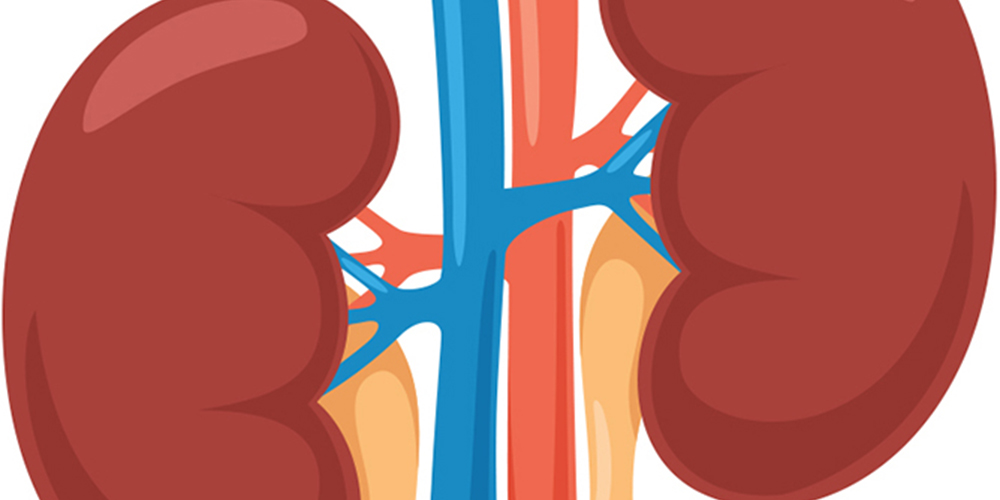
A small team of scientists at the University of Malta is trying to determine what causes children to be born with serious kidney defects. Laura Bonnici speaks to Prof. Alex Felice, Dr Valerie Said Conti, Esther Zammit, and Alan Curry to find out more about this ground-breaking programme.
‘I’d sell a kidney for that!’ Most of us have been guilty of using this expression when faced with something desirable. But do we fully appreciate the real value of what we are offering before the words escape our lips?
Kidneys are our body’s official waste disposal system, filtering out toxic build-up from our blood, which can poison us if left unchecked. With kidney failure posing such a threat, renal research has become an ongoing global goal.
A team of scientists from the University of Malta is currently honing in on what may cause children to be born with ‘CAKUT’, or Congenital Anomalies of the Kidney and Urinary Tract.
With between three and six cases recorded per 1000 live births worldwide, CAKUT is the most common cause of end-stage kidney disease in children. Since early identification of these anomalies may reduce kidney damage later in life, the LifeCycle Malta Foundation has raised funds for a renal research programme which targets CAKUT and its causes.
‘We know that a number of children are born with a kidney defect, but in many cases, we are not sure why,’ explains the programme’s principal investigator, Dr Valerie Said Conti . ‘There are many factors that can affect the development of the kidney, both genetic and environmental. We are trying to understand those influences so that we can carry out preventative strategies, diagnose issues earlier, and target personal therapeutic interventions.’
A number of children are born with a kidney defect, but in many cases, we are not sure why.
For this team of renal researchers, the first three years of initial research has been the first step in a far longer journey. ‘We hope to contribute our data to the international literature pool,’ continues Prof. Alex Felice, consultant and supervisor on the programme. ‘We will need a massive amount of data to create a robust theory with which to progress. We hope that our findings regarding CAKUT will be useful when we come to the stage of creating new interventions.’
It’s an end-game that has kept the small team focused as they approach the programme’s expected completion date this year. Having had to start literally from scratch, they collected biological samples from patients with a range of kidney diseases, including CAKUT, nephrotic syndrome, and Bartter syndrome. This allowed them to build the renal disease collection at the Malta BioBank, a vital storehouse for scientists.
‘For research projects like this, you see what material is available and you work with it,’ explains Said Conti . ‘A big part of it so far has been sourcing the samples from families attending the clinic with their formal consent for the material to be used in this project. We are hugely grateful to those who accepted to take part in the research. Without them, it would have been impossible.’
This project has set the groundwork for renal research in Malta to continue. ‘Without funding, projects such as this one simply could not exist,’ Said Conti remarks of the €100,000 donation LifeCycle Malta Foundation made to RIDT. ‘It enabled us to employ a full-ti me Research Support Officer, involve other laboratories, attend international meetings to share insights, perform ultrasound tests, and invest in ‘Next Generation DNA Sequencing’, genetic technology that maps out genes, revolutionising our world.’ But there is much more to come.
The Founder of the LifeCycle Malta Foundation, Personal Fitness Consultant Alan Curry, agrees. ‘Renal failure is an ever-increasing problem with figures going up every year, and LifeCycle is the only NGO that is actively supporting renal patients and their families in Malta. Our annual LifeCycle Challenge, which this year is routed from Dubai to Oman, aims to raise €150,000. It’s a huge responsibility, but we are sure that, by funding research programmes such as this, we will significantly improve the lives of kidney patients.’


Comments are closed for this article!