Skip to content

Science, art, academia: Star Trek

Facebook
Twitter
LinkedIn

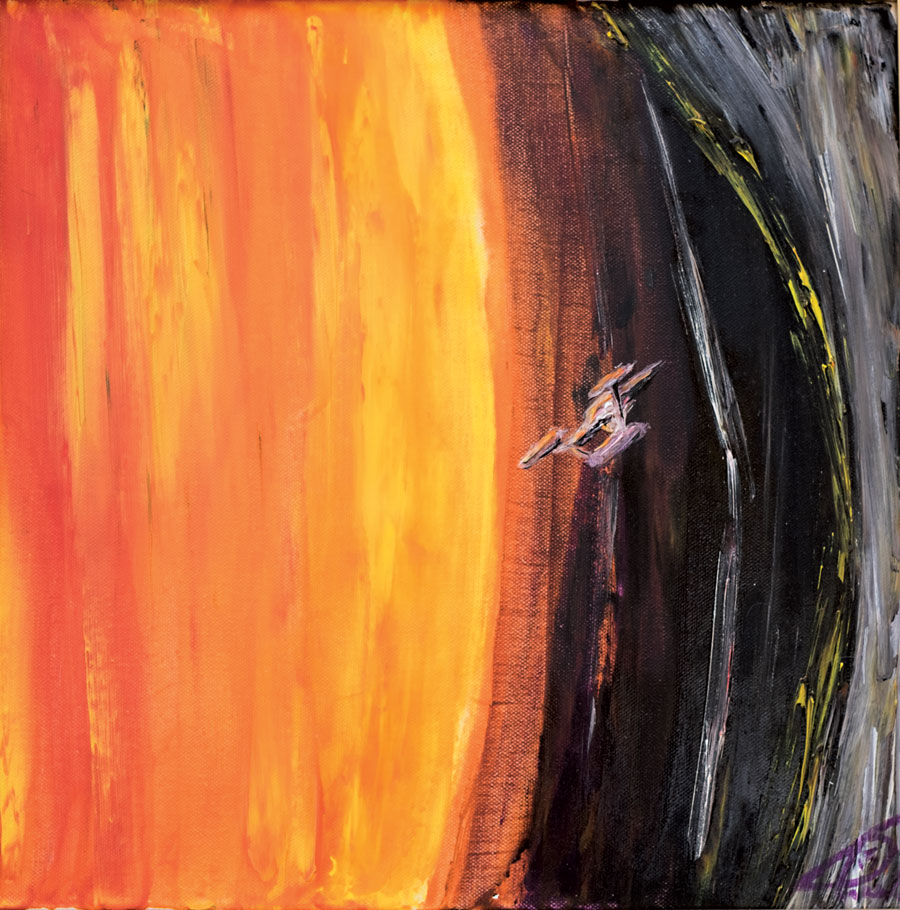
The Star Trek academic symposium will be held at the Faculty of ICT, University of Malta, on 15 and 16 July 2016. This event will be a platform for both academics from various disciplines as well as Star Trek fans to meet and explore the intersection between the humanities and the sciences. There will be inspirational presentations from national and international speakers, with the programme tailored to attract a wide audience. Contributors will be encouraged to explore contemporary issues in medicine, science, and technology as well as philosophical, psychological, and sociological issues connected with the science fiction entertainment franchise Star Trek.

A similar symposium was held in 2014 and which proved to be a worldwide first that successfully drew participation from many international scholars including American philosopher Jason Eberl, UK-based neonatologist and ethicist Neena Modi.

As a result of its success, this second event that marks the 50th anniversary from the launch of Star Trek: The Original Series is being organised. The event will be held under the auspices of the Humanities, Medicine and Sciences Programme (HUMS), a University of Malta programme set up to explore and encourage the interfaces between the humanities, medicine, and sciences. The Science Fiction Symposium will appeal to scientists and fans of science fiction alike..

For more information, visit the website.

Author

More to Explore

The Legacy of Press Freedom

At this year’s Mabel Strickland Memorial Lecture, international negotiator and mediator Nomi Bar-Yaacov argued that democracies are entering a period in which the crisis extends beyond censorship or attacks on journalists alone. As wars multiply, trust in institutions weakens, and information becomes increasingly mediated through algorithmic systems, the deeper problem may be that societies are losing their ability to agree on what is true in the first place.

Squeezing Out Waste: Transforming Malta’s Olive Waste into Green Goods

While olive oil production generates vast amounts of nutrient-rich waste, approximately 98% of the antioxidant-rich phenolics in olives are lost during oil extraction. To combat rapid degradation, the OliveGREEN team is exploring a novel strategy using sulphur dioxide and enzymes to stabilise olive pomace. THINK speaks with Dr Frederick Lia to learn why saving this discarded byproduct makes a difference.

More Than Four Walls: The Influence of the Library Space on Student Wellbeing

Academic libraries are often framed as quiet repositories of knowledge, but their influence runs deeper. As student mental health concerns intensify, these spaces are emerging as critical environments for connection, comfort, and care. Beyond books and databases, the design, atmosphere, and activities of a library can shape how students feel, cope, and belong within the wider university experience.

Comments are closed for this article!