Think Critically, Think Malta

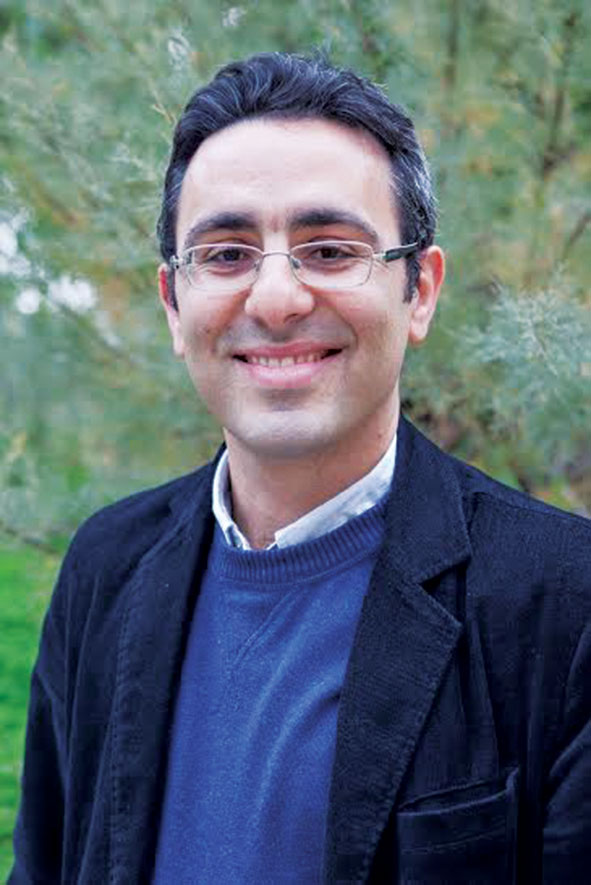
Dr Mario Aquilina
Dr Mario Aquilina

Let us strengthen Malta’s democratic system by thinking critically. We need to learn how to avoid blindly accepting or rejecting ideas and opinion based on our political affiliations or unquestioned, long-held beliefs. Let us actively go against the dualistic thinking that dominates local public debate. Let us, for example, phase out media outlets financed by political parties; amend the constitution to facilitate the entry of a third political party to parliament; and put critical thinking at the centre of our educational system by strengthening subjects that enhance it (literary and rhetorical analysis, logic, philosophy and the scientific method).

Modern European sculpture

French sculptor Auguste Rodin (1840–1917) is the progenitor of modern sculpture. He rebelled against idealised forms in order to express the inner truths of humanity in his artworks. His successors went on to challenge his work, continuing to explore the aesthetic revolution he had started. Key examples include Henry Moore (1898–1986), Alberto Giacometti and the largely undiscovered Swiss sculptor Hans Josephsohn (1920–2012).

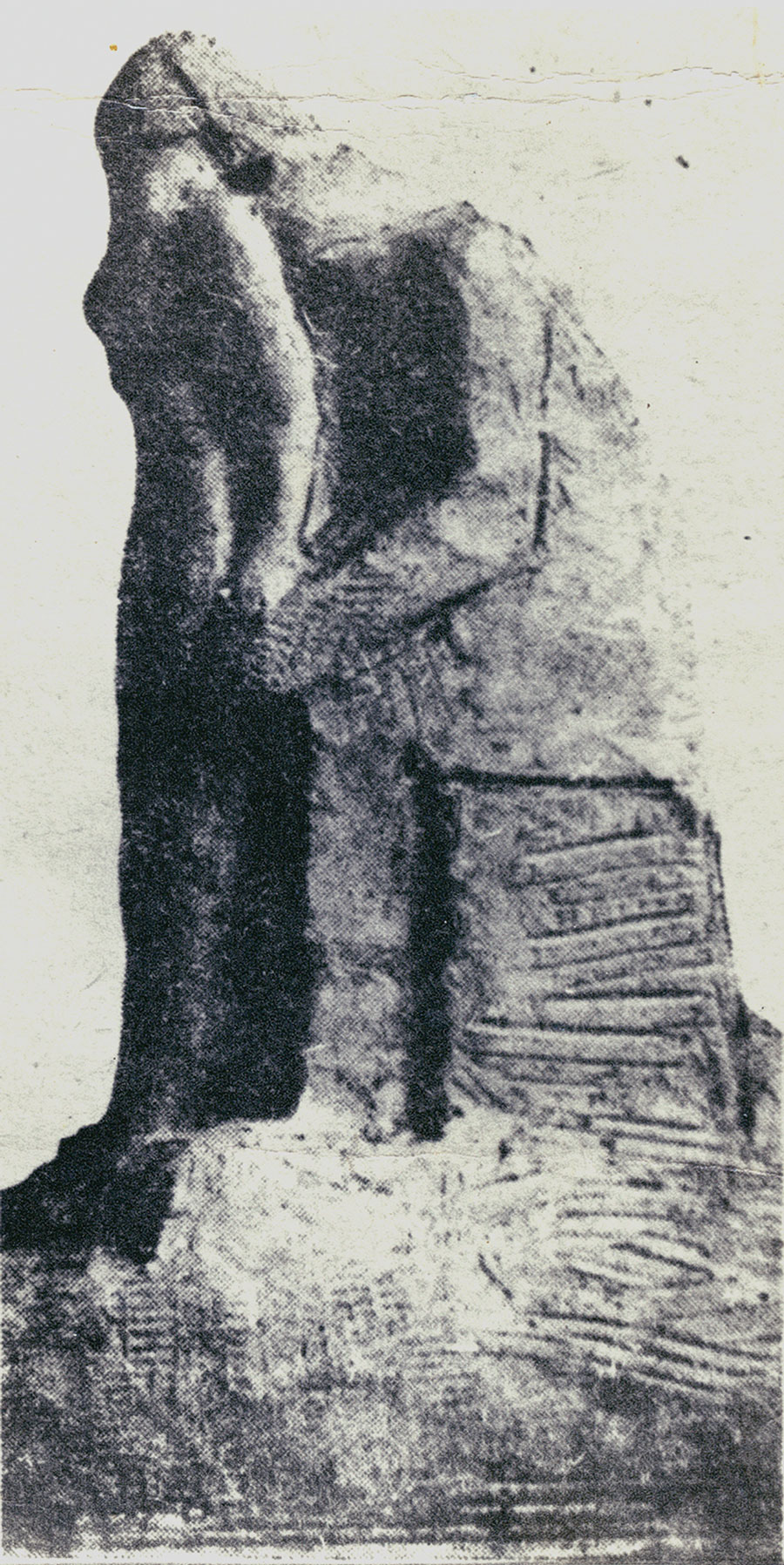
Josef Kalleya, L'Abbandono della Casa Materna. Photograph of lost work (image courtesy of the Kalleya Family Archives)
Josef Kalleya, L’Abbandono della Casa Materna. Photograph of lost work (image courtesy of the Kalleya Family Archives)

These artists were studied alongside Maltese sculptor Josef Kalleya (1898–1998) at the conference entitled ‘Peripheral Alternatives to Rodin in Modern European Sculpture’ (December, 2015). The international speakers created significant links between works by renowned sculptors and Kalleya, who has been poorly understood by his contemporaries and is unknown outside Malta. Kalleya developed unique methods of creating photomontages alongside the innovative use of a knife to create powerful visceral incisions as a means of moulding his sculptures. He managed to create a new aesthetic.

The conference brought scholars from all over Europe to discuss these and other European sculptors. The scholars debated topics from the mutation of the human form to an artist’s sense of heritage. The event focused on pioneering sculptors who went beyond their current socio-political context. It also helped place Malta’s own Kalleya deservedly on the international map.

The conference and exhibition were organised by the Department of History of Art, Faculty of Arts, University of Malta. The events were convened by Dr Giuseppe Schembri Bonaci and curated by Nikki Petroni. Other participants included Dr Sophie Biass-Fabiani (Musée Rodin, Paris), Dr Jon Wood (Henry Moore Foundation, Leeds), Barbara Vujanović (Atelijer Meštrović, Zagreb), Dr Julia Kelly (Loughborough University), and Ulrich Meinherz (Kesselhaus Josephsohn, St Gallen).

Why practise Taijiquan?

In the 12th century, the Shaolin Monk Chang San Feng witnessed a battle between a snake and a crane, during which the snake managed to conquer its opponent with its grace. The monk went on to formulate a set of movements, which have become the basis of Tai Chi, a martial art based on the pillars of Taoism, Confucianism and Buddhism. Taoism upholds the importance of being one with nature and the universe.

Taijiquan shares concepts with Confucianism, a system of philosophical teachings that stresses that all under the sky is one family. Everyone can be part of this great family regardless of their social status, political or religious creed. By practising Tai Chi together and sharing knowledge, participants learn and develop respect and obedience; qualities stressed by Chinese teacher and founder of Confucianism, Confucius.

During my Tai Chi classes, I like to first develop the technical aspects of a student’s movements in order for them to have a solid foundation. This is then followed by an emphasis on self-expression through movement and concentration on these movements. In the film Enter the Dragon, Bruce Lee tells his apprentice ‘like a finger pointing away to the moon. Do not concentrate on the finger or you will miss all that heavenly glory.’ At first a movement is just a movement. However, after constant practice and analysis, the practitioner realises that the movement has a rhythm behind it and this charges them with feeling, a process that resembles the way a musician feels the beat/the rhythm when performing.

The benefits of Taijiquan 

Taijiquan is a good method to alleviate stress and achieve good health. Rather than going to a gym, where a lot of energy and effort are required, with Tai Chi, a lot can be achieved without any force, and like Taoism, Tai Chi is based on the principle, known as Wu Wei (effortless effort). This means that those who practise Tai Chi should be soft and flexible in the same way that water flows smoothly. Water can take the form of any container yet on its own it is formless and shapeless.

Some scientific studies have shown Tai Chi’s benefits. One study concluded that moderate Tai Chi practice helps older people maintain fitness, while other studies showed that Tai Chi was good for a healthy and well-functioning heart, as well as to regulate blood pressure levels.

Taijiquan is based on the principle of Yin and Yang, an element of Chinese philosophy that describes how two contrary forces can be complementary. Building on this belief, those who practise the discipline try to achieve harmony which in turn brings with it good health.

The Hidden History of the Maltese Genome

By reading someone’s DNA one can tell how likely they are to develop a disease or whether they are related to the person sitting next to them. By reading a nation’s DNA one can understand why a population is more likely to develop a disease or how a population came to exist. Scott Wilcockson talks to Prof. Alex Felice, Dr Joseph Borg, and Clint Mizzi (University of Malta) about their latest project that aims to sequence the Maltese genome and what it might reveal about the origins and health of the Maltese people.

Continue reading

Systematic Failure, Persistence and Success – A Table of Early School Leavers

In Europe, around one in 10 students (18-24 years old) is an ‘early school leaver’. For Malta, it is one in five. A fifth of our local student population is neither in school, nor in training, and with less than five SEC exams under their belt, Malta’s public education investment (~6% GDP) is not seeing much fruit. Cassi Camilleri speaks to Prof. Carmel Borg about what is needed to abandon the antiquated system our communities are being marred by. Photography by Elisa von Brockdorff.

Continue reading

Heartbreakers

Every person possesses the same genes within every cell. Their DNA provides the information to first create an entire functioning body and then keep it running. While all humans share more than 99.9% of their DNA, it is the subtle differences in our DNA that ensure individuality. Many differences are superficial effects, like hair colour, but some can have disastrous health effects. Scott Wilcockson talks to Dr Stephanie Bezzina-Wettinger (Faculty of Health Sciences, University of Malta) about her research on these subtle differences and how they can contribute to heart attacks.

Continue reading

Rockets that Fail Safely

Spacecraft failures are spectacular. These unfortunate events are seared into the public memory. One reason why rockets can fail are software bugs. If a rocket’s computer system fails, that infamous blue screen leads to lost work hours, billions of Euro, and lives. Researchers from the Faculty of ICT and Faculty of Engineering (University of Malta) tell THINK about their collaboration with the European Space Agency (ESA) to test novel satellite software architecture to prevent rocket failure.

Continue reading

Sensory Apparatus

‘What does it really mean to sense something?’ That was the fundamental question Dr Libby Heaney (quantum physicist and artist) asked herself when she started working on Sensory Apparatus, currently on display at Blitz in Valletta. For almost a year she worked together with Bonamy Devas (artist and photographer) and Anna Ridler (designer working with information and data). For Libby sensing means the collection of data. Science tries to measure everything and is now through so-called ‘big data’ attempting to quantify subjective things, like happiness levels or the perfect online dating match.

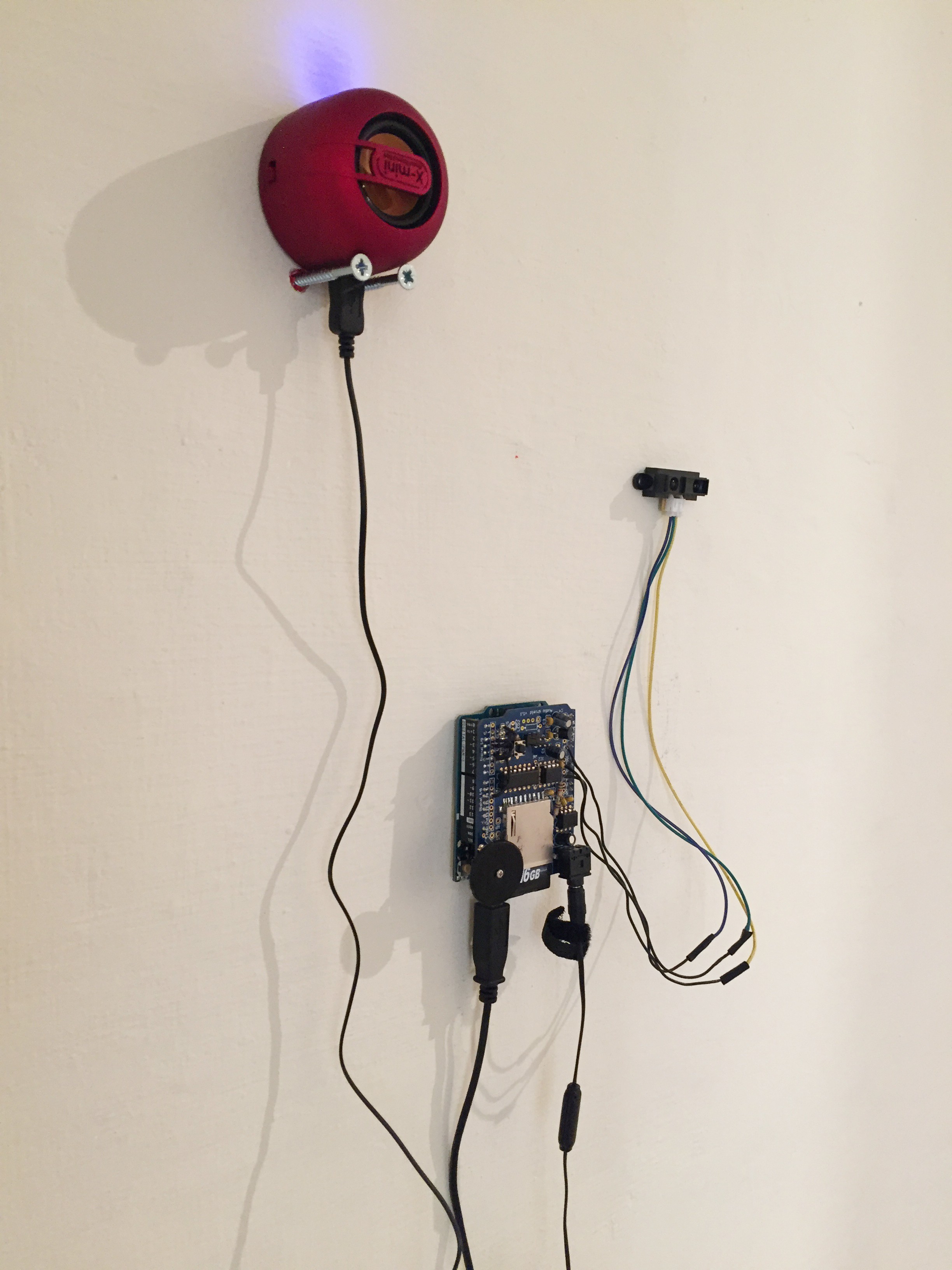
Second Room - Auditive AlgorithmsSensory Apparatus visualises the constant surveillance our data is under. In the first room a web of elastic black and white fibres represents a network of light and data. The experience of traversing the space and interacting with the structure is like simultaneously being sensed and sensing the internet. ‘Like the internet, you are missing out if you cannot make it past the first room’, Libby suggests.

The second room has circuit boards and speakers mounted to the walls. People curious enough will trigger a proximity sensor and a computerised voice starts talking. ‘Name. Country. Age. Address.’ What sounds like nonsense at first, quickly develops into the auditive representation of an algorithm. Passing consecutive speakers continuously reveals its different layers. These algorithms are complex programmes, designed to collect the footprints people leave while online. The information is used by marketers to direct and personalise adverts. ‘We wanted to reveal the technology. The actual objects represent the discussion we are trying to make.’

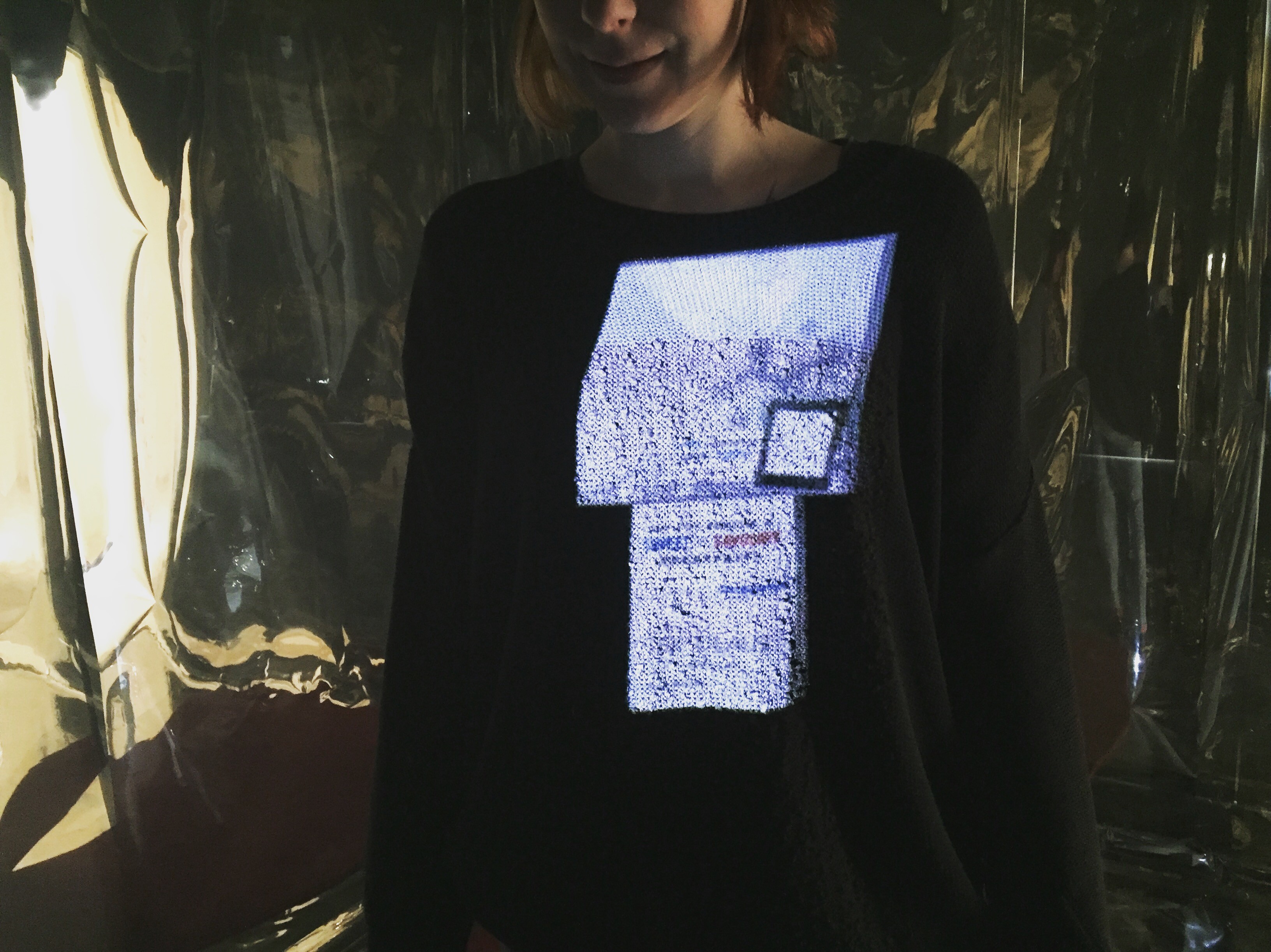
The last room is pitch black. Only when approaching the middle of the room a projector lights up, projecting advertisements directly onto people’s bodies. The commercial pieces, gathered from across Malta, follow every movement, change constantly and are reflected from the room’s glossy walls. At the exhibition opening, once people noticed they were being used as a billboard, they quickly moved away. ‘People change and behave differently in there’, Libby says, making it obvious how advertisements influence us online.

Third Room - Projected AdvertisementAs a quantum physicist this change in behaviour reminded Libby of the Quantum Zeno effect, a phenomenon where an unstable particle will not decay while it is being observed. For Libby the concept of surveillance and the philosophy behind it led her to Sensory Apparatus. French philosopher Michel Foucault came up with the idea of panopticism, that inspired the exhibition. Panopticism is a social theory extending the panopticon, a prison designed to allow one person to observe all prisoners. Inmates would know they are possibly being observed, but could never be sure. This ultimately changes their behaviour. Sensory Apparatus’ first steps can be relived in the educational room near the artworks. The artists’ personal notes, inspiring articles, and other materials are laid out for everyone to explore.

The free exhibition opens every Tuesday–Thursday from 10am–3pm and Friday–Saturday from 3–7pm at Blitz, 68 St Lucia Street, Valletta, until April 6. For more information see thisisblitz.com

Sensory Apparatus is supported by Arts Council Malta / Malta Arts Fund.