Skip to content

Marsa 2050

Facebook
Twitter
LinkedIn

By Dr Rebecca Dalli Gonzi

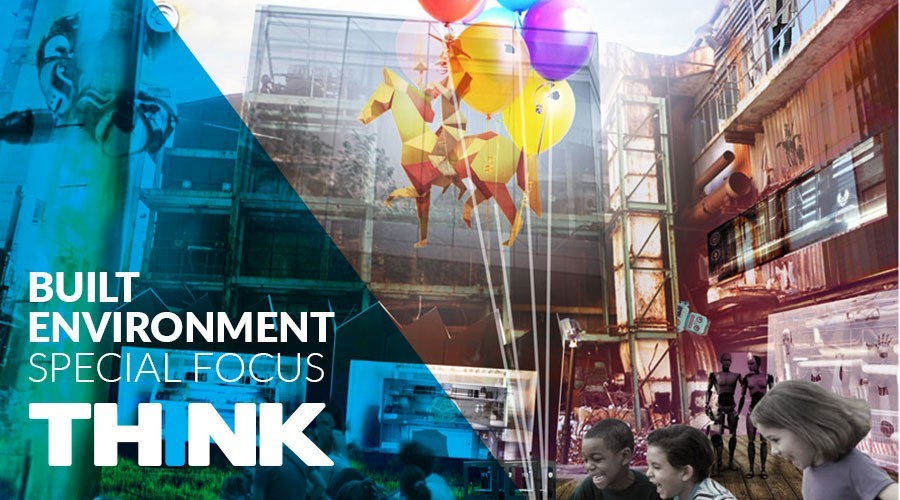
Looking past derelict sites, abandoned warehouses, shifting communities, shipping waste, and ships in disrepair Marsa’s true beauty awaits emergence—a port city with enormous potential. But can we predict what this place should offer by 2050? Final year Master’s students at the Faculty for the Built Environment were asked to produce their vision for debilitated Marsa. Each concept tells its own story fuelled by the analysis of an unravelled quayside. Like Canary Wharf (London)— today a major business district, or the Port of Leith (Edinburgh)—now deindustrialised and refreshed, Marsa will slowly unravel a younger waterside district by peeling layers of grime built up over the years.

The objective is to develop five visionary perspectives. The new spaces are meant to help trade emerge, embrace education, use multiple levels of land, build pedestrian links, and re-think derelict sites to turn them into new architectural masterpieces. Marsa is a calling card for architects and planners to define new uses for spaces to produce their full value for Malta. These projects are entering their second design phase. Expect the extraordinary.   


Visit www.um.edu.mt/ben to see the projects unfold.

Author

More to Explore

Squeezing Out Waste: Transforming Malta’s Olive Waste into Green Goods

While olive oil production generates vast amounts of nutrient-rich waste, approximately 98% of the antioxidant-rich phenolics in olives are lost during oil extraction. To combat rapid degradation, the OliveGREEN team is exploring a novel strategy using sulphur dioxide and enzymes to stabilise olive pomace. THINK speaks with Dr Frederick Lia to learn why saving this discarded byproduct makes a difference.

More Than Four Walls: The Influence of the Library Space on Student Wellbeing

Academic libraries are often framed as quiet repositories of knowledge, but their influence runs deeper. As student mental health concerns intensify, these spaces are emerging as critical environments for connection, comfort, and care. Beyond books and databases, the design, atmosphere, and activities of a library can shape how students feel, cope, and belong within the wider university experience.

The Limb That Learns

A prosthetic limb is always a work in progress. Even after fitting and adjustments, the body keeps changing. Weight shifts. New pressure points show up. A socket that feels fine one month might cause irritation the next. For many people, comfort relies on a device that cannot sense what is happening.

Comments are closed for this article!