The power to control objects with your mind was once a dream held by science fiction fans worldwide. But is this impossible feat now becoming possible? Dr Tracey Camilleritells Becky Catrin Joneshow a team at the University of Malta (UM) is using technology to harness this ability to help people with mobility problems.Continue reading
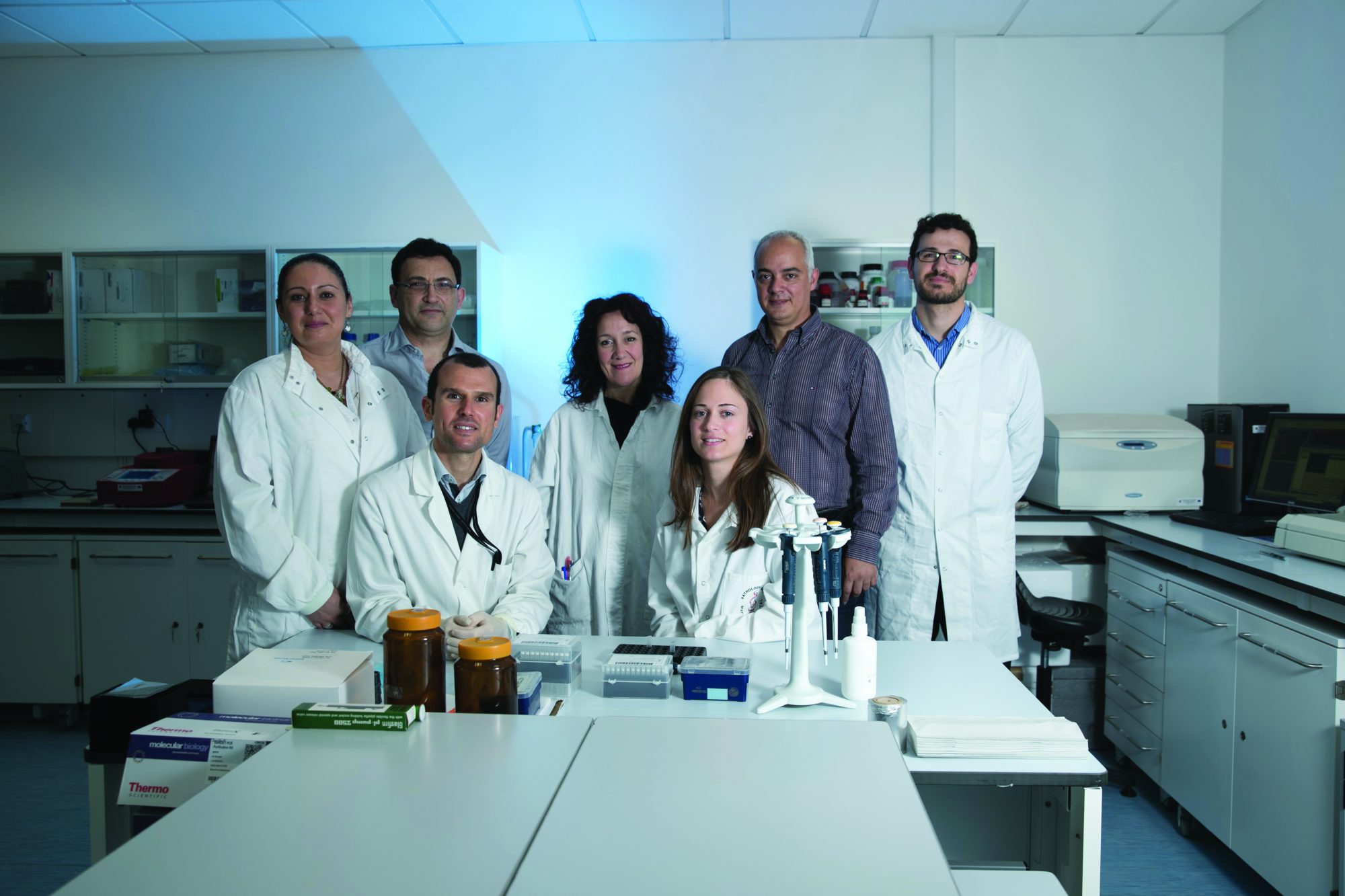
Stereotypical depictions of researchers involve crazy hair, oversized goggles, shabby lab coats, and loads of test tubes. While the first three may be exaggerated, the sheer volume of tubes and wells needed in a lab cannot be overstated, especially when the lab is dedicated to anything biological.
One tissue sample can be used for a gamut of tests, all of them attempting to identify something different in it, be they antibodies, DNA, or RNA (biomarkers). Often, many samples are required due to all the tests needed to highlight the variations in those biomarkers. But the size of samples is now decreasing thanks to machines like the Luminex System running xMAP technology.
The Luminex System is a research/clinical diagnostics platform that allows detection of multiple analytes in a single well of a microtiter plate—100 or more reactions using a single drop of fluid.
Multiplex assays are widely used in experiments investigating the characteristics of molecules within a biological sample. This approach can be used to see whether an experimental treatment works, or what changes a DNA mutation causes in the molecules or molecular pathways within cells.
In real terms, this machine allows for analyses to be done to determine whether or not a patient has a particular disease or gene variant in their blood that would prevent a drug from being effective. It also allows them to determine the ideal dosage for those drugs. The machine can also be used to identify and characterise viral infections.
A particular research group at the University of Malta, headed by Prof. Godfrey Grech, has used Luminex xMAP technology to develop novel markers which are allowing them to classify a subset of triple-negative breast cancer
patients.
By identifying these biomarkers, it may be possible in future to detect the disease earlier and give patients better-targeted therapy.
The world is changing. Technologies are developing rapidly as research feeds the accelerating progress of civilisation. As a result, the job market is reacting and evolving. The question is: Are people adapting fast enough to keep up? Words byGiulia Buhagiar and Cassi Camilleri.
Mur studja ha tilħaq.’ (Study for a successful future.)
From an early age, most Maltese students are conditioned to think this way. You need a ‘proper education’ to land yourself a ‘good job’. But students graduate, and with freshly printed degrees in hand, they head into the job market only to be disappointed when the role they land seems unrelated to their degree. Yet vacancies are ready for the taking; there are many unfilled jobs in the STEM fields, which create 26% of all new vacancies according to recent research from the National Statistics Office.
So, if there are vacancies available, what is the problem? A skills gap.
Academic qualifications do not guarantee that graduates have the right skills for work. At a conference addressing the skills gap organised by the Malta University Holding Company (MUHC) and the Malta Business Bureau (MBB), Altaro Software co-founder and CEO David Vella confirmed this problem. In previous years, Altaro mostly employed experienced developers; however, increased demand led them to realise that there weren’t enough of these candidates out there for them.
To fill those roles, they extended the call to younger people, but Vella found that they were not fully equipped and ready to go. This was when he realised that they needed to change tactics. ‘Now we realise that we need to start hiring junior people and build up their skills.’ Investment needs to be made by both sides.’
What every relationship needs
Better communication between business and academia could improve the skills gap. However, this kind of engagement is easier to manage in some institutions and industries than others, and bringing those worlds together poses many challenges. At the same conference, MUHC CEO Joe Azzopardi noted how start-ups and small businesses often do not have the resources to organise such exchanges. The wall between them and students is a difficult one to get over. However, there is a new initiative seeking to remedy this situation.
Go&Learn is a project bridging education and industry through an online platform that effectively catalogues training seminars and company visits in a multitude of sectors, for students and educators alike. The initiative has garnered a slew of supporters. Sixty companies from all over the world are listed on the site, including some local names: Thought3D, ZAAR, and Contribute Water, to name a few. This year was Go&Learn’s third edition, and with 17 European regions from across 10 countries involved, it focused on the STEM fields. In Malta, the team behind Go&Learn, also a collaboration between MUHC and the MBB, have worked together to create two new programmes.
One was dedicated to ICT for business, leisure, and commodity. It saw students visit and learn from local companies Altaro, Scope, MightyBox, Trilith, and Flat Number. Students said that the visits helped them achieve a better understanding of the sector and its nuances. ‘For us students, the fact that we are exposed to the internal working of a business’s environment, it’s an eye-opener,’ said University of Malta (UM) student Maria Cutajar. The second was related to food, involving Elty food, Benna, Fifth Flavour, Da Vinci Pasticceria, and Contribute Water. In this case, the opportunity even attracted foreign students. Go&Learn is acting as a vital bridge between education and industry that can help to minimise the skills gap.
The skills gap exists for many reasons: prejudices towards certain industries, lack of information available on others, and much more. However, education can play an important part in fixing this problem.
Bringing STEM to life
The skills gap exists for many reasons: prejudices towards certain industries, lack of information available on others, and much more. However, education can play an important part in fixing this problem. Currently, local systems are falling short of reacting quickly and addressing new needs in industry. A lot of attention is placed on short-term goals such as exams and assignments, rather than the bigger picture and real-world tasks. This kind of attitude in science education tends to be exacerbated by the notion that its subjects are for ‘nerds’ and ‘brainiacs’. This can be a daunting prospect for young children who don’t see themselves as ‘smart enough’. It can drive lots of young talent away from STEM subjects.
We need to bring fresh talent into STEM by showing how exciting, accessible, and relevant the field actually is. The solution, UM Rector Prof. Alfred Vella says, is to start right at the beginning: ‘We need to inspire teachers.’ This includes attracting the best teachers by providing appropriate salaries. Through education, we need to change the impressions given to children about science and what it means. ‘When I was younger, they used to tell me, why do you want to do science? Wouldn’t it be better to be a doctor? Engineers were seen more as grease monkeys,’ Vella said with a smile. Science should be engaging, inspiring, and fun. For this reason, he commends ESPLORA as being ‘the single most important feature in Malta.’ Vella believes classrooms should be an extension of the ESPLORA centre in their efforts to bring science to life. In addition to teachers inspiring future generations, parents also need to see STEM jobs as a good career for their children, and businesses need to show parents that exciting careers are available by pursuing STEM subjects. Without this, early encouragement might be fruitless.
With more young people taking up STEM subjects, the potential ripple effect will be vast. These future professionals will be able to conduct more research. The enormous benefits to be reaped from having more people excited about STEM subjects means the burden does not fall solely at the feet of teachers and parents. ‘It is also the job of businesses to show the relevance and benefits of STEM,’ says the CEO of the MBB, Joe Tanti. Go&Learn is providing an arena for business to interact with students and for universities to use their influence positively.
Looking ahead
From children’s classrooms to the skills gap in our economy, everything is intertwined. We need a multi-pronged approach to tackle as many aspects as possible and implement lasting changes. For one thing, we need to take a good look at our education system and how it treats STEM subjects. We also need to bring business and education together, enabling them to communicate more effectively. With Go&Learn starting this much-needed shift, the door is open to more innovative initiatives. Who’s in?
As consumers, we are all-too-familiar with the daily chore of charging our smartphones or tablet. With increasing emphasis on greener technologies such as electric vehicles and renewable energy generation, battery technology becomes more important. Words byDr Robert Camilleri.
Dr Robert Camilleri
As consumers, we are all-too-familiar with the daily chore of charging our smartphones or tablet. With increasing emphasis on greener technologies such as electric vehicles and renewable energy generation, battery technology becomes more important.
Classic lithium-ion (Li-ion) batteries are currently the most common, storing energy in chemical form. The problem with these is their temperature sensitivity. During repeated cycles of charging and discharging, the chemical reaction that drives the battery creates heat which affects its storage capacity and lifetime. Not only that, but these high temperatures present a real health and safety concern. Thermal runaway, where a battery creates a vicious cycle of heat generation, can lead to catastrophic failure. Remember the Galaxy Note 7 explosions? So how can we cool batteries down?
Keeping things chill
While a number of studies have attempted to apply traditional cooling (such as the air cooling in the laptop I’m using to write this article) to batteries, this was found to be inefficient for high-performance battery packs. As air passes over the battery cells, it gradually warms up and its effectiveness cooling subsequent batteries deteriorates, leaving battery cells in the same pack operating at different temperatures. The battery cell with the highest temperature becomes the weakest link.
The need to have a fast charging mechanism, especially when it comes to consumer products, is real.
High temperatures limit dis/charging rates and energy storage capacity, causing batteries to degrade faster, dictating the life of the pack. While attempts to use liquid cooling proved to be more efficient than air cooling, they still did not solve the issue. To counter this problem, the industry has developed complex and expensive electronic battery management systems that monitor the temperature of each cell and adjust the charging rate. But again, while this protects the cells, it limits the current flow during discharging, causing long waiting times in between battery use. The need to have a fast charging mechanism, especially when it comes to consumer products, is real. Battery-powered electric vehicles, for example, are much more likely to be accepted if a fast charging mechanism is introduced. This would make them comparable with regular cars that need to be taken to traditional petrol stations for fuel.
A different approach
Our project NEVAC (short for Novel EVAporative Cooled battery technology) solves this problem with a novel cooling strategy. With NEVAC, we want to keep the entire battery pack at a uniform temperature. We’re using a liquid coolant with a low boiling point which absorbs latent heat as battery cells warm up. When the coolant reaches its boiling point, it evaporates and turns into gas. The gas travels to a cooler part of the battery pack, lets off the heat it has absorbed into the ambient environment, and condenses back to liquid, closing the loop of this self-sustained cooling cycle. As the coolant within the entire battery pack boils at a single temperature, all the battery cells within the pack are kept at one uniform temperature.
NEVAC is currently developing an experimental proof of concept of this technology with Abertax, our industrial partner. Following a proof of concept, the project will be scaled up with the prospect of developing the technology for the market. It will show how an improved battery cooling technology will lead to higher battery storage capacity, longer battery life, and better dis/charging rates. That daily chore of charging your smartphone for more than a few minutes could soon be forgotten.
The research is led by Dr Robert Camilleri (University of Malta), in collaboration with industrial partner Abertax Kemtroniks. Project NEVAC is funded by the Malta Council for Science and Technology Fusion: The R&I Technology Development Programme 2017.
Read more:
Selyukh, A., As Batteries Keep Catching Fire, U.S. Safety Agency Prepares For Change, retrieved on 30th March 2017
For the first time in Malta, a cardiac screening programme for young people aims to identify who among them are most at risk of sudden cardiac death. Here, Laura Bonnici chats with Dr Mark Abela to learn more about the Beat It project and the impact it is having on young lives across Malta.
There are times in life when death haunts us all. It is most tragic when it strikes down our youth. This year, Italian footballer Davide Astori and Belgian cyclist Michael Goolaerts made headlines after they died unexpectedly. Also making headlines was sudden cardiac death (SCD).
Ischaemic heart disease is the most common cause of cardiac deaths, its likelihood increasing with age. A blockage in one of the arteries supplying the heart starves it of oxygen and nutrients, leading to heart attacks, sometimes resulting in cardiac arrest, in which there is sudden and unexpected loss of electrical heart function. But SCD in young people is very different from cardiac death later in life.
Dr Mark Abela
Much like Astori and Goolaerts, SCD victims are generally presumed to be in good health. Early symptoms are often incorrectly attributed to other issues or life changes. The result is a horrendous loss for the sufferer and their family and friends, who also have to weather biological, psychological, and social repercussions. Seeing these events unfold, specialist trainee in Cardiology Dr Mark Abela felt the time was right to offer an SCD screening programme to young people in Malta. He called the project Beat It.
The idea behind Beat It was inspired by the UK-based NGO Cardiac Risk in the Young [CRY], Abela notes. ‘CRY offers screening to young people between 14 and 35 to identify those who might be prone to heart disease. They then give follow-up advice, support, and evaluations accordingly. I realised that a similar programme would be very beneficial to young people here in Malta,’ says Abela.
In Malta, the Beat It project has focused mainly on fifth form students between the ages of 14 and 16. The cardiac screenings attempt to identify those who may be susceptible to SCD, with those prone to it referred to hospital for further tests to catch the condition before it can strike.
‘Because athletes are believed to be at a higher risk for SCD, we need to have routine screening across all sporting disciplines,’ says Abela. ‘Sport has shown the medical community that young individuals who are susceptible to genetic heart disease are still at risk of SCD. Screening helps decrease this burden. Current evidence also supports that this risk is present for non-athletic youths—so why neglect these youngsters?’
Launched officially in October 2017, the Beat It project saw nine doctors, accompanied by a team of technicians and nurses, going into schools and running screenings. Students filled in a simple questionnaire and took an Electrocardiogram (ECG) test on the spot. ‘We analysed the results in the hope of identifying heart disease in the early stages, then advised the young people if they should consider some lifestyle changes,’ says Abela. This included advice ranging from easing up on tennis, to which career choices might be most appropriate for the student based on their health. The team also advised further medical treatment and organised follow-up appointments with specialists Dr Mark Sammut, Dr Tiziana Felice, and Dr Melanie Burg in some instances. In the end, the project screened 2,700 of the 4,300 eligible fifth form students across Maltese schools, all with the support of the school administrators and teachers, who ensured that everything ran smoothly.
The significance of this project could also reach well beyond the lives of the young people themselves. ‘Since the country is so small and families are often inter-connected, genetic diseases in Malta tend to be more prominent,’ Abela emphasised. ‘The discovery of susceptibility to hereditary cardiac disease in any young person therefore also suggests that their parents or siblings may be at risk of SCD. With appropriate testing, the ripple effect of Beat It could preempt problems in entire families, maybe even saving someone’s life in the process.’
The project boosted awareness of cardiac disease and SCD for Maltese young people, their parents, and their teachers. UK data reports that eight out of 10 young deaths do not report symptoms beforehand. There is also a tendency for symptoms to be downplayed by educators who are not aware of potential problems. With this in mind, Beat It will also act as a learning platform. Since young people with cardiac abnormalities are at higher risk for exercise-related symptoms, physical education teachers are now more aware about potential red flags.
Celebrating the completion of the Beat It project, Abela expressed his gratitude for the team who made it possible. ‘The incredible dedication and teamwork of everyone involved has helped Beat It to effect positive change in young people’s lives, potentially saving some in the process.’
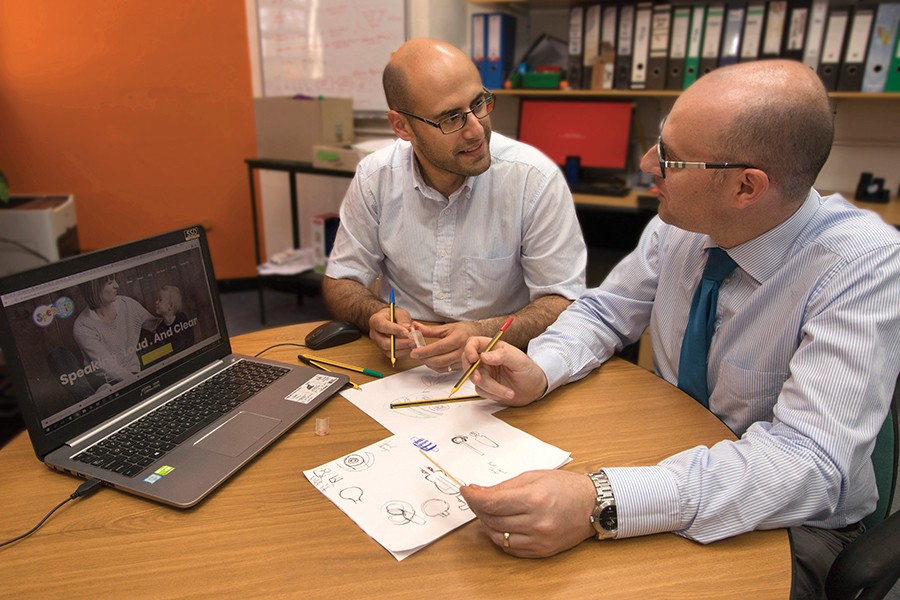
While speech development starts early in life, the course of acquiring and processing language in a bilingual country like Malta is challenging. Engineers and language experts at the University of Malta have teamed up to build a toy that will help children overcome that hurdle. Words by Emanuel Balzan.
Toys and play are critical in children’s lives. It is through play that children learn how to interact with their environment and other people while developing their cognitive, speech, language, and physical skills.
The way children play reveals many things including whether or not they are hitting particular development milestones. Play is also used by professionals who intervene when those skills are not acquired. Speech and language pathologists (SLP) use toys to tailor tasks based on their objectives for the child, determined following their assessment. For this reason, toys are vital tools.
With technology moving at the rate it is, electronic components are easier and cheaper to access. As a result, a lot of smart, educational toys are now available on the market. However, Dr Ing. Philip Farrugia (Department of Industrial and Manufacturing Engineering, Faculty of Engineering, UM) honed in on a gap in the market—a smart toy that supports English and Maltese.
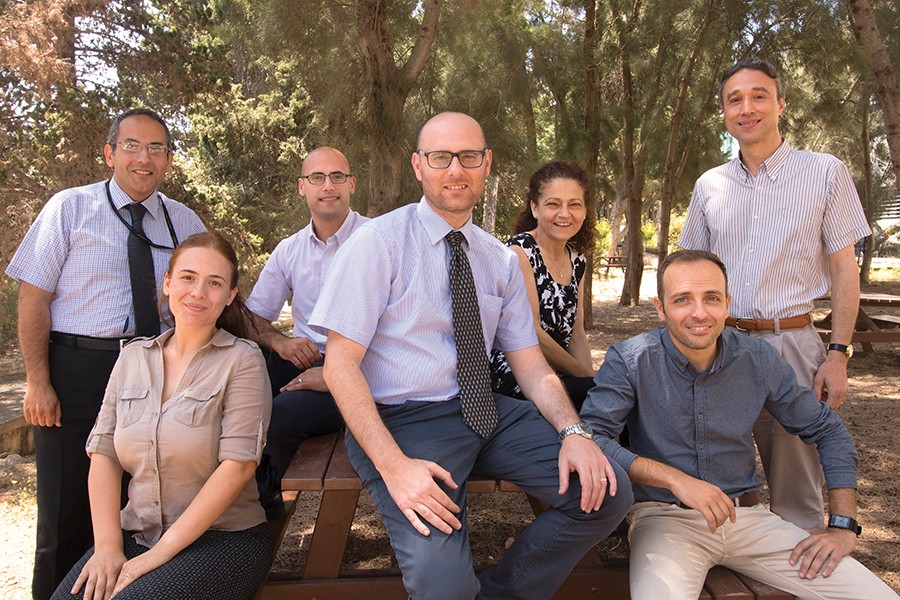
Front left to right: Dr Ing. Owen Casha, Loridana Buttigieg, Emanuel Balzan, Dr Ing. Philip Farrugia, Prof. Helen Grech, Anthony Demanuele, Prof. Simon Fabri. Missing from the photo: Dr Daniela Gatt and James Attard.
To make this happen, Farrugia recruited a team of researchers from the university. Engineers Prof. Simon Fabri and Dr Owen Casha joined the effort. Researchers Prof. Helen Grech and Dr Daniela Gatt brought their expertise in speech and language acquisition and disorders. The team was finally complete when game development company Flying Squirrel Games stepped into the picture.
Getting down to business
The SPEECHIE project is divided into three stages. During the first phase, we sought to understand the process of speech and language acquisition, assessment, and therapy. We involved users through workshops that allowed us to observe children’s play and their toy preferences. We also conducted focus groups with parents to identify what they most wanted from toys. During these sessions, one parent noted how ‘there are not any [educational] toys in Maltese our little ones can play and interact with.’ Others agreed with this observation. Parents also raised concerns about children’s attraction to tablets and smartphones, noting how they interfered with social interaction. On the tail end of this discussion, one parent quickly added that ‘the toy must have something to make it feel like a toy and not a gadget.’
With further questioning, we also came to realise that different parents have different criteria when deciding to buy a toy. One parent told us that before buying a toy for her daughter, she would ‘try to see for how long she will play with it and what the toy will give her in return.’ Another parent, concerned about toys’ safety, checks for the CE mark (Conformité Européene) prior to purchasing the toy, saying that he associates the mark with better quality. However, he also confessed that ‘in the hands of children, nothing remains of quality. Give them something which is unbreakable and they will manage to break it in one way or another.’
Since our toy is intended for use in speech therapy, we went ahead and organised more focus groups with SLPs. Outlining the role of toys in their clinics, SLPs said ‘[they] are normally used as a reward. If you know that this child likes blocks, then you use them to motivate the child.’ Toys are also used as part of the language tasks SLPs give. ‘We use objects to put a grammatical structure in a sentence. Many times you find something that represents a noun, a verb, an object and then put them together’ to model the appropriate sentence construction. This prolific use of toys, however, brings with it a very practical problem. One SLP explained how challenging things can get on a day-to-day basis due to the lack of multipurpose toys. ‘We are always carrying toys… we are always carrying things around with us. Even our cars… it is like I have ten kids,’ she said.
To address this issue, SLPs emphasised how useful it would be to have a flexible toy with multiple functions. One that does not bore children and which they can use to target different speech and language therapy goals. They also drew our attention to a prevalent but damaging mentality that they are trying to address. ‘Unfortunately, the majority of Maltese parents have a mentality that the more money they spend and the more therapy sessions for their children, the sooner the problem is alleviated, but in reality this is not true. The work needs to continue at home on a daily basis. It is not solely our responsibility,’ the SLP said. Much like when we practice daily to learn to play an instrument, speech and language therapy works the same way.
Sharon Borg, an experienced occupational therapist from the government’sAccess to Communication and Technology Unit, said that the toy we had in mind could provide a simple way for parents to engage with their children and work at home on related exercises. Borg’s colleague, Ms May Agius, also noted the need for the toy to offer ‘surprises’, saying that ‘anticipation and elements of surprise draw kids and keep them engaged.’
Here we have only touched the surface of all the ideas brought forth. However, by considering the children’s, therapists’, and parents’ needs early in the engineering design process, we should be able to reduce the number of design iterations we have in future.
Reaching out
Design is key. Based on the feedback from the focus groups, we have now started working on the hardware and the software. But the journey is not straightforward. One issue we needed to deal with was the lack of compatibility between the 3D modelling software Flying Squirrel Games used and the technology used by the UM. From an academic point of view, because of the innovative nature of the toy we are making, we needed flexibility, so we modified Flying Squirrel’s virtual model to add different mechanisms which involve moving parts. These alterations now allow us to create support to fix electronic components within the device and ensure that no moving part is impeded by another part. As a result, assembly is much easier.
Emanual Balzan and Dr Ing. Philip Farrugia
We have also made the decision to build SPEECHIE software using modular blocks. This will enable us to switch parts and functions around so we can widen the idea of who might enjoy our product. The toy will not only be of use to children with speech and language impairments, but also to others. This approach was inspired by a meeting with behavioural economist Dr Marie Briguglio who warned us that labelling the toy could be stigmatising. She explained that it should not become ‘an isolated toy which kind of becomes a label: because I have this toy, that means I have speech impairment.’
Despite the aversion some parents felt towards technological devices, as said during focus groups, Borg also encouraged us not to shy away from using them. She said children with autism responded very well to technology, and therapists will make the best choice for the child to improve their skills. To hit a sweet spot in between these views, we are incorporating functions that will allow for a kinesthetic learning experience that involves physical activities rather than passive consumption of instructions. We want to mix different modes of play to encourage effective learning. We do not want kids to sit and watch their toy, but to move around, dance, and sing with other children.
With all of these choices under our belt, we now have a working prototype. But the SPEECHIE toy is not yet complete. In fact, the coming months will see us working on the mechanisms and the interfacing of electronics.
Towards the end of the year, we will start putting the toy into preschoolers’ hands to determine its effectiveness and efficiency in regard to speech and language therapy. To do this, we will compare the progress of children who use SPEECHIE with those who only use traditional SLP methods.
What we hope is that this toy will encourage parent-and-child interaction through play. We want to enable more frequent use of both Maltese and English and allow children to be safely exposed to technology and to a fantastic learning experience—all while having a ball.
Note: We are excited to share these insights about SPEECHIE with the public, and if you would be interested in joining on this journey by participating in the evaluations, get in touch here: speechie-web@um.edu.mt
Marine litter is a problem found across the world. As well as being directly deposited in seas and oceans, plastic, wood, rope, and other items are accumulating on land and making their way into bodies of water. On the Maltese Islands, such littering happens frequently. Last summer the Physical Oceanography Research Group (Faculty of Science, University of Malta [UM]) took a step towards tackling the issue.
Under the supervision of Prof. Alan Deidun and Adam Gauci, I sought to harness innovative techniques and create a monitoring programme that would begin to identify what kind of litter is on Malta and Gozo’s beaches.
The national Marine Strategy Framework Directive was followed to ensure good data collection and meeting of the ‘Good Environmental Status’ by 2020. The study used images captured by a drone in three coastline areas: the north east Marine Protected Area of Malta, Qawra Point, and the eastern and western points of Baħar Iċ-Ċagħaq. Flying at an altitude of 30 meters, the drone was programmed to spot specific categories of marine and coastal litter. These included plastic, wood, rope, rubber, and other miscellaneous items such as washing machines and mattresses.
Apart from characterising marine litter, the project aimed to observe whether hydrodynamical phenomena, such as wind and currents, are also influencing the accumulation of litter. However, results showed that the difference between the areas of study was not due to dynamics of coastal currents and coastal topography, but to human activities. In Baħar iċ-Ċagħaq, for example, categories such as wood and plastic were found on land at considerable distances from the shoreline, close to points easily accessible by cars.
We also used statistical analyses to confirm that parameters such as tourism, lack of public knowledge, and lack of environmental consciousness are affecting the accumulation of marine litter, laying the blame firmly on human activities.
The remedy to the situation is in Maltese citizens’ hands. Only we have the power to turn things around. It’s time to clean up our act.
This research was carried out as part of a Masters in Physical Oceanography, Faculty of Science, UM.
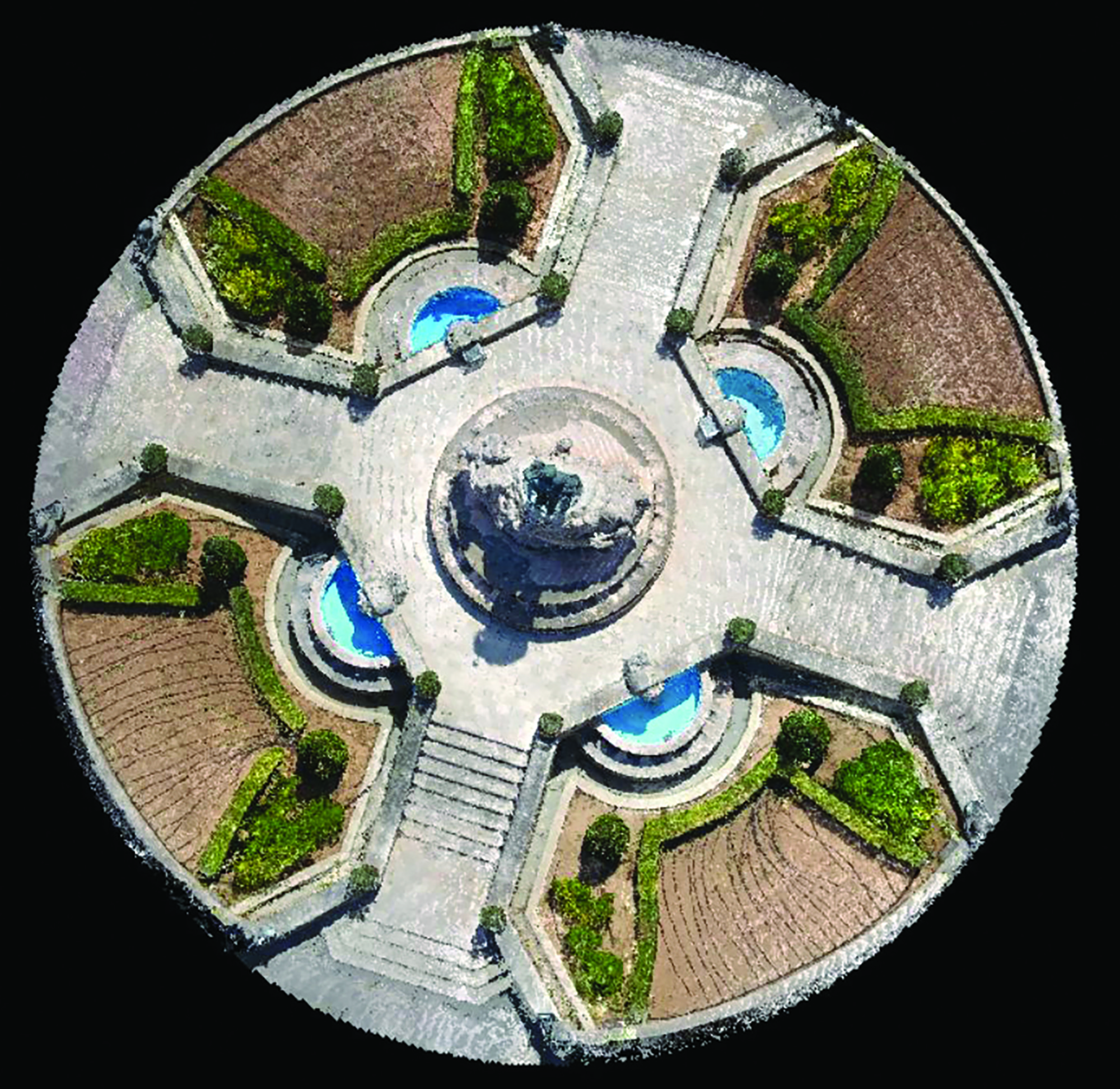
Drones have rapidly gained popularity in recent years. They are now commonly used by photographers and videographers, law enforcement, the military, and criminologists. At the University of Malta (UM), they are being used as a part of CloudIsle.
Msida monument
CloudIsle, a project headed by Prof. Saviour Formosa (Faculty for Social Wellbeing, UM), is using drones kitted out with laser scanning tools, ground-penetrating radar, and surveying equipment to create 3D maps of Malta. Using billions of data points, the fine details of above and below-ground features can be recorded. This includes precise detail on buildings, as well as the intricacies of the island’s labyrinth of underground caves. The technology will even be used to uncover underwater artefacts at up to 500m depth. The legendary Um El-Faroud and the Xlendi-Karwela-Cominoland trio of wrecks, now transformed into artificial reefs and popular diving sites, are currently under review.
This data’s real-world applications are vast. It can be used to aid Malta’s Planning Authority and ensure building stability, as well as analyse extreme weather and monitor climate change. The Department of Criminology (Faculty for Social Wellbeing, UM) is also employing these tools in environmental enforcement, as well as for spatial forensics and crime reconstruction in scenes related to bombings and homicides.
Fort St. Elmo
CloudIsle is already reaping rewards. The team has discovered and named the Għariebel doline land feature off the Selmunett Islands. They have also created a baseline map of Malta and its seas that can be used to integrate new 3D spatial data.
Classical Hebrew is the Hebrew of the Tanakh, the Jewish Scriptures, the very source of the Christian Old Testament. Its first appearance in the historical record dates back to the 10th century BCE, and like the other semitic languages from which it emerged, it was written from right to left and comprises only consonants. By the turn of the Common or Current Era, its use as a spoken language was quickly being superseded by Aramaic and Greek. A few centuries later it was a linguistic relic, its use limited to liturgical and literary contexts, not so different from the use of Latin much later in the Christian west.
‘Dead’ languages bring up the question of relevance. They are limited in their vocabulary, especially when compared to their contemporaries; the Classical Hebrew lexicon amounts to just about 10,000 words. Today, they could not be used for communication, on official documents, or for most conventional things. However, there is one function ancient languages fulfill in a far superior manner—interpreting ancient texts.
Modern translations cannot quite capture the nuance of ancient texts. Translators can only convey ideas after making countless choices in the understanding and rendering of words, all while being consciously or unconsciously guided by their own ideological leanings. Translations are essentially interpretative exercises. Armed with knowledge of the original language, a reader can identify the original authors’ ideology, emphasis, word order, and tone. All of these features could easily be lost in translation. For example, should the word ‘meshihu’ in Psalm 2:2 be translated as ‘his Messiah’ or ‘his Christ’ or ‘his Anointed One’? A choice needs to be made, and that choice does make a difference.
Archaeologists use the same concept when studying ancient artefacts, as do epigraphists, the specialists who study inscriptions. Understanding the inscribed language on items leads to a clearer, more colourful picture of its context and origins. The Malta Government Scholarship Scheme supported me in carrying out such an epigraphic study for my doctoral research at the University of Oxford. My project dealt specifically with a group of inscribed pottery sherds discovered at Lachish (modern Tell ed-Duweir) in Israel. Combined with an archaeological and contextual reassessment, these inscriptions provided valuable insight into the socio-political history of early 6th-century BCE Judah, including scribal culture and the mastery of the contemporary Hebrew language, as well as military operations and prophetic activity, all of which strike similarities with the Book of Jeremiah.
Studying Classical Hebrew can be a rigorous mental workout that instills an appreciation for detail: an insight useful across innumerable fields. Not only does it provide a solid foundation for Modern Hebrew, but it offers a fresh perspective for those wishing to read biblical texts in a critical manner. After all, the Bible remains an iconic cultural artefact in the western world, vital when discussing not only ideology but even cinema, literature, music, and art.
Ancient languages give a voice to our history and the people who shaped it, all the while providing food for thought for those in the present.
For more information: The Department of Oriental Studies (Faculty of Arts, University of Malta) offers study-units on Classical Hebrew grammar, syntax, and readings at undergraduate level.





 We need to bring fresh talent into STEM by showing how exciting, accessible, and relevant the field actually is. The solution, UM Rector Prof.


 With further questioning, we also came to realise that different parents have different criteria when deciding to buy a toy. One parent told us that before buying a toy for her daughter, she would ‘try to see for how long she will play with it and what the toy will give her in return.’ Another parent, concerned about toys’ safety, checks for the