
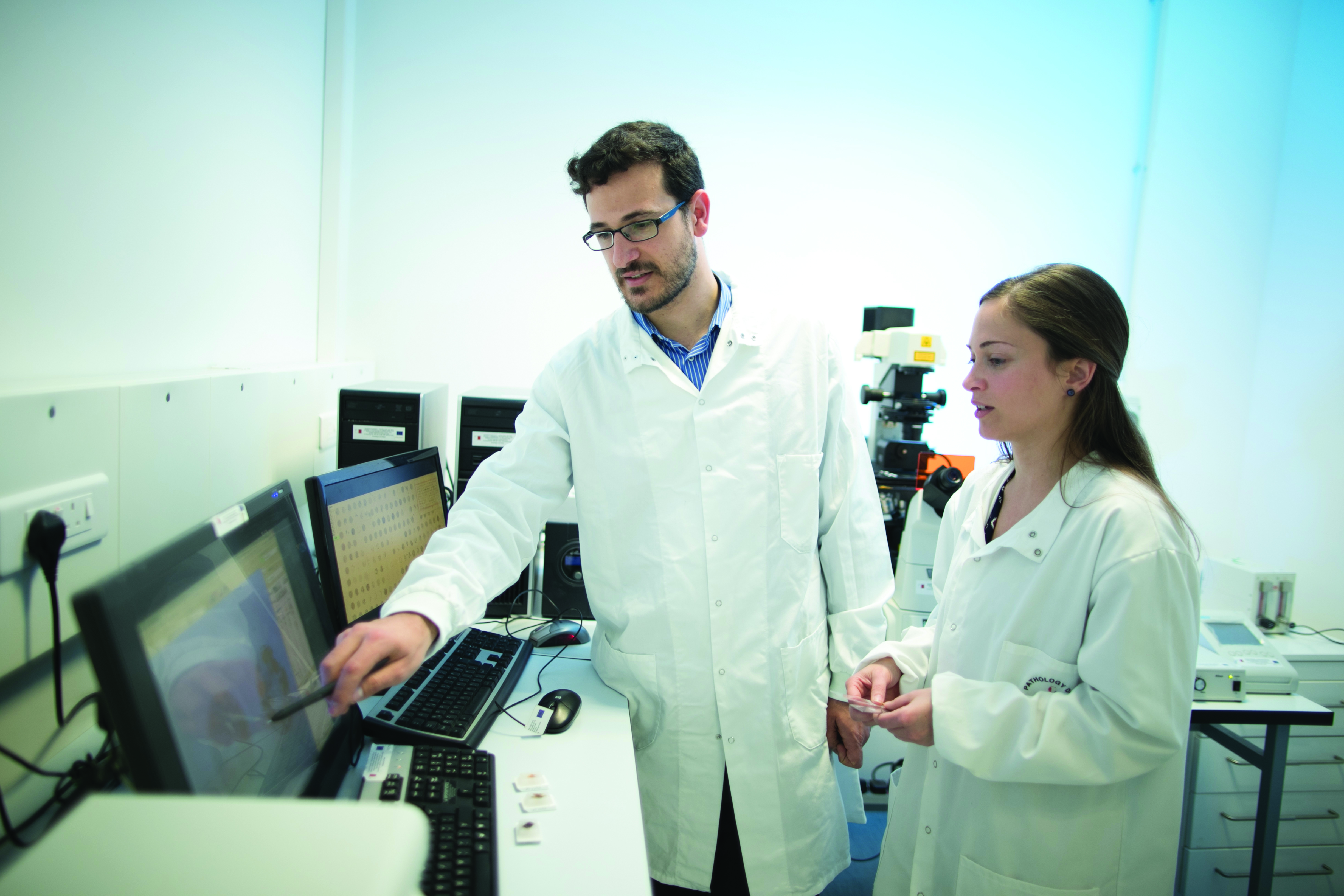
Stereotypical depictions of researchers involve crazy hair, oversized goggles, shabby lab coats, and loads of test tubes. While the first three may be exaggerated, the sheer volume of tubes and wells needed in a lab cannot be overstated, especially when the lab is dedicated to anything biological.
One tissue sample can be used for a gamut of tests, all of them attempting to identify something different in it, be they antibodies, DNA, or RNA (biomarkers). Often, many samples are required due to all the tests needed to highlight the variations in those biomarkers. But the size of samples is now decreasing thanks to machines like the Luminex System running xMAP technology.
The Luminex System is a research/clinical diagnostics platform that allows detection of multiple analytes in a single well of a microtiter plate—100 or more reactions using a single drop of fluid.
Multiplex assays are widely used in experiments investigating the characteristics of molecules within a biological sample. This approach can be used to see whether an experimental treatment works, or what changes a DNA mutation causes in the molecules or molecular pathways within cells.
In real terms, this machine allows for analyses to be done to determine whether or not a patient has a particular disease or gene variant in their blood that would prevent a drug from being effective. It also allows them to determine the ideal dosage for those drugs. The machine can also be used to identify and characterise viral infections.
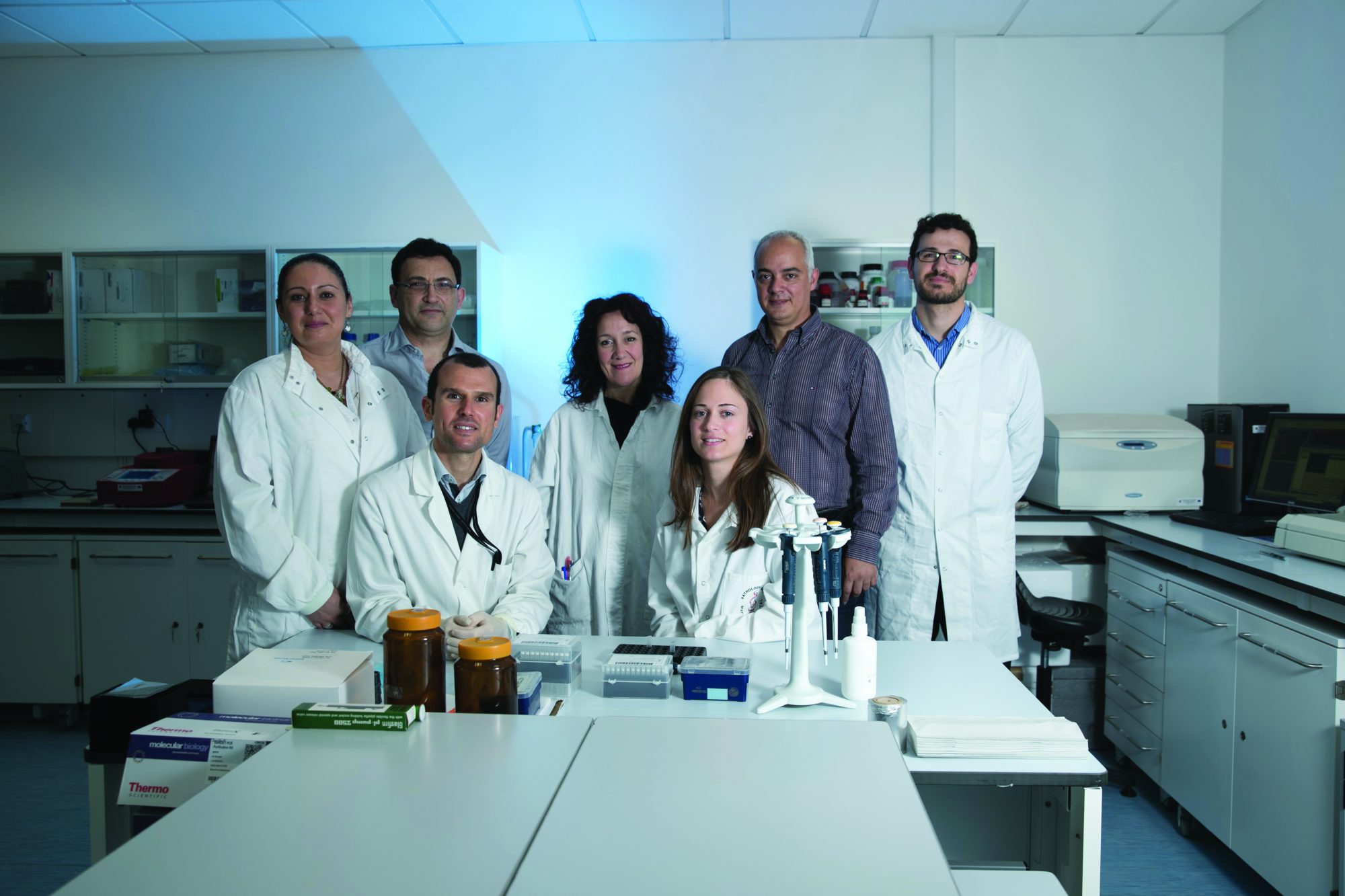
A particular research group at the University of Malta, headed by Prof. Godfrey Grech, has used Luminex xMAP technology to develop novel markers which are allowing them to classify a subset of triple-negative breast cancer
patients.
By identifying these biomarkers, it may be possible in future to detect the disease earlier and give patients better-targeted therapy.
Author: Prof. Godfrey Grech





Comments are closed for this article!