
Sewage works

It’s 2018. We live in a world where saliva samples sent out from the comfort of our own homes return to us with a sprawling outline of our ancestry and where some of the biggest social media influencers are robots. Despite this progress, utter the word ‘scientist’ and the outdated image of men in white lab coats still abound.
When advances in STEM (Science, Technology, Engineering, Mathematics) direct almost every aspect of life, why is it that so many still switch off the minute we mention science?
Researchers haven’t always had the best PR. In films and TV, science is often portrayed as a foreign language, gibberish to most. Real life is not always that much better, with some researchers needing to carry a jargon-busting dictionary around to translate what they study. To improve its reputation, we need a more creative approach that can break these stereotypes and bring science to the masses in a way that doesn’t send people running for the hills.
Science in the City (SitC), Malta’s science and arts festival, is the perfect opportunity for researchers at the University of Malta (UM) to bring their research to citizens in a way that doesn’t need subtitles.
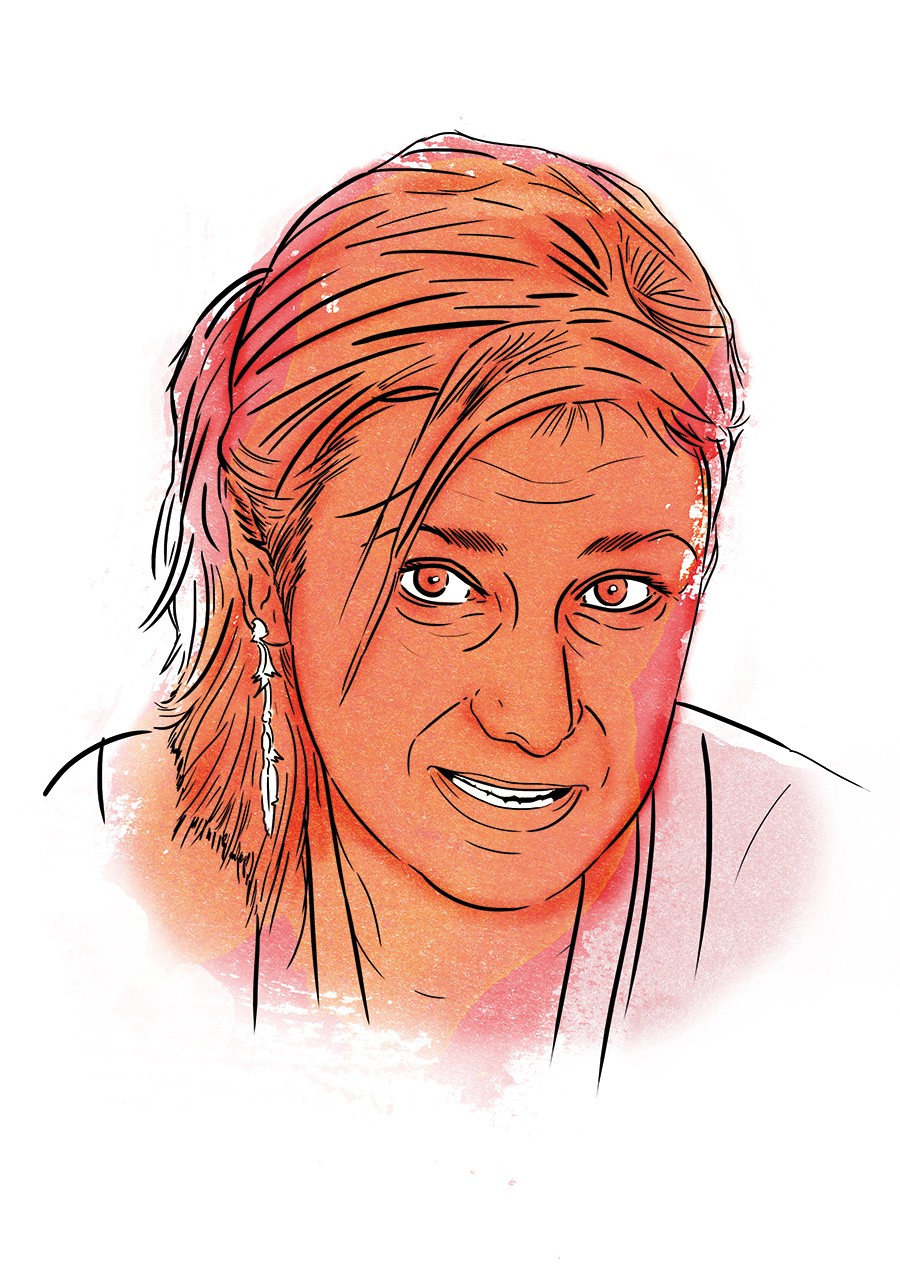
Professor Cristiana Sebu (Department of Mathematics, UM) joined UM only three years ago, but has already made a firm mark. With a background in Applied Mathematics, she moved to the university as an Associate Professor, setting up a new course stream for undergraduate students in Biomathematics. Sebu’s interests lie in the practical applications of mathematics, particularly in biology, and in exploring how mathematics underpins essentially everything in life. ‘The links between mathematics and biology are strong,’ Sebu asserts. ‘We need to be able to make predictions and apply mathematical modelling to understand complex and intertwined biological systems such as signalling pathways in the body or ecosystems in the environment.’
That said, Sebu is still very aware that her love for mathematics is not often shared by the wider world. The word ‘mathematics’, however applied it might be, still strikes fear into the hearts of many. In an effort to counter this reaction and replace it with a more positive one, Sebu is joining the myriad of researchers at SitC and adding music to the mix.
‘Maths provides the building blocks and the structure of music,’ says Sebu. ‘Debussy, Mozart, Beethoven, and so many more used a mathematical pattern known as the Fibonacci Series in their scores.’ The Fibonacci sequence is an infinite pattern of numbers where the next number is the sum of the two previous ones, going from 1, to 1, 2, 3, 5, 8, where (1+1) = 2, (1+2) = 3, and so on. This sequence is closely related to what’s known as the Golden Ratio, an infinite number which can be found in so many examples throughout nature, from the composition of bee colonies to the shape of seashells and the patterns in sunflower seeds.
Debussy, Mozart, Beethoven, and so many more used a mathematical pattern known as the Fibonacci Series in their scores.
To highlight this elegance, Sebu has teamed up with jazz composer Diccon Cooper. The performance, entitled ‘Jazzing the Golden Ratio’, will feature presentations of the Golden Ratio in art, the environment, and the human body, accompanied by Fibonacci-inspired jazz music specially commissioned for the festival. Sebu herself will also be there, sharing her thoughts about the significance of this pattern in the world around us. ‘People see arts and science at odds, but the two are very much embedded in each other,’ Sebu states. ‘Hopefully we’ll be able to demonstrate the beauty of mathematics at Science in the City this year.’
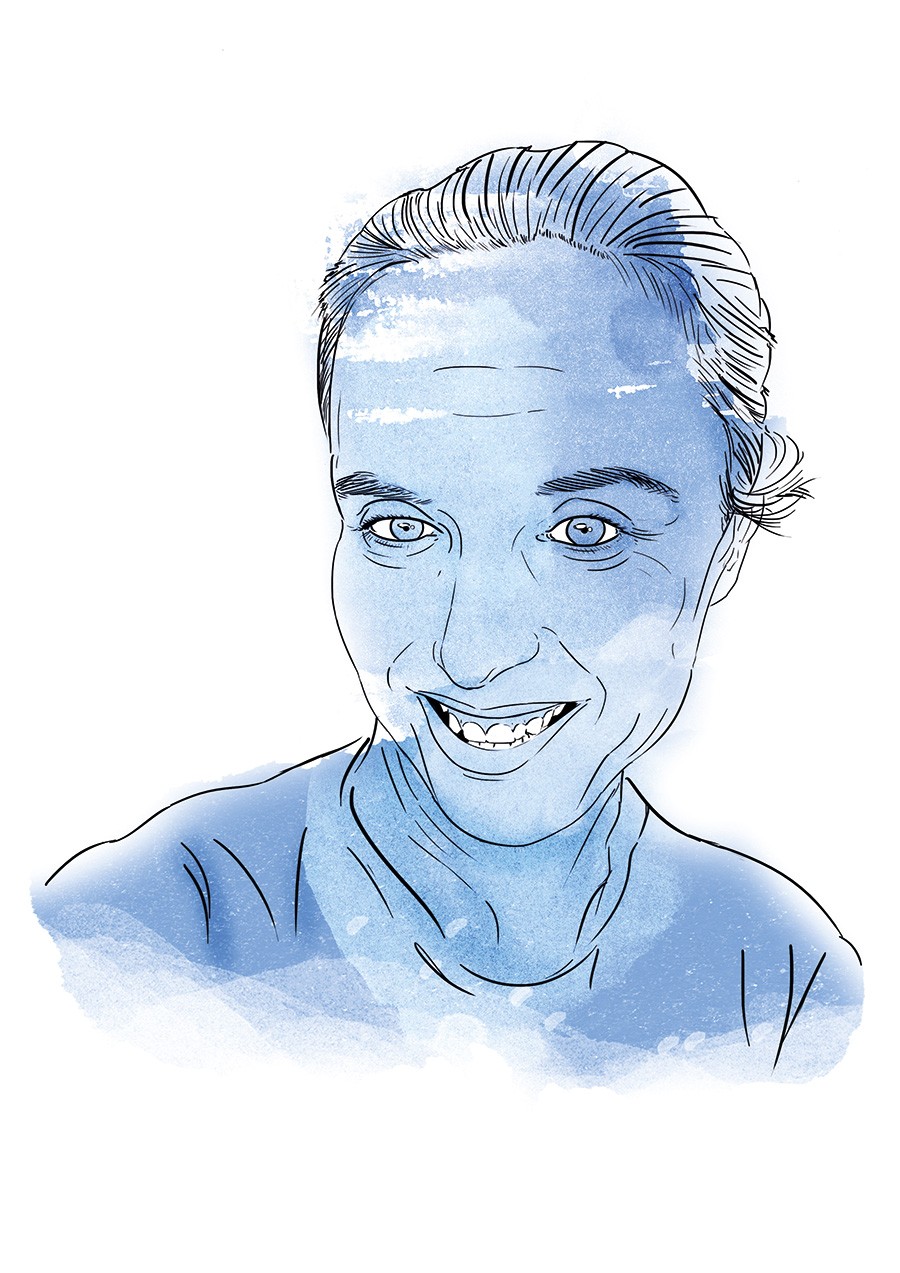
The significance of this connection between arts and science is a notion shared by Dr Vanessa Camilleri (Faculty of ICT, UM). After working on a project combining Artificial Intelligence (AI) with behavioural studies at Coventry University, Camilleri found a niche research environment using immersive technology and design to influence our decisions and behaviours. Returning to the UM, she worked on a Virtual Reality (VR) headset allowing teachers to experience what it might be like for a child with autism in a classroom.
‘Unless you experience something, it’s very difficult to reach a deep level of empathy,’ Camilleri said of the idea behind the project. ‘We wanted to give [teachers] the opportunity to build new memories through VR, and help them understand the needs of the child in greater detail.’
For SitC this year, Camilleri is taking a different approach. The VR headsets are having the night off, and attendees will need nothing but their smartphones to see science brought to life in artistic form. Using Alternative Reality (AR) methods, she’s collaborating with artists Matthew Attard and Matthew Galea to bring a fourth Triton to the fountain for one night only through a project funded by Valletta 2018. By downloading the smartphone app, attendees will see the new fountain brought to life through their phones. In the build-up to the festival, the artists are using eye-motion tracking and heat mapping sensors on volunteers to see which bits of the current statue draw their attention. This is then translated into the final depiction, making the fourth Triton as eye-catching as the current three.
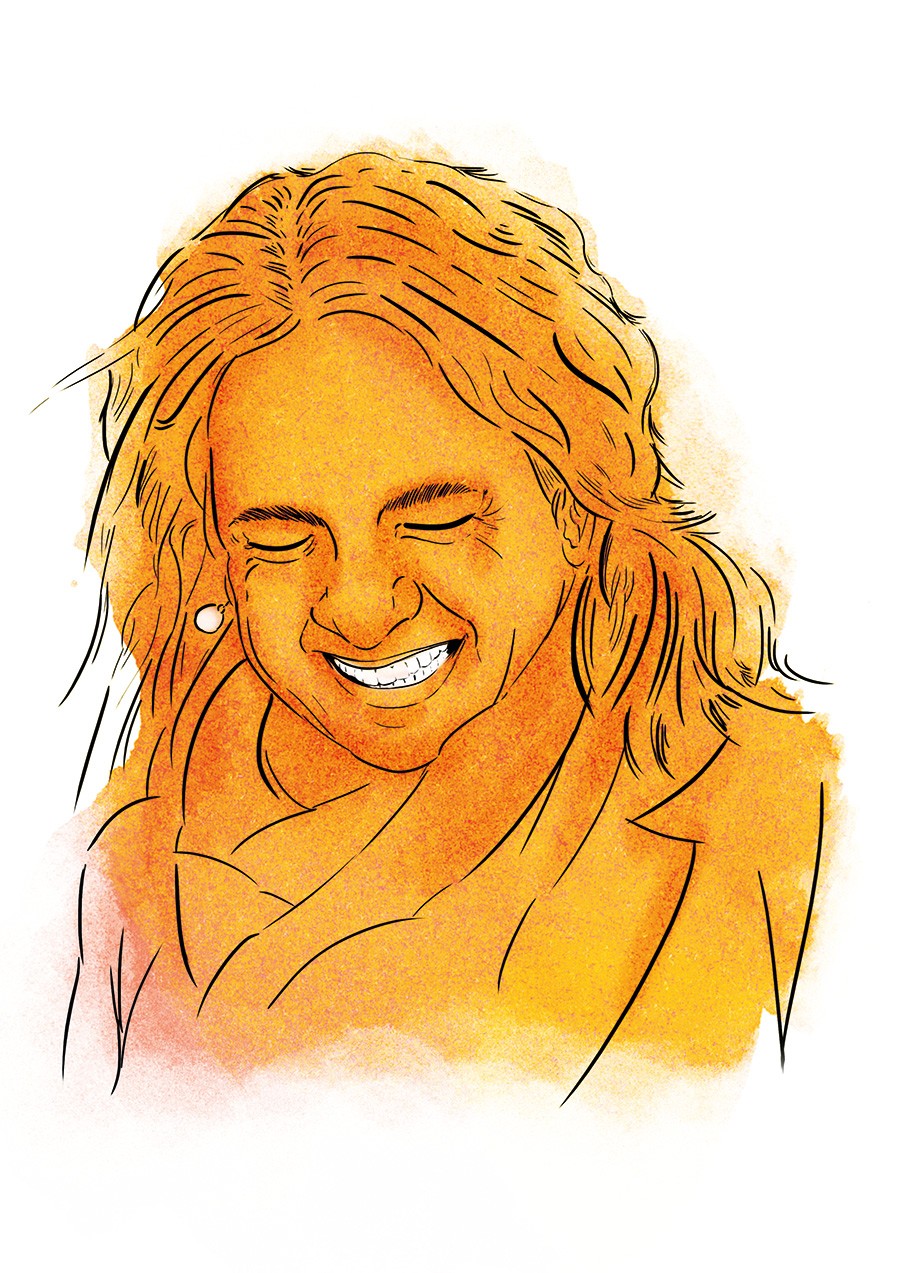
Lecturer Dr Marie Briguglio (Faculty of Economics, Management & Accountancy, UM) is also hoping to use art to bring her subject to life, albeit in a more sober manner. As a behavioural economist, Briguglio’s focus is on a population’s impact on environment and how we can police this. In particular, at SitC, she wishes to convey the ‘Tragedy of the Commons’—the notion that free or common assets such as public space or air are likely to be exploited by the masses due to sense of entitlement combined with lack of responsibility.
To do this, Briguglio recruited the expertise of Steve Bonello, a cartoonist with a political bent. ‘Working out how best to design environmental regulation underpins much of the research I am involved in. But it’s also very evident in many of the cartoons Steve draws,’ says Briguglio. ‘I soon realized that there was enough material to write a book.’ And so they did, combining the work of faculty with cartoons to produce the comic The Art of Polluting.
Home truths about how we personally damage the world we live in might not make for easy reading, but Briguglio hopes the fusion between arts and science will make this message easier to swallow. ‘It is intended to bring to light research on environmental pressures, status, and responses in a manner that is accessible and also fun.’ The book itself will be displayed as part of a larger instalment titled No Man’s Land, which will include a live action play, more detailed research, and even a free tree-planting stall.
Putting research on the main stage is no new concept to any of these three, and this year’s SitC is certainly not their first venture into science communication. The projects they’ve put forward have all stemmed from previous public engagement ideas. Camilleri worked with the same artists on an AR feature about Greek Mythology, and she regularly translates her research for mass media. A science communication event, Go For Research, which was spearheaded by the Faculty of Science and Directorate of Curriculum Management and aimed at the Junior Science Olympiads was where Sebu’s idea for highlighting the beauty of mathematics was born.
The passion for their subjects is infectious in all three researchers. Each one listed the prospect of inspiring their audience as their top goal for the festival. Shaking up science communication by presenting it in a way we wouldn’t expect, through musical maths, theatrical economics, and artistic AI, provides an opportunity for researchers and citizens alike to see science through a new lens. One where progress seems brighter and kinder.
I’ll pick you up at 2.45,’ Greg says casually. ‘AM?’ ‘Yes,’ he smiles.
There is a one hour gap, between three and four in the morning, before the Pixkerija (fish market) in Marsa opens to the public. This is the time when fishermen arrive with their catch, but their clients, chefs and managers of Maltese restaurants, have yet to appear.
It is also when Greg Nowell, founder of the Sharklab Malta elasmobranch conservation group, and a small crowd of volunteers inspect the shelves and boxes of fresh catch. They’re looking for two local catshark species—nursehounds and lesser spotted catsharks—so they can cut them open and save the viable eggs still inside the females in the hopes of releasing them back into the wild.
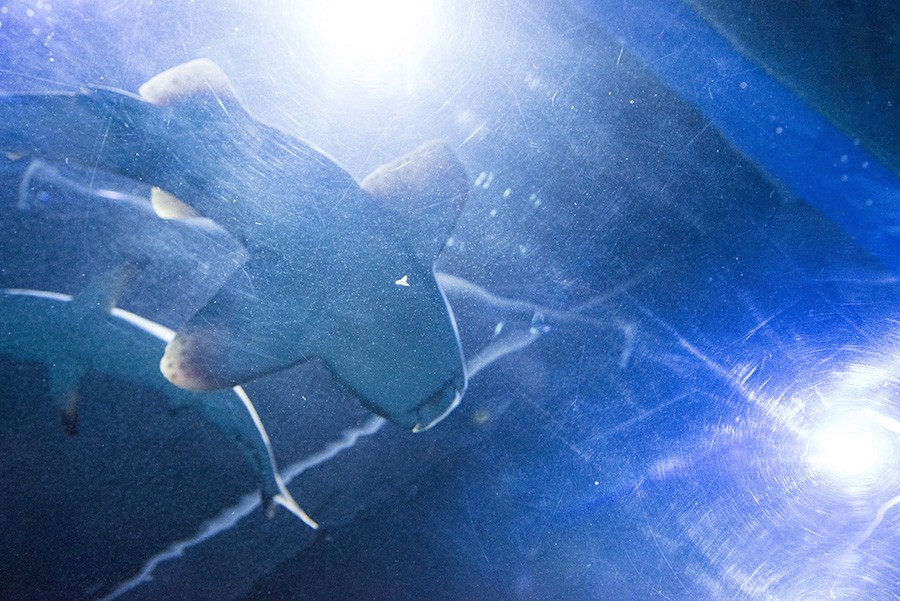 Greg Nowell is a diver whose ‘regular’ job involves electronics quality auditing and building renovation works. In 2011, while at a local fish market, Greg noticed something unusual. One of the catsharks on sale had an egg protruding from it. ‘I took it out, and it looked intact. I could see there was something inside,’ he says. He decided to put the egg in an aquarium to see what would happen, and while the shark pup inside developed successfully over the course of a few weeks, it eventually died before the two month mark. Looking back, Nowell can confidently say now that it had everything to do with temperature.
‘Originally, we didn’t know all the parameters we needed to develop the eggs. Temperature was the big eureka moment. Most of the eggs collected during the year’s early months started to develop nicely, but after some time most of them simply stopped – until we installed the cooling system! Now if we have an egg that starts to develop, it has a 95% chance of making back into the sea,’ Nowell says proudly.
It took two years to successfully release the first market-sourced shark pup. Nowell released the baby himself. ‘I don’t know if it was saltwater in my mask or tears—it was beautiful!’ More than 280 shark babies have been released into our seas since then.
Today, a lot has changed. The Sharklab team and volunteers proactively check all the egglaying shark species in fish markets before they’re sold. The shark pup aquariums have also moved out of Nowell’s living room and into tanks in the Malta National Aquarium, where citizens can learn and foster an appreciation for them.
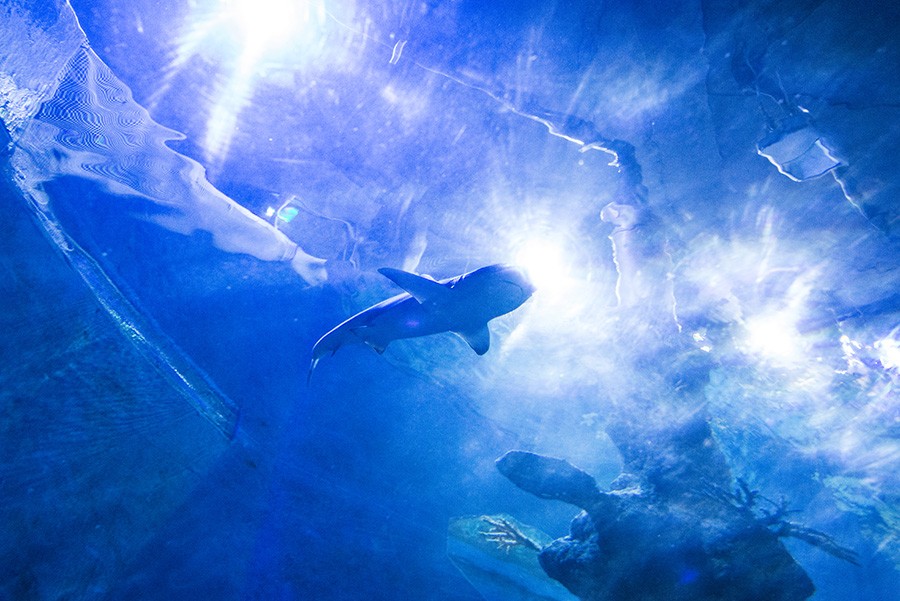 While the initial plan for our interview was to go to the fish market and save the eggs still alive in the female sharks, a storm put an end to those plans. The fishermen couldn’t go out to sea, so we made our way to the Malta National Aquarium instead.
The aquarium looks different from others I have visited over the years. Yes, there are some tropical species and colourful Japanese Koi Carps, but the majority of species there are local. This includes 20 to 30 cm nursehound pups and their empty egg-cases. It immediately strikes me that the focus of the aquarium is conservation and education, rather than the display of pretty fish.
Sharklab science officer Lydia Koehler praises the national aquarium for their support. She emphasises that with the help of the national aquarium, other countries are following suit and scavenging viable eggs from caught female sharks. Currently, there is a Sharklab in Bosnia Herzegovina, founded with Sharklab Malta, as well as activities in Spain and Greece, which are making strides. ‘In Spain they have a lot of Blackmouth Catsharks,’ Koehler says. ‘They had their first release couple of weeks ago.’
‘A major part of what Sharklab Malta does is raise awareness and educate people,’ Koehler says. ‘And we have seen a change amongst younger people, appreciating the animals for what they are.’ But there are challenges too. ‘There is a generational gap,’ she notes. ‘Some older people don’t go into the water because there could be sharks in it. They are still very afraid of them.’
At the same time, shark is still a popular menu item with locals and tourists, which is why populations are heavily exploited in Malta. Koehler says that the volume of catches is astounding. ‘The first few times you go to the fish market, you don’t actually realise how many sharks they bring back. That was one thing that really shocked me. Especially for the small spotted catsharks. They come in boxes of 40 to 60 individual sharks. Once we saw them bring in 40 boxes in one day.’
Koehler says that most people don’t even know they are consuming shark. ‘Traditional Maltese fish soup, aljotta, often has several different species of shark in it,’ she says. ‘The issue is people don’t call them sharks—they call it fish soup. If you ask people whether or not they eat shark, their reply is: no, we don’t. But if you ask: do you eat mazzola? The reply is yes. They don’t know sharks are used in it,’ Koehler says, joking then that we should give up mazzola for good.
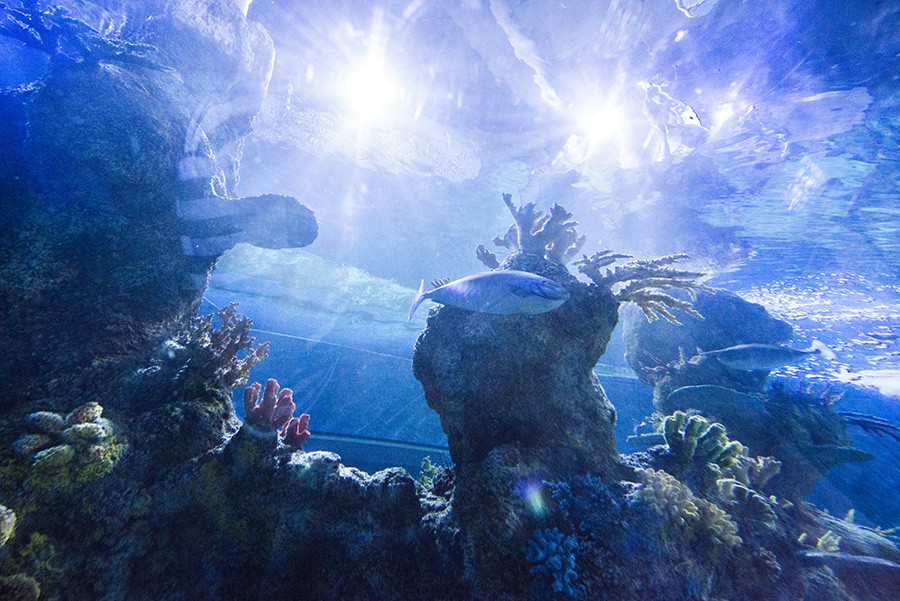 But there is more to Sharklab than the sharks themselves, Nowell notes. Towards the end of our trip to the aquarium, he highlights the need for better ecosystem management. ‘The animals, as fascinating as they are, live in an environment,’ he says. That itself deserves attention.
‘Plastic is a major issue for all marine life, and if you start affecting any part of it, you’re affecting sharks,’ Nowell says. ‘We also need to be knowledgeable about the species we’re consuming. Overexploitation of fish species because we like to eat them has a direct impact on sharks, because they can get caught accidentally as bycatch.’ Being apex predators, sharks have a critical role in maintaining the species below them in the food chain. They remove the weak and sick individuals, all while keeping competitors balanced to ensure species diversity. Sharks are essential for ocean health, and they have to be protected.
There is much to be done. And there are lots of opportunities to get started, as Nowell and his volunteers have clearly shown by empowering themselves and taking action. But as with every environmental issue, larger numbers make the loudest noise. And so it always boils down to a very simple question: Do we care enough to add our voices to the call?

A scientist and a linguist board a helicopter, and the scientist says to the linguist, ‘What is the cornerstone of civilisation, science or language?’ It might sound like the opening line of a joke, but it’s actually from the opening sequence of the film Arrival (2016). In the film, aliens have landed on our doorstep, and our scientist and linguist have been chosen as suitable emissaries to establish contact. The scientist, perhaps wishing to size up his new colleague, then poses the question. Whose field has been more important to the advancement of the human race? Science or language?
In reality, they are both wrong (or both half-right). It is true that language was necessary for us to organise as a species, forming complex networks of cooperation over vast distances and time. Without specialising our efforts and collaborating, we could not have built our great structures, supported large communities, or migrated over all continents. Yet, without science, without improving our understanding of the natural world, we would still be at its mercy.
Science is the tool we use to change circumstance. When populations are dying from an infectious disease, we create a vaccine. When we’re unable to grow enough food to support ourselves, we develop a better strain of crop. When we struggle to transport materials over great distances, we create machines that will do it for us. Science is our secret weapon, transforming problems into possibilities. However, science alone means little. If innovation dies with its creator, who does it help? Science must be communicated to others before it can make a difference in any meaningful way.
It would be incomplete to bestow language or science with the title of ‘the cornerstone of civilisation.’ It was science communication that really drove our development. And I don’t just mean this in the external sense. After all, is the transfer of genetic information from one generation to the next not science communication? What are we but a biological game of Chinese Whispers, the message mutating through each host but somehow continuing to make sense over millions of years?
The human race not only benefits greatly from science communication; we are the product of it. It is embedded into our biological and cultural history. Proof that it is not just knowledge but the sharing of knowledge that is the real root of power.
Hopefully the aliens agree.
Author: Amanda Mathieson

Unequal access to technology and the Internet is traditionally termed the ‘digital divide’. Both are expensive, which leaves some people behind. Today the situation has changed, with 98% of minors having home Internet access in Malta. Government targets digitally-deprived students by investing hefty sums to have tech at school. However, there is a new digital divide within formal education, and this time it is not about who uses technology but how they use it.
What is the attitude toward the technology that is being used in class? What is the goal that students are using that technology to accomplish? You can have countless schools on the receiving end of whole shipments of tablets and laptops, but the sad reality is that without an effective strategy, they are unlikely to reap the full benefits of that investment.
If technology is placed within a system that ignores students’ needs and is unresponsive, if not completely resistant, to new teaching and learning methods, the result is completely counterproductive. A teacher’s frustration with students being distracted by their devices is an everyday occurrence, and it needs to be addressed. The question is: Is this a technology-related problem or a more profound issue related to how humans discover and understand knowledge? Are these pedagogical conflicts arising from the presence of technology in class or from an epistemological clash between teachers’ and students’ beliefs about learning and knowledge sharing?
If we define pedagogy as ‘guidance for learning’, we need to provide guidance for a variety of learning methods. By focusing only on the ‘chalk-and-talk’ method of teaching delivery, we may actually limit access to different ways of acquiring knowledge. Besides using technology to enhance teaching, digital tools and resources need to be used to empower students: first to take over the management of their own learning, and second, to pursue different technology-enhanced learning avenues for acquiring, creating, and sharing knowledge. This gives the student better skills in digital and information (critical) literacy, in collaboration, and in networking, hence preparing them for the world of work.
To make this happen, challenges await both teachers and students. Teachers need to welcome new forms of learning, offering guidance and support rather than simply ‘giving students all the information they need to know.’ Students, on the other hand, have to overcome the mental conditioning that links learning directly to teaching so they can stand on their own two feet.
Students and teachers need to work together to adopt a more independent and customised approach to learning, enhanced and transformed through technology.
Author: Dr Philip Bonanno
What happens when you put smart washing machines on a blockchain?
In writing this article, Dr Joshua Ellul and Prof. Gordon Pace explain their investigation into how to combine the interconnectedness of all things promised by the Internet of Things with the trust promised by blockchain technologies.Continue reading
Hemm min jgħid li konna viċin gwerra ċivili, hemm min ma jaqbilx. Li hu żgur hu li fil-letteratura, is-snin tmenin ħallew impatt b’diversi modi; mhux biss fin-narrattiva li nkitbet dakinhar, imma wkoll l-epoka bħala sfond ta’ plott jew ispirazzjoni għall-awturi kollha li sabu refuġju fiha biex jesprimu l-arti tagħhom. Kliem ta’ Emanuel Psaila.
L-aspett soċjali għandu importanza kbira u l-medda taż-żmien hija vitali biex nifhmu dak li ġara fit-tmeninijiet, nifhmu għaliex seħħ, x’ġiegħel lill-poplu Malti jirreaġixxi b’dak il-mod, u x’sehem kellha l-letteratura f’dan kollu. Fuq kollox: kien ir-riżultat pervers tal-elezzjoni ġenerali tal-1982 li qanqal dan kollu? Jew l-għeruq kienu ilhom ġejjin mis-sittinijiet u saħansitra mit-tletinijiet?
Kienet ħaġa naturali li fit-teżi tiegħi Is-snin tmenin u l-prożaturi Maltin (iggwidat minn Dr Adrian Grima) inwaħħad flimkien żewġ affarijiet li nħobb: il-politika u l-letteratura. Apparti minn dan, fis-snin tmenin kont żagħżugħ militanti fi ħdan grupp politiku. Biss it-teżi għenitni nifhem perspettivi oħra, nara affarijiet li sa ftit snin qabel ma kontx nifhimhom, kif ukoll li nfittex it-tekniki u l-għodod tal-letteratura li titkellem fuq dan iż-żmien.
Il-letteratura li dejjem ippruvat tqanqal ħsibijiet ta’ kuxjenza ċivili u soċjali kienet tappartjeni lill-esponenti xellugin u fit-tletinijiet bdejna naraw kitbiet minn dawk li ftit snin qabel kienu xxierku fil-Partit Laburista Malti (hemm bosta biex issemmihom kollha). Dawn kienu jafu x’ġara u x’qed jiġri f’pajjiżi oħra, bħal Franza, l-Ingilterra, il-Ġermanja, u l-Istati Uniti, u għalhekk użaw il-letteratura biex imexxu ’l quddiem l-ideoloġija tagħhom. Użaw stili u ġeneri differenti, imma l-għan ewlieni kien li jnisslu kuxjenza soċjali, biex jgħinu lill-batut, jedukaw, u jgħallmu.
Lejn l-aħħar tas-sebgħinijiet u l-bidu tat-tmeninijiet din l-istrateġija fil-letteratura ntużat minn kamp ieħor differenti u rajna esponenti tal-lemin jiktbu letteratura diretta b’għan li tikxef il-qagħda politika reali tal-epoka. Trevor Żahra kien minn ta’ quddiem nett. Il-kotba tiegħu Trid Kukkarda Ħamra f’Ġieħ il-Biża’ u It-Tmien Kontinent huma novelli li jattakkaw b’ironija diretta u b’sarkażmu qawwi lill-gvern tal-ġurnata. Żahra wkoll daħħal element qawwi ta’ politika fi ktieb għat-tfal Qrempuċu f’Belt il-Ġobon fejn mhux faċli ssib il-parodija midfuna taħt parodija oħra. Biss meta l-qarrejja jindunaw biha, l-ironija tant tkun qawwija li ssir drammatika.
Ktieb li kien fuq fomm kulħadd fit-tmeninijiet huwa r-rumanz Fil-Parlament ma Jikbrux Fjuri (1986) ta’ Oliver Friggieri. Huwa rumanz filosofiku ħafna u ftit kien hemm min fehmu, biss nofs Malta xtrat ir-rumanz u n-nofs l-ieħor warrbitu. Dan ir-rumanz intuża bħala propaganda mill-Partit Nazzjonalista għall-elezzjoni tal-1987. It-tnedija tiegħu f’lukanda prominenti kienet qisha manifestazzjoni u saħansitra nqaleb bħala dramm u ntwera għal ġimgħa wara ġimgħa. Madanakollu l-istrateġija rnexxiet u l-letteratura kienet strumentali biex issir bidla.
Apparti l-letteratura tas-snin tmenin, dan iż-żmien sar sfida biex tinkiteb narrattiva dwaru. Wieħed minn tal-bidu li uża dan l-isfond kien Immanuel Mifsud. L-Istejjer Strambi ta’ Sara Sue Sammut huwa kollu mpoġġi f’dan il-kuntest. L-ironija, is-sarkażmu, u ċ-ċiniżmu jinħassu sew u għalkemm inisslu tbissima fuq fomm il-qarrejja, iħallu stampa reali.
Clare Azzopardi ilha tesperimenta fuq is-snin tmenin u ktieb wara ktieb qed iżżid id-doża tagħha. Id-dramm tagħha L-Interdett Taħt is-Sodda jitkellem dwar il-kwistjoni politika reliġjuża tas-snin sittin u minn hemm naraw kemm Azzopardi qed tnawwar fil-fond fuq żminijiet li kienu nieqsa mil-letteratura tal-epoka. Fin-novella Linja Ħadra, li hija parti minn ġabra li ġġib l-istess isem, hemm l-ewwel mistoqsijiet u l-isfond huwa l-istrajk tal-għalliema f’nofs is-snin tmenin. Id-doża politika, għalkemm sottili, żdiedet f’ġabra oħra ta’ novelli – Kulħadd Ħalla Isem Warajh – fejn isem Dom Mintoff, personaġġ li jiddomina t-tmeninijiet, jinsab minqux f’kull novella taħt l-akronomu PDM. Jidher li Azzopardi qed tipprova tgħix il-memorja tas-snin tmenin permezz tal-letteratura. L-aħħar rumanz tagħha, Castillo, jitkellem b’mod ċar fuq it-tmeninijiet, dwar il-bombi li kienu jsiru, dwar ir-rwol tal-pulizija u dwar r-relazzjonijiet li kellu l-Gvern Malti ta’ dak iż-żmien, speċjalment ma’ Gaddafi.
Pierre J. Mejlak isemmi t-tmeninijiet mil-lenti ta’ tifel żgħir li trabba fil-Każin Nazzjonalista tal-Qala, Għawdex. F’Qed Nistenniek Nieżla Max-Xita hemm xi novelli b’laqta awtobijografika li fihom nistgħu nħossu t-tensjoni tal-elezzjoni ġenerali tal-1987 kif ukoll iċ-ċelebrazzjonijiet mar-rebħa tal-Partit Nazzjonalista.
Ġużè Stagno fix-xogħlijiet tiegħu jdaħħal battuti ta’ persuna li għexet Marsaxlokk u jitfa’ botti bħall- kwistjoni tat-televixin tal-kulur li kien novità għal dak iż-żmien.
Is-Sriep Reġgħu Saru Velenużi ta’ Alex Vella Gera għandu l-plott ibbażat proprjament fuq kumplott ta’ qtil tal-Prim Ministru Dom Mintoff u miktub b’mod miftuħ, tant li n-narratur u l-protagonist huwa Nazzjonalist kbir.
Hemm ukoll kittieba oħra li jużaw dawn is-snin bħala sfond biex jibnu l-plott u rumanz li l-ftuħ tiegħu huwa bbażat fuq din l-epoka huwa Xandru Miżżewweġ u Gay ta’ Javier Vella Sammut.
Kull deċenju fih tiegħu, u kollha xi ftit jew wisq għenu fl-iżvilupp tal-letteratura. Inħoss li fit-tletinijiiet ippruvajna nersqu lejn dak li kien qed jiġri barra minn Malta, imma l-gwerra tellfet l-iżvilupp ta’ kollox u kellna nistennew sal-ħamsinijiet biex bdejna naraw xi ħaġa żgħira. Fis-sittinijiet il-Moviment Qawmien Letterarju, għalkemm kien progressiv u kien hemm bżonnu, żamm lura milli jitkellem dwar l-attwalità speċjalment dwar il-kwistjoni politika reliġjuża. Biss is-snin sebgħin u tmenin reġgħu xprunaw lill-kittieba biex jiktbu fuq il-fattwalità u ma jibqgħux iktar passivi.
Is-snin tmenin, bit-tajjeb u l-ħażin tagħhom, u bit-turbulenza tagħhom, għenu ħafna fl-iżvilupp tal-letteratura Maltija u għalkemm għaddew tliet deċenji, kienu u ser jibqgħu jiġu mfittxija minn kittieba biex fuqhom isawru x-xogħlijiet tagħhom.

The power to control objects with your mind was once a dream held by science fiction fans worldwide. But is this impossible feat now becoming possible? Dr Tracey Camilleri tells Becky Catrin Jones how a team at the University of Malta (UM) is using technology to harness this ability to help people with mobility problems.Continue reading
Everybody wants peace of mind. From the moment we lock the front door before going to work, to the second the car’s ignition turns off when we get back. Insurance makes that possible.
Insurance is one of the largest sectors of the Maltese financial services industry and a major pillar of its economy. Despite this importance, there is a research gap. Most historical records I referenced when looking into the history of insurance in Malta hinge on maritime history and historical accounts of bustling ports and the activity surrounding them.
My research aim was to initiate the first project actively chronicling the key contributors and events in Malta’s insurance industry. I started with methods used by the earliest inhabitants of the island, tracing its roots in maritime trade, followed by the emergence of more complex and sophisticated insurance services and products.
Reference to insurance in Malta can be traced back as early as 750 BCE, the time of the Phoenicians. The earliest known insurance contract I found was dated to 1524, around 12 years before the oldest contracts known prior to this study. Intra and extra-territorial socio-political, economic, and regulatory events have strongly contributed to the development of insurance and have forged it into the industry it is today.
Through a series of semi-structured interviews, backed up by findings from empirical literature and archival research, I made some key discoveries. For example, after the Knights of St. John settled in Malta, Maltese farmers fearing a Turkish invasion sought security (insurance) from their landlords through contracts. I also found that in the 1980s, a very specific insurance existed for racing horses. These valuable insights are being published by Emerald publishing (London).
Understanding the past’s lessons is the best way to prepare for the future.
This research was carried out as part of an M.A. in Insurance and Risk Management, Department of Insurance, Faculty of Economics, Management and Accountancy, University of Malta.
Author: Mark Lawrence Zammit

Virtual Reality (VR) has created a whole new realm of experiences. By placing people into varied situations and environments, VR enables them not only to explore, but to challenge themselves and gain skills in ways never thought possible. With applications in medical and psychological treatment, VR is now being used to train surgeons, treat PTSD, and to help people understand what it’s like to be on the autism spectrum. The key to this application is VR’s ability to immerse its users.
Many agree that immersion needs two key ingredients: a sense of presence and interaction with the environment. Interaction comes in three main forms. Selection is about differentiating between items in the environment. Navigation allows travelling from one point to another and observing the environment. Finally, manipulation lets users grab, move and rotate selectable items. In addition to this, VR applications need a setting. Supervised by Dr Vanessa Camilleri and Prof. Alexiei Dingli, I chose to use escape rooms (adventure games where multiple puzzles are solved to leave a room) to experiment with these interaction techniques.
I used escape rooms because they’re highly interactive and naturally immersive systems. And since interaction isn’t a one-size-fits-all scenario, I also applied procedural content generation (PCG) techniques to create the escape rooms themselves.
People selected items using a reticle, a small circle in the middle of the screen which expands or contracts to indicate which objects they could interact with. They navigated the space by looking around through the VR headset and moving their joystick. They manipulated puzzles from a separate screen which I layered on top of the escape room. This allowed them to inspect objects to their heart’s content, while also reducing the amount of clutter in the room.
Since there was no previous work in PCG escape rooms, I had to pave my own way. I used a genetic algorithm, a machine learning algorithm that mimics evolution in biology to select the best solution to a problem, to determine which puzzles and items would be placed in the escape room. I also programmed the game to create the rest of the room, placing floors, ceilings, and everything else that the algorithm didn’t consider. This made the space look like it had been made by an actual person, despite being created through AI.
From the results gathered, most people found that the system allowed them to explore the VR environment in a very natural way. Players said that the room’s generated interaction was consistent, reliable, and fun.
Understanding immersion is critical for VR’s future applications. If we can help people hone these techniques by creating a few games along the way—so be it!
This research was carried out as part of a Bachelor of Artificial Intelligence at the Faculty of ICT, University of Malta
Author: Natalia Mallia