
The Bionic Human



This myth is HUGE! Urban legend says that drinking kills cells, some even say: ‘three beers kill 10,000 brain cells.’ Thankfully, they are wrong.
In microbiology labs, a 70% alcohol 30% water mix is used to clean surfaces pretty efficiently. It seems our neurons are made of sturdier stuff.
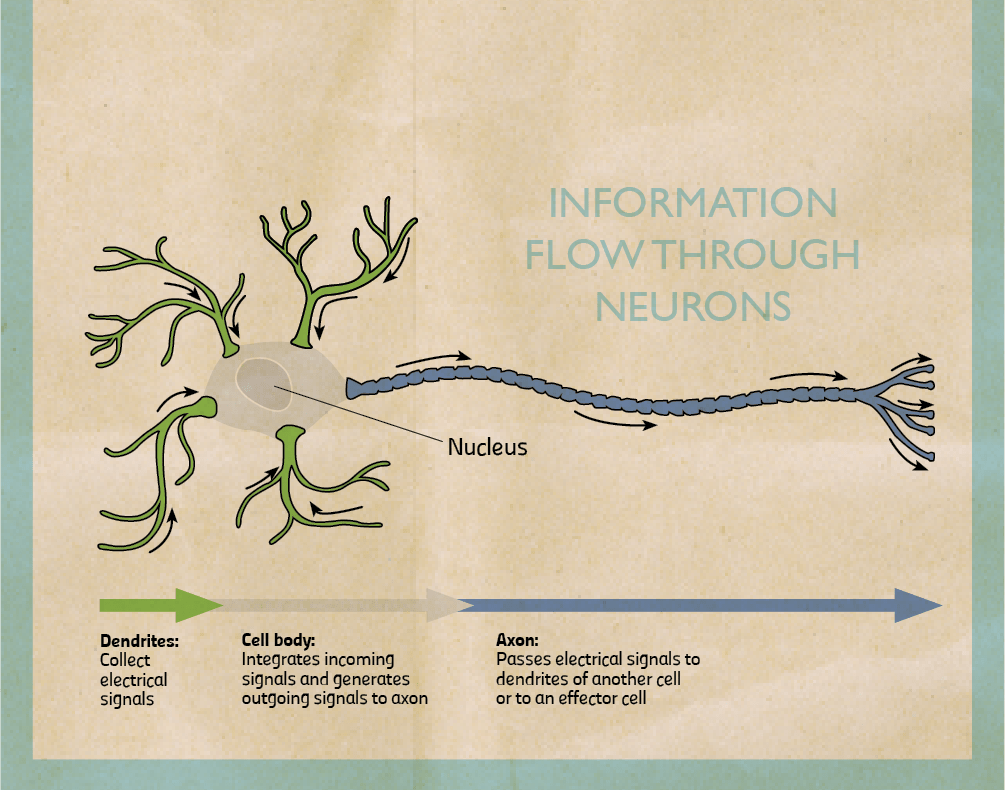
Alcohol does affect brain cells. Everyone knows that and it isn’t pretty. Alcohol can damage dendrites, which are delicate neural extensions that usually convey signals to other neurons. Damaging them prevents information travelling from one neuron to another — a problem. Luckily, the damage isn’t permanent.

Food safety is serious business. In Germany during 2011 a single bug hospitalised over 4,000 people causing 53 deaths. Scientists learnt afterwards that a strain of E. coli had picked up the ability to produce Shiga toxins. These natural chemicals cause dysentery or bloody diarrhoea. The bacteria were living on fresh vegetables and it took German health officials over a month to figure out which farm was responsible.
On the 2 May, German health authorities announced a deadly strain of bacteria in food. By the 26 May, they pointed their finger at cucumbers coming from Spain. They were wrong. The mistake cost the EU over €300 million in farmer reimbursements. Genetic tests found that the bacterium on cucumbers was different than the one which was killing people. The researchers continued to ask people who were infected what they ate: raw tomatoes, cucumbers, and lettuce remained the prime suspects. Till they tested organic local bean sprouts from a farm in Bienenbüttel, Lower Saxony. By the 10 June, the farm was forced to shut down after it was pinpointed as the source. The sprouts were contaminated from the seeds’ source in Egypt.
‘These bean sprouts are found in several ready-to-eat foods, you could have it in your sandwich and not realise that you’re eating it,’ said food scientist Dr Vasilis Valdramidis (University of Malta). This is the reason why it took German officials so long to find the source. Having to rely on people’s memory of what they ate before becoming sick, something as inconspicuous and mild tasting as a bean sprout can be forgotten. Precisely why industrial food safety is so important: it saves lives.
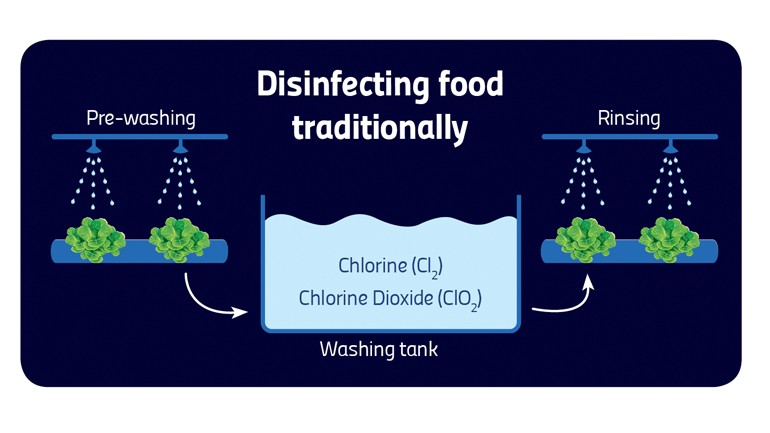
‘There is no natural sterile environment,’ stated Dr Valdramidis who studies new ways to disinfect ready-to-eat lettuce, cabbage, and bean sprouts to make our food safe. Most bacteria come from nature or during handling. ‘After harvesting, there are 3 different steps for processing fresh produce. First, they are washed to remove all external material. Second, there is the disinfection process. […] Third, they apply a decontamination treatment that most commonly is chlorinated water.’
Dissolving chlorine dioxide powder into water makes most of the industrial chlorinated water. Chlorine is found in tap water so is relatively harmless at low concentrations, but ‘the less we have of this chemical the better for our health, because there are some side effects,’ explained Dr Valdramidis. ‘It can react with the organic substances of food products and produce some compounds […] that aren’t healthy.’
The environment is another problem. Chlorinated water ends up in ground water or other water sources. Elevated levels of chlorine can decontaminate vegetables but also natural habitats.
Dr Valdramidis’ group works to reduce the amount of chemicals, water, and energy used. Fresh water is a precious resource with less than 3% of the world’s water being fresh. In Malta, pressures on fresh water use are intense and the country is facing a little known water crisis. Worldwide energy efficiency is a hot issue, with both environmentalists and industry pushing for greater efficiency and cheaper energy bills.
The herb oregano can be concentrated with its essential oils extracted. Surprisingly, at the right concentration oregano slows bug growth. Dr Valdramidis’ group is taking advantage of this antimicrobial effect to disinfect vegetables. ‘And it tastes better, but it depends on the amount; if you use too much it is bitter.’
The food industry’s bottom line is cost. ‘The extraction process is quite expensive but now the price is going down. [The food industry already] use oregano oil as antimicrobial agents in feeding products for animals. Their aim is to reduce the use of antibiotics. It [oregano] is becoming more and more accessible.’
Oregano oil might be more expensive, but it is a natural product that is non-toxic. Another advantage is that, ‘if the plant cells are relaxed then these essential oils can penetrate’ into the plant disinfecting it thoroughly. Once optimised, it could easily replace chlorine water, reducing the amount of damaging chemicals used.
Oregano could replace chlorine water, but what about the amount of water? Another technique, which uses sound to clean food, could help. Think about ultrasounds used to scan pregnant women. Those ‘operate on megahertz and create images, this [technology] operates on kilohertz and is powerful enough to create physical changes at a microscale’, which means they are high power systems. It works by pulsing sound waves at your submerged vegetable or fruit of choice. The sound creates bubbles that implode, creating a very high pressure and temperature. This energy can kill the bacteria. When Dr Valdramidis gets it right, it cleans the vegetable.
The process is even more extraordinary. The sound wave causes ‘a molecule of water to split and create [the molecules] hydrogen peroxide and other radicals, which are very unstable’ so they react with everything around them (including bacterial DNA), either becoming water again or attacking cells. ‘They affect the membrane of the bacterial cell,’ said Dr Valdramidis, ‘killing it.’ They can also damage plant cells, so the technique needs fine-tuning to get it right. By measuring the appearance, amount of vitamins, enzymes, and other nutrients lost by the procedure, researchers can tweak it to maximise its antimicrobial value and minimise its damage to the vegetable. To continue improving the technique a lot of his work is spent trying to understand exactly how the procedure works and why the bacteria die.
The ultrasound still needs water to work. Water cannot be removed from the equation because bubbles can only form in water and sound also travels better. Water quantity can be reduced. When using chlorinated water, another step is needed to rinse off the chlorine. In this case, it can be skipped. There is an even more radical technique that might bypass water altogether.
Plasma is made up of ionised air. In nature, plasma is made by lightning, leaving a tell tale ozone smell. Food scientists can pass high frequency electricity through air to create a bacteria-killing plasma stream.
Ionised air kills bacteria because it forms radicals and ozone. Electric discharges create radicals and turn oxygen into highly reactive oxygen radicals (an unstable oxygen atom) or ozone (3 oxygen atoms joined together). These products can react with bacteria and inactivate them. Like sound waves they can also affect food. ‘High levels of ozone can bleach food by oxidising the product. There is no ideal technology,’ stated Dr Valdramidis. The difficulty in all of this is how to kill the bacteria and not the plant. Everyone wants salads with a nice colour, good flavour, and high nutritional value.
On the other hand, the beauty of this technique is that you can zap the food in its packet. So imagine just rinsing the food with a little water, wrapping it up, and finishing off the cleaning process with an electric pulse. The package can be delivered to your local grocer with minimal use of water and your mind at rest. Both sound waves and plasma could also spell the end of excessive chemical treatments.

Measuring microbe levels is the only certain way to know if food is safe. Traditional methods are labour intensive, time consuming, and expensive. Scientists first need to remove the bacteria from the product, then dilute the bacteria, then count the cells directly with plate counting techniques or under a microscope. More modern techniques use molecular methods such as PCR (Polymerase Chain Reaction) to find out the specific type of bacteria. This can make a huge difference since not all bugs are created equal.
To reduce costs and speed up the process, Dr Valdramidis uses mathematical models to predict the shelf life of products and apply the right decontamination process. ‘We want to predict the amount of bacteria present, so with these equations we are trying to describe how fast the bacteria are inactivated then [how fast those that survive] grow,’ explained Dr Valdramidis. The number of bacteria predicts food safety and how fast it rots.
For mathematical modelling to work, first ‘data needs to be collected […] by performing some experiments. Then I try to describe how the population responds and behaves using these equations. If I can verify this model, then I can come to you and tell you, ‘look, this product has these specific characteristics, within the range of this model, I can tell you that it will expire in 15 days and you don’t need to do any experiments.’ It’s a very powerful tool but it has to be well validated.’ It saves a ton of money, but you must be sure of the model otherwise people could be harmed.
Current maths has its limits. Scientists are still trying to correctly model a single cell. Plant or bacterial cells are complicated machines, with proteins, DNA, and other molecules all jam-packed together working synchronously for a cell’s survival and reproduction. To make things easier, scientists simplify cells when simulating them then consider a whole group of them, a population. Researchers test the whole population. If Dr Valdramidis’ group attempts to model a single bacterial cell’s growth in Malta, he would have to use the University’s supercomputer called ALBERT. Maths on this level uses a lot of computational power.
Taking the cell modelling idea to its extreme, some food scientists are trying to model every plant cell to make a complete fruit — a virtual fruit. They model, ‘the exchange of gases and so on since fruit is still respiring, still alive after harvesting.’ To control the respiration process, they ‘try to control the amount of [the hormone] ethylene, oxygen gas, and so on.’ They also use these models to simulate modified atmospheres around food seeing how they influence respiration rates. Shelf life is affected by plastic packages with different holes sizes, types of plastic, and other parameters. All of these properties are pumped into the mathematical equations and tweaked to maximise shelf life. ‘If you slow rates down, the food lasts longer and can be stored for a longer period,’ explained Dr Valdramidis, which makes both companies and consumers happy.

Dr Valdramidis is young but has a long career in fundamental research. He has modelled and tested the rate of bacterial growth (and inactivation) at changing temperatures, and even investigated how to decontaminate biofilms in industrial food processing plants. Importantly, he has looked into quantifying and speeding up the analysis of microbial levels on food to give an actual ‘best before’ date. His approach always coupled experiments to test his maths and predictions.
Innovations in food science aim to bring down prices, use less water, fewer chemicals, and less energy. For these reasons, Dr Valdramidis is now at a stage where he can collaborate with industrial partners. In Malta, he has already met with the Chamber of Commerce through the creation of a Food Industrial Advisory Platform. With this platform ‘we plan to organise workshops every 6 months. Once to speak about our activities and another to speak about subjects that are of interest to SMEs [Small to Medium Enterprise, or industry].’ Malta is run by food SMEs; they account for 65% of GDP.
Researchers need to work with industry — a statement on everyone’s bucket list. Its importance cannot be understated, since it is unlikely that universities will receive substantially more research funds unless businesses start seeing these institutions as partners. And, they could save or make big bucks by investing in research. Dr Valdramidis’ work is a clear call for collaboration.
Working with others is what drew Dr Valdramidis to Malta. ‘I firmly believe in collaboration. A lot of my [research] publications are not just from the university I would be working in but others as well.’ By opening arms wide open perhaps we can prevent mistakes, like those of the German health authorities, invest in research that reduces waste, and cleans our food just by playing a song at the right energy.
[ct_divider]
Some of the above research is supported by a Marie Curie FP7-Reintegration-Grant within the 7th European Community Framework Programme under the project ‘Development of novel Disinfection Technologies for Fresh Produce (DiTec)’, and part-funded by the Malta Government Scholarship Scheme.


Assisted conception procedures arose as a type of treatment for infertility. They opened a whole new range of possibilities for couples that were unable to have children due to a variety of problems. Initially, the difficulty addressed was of blocked or absent fallopian tubes in women. This prevented the oocyte from making contact with sperm, hence preventing the formation of an embryo. Naturally, this also prevented an embryo from moving into the uterus, implanting itself, and developing into a foetus.
In vitro fertilisation bypasses tubes by obtaining oocytes from the ovaries and fertilising these oocytes outside the body (in vitro — in glass). The procedure became a reality in humans with the pioneering work of Steptoe and Edwards and the delivery of Louise Brown in 1974. She gave birth naturally in 1999.
“In our society, infertility is becoming more common and 8 out of 10 couples can experience problems”
With the further development of ICSI (Intra cytoplasmic Sperm Injection) it was possible to fertilise an oocyte (egg) with an individual sperm. This was a breakthrough therapy for men with low or absent sperm counts. 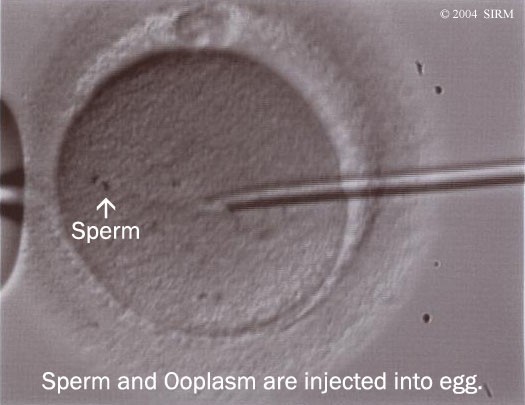 When sperm are lacking in the ejaculate, a doctor can retrieve them directly from the testicles, or the epididymis (a tightly coiled tube from the testes to the rest of the body). The procedure is known as TESA or PESA. In combination with ICSI, these techniques made it possible for these men to father children.
In our society, infertility is becoming more common and 8 out of 10 couples can experience problems. This simple statistic makes these procedures increasingly important. Nowadays, even couples with the most severe problems can become parents.
These procedures have been mixed in controversy from the beginning, with most countries allowing science to proceed within certain safeguards. This restrained approach allows for progress.
Regrettably, infertility still carries a large stigma. The thousands who have benefited from these and other simpler infertility procedures (they precede attempts for assisted conception) do not speak out. Normally they don’t because of how society would perceive them or their children.
IVF is a physically, psychologically, and financially demanding procedure. Couples normally only proceed after having spent a considerable time beforehand seeking help, investigating, and trying alternative simpler treatments. It is usually the final recommended solution to the problem.
IVF essentially means that fertilisation of the oocytes occurs out of the body. The oocytes are then fertilised with sperm and in a percentage of cases this is successful and an embryo starts to develop.
This article continues the focus on IVF from last year’s opinion piece by Prof. Pierre Mallia. Other local experts have been contacted and we are open for further opinions and comments from our readers.

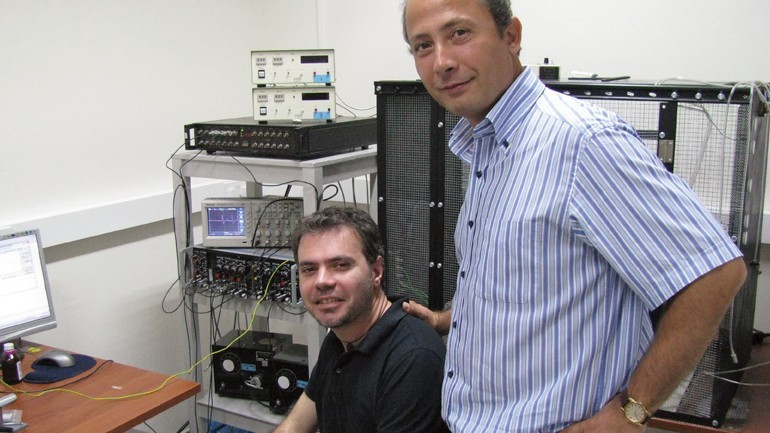
The winter rays of sunlight reflected off the snow upon Mount Maiella and the beautiful Adriatic Sea. They lit up the room where I was sitting with Dr Ennio Esposito (head of the Neurophysiology unit, Mario Negri Sud, Italy). On this cold day in February the light was blinding and it was difficult to make out my long time friend and colleague. Together we had studied the brain chemicals serotonin and dopamine vital for love, pleasure, addiction, and linked to depression — my research subject.
‘Ennio, I am tired and frustrated, I am increasingly convinced that our in vivo (whole organism) experimental approach is not the right one. There is too much variability in the results and if we really want to understand the cause of depression and find a new cure we need to get some reproducible data and change our tactic.’
“We still do not understand how many psychoactive drugs actually work, meaning that more research is needed”
At that time, I was using glass electrodes to study changes in the electrical activity of single neurons in brains. Additionally, I used a technique (microiontophoresis) that registers neuron electrical activity and also applies a very small amount of the drug. In this way, I could see which brain cell was active and how different chemicals might influence it. Surprisingly, though introduced in the 1950s, these techniques are still some of the best ways to study drug effects on a living brain.
My research focuses on the role of two brain chemicals, dopamine and serotonin, in mental disorders. When stimulated neurons release chemicals (neurotransmitters). I am interested in dopaminergic neurons which release dopamine and serotonergic neurons that release serotonin. Once released, chemicals can pass through the spaces in between neurons and bind to another neuron stimulating or inhibiting it. They bind on proteins called receptors. When they do, they trigger the cell to fire or shut down. By triggering certain neurons in our brains, they reinforce or change our behaviour.
Dopamine is involved in the pleasure pathway. It switches on for behaviours like emotional responses, locomotion, and reinforcing good feelings. Changes in the level of dopamine effect a person’s reward and curiosity-seeking behaviour, like sex and addictive drugs. On the other hand, serotonin seems to have a more subtle role. One of serotonin’s major roles is to modulate or control the effects of other neurotransmitters, such as dopamine. In the words of Carew, a Yale researcher, ‘Serotonin is only one of the molecules in the orchestra. But rather than being the trumpet or the cello player, it’s the band leader who choreographs the output of the brain.’ The belief that serotonin is the brain’s ‘happy chemical’, that low serotonin levels cause depression and antidepressants work by boosting it is a very simplistic view. In truth, no one knows exactly how dopamine and serotonin levels induce depression.
“I have spent my life trying to figure out the role of dopamine and serotonin in the brain”
A lot of what we do know is because of animal research. The animals used to model this disease are given antidepressants to try and understand how effective they are and how they work. By studying their brains we can start to comprehend what causes depression. Right now we do not understand the whole picture behind the causes of depression and patients end up receiving inadequate treatment. We still do not understand how many psychoactive drugs actually work, meaning that more research is needed.
Most drugs were discovered by chance while being used to treat other disorders. For example, the antidepressant Iproniazid was originally developed to fight tuberculosis.
After the researchers saw less depression in patients suffering from tuberculosis they started prescribing it to depressed patients. In another example from the 1950s, clinicians discovered the first tricyclic antidepressant while searching for new drugs against other mental diseases.
Today, we fortunately have a battery of drugs that can treat depression. Unfortunately, the best drugs on the market only completely alleviate symptoms in 35 to 40 percent of patients compared to 15 to 20 percent taking a placebo (a sugar pill), a fact not publicised in pharmaceutical ads. Another problem is that when people begin taking antidepressants, mood changes can take four weeks or more to appear. This delay in action is one of the major limitations of these medications since it prolongs the impairments associated with depression, increases the risk of suicide, the probability that a patient stops treatment, and medical costs. To tackle these problems pharmaceutical companies and academic researchers want to find more effective and faster acting antidepressant drugs.
Ennio and I, together with Vincenzo Di Matteo and other researchers at the Mario Negri have tried to resolve the antidepressant lag time enigma by studying rats. We first inhibited the levels of serotonin for 3 weeks using the latest Selective Serotonin Reuptake Inhibitors (SSRIs) named fluoxetine, sertraline, and citalopram. Then we measured the electrical activity of dopamine and serotonin neurons in rat brains. We discovered that the therapeutic effect of antidepressants is not only due to their capacity to restore a normal level of serotonin activity. It also induces adaptive mechanisms in the dopaminergic system (that releases dopamine) because of repeated treatment.
How do SSRI’s treat depression? At first, these chemicals only slightly stimulate serotonin release. Long-term treatment kicks in an adaptive process. The receptor type located on serotonergic neurons which inhibit serotonin activity become insensitive. Repeated treatment frees serotonin neurons from this ‘brake’. By repeatedly using these drugs (with a lag time of 2–8 weeks), the levels of serotonin being transmitted increase and stay high for a longer time which is responsible for the SSRIs antidepressive effect.
The perfect antidepressant could lie in blocking the activity of these receptors since there would be no major delay in action. This hypothesis was confirmed by Francesc Artigas and his research group (University of Barcelona). They administered pindololo, a drug capable of blocking these serotonin receptors, and observed an increase of the antidepressive effect of the drugs paroxetine and fluvoxamine. They worked by reducing the latency period. Patients on pindololo did noticeably better and the clinical data matched that from laboratory animals. Blocking this type of serotonin receptors can be a promising therapy to reduce the latency period and possibly, increase antidepressant action.
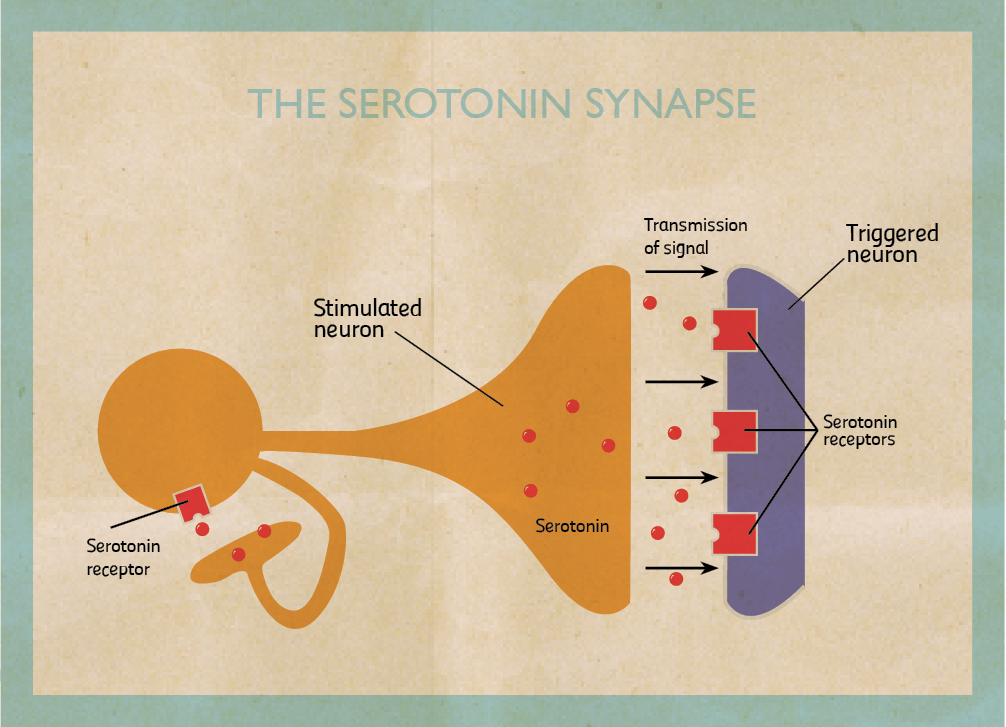
My colleagues and I formed an alternative hypothesis as to why the clinical effects of drugs are delayed for so long focusing our attention on the dopaminergic system. We showed that acute administration of different SSRIs reduces the electrical activity of dopaminergic neurons, which release dopamine. These drugs increase the levels of serotonin, which decrease dopaminergic neuronal activity (which release dopamine) by over stimulating another inhibitory serotonin receptor this time located on dopaminergic cells. The result? The drugs taken to cure depression paradoxically initially induce a reduction of dopamine, which is meant to be the neurotransmitter of well-being and happiness! Indeed, SSRIs can worsen the depression of patients in the first few weeks of treatment.
When the drugs are used over a long period of time (3–4 weeks), the initial reduction of dopamine reverses. The change happens because the repeated treatment reduces the sensitivity of this type of serotonin receptor on dopaminergic cells freeing them from their serotonin ‘brake’.
“All of our work has made it possible to consider new treatments of depression”
We think we have found the reason why SSRI antidepressants take so long to work. Two different serotonin receptors need to become insensitive to the level of serotonin in the brain, one found on serotonergic cells, the other on dopaminergic cells. Their insensitivity allows the activity of dopaminergic neurons to return to normal even though the serotonin activity has been bumped up.
Other labs have confirmed our results, which is vital step for a theory to become fact. Cremer and his team (University of Groningen, Netherlands) have shown that blocking the same type of serotonin receptor on dopaminergic cells in rats can improve the effect of SSRIs antidepressants. Ultimately all of our work has made it possible to consider new treatments of depression, which I am very happy to see.
Many questions remain unanswered about depression. The most urgent task is to find a more effective way to treat it. This is my goal, I have spent my life trying to figure out the role of dopamine and serotonin in the brain — with some notable successes. I hope to see the next generation of antidepressants which would improve the life of 121 million depression sufferers.
Ennio listened to me as I expressed my frustration after once again obtaining conflicting results in the laboratory. ‘Giuseppe’ he said ‘You are right, billions of neurons in our brain behave differently, but as Douglas Adams said, ‘If you try and take a cat apart to see how it works, the first thing you have on your hands is a nonworking cat. Life is a level of complexity that almost lies outside our vision’ (Hitchhikers Guide to the Galaxy). If we want to break the code of the brain and hope to treat its diseases we need to take a holistic approach that takes the whole brain into account.
[ct_divider]
Article dedicated to the prominent researcher Dr Ennio Esposito, Prof. Di Giovanni’s (Department of Physiology and Biochemistry, UoM) colleague and friend. In 2011, he died of a heart attack. During his last years, he suffered from a severe refractory bipolar depression. If interested in an M.Sc. or Ph.D. in biological psychiatry please contact Prof. Giuseppe Di Giovanni
TED talk about targeted psychiatric medications, similarly to Prof. Digiovanni borne on the realisation that current treatments are not good enough for everyone