

‘As Plato wrote, the deepest and most important things are learned only after much time and effort, by engaging in discussion with others, “striking upon” ideas and experiences together like flint until the spark of understanding is kindled within us.’ (Pope Leo XIV, Magnifica Humanitas, 2026).
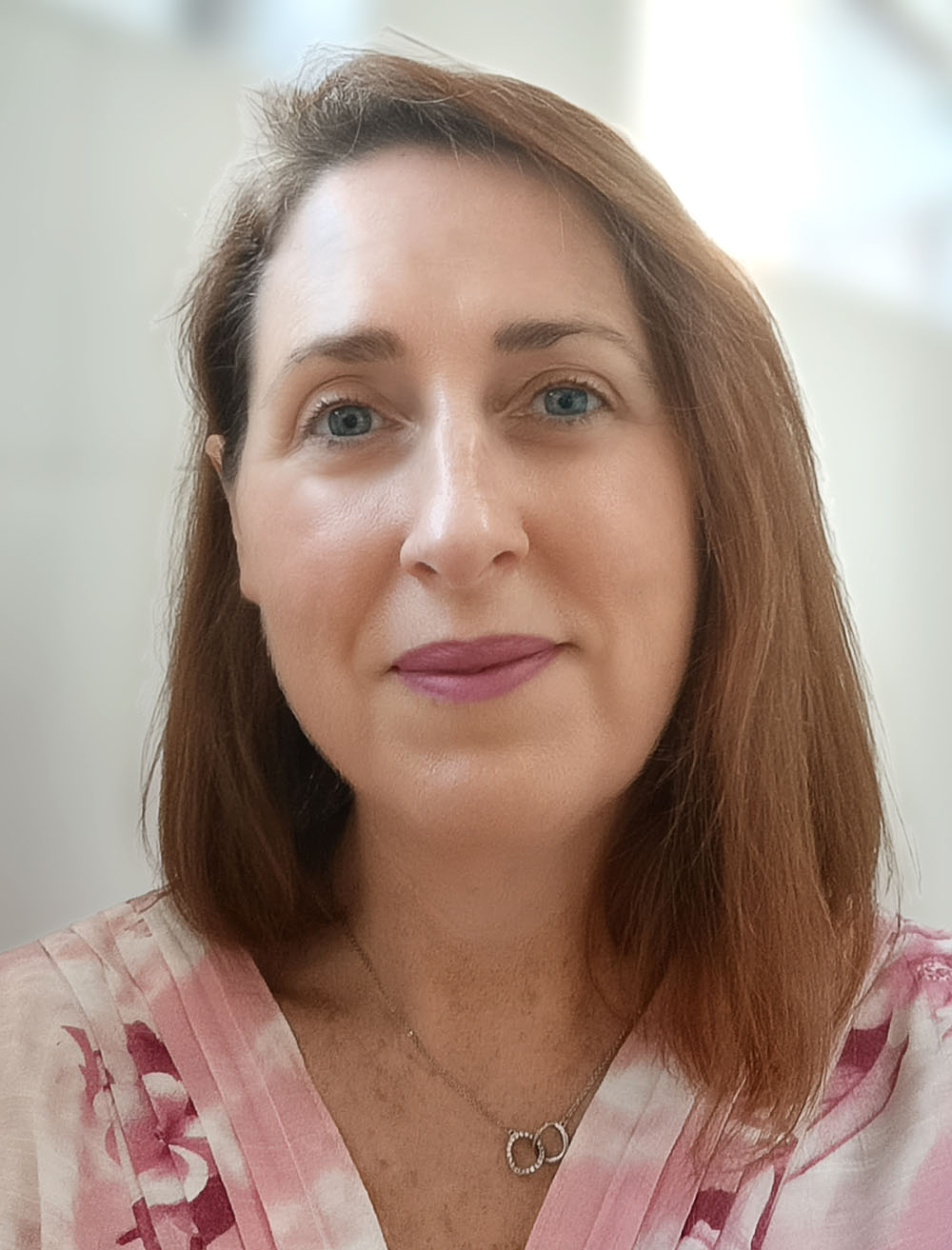
In his 2026 encyclical Magnifica Humanitas, Pope Leo XVI emphasises how we, as humans, hold the key to altering the trajectory of our increasingly fragmented society by focusing on what makes us human and on fostering connection, social awareness, curiosity, autonomy, and human progress. As a humanities degree student, I have become increasingly aware that the humanities and social sciences globally are potentially losing ground as universities grapple with how Gen Z approaches education. Technology is seeping into research and academic writing, and the shift towards labour-market facilitation rather than academic curation is changing the knowledge and learning landscape. Such shifts, however, are set against cultural biases in subjects and traditional, outdated academic structures, even as universities try to evolve.
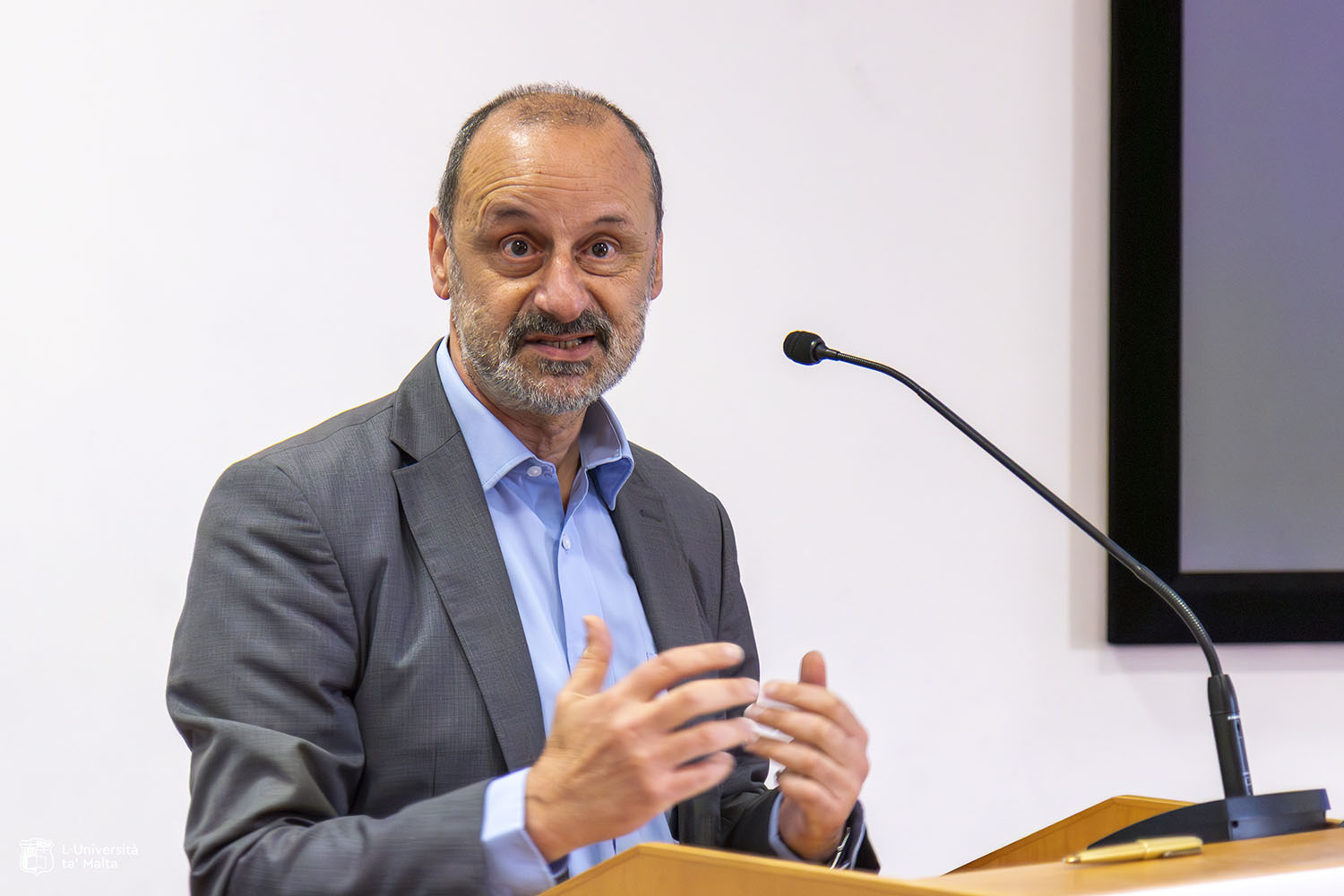
To unpack some of these concepts, I sat with Prof. Godfrey Baldacchino (Chair of the 3CL Foundation) from UM’s Department of Sociology and Dr Francois Zammit (Casual Lecturer) to consider the options within our University’s current structures. They also discussed how we can evolve within an ever-changing educational landscape by removing academic silos, thus creating a more student-centric approach.
Perceptions and Cultural Bias
Both Baldacchino and Zammit agree that the humanities and social science subjects are generally undervalued or perceived as ‘less important’ within Maltese society. This leads to a utilitarian view of education, as evidenced by stipend disparities between disciplines. This is becoming more apparent globally as universities target the arts, social sciences, and the humanities through departmental cuts, as is happening in the UK, or by reworking the national economic plan, as in China.
Placing an economic and labour value on learning naturally affects the cultural and sociological view of sectors receiving less promotion and fewer fiscal incentives. Current stipend payments for STEM students are €444.45 (every 4 weeks) compared to €135 for the humanities, including law. That said, according to Baldacchino, the incentives in question to date have not yielded higher numbers in those subjects. The 2025/2026 UM figures show that, for example, the Faculty of Engineering had 415 students registered, while that of ICT recorded 540 applicants. Law received 962 students, and the Faculty of Arts had approximately 1432 students across its courses.

Although humanities and arts subjects globally are being affected by the technology race, their scope remains popular. Tracer surveys also suggest that humanities graduates have no difficulty in finding employment. Within the Maltese context, this raises questions about the cultural and generational approach to education, versus the governmental and economic model being encouraged at tertiary level.
Zammit further explains how the current system tends to ‘funnel kids’ into specific career paths from a young age, based on career prospects or perceived aptitudes. As Baldacchino puts it, ‘The classroom and what happens in it have not really changed much since they were invented. Gadgets have increased, yes; yet the didactic relationship has remained basically frozen in time.’ One could consider that such a lack of change has, in fact, fed into today’s cultural perception of subjects.
Learning from Other Universities
At universities abroad, such as the University of Prince Edward Island, Canada, where Baldacchino is a visiting professor, students can – barring professional requirements for warranted careers – design their own degrees, mixing and matching study units across faculties and programmes, within the scope that timetabling and scheduling allow. By comparison, Baldacchino believes that the Maltese system provides a ‘nanny’ approach with preset courses that limit students’ opportunity to explore and delve into other subjects. However, it is worth considering that, within the EU context, the Bologna Process requires participating higher education institutions to provide courses that align with relevant prerequisite ECTS and educational credentials. And so, having students enter universities with an empty plate to feast on the bounty of course options might be difficult within such EU frameworks of structured collaboration.
However, UM’s Bachelor of Humanities, although less well known among incoming students, does facilitate a similar opportunity to tailor a degree to their interests. B.Hums students can build their own undergraduate course by registering for any study unit within the Faculty of Arts, based on their interests, career plans, or curiosity, subject to timetable availability. They graduate with a Humanities degree with up to 72 ECTS in one discipline and 45 in a combination of others, allowing them to explore outside the Faculty. At the same time, they remain within the framework for assigning ECTS credits. The ability to cross-pollinate subjects, faculties, and departments provides an enriching experience as well as a springboard for academic, social, and professional networks.

Most students I meet have never heard of this degree, have not been offered it as an option by school career counsellors, or come across it at open evenings in the run-up to selecting subjects post A-levels. As a parent, I would have welcomed such an option being showcased to my son as an alternative to the usual offerings of law, medicine, business, or engineering, which are forever highlighted. Most are envious of the diversity and micro-learning format I can avail myself of when compared to their preset structures.
To date, I have had the opportunity to study 33 subjects across four faculties and multiple departments, networking with countless students, professors, and professionals in various fields, including politics, anthropology, sociology, philosophy, AI, and creative writing. I am not advocating, nor are my interviewees, that there shouldn’t be specialities and courses that need a structured curriculum, such as medicine. It is about the broader knowledge, social awareness, and social impact that certain subjects can bring to the table – enhancing students’ educational experience and increasing opportunities. The humanities, social sciences, and arts engage students with the world around them to question how the world itself works.
Breaking Silos for Cross-Collaboration
In an ever-changing social and technological landscape, courses that offer a multifaceted approach by engaging the social sciences could break down the silos of the ‘other’. This approach would see those pursuing technology-related programmes of study, for example, gain a broader understanding of the impact of the technology they build and its repercussions on society and politics, simply by incorporating subjects that question and are embedded in social awareness. Simultaneously, humanities and social science students would move away from a widespread fear of numbers; and instead, benefit from some competence and confidence in statistical and analytical approaches.
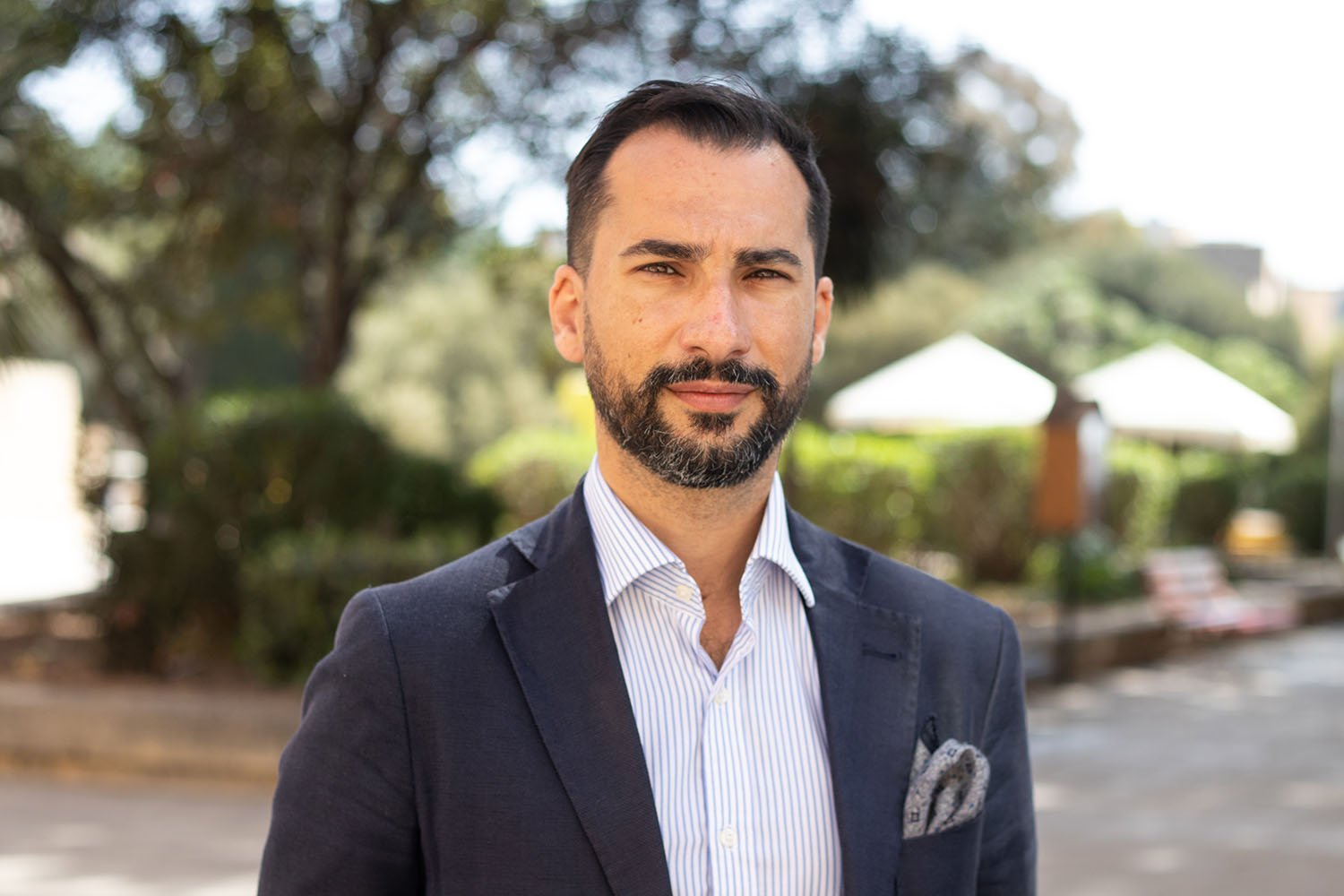
Zammit explains how ‘we have important notions that affect people’s lives, such as identity, social justice, and sustainability. The computer technician and the engineer are not trained in the conceptual tools necessary to question at a foundational level; that’s why the humanities and arts are so important – they can look at these topics differently.’ Within an educational framework, allowing these subjects to be part of STEM courses could provide a more multifaceted approach and vice versa. Once again, UM is already partaking in such a collaboration through its STEAM programme and could potentially build on that within the wider University landscape of subject collaboration.
Baldacchino notes that cross-collaboration has existed in the past, recalling a collaboration between art, art history and chemistry looking at the composition of paints for restorative work. Those students are now the experts in the field of restoration in Malta. Dual degrees are offered, and subjects such as the Philosophy of Technology or the Sociology of Health, Illness and Medicine dip their toes into other fields. The Centre for Liberal Arts at UM offers a highly successful micro-learning programme, a concept actively supported by the EU within its micro-credential policy frameworks. Zammit and Baldacchino agree that universities were not historically meant to be ‘overspecialised’ and were rather conceived as pan-epistemes: centres of knowledge and cross-collaboration.
The Future of Universities
As society becomes more digital and the incoming cohort of students approaches learning differently, universities must adapt to survive. Students’ priorities vary: some want a professional qualification, such as law; others an academic experience; and some are there because they have been accepted. For others, it is not a priority; their jobs fund their lifestyles, and that comes before studies.
Baldacchino suggests ‘letting the market work’, where student demand drives change towards a broader range of subjects within courses. However, I would argue that institutions are slow to change; as such, student demands cannot be met in real time. So, for which students is the market working?
But what of the elephant in the room? Traditionally, professional subjects such as law offered students a sense of job security at the end. AI progress may challenge this perspective on degrees. Consequently, what is the true value of any degree, including STEM, which students often see as a job guarantee? The world of technology is fast-paced, and no job is truly guaranteed in an uncertain world. Uncertainty and fear create bias. As such, silos form as each department protects its own area of expertise rather than recognising the value of cross-pollination.
Additionally, the reality of the workplace shows that it seeks more than a degree. Employers consistently argue that they want soft skills, the ability to apply logic and reasoning, to ask the right questions, social awareness, the ability to pivot, and cultural awareness of their markets. In a recent 3CL interview, Brian Azzopardi, head of AI at Soft Swiss, said, ‘When I interview someone, I stop looking at their university degree’; he wants to see how a candidate can discuss a subject, apply logic, hold a conversation, and display social awareness. Anthropic is actively employing philosophers because its engineers lack those skills. By encouraging cross-pollination of disciplines, where each feeds off the other, such soft skills and deep knowledge can be developed in the pursuit of excellence. It is not about one being more valuable than the other; it is about the value they offer each other in the long term beyond university.

A bigger question, as put forward by Zammit, is ‘what kind of alumnus do universities want to send out into the world as representatives of their institutions?’ Well-rounded, diverse individuals able to engage with social issues, individuals who question and benefit society while building a successful life on a solid academic foundation? Or someone who follows the trend, afraid or unable to question, uninterested in wider social issues and unable to engage?
Third-level education’s aim should be to send graduates out into the world with a toolbox filled with curiosity, experience, skills, and a variety of knowledge they can apply in multiple scenarios, dipping into when needed. With subjects divorced from the reality of the workplace and the wider need for graduates to have relevant soft skills alongside knowledge, traditional university course structures risk their own downfall, especially when faced with a new kind of student and shifting employment landscape. This is not a new idea and has been highlighted in various media such as Time Magazine, The Financial Times, The Guardian and economic research bodies such as the McKinsey & Company Study. The pursuit of excellence should not just be about gaining a degree. Students are seeking value and purpose, either social, personal or professional, from their education, which is lost within the current disconnection between education, social wellbeing and the labour market.
In his Magnifica Humanitas, the Pope addresses this directly, noting that ‘in universities, the principal challenge lies in the integration of knowledge, cultivating both the capacity to connect and synthesise knowledge in order to grasp complexity and the skills necessary to verify facts.’ What is that if not the key skills provided by the humanities and social sciences, combined with other disciplines across diverse university programmes? If so, then the humanities and social sciences are far from redundant and unnecessary: rather, they may hold the key to a human future in the imminent AI world.
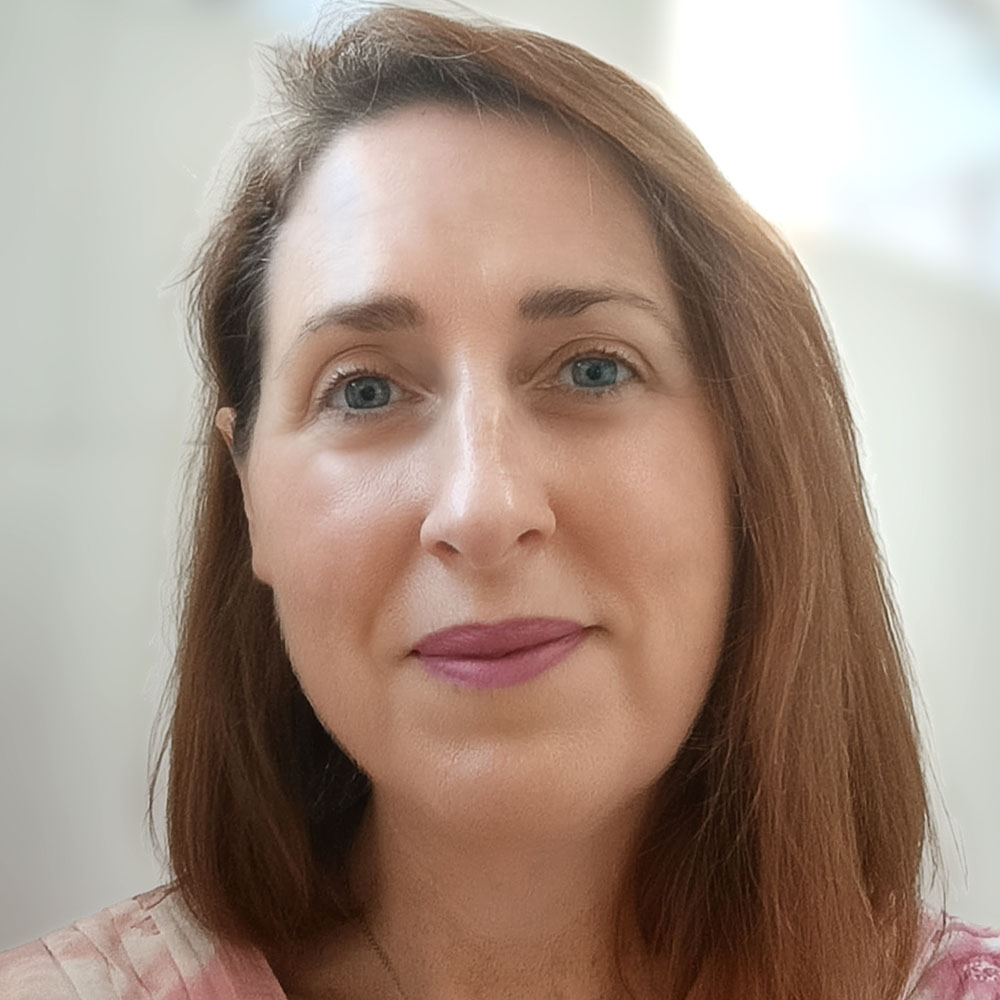
Patricia Mary Mallia is a student with UM’s Department of English. This article was prepared in partial fulfilment of Creative Writing 2 under the supervision of Dr Aaron Aquilina.


Comments are closed for this article!