

When systems stop working in the interest and favour of all, staying quiet can feel impossible. Across Malta, many young people are beginning to step forward because something inside them refuses to remain silent when faced with injustice. THINK meets with two young activists to learn why, despite everything, they choose to keep going.
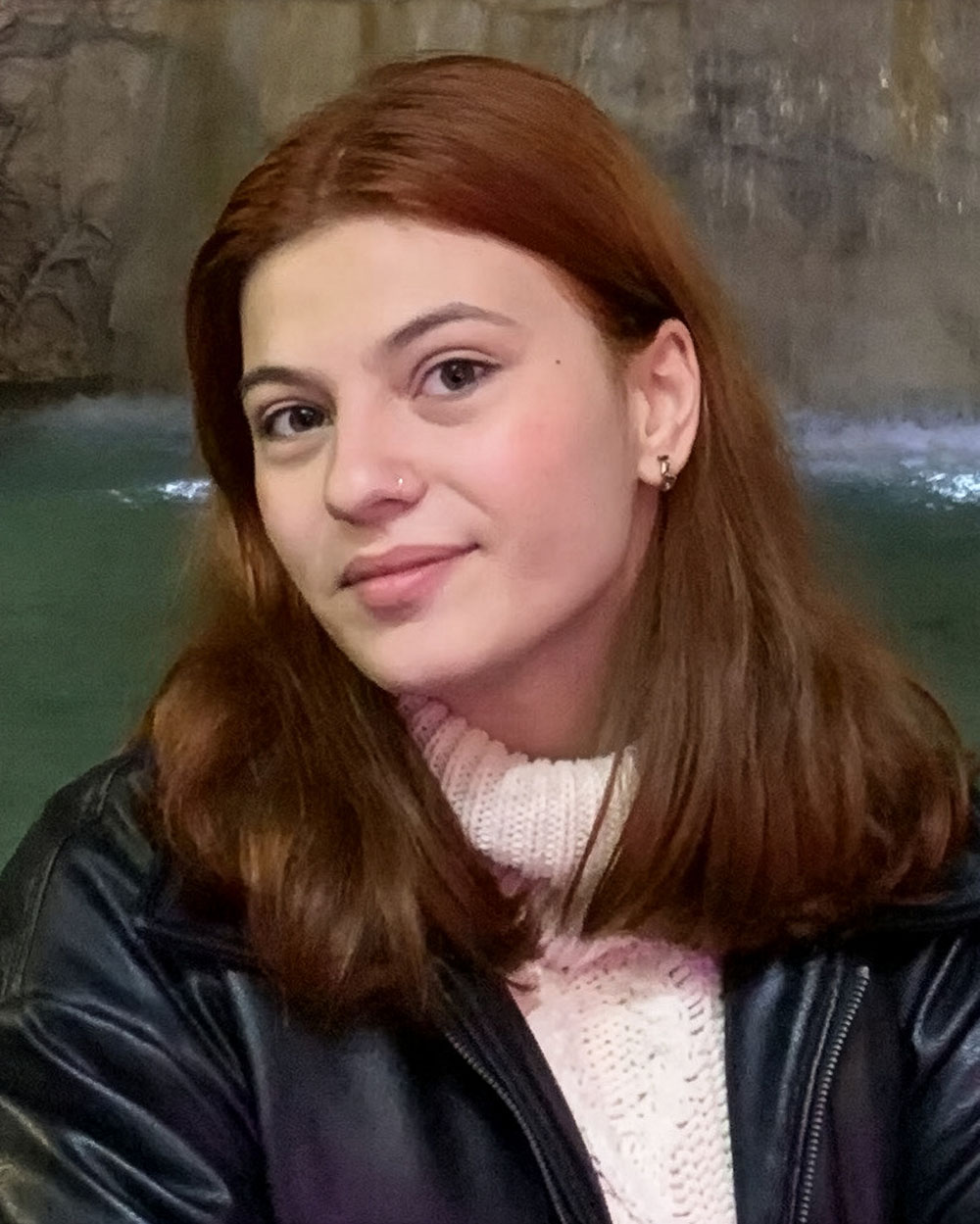
For student activists, activism rarely begins with a strategy. It begins with a feeling – frustration, anger, and a realisation that something is wrong. Waiting for change no longer feels like an option. This shared sense of justice and fight for it can be seen across youth-led movements, from cases like the Arab Spring, when young people came together against authoritarian rule, to the global climate strikes led by students demanding action to protect the planet. In each case, activism emerged from a collective realisation that silence was no longer acceptable.
Young people are choosing not to look away, whether they face inequity themselves or witness it in someone else. Instead, they are turning to activism as a way of taking back a sense of control – a way of saying that injustice should never become the norm.
Activism as a Response to Injustice
Activism often emerges when trust in institutions begins to erode. In Malta, young people confront social injustices daily – from discrimination against LGBTIQ+ communities and restrictions on bodily autonomy, to environmental degradation and dangerous construction sites. In cases where legal systems move slowly or fail to respond altogether, activism becomes less an ideological choice and more a form of resistance.
For a 22-year-old university student, activism began in a place most people take for granted – a university bathroom. As an LGBTIQ+ person himself, Jake* recalls, ‘When all-gendered bathrooms were first built in the university, there was a huge hate crime issue inside of the actual bathrooms.’ Walls were repeatedly vandalised with hateful messages and slurs, reminders that even supposedly inclusive spaces were not fully safe. ‘Every time I walked in, it felt like an attack,’ he says. ‘People were constantly plastering negative and anti-LGBTIQ messages inside the bathroom stalls.’
In response, Jake joined Respect Me, a student-led initiative that countered hate with visibility and care. The campaign consisted of written Post-it notes with positive affirmations, which were put on the bathroom walls every day for a whole week. He also designed posters and made an online campaign to spread the word. The goal was to reduce the hateful messages that were previously written and replace them with positive ones. ‘Luckily, it worked. Although there was someone who would write over our notes, we would just come back and put them back on the walls.’
Over time, the initiative gained more attention, and the vandalism decreased. For Jake, the experience was transformative. ‘The campaign ignited my flame for a better world. It felt like I did something that changed someone’s day,’ he reflects. ‘Even something as small as going to the bathroom without feeling attacked – that mattered.’ Since then, activism became something personal to him.
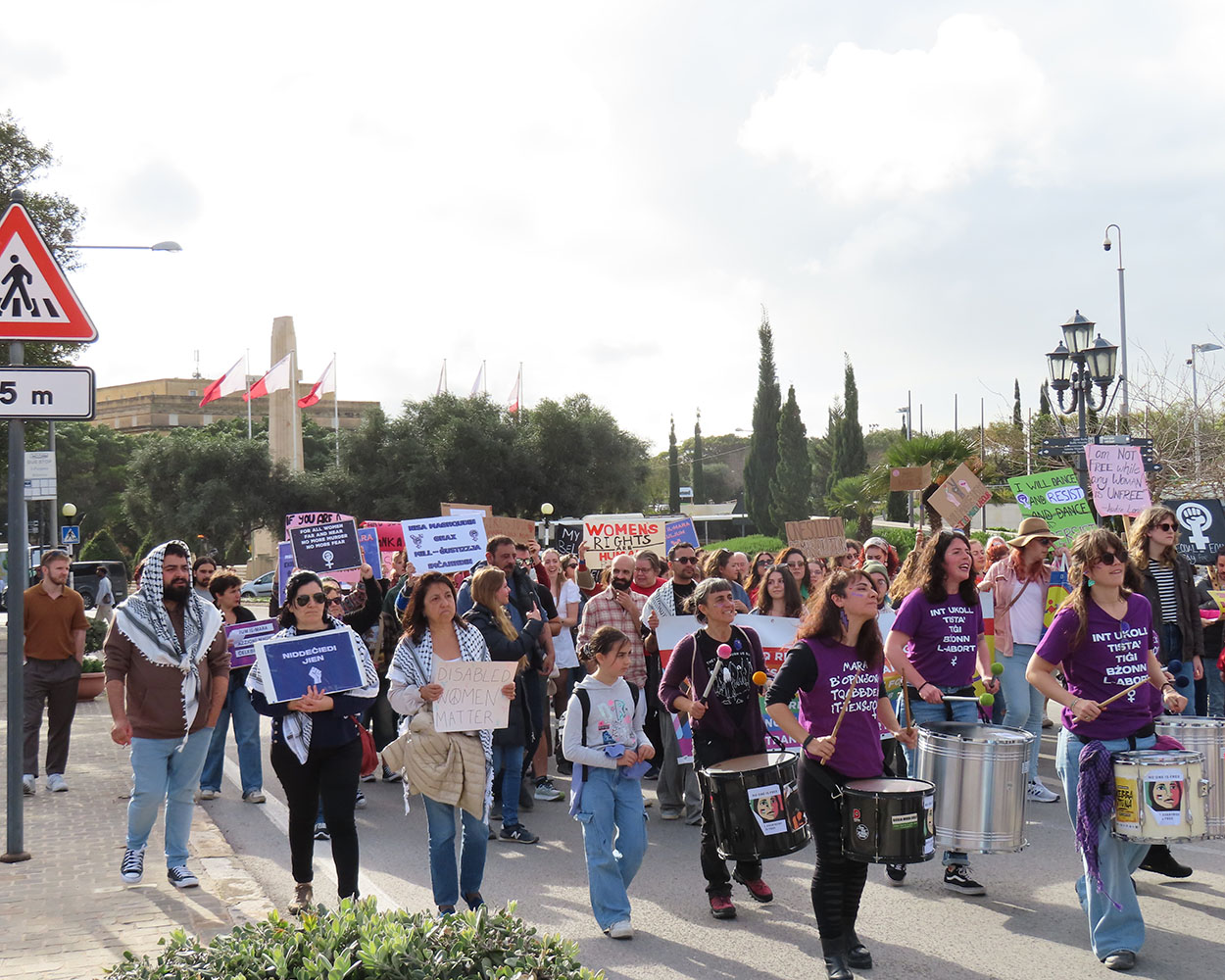
For Jazmin, a 26-year-old university student and active volunteer at Malta LGBTIQ Rights Movement, activism has never been about a single issue. It is rooted in a broader understanding of injustice, one that extends beyond borders, identities, or direct personal experience. ‘There isn’t just one issue that feels personal to me,’ she says. ‘It’s all personal. No matter if it affects you directly or people who live in the same place as you, it’s automatically personal.’
She speaks openly about privilege, particularly what she calls ‘geographical luck’ – the accident of being born into relative safety. For her, that awareness carries responsibility. ‘A few years ago, I remember seeing a video of a boat of immigrants coming to Malta in the middle of the night.’ Jazmin recalls seeing in the video a crowd gathered onshore, waving Maltese flags and shouting racist slurs. The migrants, misreading the hostility, waved back, thinking they were being welcomed.
‘It was extremely hard to watch a video like this,’ Jazmin recalls. ‘You have to be heartless to see a boat full of distraught people looking for a safer place and not feel terrible.’ That incident made something very clear for her: injustice does not need to touch you directly to demand a response.
She also reflects on Malta’s legalisation of same-sex marriage in 2017, a moment of celebration that was followed by a quick realisation about the world around her. ‘With every win, you remember how much control governments still have over people’s bodies,’ she says. ‘And how many people elsewhere are still struggling with the very thing you are celebrating.’ Activism, as she explains, exists in the tension between progress and regression, hope and exhaustion.
Why Activism in Malta Is Especially Difficult
According to academic and activist Louiselle Vassallo, activism in Malta is shaped by scale, culture, and power. The country’s small size creates visibility that can be intimidating. ‘Everyone knows everyone,’ she explains. ‘That makes people think twice before speaking up.’
Yet, activism is an essential part of democratic participation. When institutions fail, it is up to the public to stand up for what is right. ‘Activism shines a light on issues that are being ignored or deliberately sidelined,’ she says. ‘It’s a way of holding people in power accountable.’
However, holding people accountable often comes at a personal cost. Malta’s highly polarised political culture makes independent activism difficult. This environment fosters self-censorship, which manifests as a fear of social or professional repercussions. For many, activism feels risky not necessarily because of physical danger, but because of the tight-knit relations on the island. ‘Wherever you turn, there’s going to be somebody you know,’ Vassallo says. ‘You are going to step on someone’s toes – toes you have met, or will meet, at some point in your life.’
When speaking on the challenges faced by young activists, Jake points out, ‘Physically, protests here are relatively safe; the real challenge is psychological.’ Fear of being recognised and judged often keeps people silent. But persistence is crucial. ‘If you show up once and expect change, you’re going to be disappointed,’ he says. ‘You have to be there again and again.’ He argues that numbers matter and that visibility itself is a form of pressure. ‘Sometimes you’re just shouting,’ he admits. ‘But eventually, people in power have to listen.’
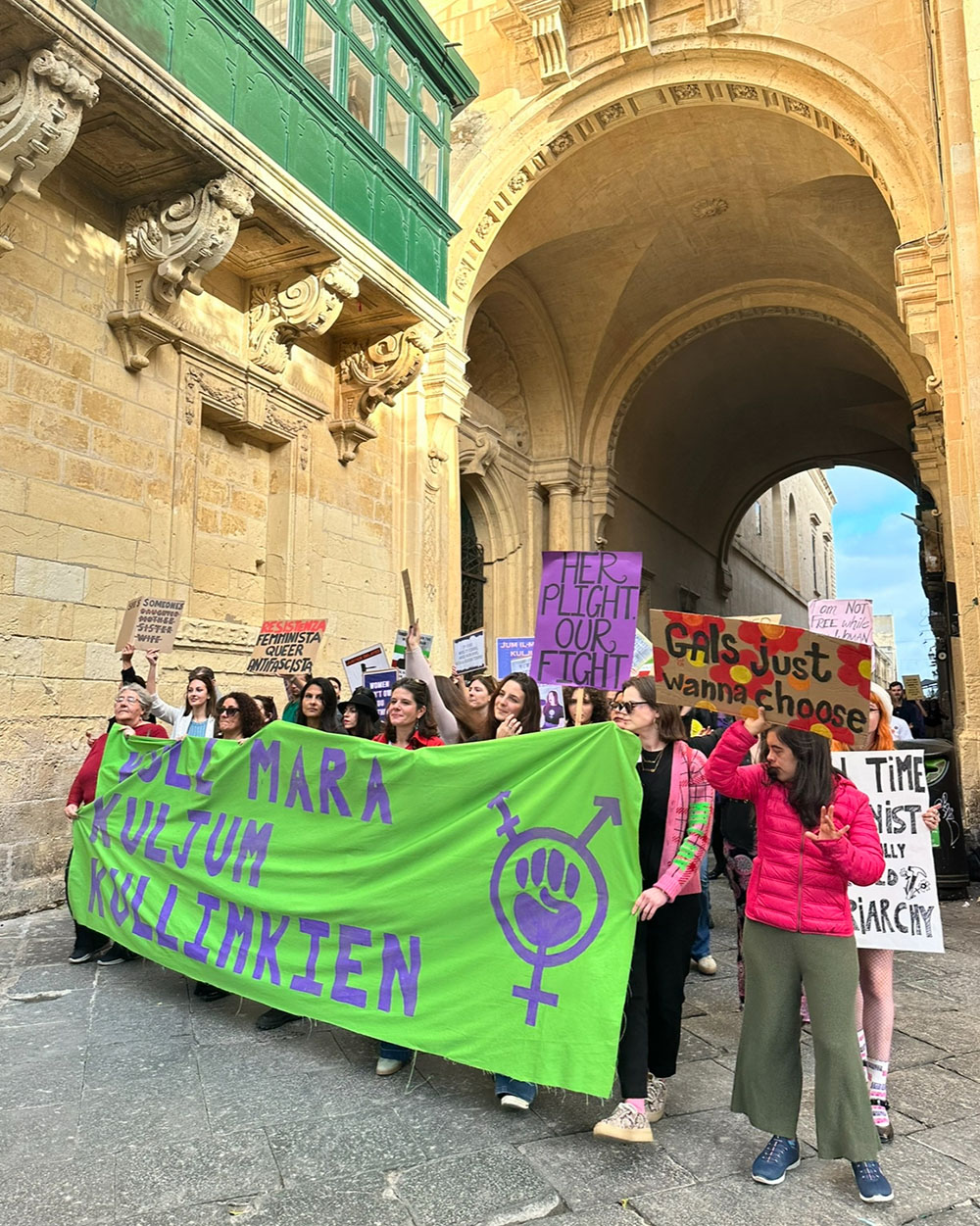
For Jazmin, the challenge lies in the emotional toll of the constant fight for change. ‘What I find hardest is how many people are quick to post racist, misogynistic, and homophobic views,’ she shares. ‘It’s especially disheartening when those voices come from young people, not just older generations.’ What keeps her going are small wins and strong communities. ‘Activism becomes part of who you are,’ she reflects. ‘When you see people being treated unfairly, standing up feels like the only option.’
Why University Spaces Matter
Within this context, the University of Malta plays a critical role as it offers the intellectual tools and communal support to people who want to make a change. Vassallo argues that education should never be detached from social responsibility. ‘Research and learning should inform policy and improve society,’ she says.
Academic environments encourage critical thinking, empathy, and evidence-based argumentation. These are essential skills that strengthen activism and make it harder to dismiss. Both activists credit their activism with developing confidence, communication skills, and a broader understanding of political and legal systems. More importantly, it has given them a sense of purpose beyond their studies. ‘Activism stops you from being cocooned in your own world,’ Vassallo explains. ‘It connects you to a community.’
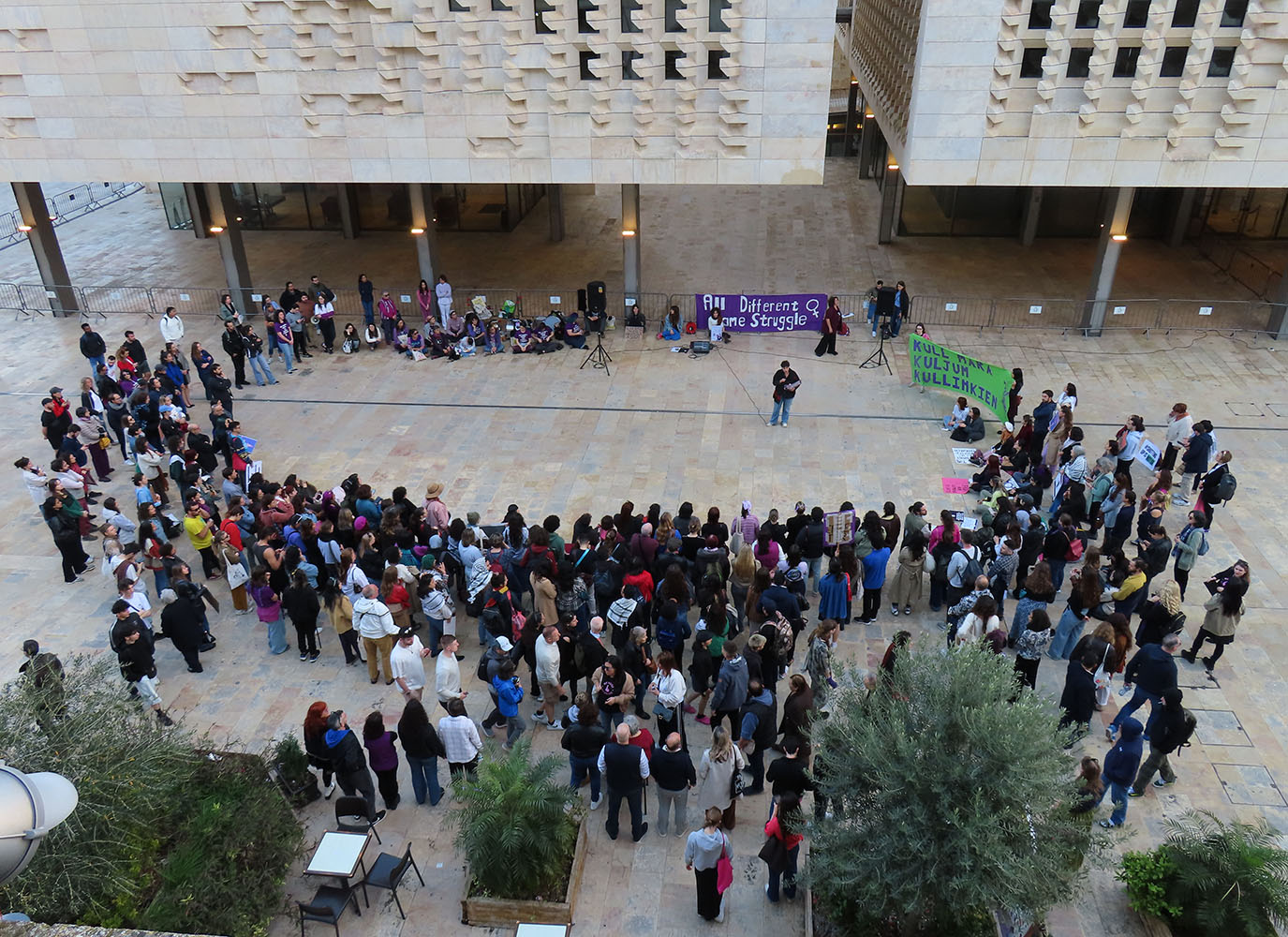
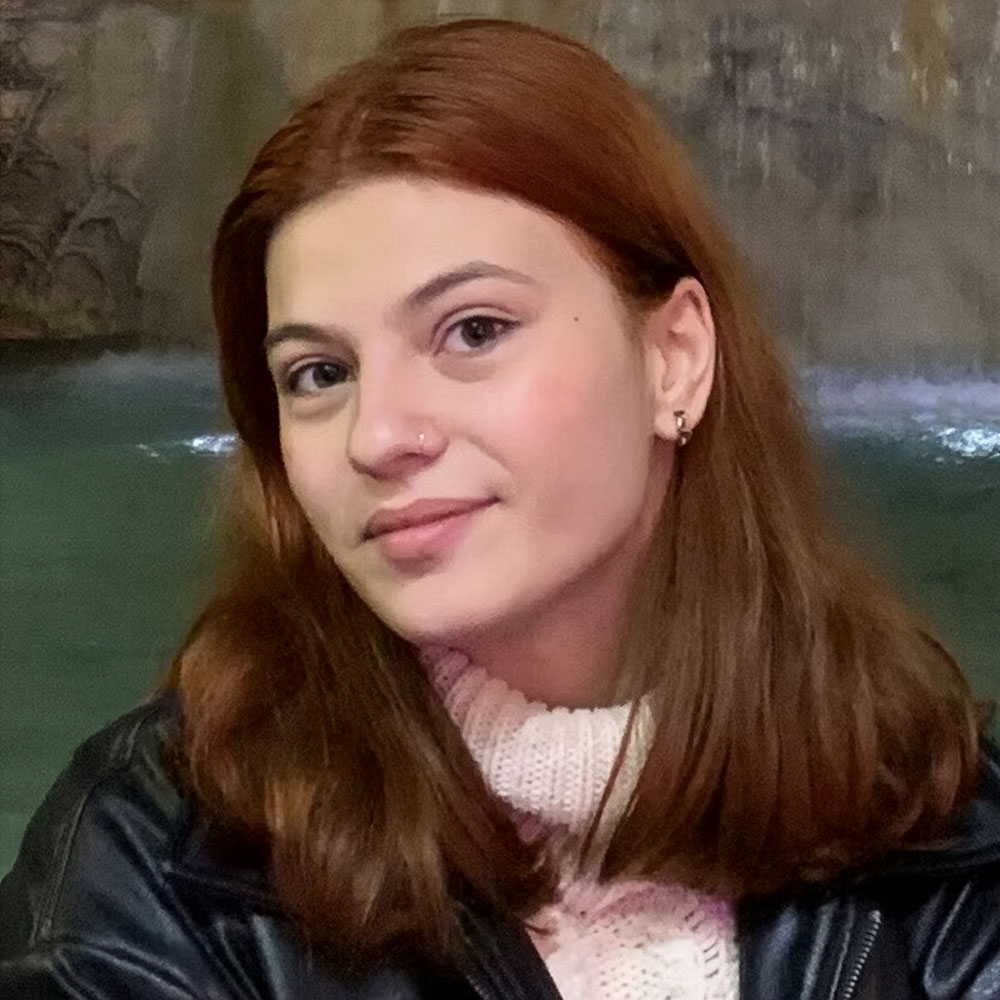
(Photo by Tsvetomira Todorova)
A Refusal to Accept Injustice
Being an active citizen and speaking up for change is rarely glamorous. It is often exhausting and emotionally draining. But it is also deeply human. When institutions fail, activism becomes a way of reclaiming agency, a refusal to accept injustice as inevitable. For young people in Malta, it is not about being heroes but about being responsible. ‘You don’t need to lead a movement to make a difference,’ Jake says. ‘Even showing up matters.’
Change rarely begins with institutions. It begins with people who refuse to look away and who choose action over apathy, and care over silence.
*The name has been changed for the sake of anonymity.



Comments are closed for this article!