
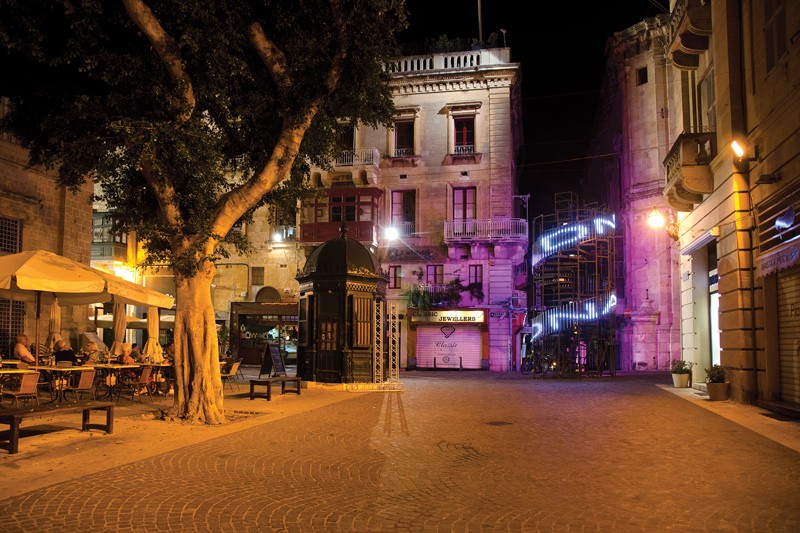
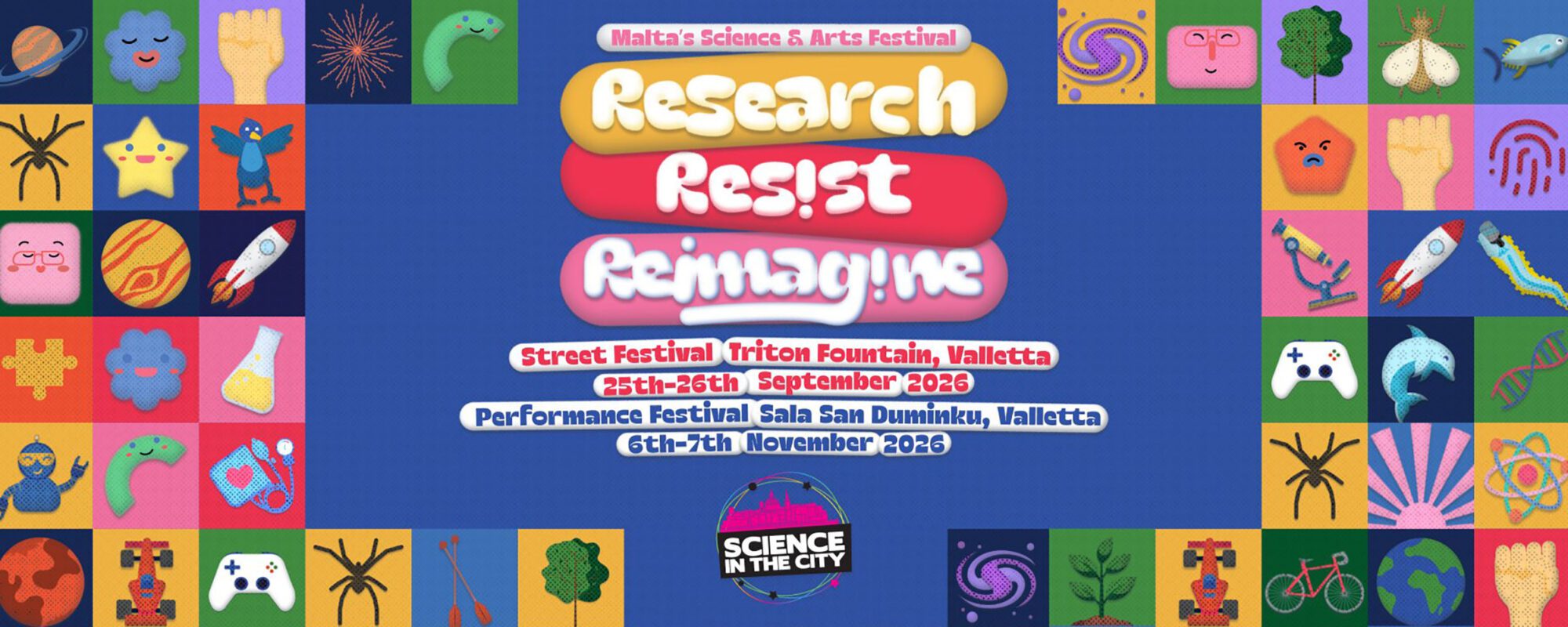
 On the 28th September, Malta’s Science and Art festival launched to over 12,000 people, as part of the EU-wide celebration Researchers’ Night. Science carnival parades, busking, art installations, performances and more filled Malta’s capital with over 20 events — bleeding into the Notte Bianca festival. Science and art are usually seen as two separate cultures. Some humanities branches have directly rejected it, but other fields are embracing science. In Malta, top artists leafed through books, or had a chat with University of Malta scientists to find sources of inspiration (or criticism). Valletta became filled with giant fruit flies and DNA strands (Climbing your DNA). You could even have sat down, had a coffee, and pondered why there were acetate brain slices hanging in front of Malta’s National Library. The city could be viewed through a different lens for a few days.
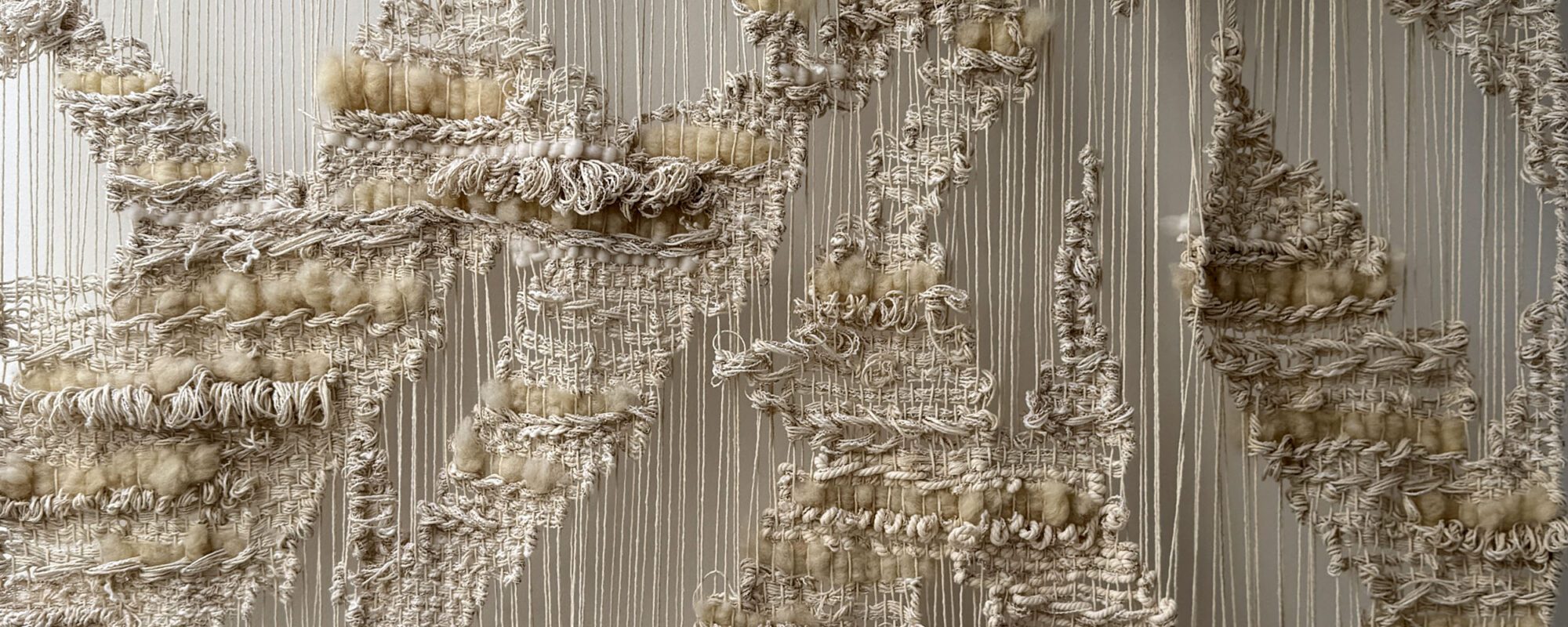
There are other ways science and art can interact. Science and technology can be used to explore art and analyse it. Van Gogh’s Sunflowers was recently examined by chemists, identifying why the pigment was becoming a mucky brown, shedding insight on how to reverse the degradation and bring back the artist’s true vision. Artists and scientists can come together to collaborate on new research. Recently in Ireland, a weaver visualised a large data set by making a huge tapestry. The scientist then analysed the giant carpet to interpret her data. Art can also be an excellent way to explore the ethical implications of science — its potential harm, benefit or relation to society.
Science in the City was simply a start that dipped its toe into this new pool. It saw researchers and students combine their efforts with artists and performers to bring together a range of events (read about Alexandra Fiott’s experience on pg. 23). Nine scientists appeared live on prime time TV to talk about their research with prominent entertainers Angie Laus and Pawlu Borg Bonaci. From within large crowds, science students performed science demonstrations, while MCST (Malta Council for Science and Technology) held a highly successful science fun fair for kids, with another kids activity at Auberge D’Italie by MARes (another EU funded project). Scientists met politicians at Science in the House organised by the Malta Chamber of Scientists. There were talks on the health benefits of local honey by Simone Cutajar (science graduate), mathematics and piano recitals by Tricia Dawn Williams, electronic and flute performances from Italy with compositions based on the Chaos Theory that explains hurricanes, and a bit more. The big night was followed up by talks and discussions. Ira Melkonyan spoke about the new field of BioArt while there was even a discussion on human cloning after the play A Number by Caryl Churchill. Over the next few pages, THINK has selected the major artworks created for Science in the City.
Words by Dr Edward Duca, full disclaimer: author is the project manager of Science in the City.
Part of Science in the City, Malta’s Science and Arts Festival
For more stories click here
Find out more:
– HOW?
– DESTROYING BOUNDARIES THROUGH SCIENCE IN THE CITY


Comments are closed for this article!