
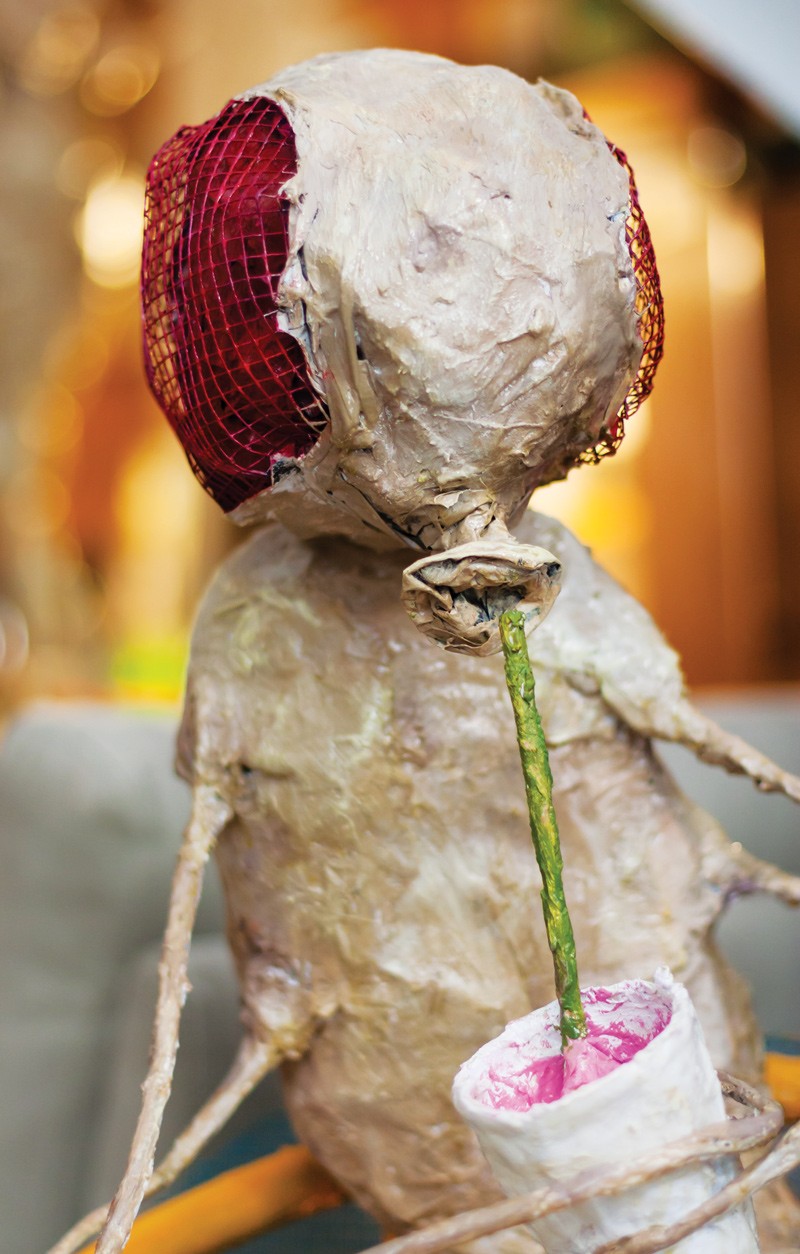
An interactive exhibition in the upper galleries of St James Cavalier aimed towards adults and children. It ran from the 28th September till the 28th October as part of the Science in the City festival. The exhibition brought science and art together with local artists exploring various scientific phenomena. How does the human mind work? How can a fly be compared to a human or be useful towards the future of the human race? How is a child born with a deformity? How does something stretch but get fatter?…
Each artist reflected on scientific research, and had the opportunity to work with Maltese scientists in their chosen area for inspiration and accurate results.
Exhibition Sponsors: St James Cavalier, Nexos Lighting Technology, Malta Arts Fund
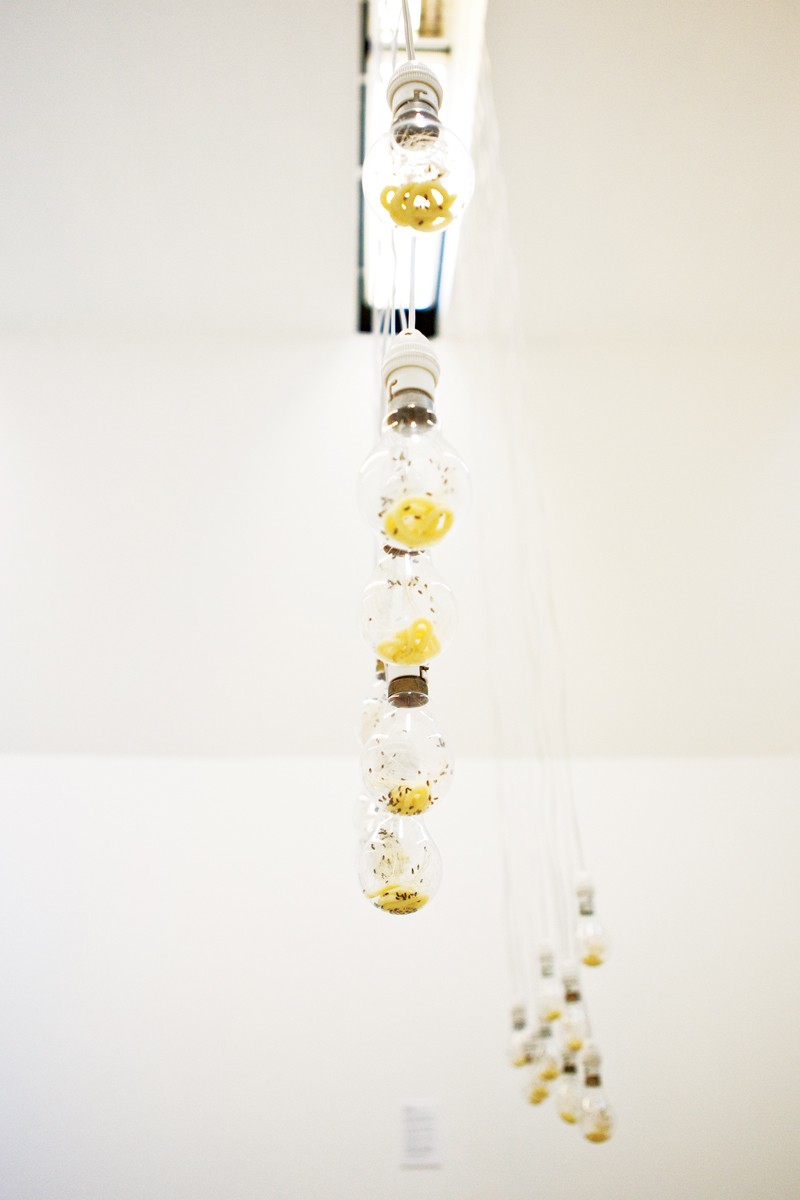
How to get rid of fruit flies?
Sarah Maria Scicluna. Scientists consulted: Dr Edward Duca and Dr Ruben Cauchi who studies muscle wasting diseases using the fruit fly
Fruit flies are commonly viewed as pests by the agricultural industry and in households. Scientists view these insects differently, having studied them for over 100 years. They’ve found out how organs develop, how genes are inherited and learn more about obesity, diabetes and muscle-wasting diseases — these killed Chinese chairman Mao Zedong. At the University of Malta, Dr Ruben Cauchi is studying similar muscle-wasting diseases. Fruit flies share around 70% of human genes that cause disease, allowing scientists to use fruit flies to understand ourselves — an ironic twist.
The fruit flies used for this work were housed in lightbulbs modified to provide them with everything they needed to survive. The flies were flightless mutants, since their genetic code had been altered to stunt their wing growth. The mutation provides irony to its name and renders it unable to survive in the wild.
The techibots
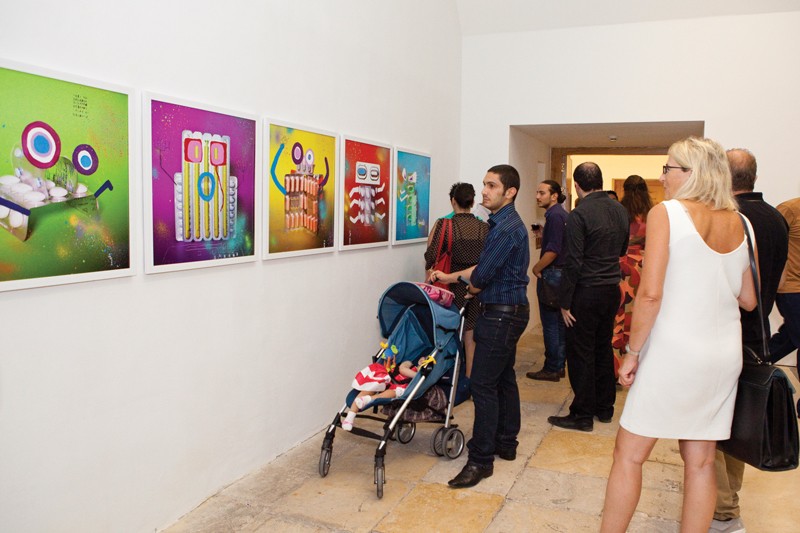
Elisa Von Brockdorff
Say hello to the TechiBots! Technology is a welcome element to contemporary living, yet it can often create a society dependent on it. It can transform man into ‘programmed’ creatures, on which many decisions, procedures and strategies are often based. Systems collapse once technology fails, even momentarily! Agitation and anxiety soar!
Inspired by George Ritzer’s McDonaldization of Society, the TechiBots are constructed out of pill sheets, utilizing the structured material element as a basis for this rampant creature.
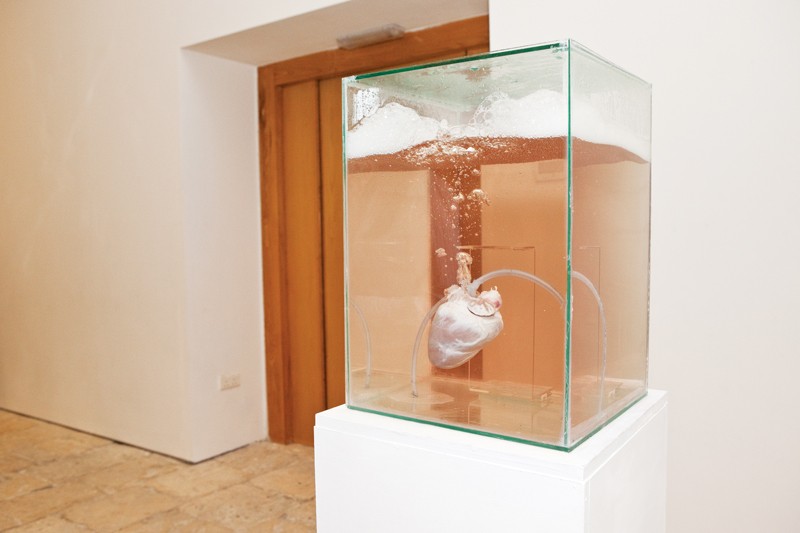
O Ye of Little Faith (heart)
Matthew Farrugia
We all need a heart to live. Your body dies within minutes if it stops. The heart is mostly pure muscle, it is around the size of your fist, and located a little to the left in the middle of the chest. The heart’s job is to pump blood around your body to provide oxygen and nutrients.
This responsibility leaves the heart prone to complications. The most common complication is heart failure, which is when it cannot pump enough blood to the rest of the body. Most of the time this is because of a heart attack when blood flow is blocked, which is the most common kind of complication. Other more severe heart diseases include Angina which is when the heart isn’t getting enough blood, giving a severe pain in the chest.
The Human Brain: The only known structure that can study itself

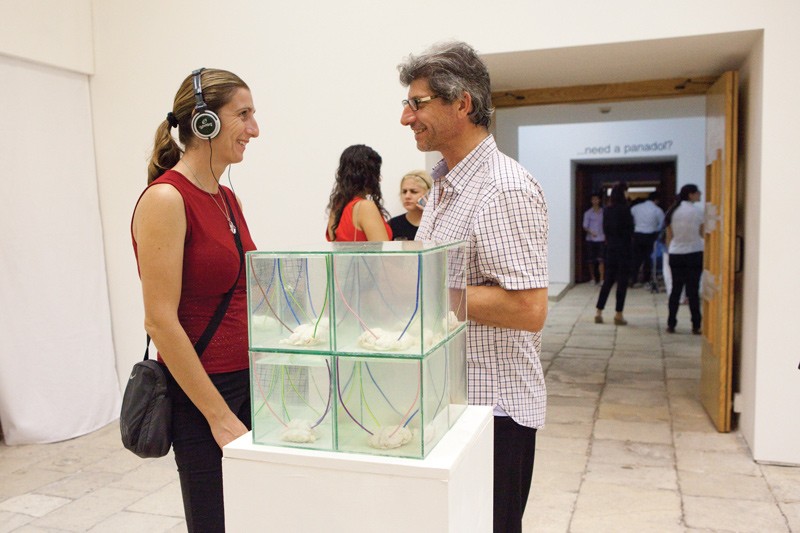
Michael Xuereb. Scientists consulted: Dr Mario Valentino and his team who study the mouse brain
When scientists research, examine, and map the brain, they are using the same organ they are studying. This simple fact is celebrated in Xuereb’s installation. He magnifies a single connection point from the trillions of connections in our brain called ‘connectomics’. Connectomics is used by scientists to project complex brain images. These connections transfer signals and commands that together compute our thoughts. These can be thoughts about what to wear, who we love, mathematical calculations or even reasoning our emotions.
4.1868: The Theory of Heat
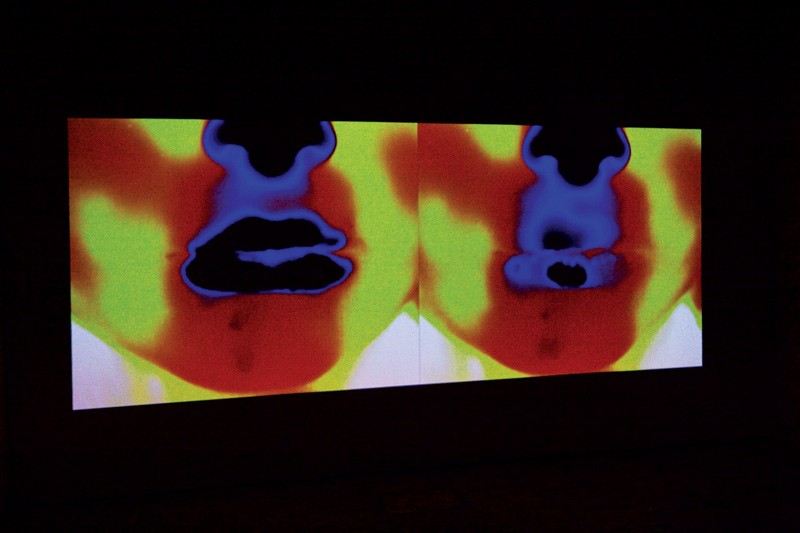
Adrian Abela, actors & performers: Tia Rejlić, Martha Vassallo, and Aidan Corlett. Scientists consulted: Prof. Kenneth Camilleri and his team who research biomedical engineering at the University of Malta.
4.1868 discusses various theories of how life began, such as that by Charles Darwin, using both a visible camera and a thermal imaging camera donated for this exhibition by Prof. Kenneth Camilleri and his team at the University of Malta. Adrian Abela interprets the traditional story of Melqart, the God of the Sea and Underworld, through a scientific eye. Thermal imaging cameras are used to diagnose disease and study medical problems. They detect radiation in the infrared range of the electromagnetic spectrum (roughly 9,000–14,000 nanometres or 9–14 µm) and produce images of that radiation, called thermograms.The installation was a 40 minute video.
Brain study
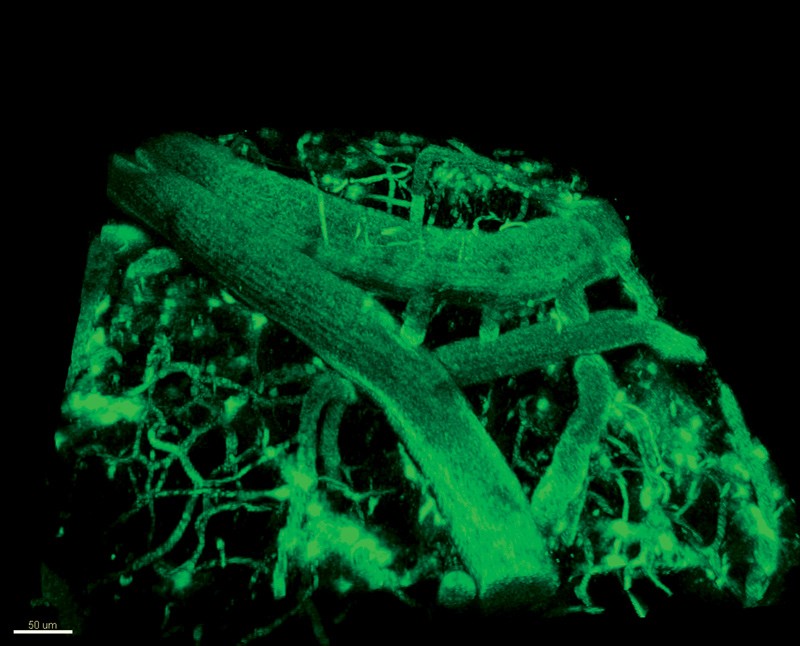
Scientists consulted: Video by Dr Mario Valentino and Dr Christian Zammit
Dr Mario Valentino (University of Malta) has carried out extensive studies on mouse brains to find out how brain injury occurs and develops in humans. During this research, Dr Valentino captured striking 3D images of mouse brains, which were then displayed in St James Cavalier. The images are mainly focused on mouse vasculature on the surface of the brain and the close association of cells called astrocytes that maintain the blood-brain barrier, which is essential for the survival of neurons.
The Cuckoo’s Nest (brain)
Matthew Farrugia. Scientists consulted: Prof. Giuseppe Di Giovanni and his team, and Dr Neville Vassallo who are studying brain diseases at the University of Malta
The brain is a wonderful organ — what would we be without it?It is able to absorb information and hold memories and keep it stored for years to come. The brain is divided into various parts, all linked and working together. The brain is more complicated than the heart, and is prone to going wrong. Addiction, epilepsy, Huntington’s, Alzheimer’s and Parkinson’s disease, are all illnesses the root of which lies in the brain.
Medical School: How does medicine define the body?
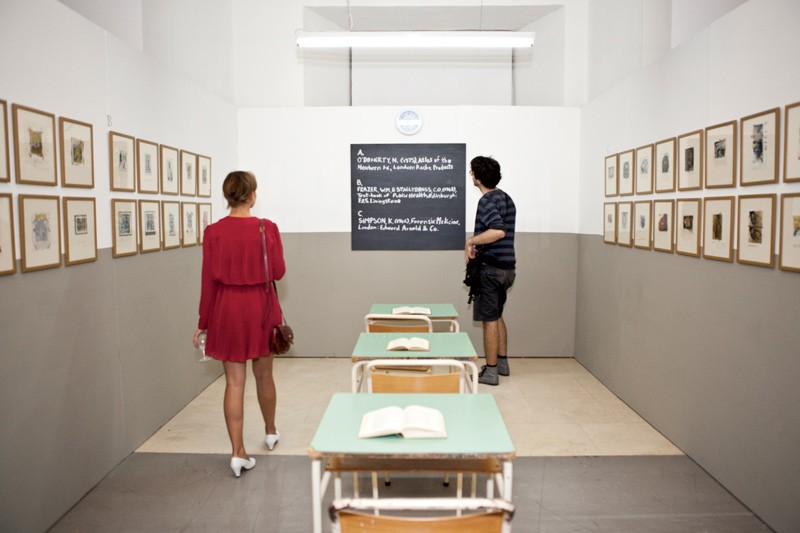
Raphael Vella. Scientists consulted: Textbooks used by medical students at the University of Malta
A series of fifty, small mixed media works were displayed on the walls of a classroom within a room in St James Cavalier, complete with blackboard. The images are photographic transfers on paper, reworked in ink, graphite and additional layers of Chinese paper. This installation of fifty framed, photographic images transports us from the beginnings of the power of medicine over the infant’s body, through the internalisation of medical knowledge via the mechanical components of ‘public health’ policies and systems, and ending with postmortem analyses that conceptualise murder and suicide in the cold language of science.How does medicine define the body? How is the body constructed in the image of medical textbooks? And how does the inaccessibility of medical knowledge to ordinary persons affect their understanding of their own bodies?


Comments are closed for this article!