
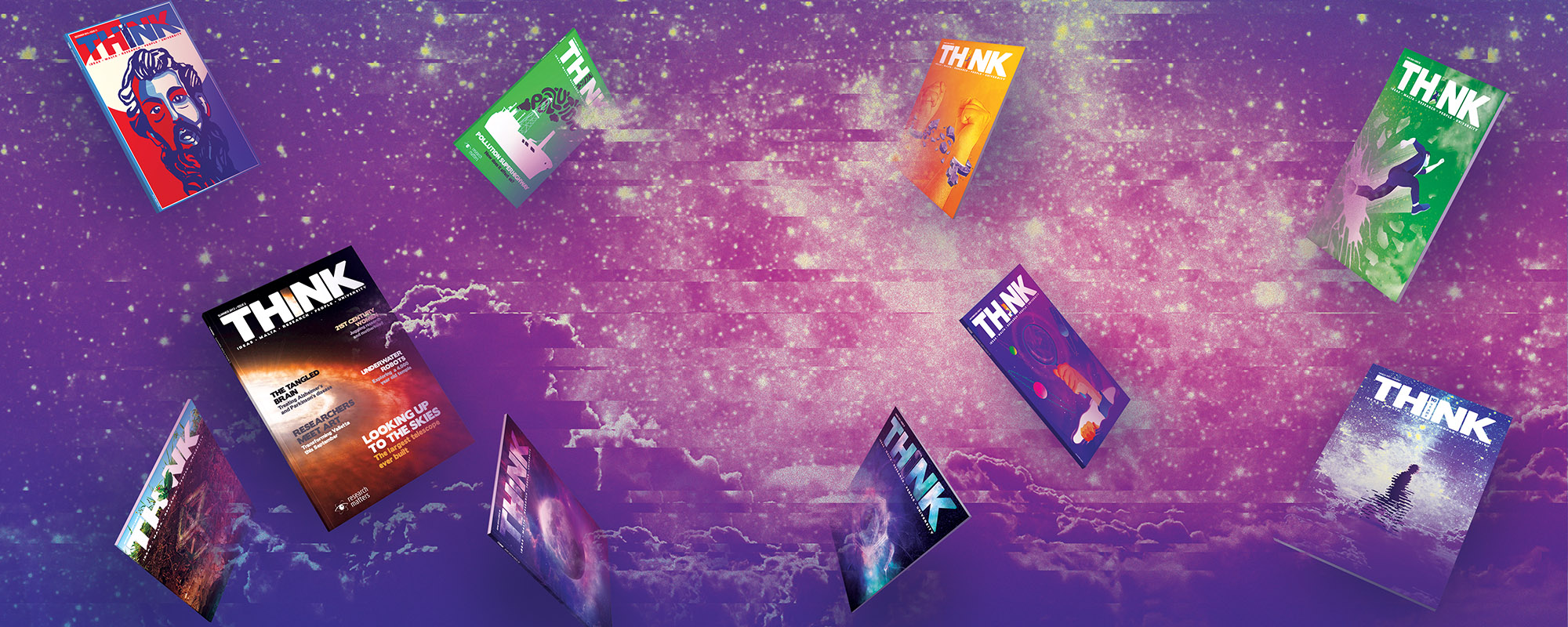
How much do you know about the history of THINK? If you’re a THINK superfan, then you know that the first edition wasn’t called THINK. Read on to learn more about how THINK evolved over the last decade.
Before THINK, the University of Malta (UM) published its research under the title ‘Research Matters’ – a magazine which originally came out in December 2011. Less than a year later, Dr Edward Duca was tasked with rebranding the magazine before the appearance of a second edition in July 2012. Duca transformed ‘Research Matters’ into ‘THINK‘ with inspiration from magazines like Wired for its journalistic and design values, and Scientific American and New Scientist for their scientific integrity. His vision, together with that of designer Jean Claude Vancell, was to have a magazine that shared the stories, discoveries, and critical opinions of students, staff, and researchers from the UM. THINK Magazine has been in circulation ever since.
While THINK has evolved over time, its goal has always been to promote research being conducted at UM. Through its printed publications, website articles, Soapbox events, monthly newsletter, and ReTHINK podcast, THINK covers the stories of students, alumni, researchers, and academics, promotes the free exchange of ideas, and encourages original ways of thinking. At its core, THINK’s philosophy is research communication, as we aim to make research accessible to the general public. After all, what is the point of research if people don’t know about it?
THINK Magazine
THINK is the University of Malta’s leading research magazine. Currently, it is being published triannually, in March, May, and October. The magazine is available in both printed and electronic formats. Printed editions of THINK are available free of charge all across UM’s Msida and Gozo Campuses. You can also contact the Editor to be added to the THINK mailing list and have the latest edition of THINK delivered directly to your door! (unfortunately, due to postage difficulties, we are unable to mail printed copies of THINK outside the Maltese Islands.)
Prior to February 2023, electronic issues of THINK were hosted on Issuu. However, since then, all electronic editions of THINK can be found exclusively on our website. Speaking of exclusive, THINK also publishes a number of website-exclusive articles each month. Some of these articles are then featured in our newsletter. Our articles range in topic and are organised below the following categories: Editorial, Arts, Society, Science, Tech, and Students.
Special Editions
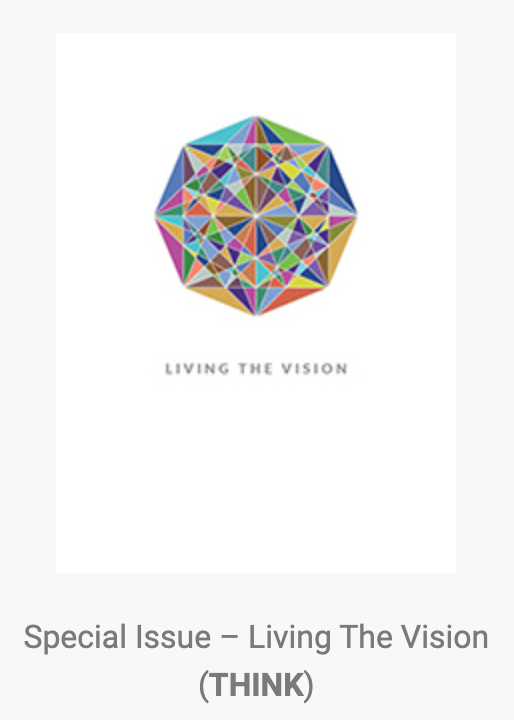
In 2016, THINK prepared a bookazine called Living the Vision to commemorate Prof. Juanito Camilleri’s term as Rector of UM (2006–2016). Then, in 2023, we proudly released our first special edition of THINK to commemorate the 10-year anniversary of the Institute of Digital Games at the University of Malta.
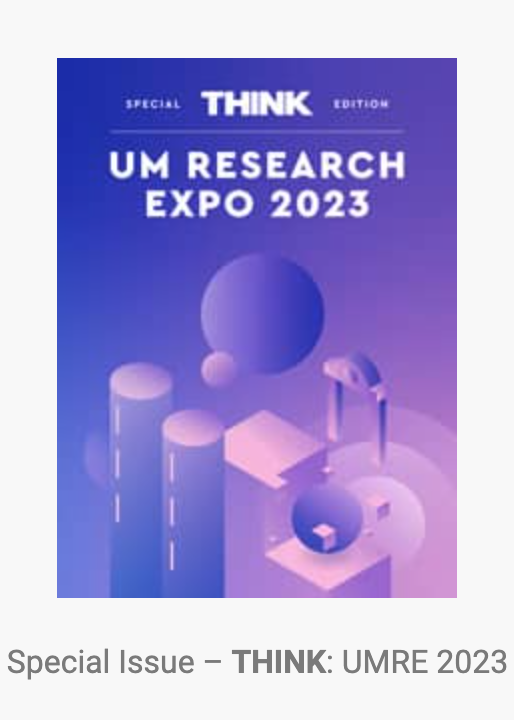
A few months later, in 2024, we released our second special edition, highlighting some of the research featured at the UM Research Expo 2023. The UM Research Expo is an annual event that aims to give UM researchers the opportunity to showcase their research activities to the wider academic community.
THINK Soapbox
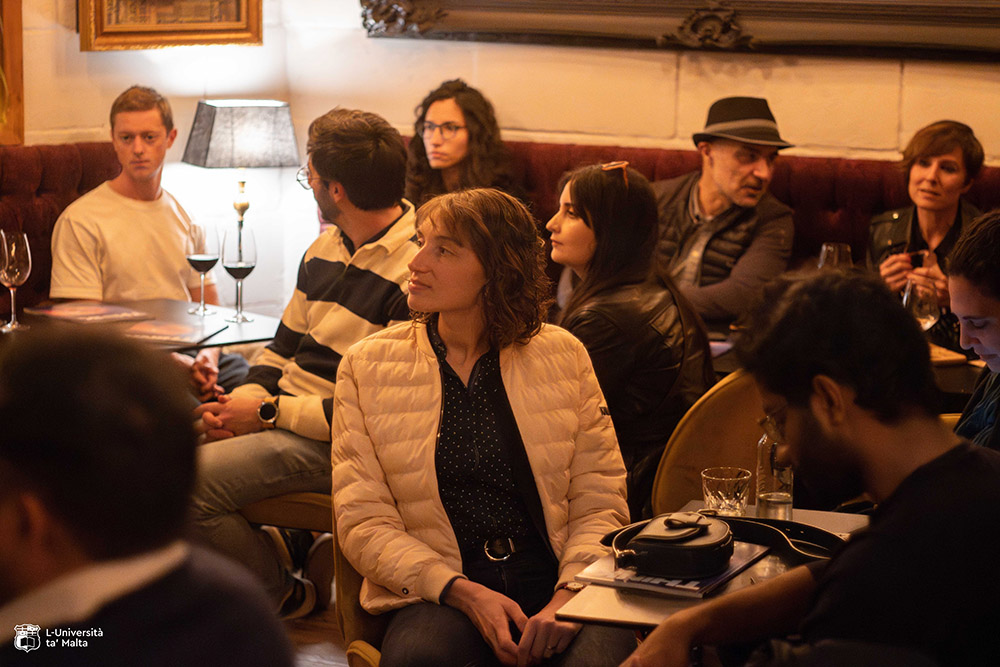
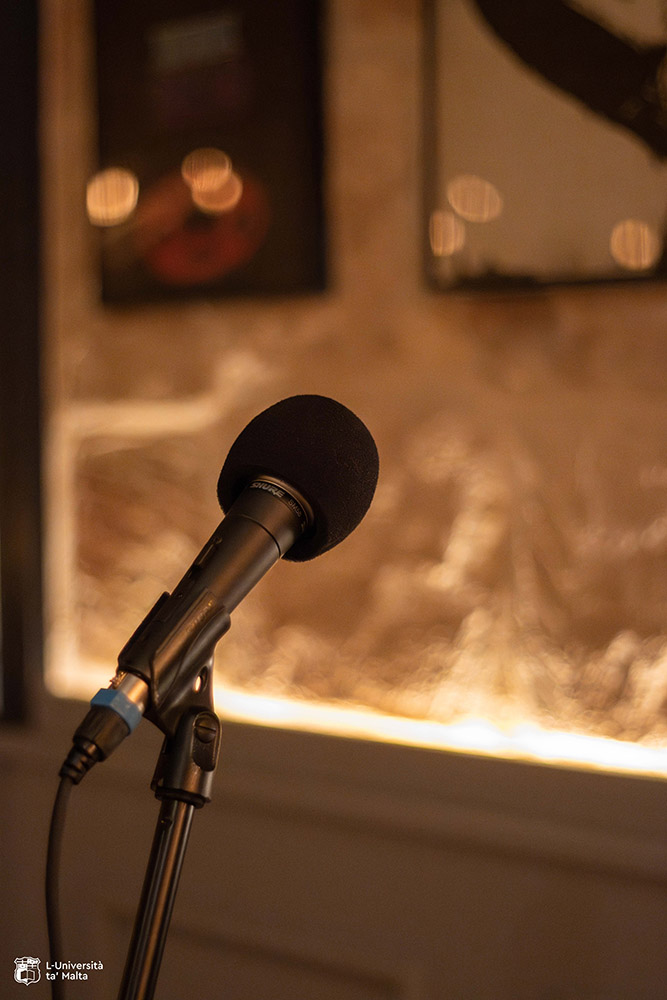
Our Soapbox event revives the early 20th-century tradition of public speaking by providing a literal platform for researchers to share their work directly with the public. It has been a staple part of THINK since its very first edition. The Soapbox event serves as a launch for the latest edition and invites selected researchers to briefly present their work in 3 minutes. The idea is to move away from traditional lecturing formats and instead foster discussion and networking with the general public. Learn more about our upcoming Soapbox events here.
Newsletter
THINK began sending out its monthly newsletter in November 2021. Sent out on the first Wednesday of every month, the newsletter promotes four THINK articles handpicked by the Editor themself. The newsletter also allows us to stay in touch with our audience and provide updates. Subscribe to our newsletter here!
ReTHINK Podcast
First hitting the airwaves in January 2020 on Campus 103.7, THINK released the ReTHINK podcast. On our podcast, we revisit previously featured researchers to catch up and see how their research has progressed since then. With two seasons completed, we are currently exploring how to improve our third season! All episodes are available for free on our website here.
Should you have any queries regarding our publications, kindly contact the Editor at think@um.edu.mt


Comments are closed for this article!