

At this year’s Mabel Strickland Memorial Lecture, international negotiator and mediator Nomi Bar-Yaacov argued that democracies are entering a period in which the crisis extends beyond censorship or attacks on journalists alone. As wars multiply, trust in institutions weakens, and information becomes increasingly mediated through algorithmic systems, the deeper problem may be that societies are losing their ability to agree on what is true in the first place.
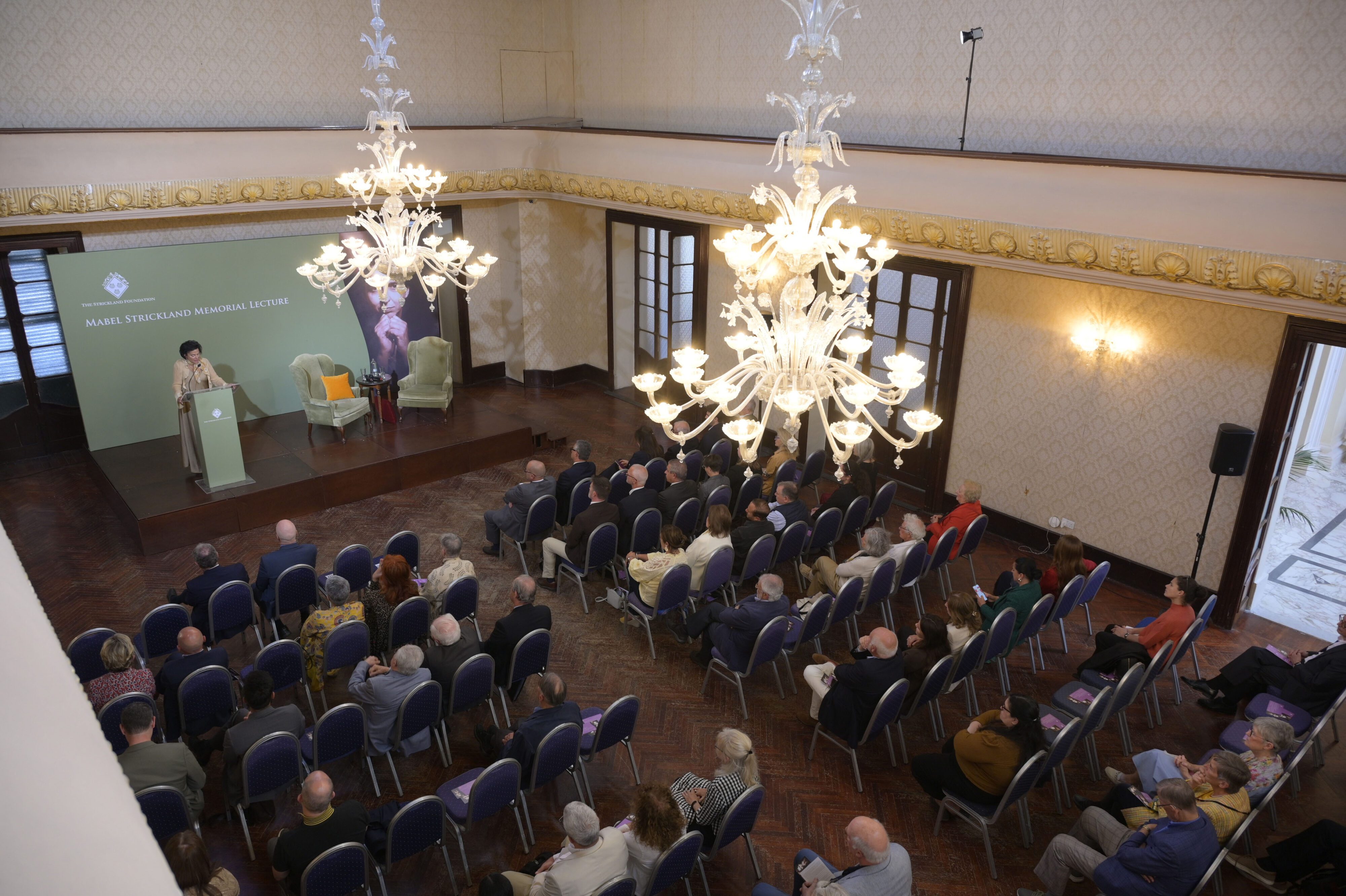
Under the leadership of its President, Judge Giovanni Bonello, the Strickland Foundation’s annual memorial lecture has long been associated with topics linked to public responsibility and freedom of expression. This year’s theme, Freedom of the Press in These Challenging Times: What Does the Future Hold?, unfolded less as a conventional defence of journalism and more as an examination of informational fragmentation of consensus reality itself and the growing inability of societies to maintain a common civic understanding.
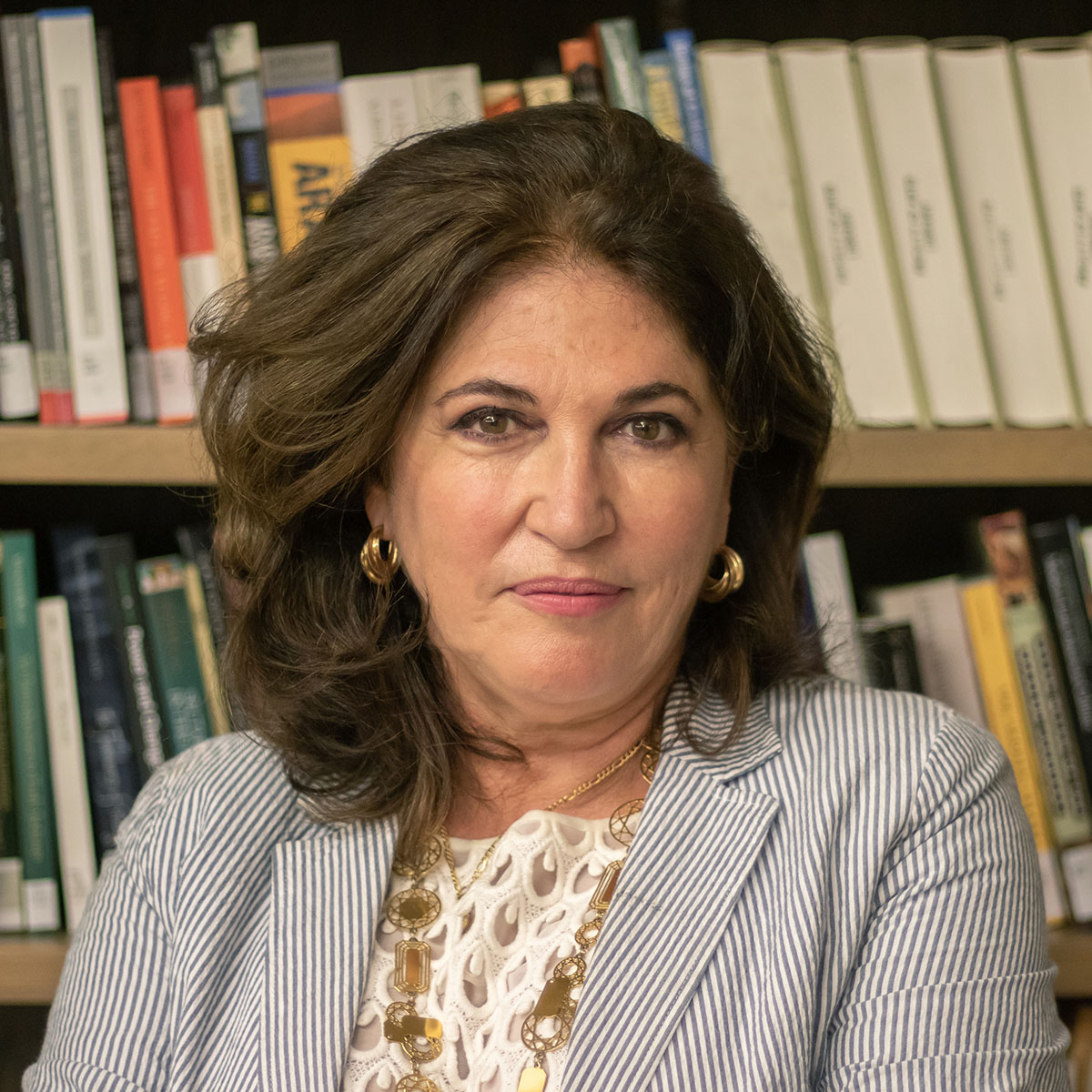
Opening the evening, Prof. Clare Vassallo situated the discussion within the context of World Press Freedom Day, describing press freedom as both a democratic obligation and a practical necessity during periods of conflict and instability. Referencing remarks by European Union High Representative Kaja Kallas, Vassallo stressed that independent media remains foundational to a democratic society, particularly in conflict zones where journalists document atrocities, violence, and potential war crimes that are often inaccessible to the wider public.
Prof. Clare Vassallo is a professor in UM’s Department of Translation, Terminology and Interpreting Studies
The principles underlying the lecture, she noted, remain closely tied to the legacy of Mabel Strickland herself, whose foundation is intended to promote thought and freedom of expression in service to Maltese society.
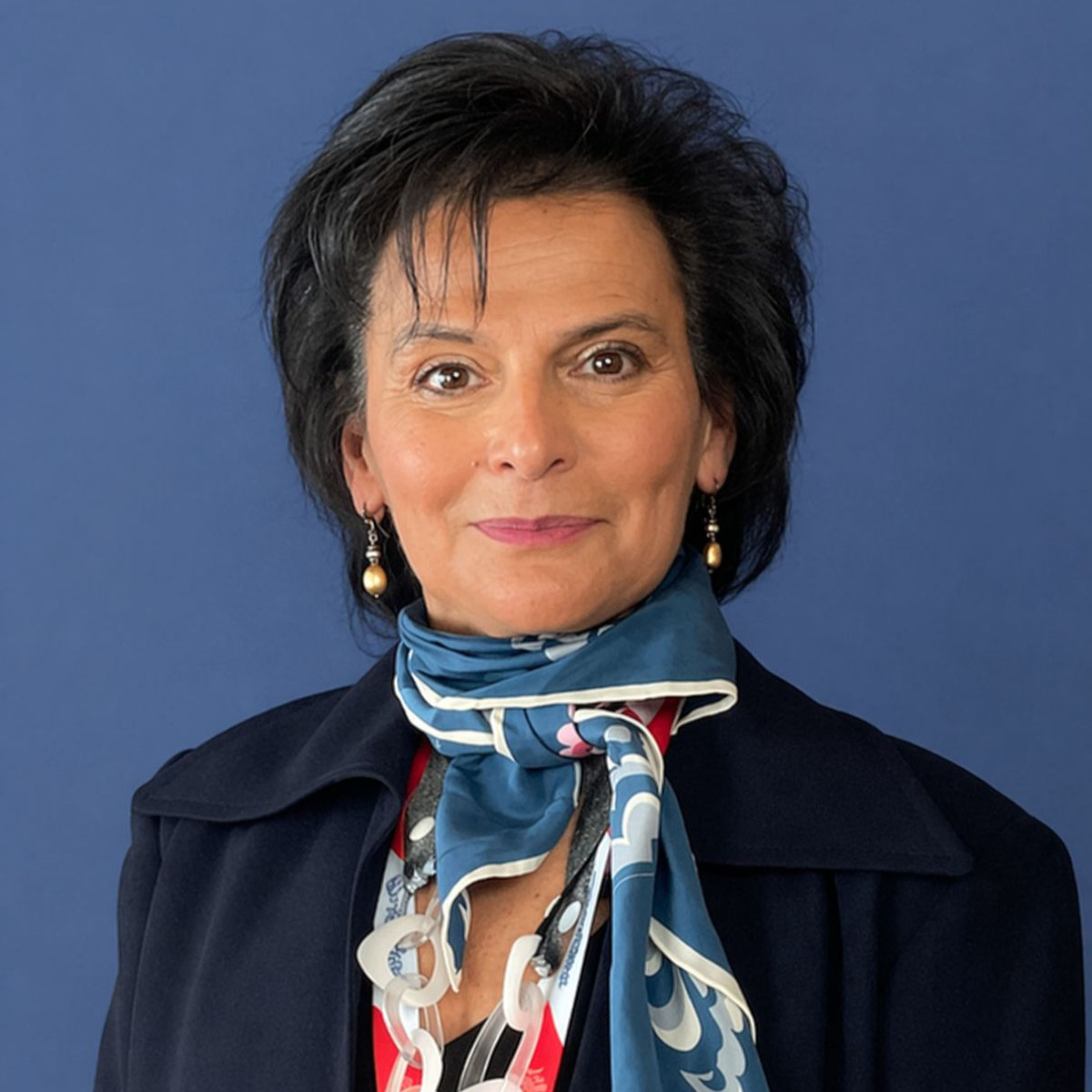
Introducing the evening’s keynote speaker, Vassallo lauded Nomi Bar-Yaacov as an international lawyer, negotiator, and mediator specialising in high-stakes diplomacy and conflict resolution, particularly in the Middle East. Having worked extensively across diplomacy, negotiation and political mediation, her perspective draws heavily from direct experience navigating conflicts.
Nomi Bar-Yaacov is an award-winning international human rights lawyer, peace negotiator, arbitrator and mediator
The Collapse of Shared Reality
Based on her experience working in high-stakes international negotiations, particularly in the Middle East, Bar-Yaacov argued that modern conflicts increasingly unfold across informational systems as much as physical territory. According to Bar-Yaacov, democratic societies are increasingly confronting a collapse of shared informational authority. Younger generations consume news primarily through fragmented digital feeds shaped less by editorial judgement than by engagement algorithms, emotional acceleration, and ideological reinforcement. Under such conditions, misinformation does not merely spread rapidly; it becomes structurally embedded within how different communities experience reality itself.
People don’t know whether what they’re seeing or hearing is true or not.
— Nomi Bar-Yaacov
The problem is not to be framed simply as the existence of falsehoods, propaganda or political bias. Societies have always contained these. The deeper concern lies in the erosion of common interpretive frameworks capable of mediating disagreement. Distinct populations increasingly encounter entirely separate narratives surrounding the same events, reinforced continuously through personalised media ecosystems.
Conflict, Trauma and Narrative
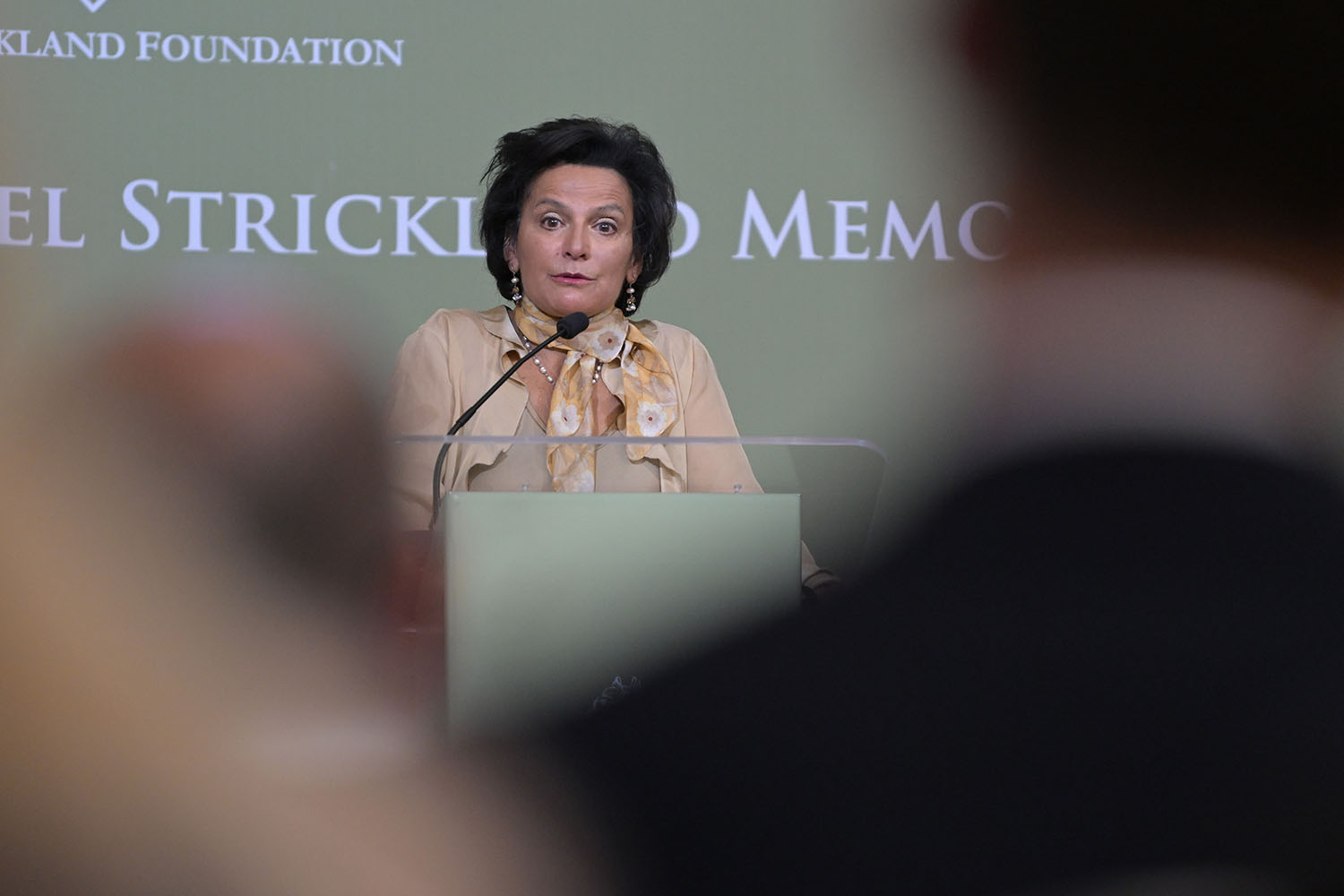
Bar-Yaacov framed the discussion in terms of conflict psychology and threat perception. Communities experiencing war, insecurity, or trauma do not simply analyse events differently, she argued. They experience them through distinct emotional and historical frameworks that shape interpretation from the outset.
They don’t see the same thing. They’re looking at their narrative and how the conflict affects them.
— Nomi Bar-Yaacov
Similarly, Bar-Yaacov considered the wars in Gaza, Ukraine, and the wider Middle East as failures of preventive diplomacy and political courage. International institutions, she suggested, often possess substantial awareness of escalating tensions long before violence erupts, yet repeatedly fail to intervene meaningfully while intervention remains possible.
Beyond Impartiality
When challenged on why she engages with controversial figures or organisations, Bar-Yaacov responded that her objective is not to create spectacle through confrontation, but to elevate voices capable of contributing constructively toward coexistence and political resolution. Recalling previous television appearances alongside Hamas representatives, for example, she described having first refused participation in programmes designed primarily around antagonism and performative conflict.
I made it clear I will not participate in programmes where they want to fight. I am happy to listen to people, but I want to be constructive.
— Nomi Bar-Yaacov
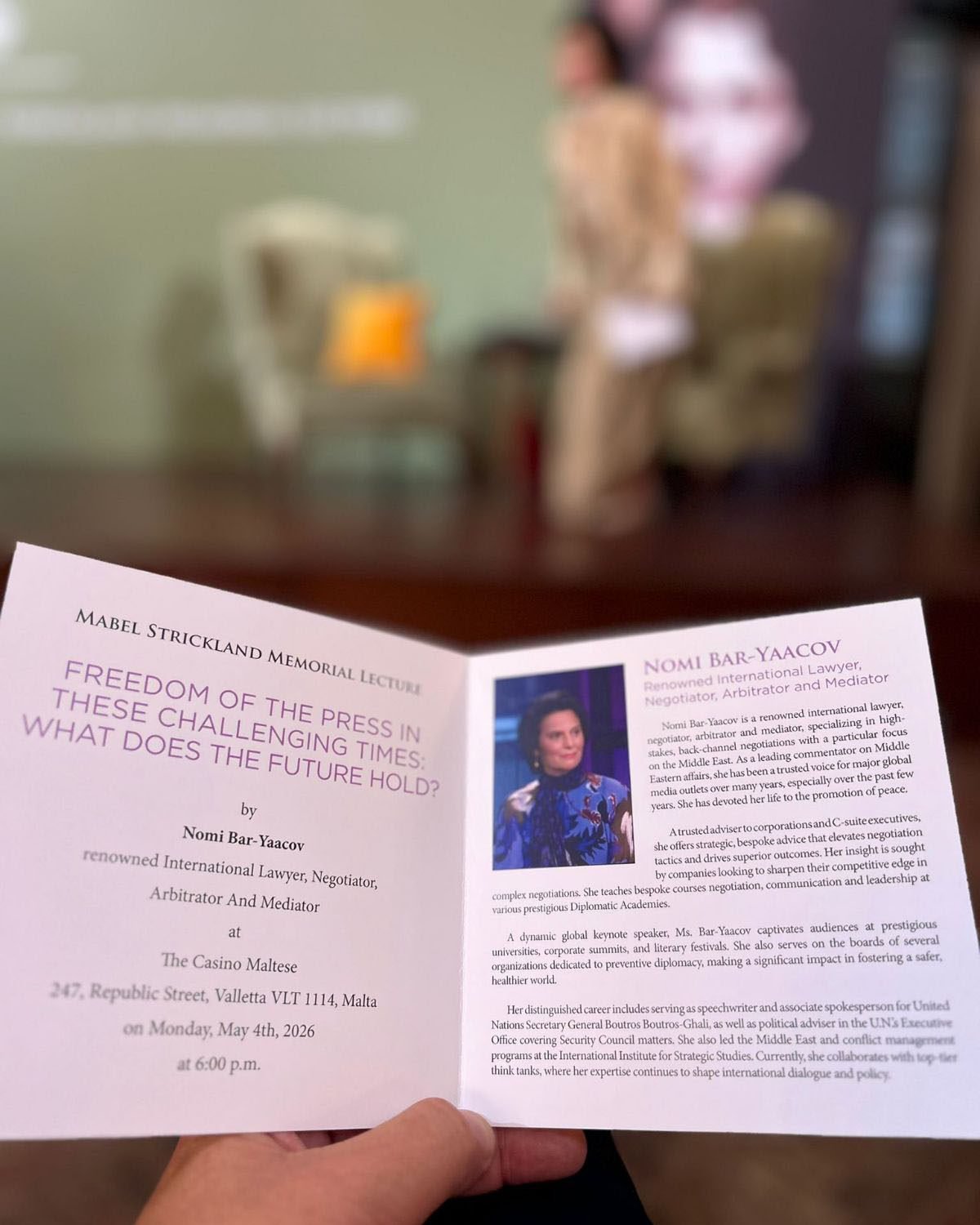
Bar-Yaacov noted that peace initiatives bringing together Israelis and Arabs, including organisations formed by victims of violence on both sides of the conflict, often receive comparatively little attention online despite extensive grassroots participation. Referring to a recent peace gathering in Jerusalem involving dozens of organisations, she remarked that such initiatives rarely achieve meaningful visibility within wider media ecosystems. Instead, emotionally absolute narratives tend to spread with greater efficiency.
Bar-Yaacov argued that this fragmentation cannot be understood purely in informational terms. Conflict narratives are shaped not only by facts, but by fear, trauma, historical memory, and threat perception.
(Photo by Prof. Clare Vassallo)
A Missing Generation in Public Discourse
The question that followed was not only how information circulates, but who is able to participate in shaping it. Bar-Yaacov returned several times to the problem of youth engagement, noting that many constructive initiatives struggle to reach younger audiences at all. Peace-oriented organisations, cross-community dialogue groups and legal advocacy networks exist in significant numbers, she argued, but remain largely absent from the spaces where younger users encounter political content.
Moderator Bertrand Borg reinforced this point through a personal anecdote about a childhood friend whose political views had shifted markedly through prolonged immersion in online environments structured around entirely different informational cues. The change, he suggested, was less about disagreement over facts than about entry into a different interpretive ecosystem, where the same events acquire different meaning depending on the surrounding digital context.
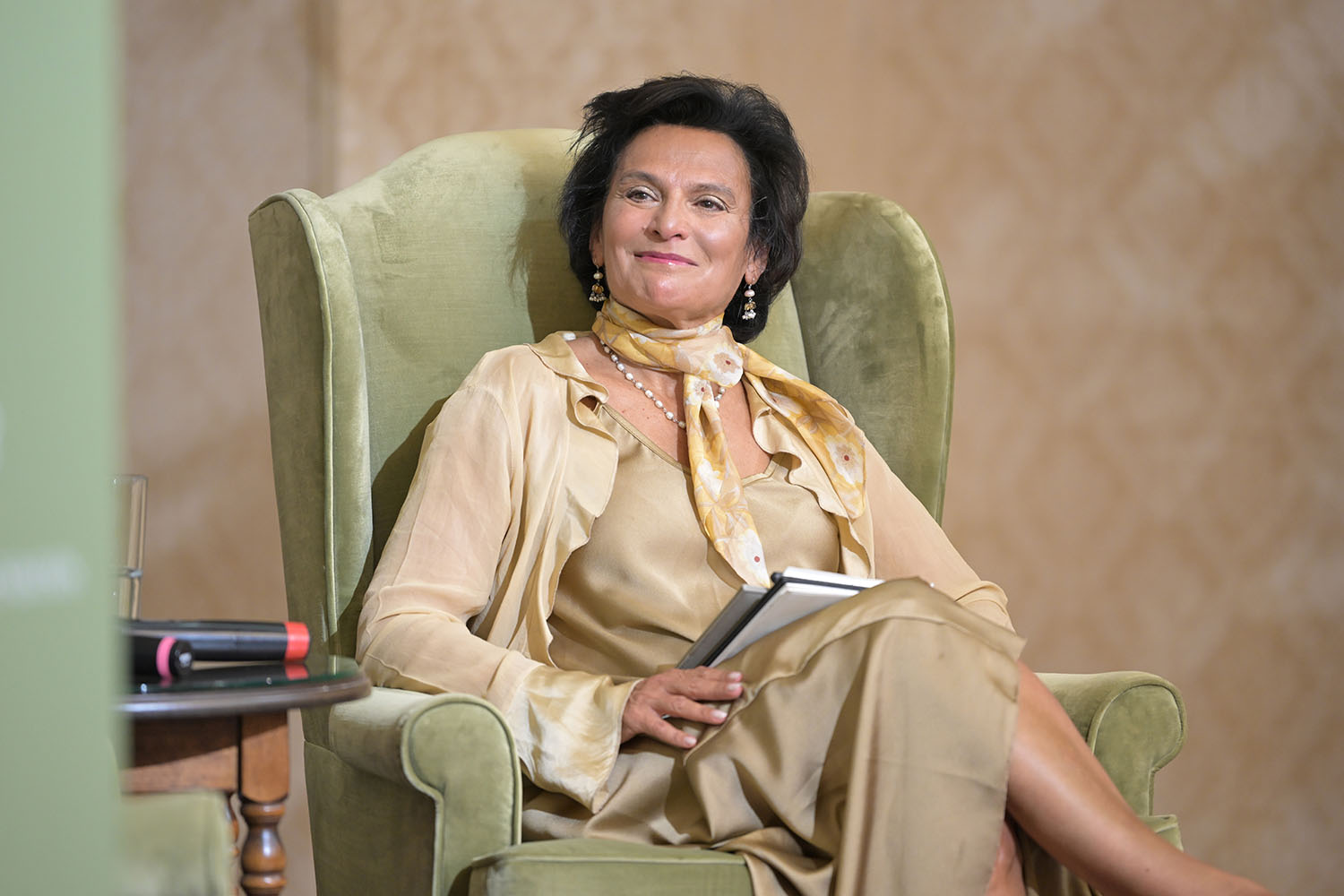
(Photo by Matthew Mirabelli)
Bar-Yaacov’s concern centred on what this implies for participation itself. The issue was not simply that young people are exposed to polarised content, but that the pathways for constructive engagement are comparatively weak, slow-moving, and poorly amplified. In contrast, emotionally charged material circulates rapidly and persistently, shaping the conditions under which political identity is first formed. This is especially problematic given that younger generations are consuming their news in short-form format online.
‘Social media has become the main source of information for younger generations. I do not see any young people in attendance here this evening, and it is a great shame. We need to appeal to the next generations and reach out to them as our future. Their social media feeds are populated by big media companies that shape their understanding of geopolitics and truth. Fake news is paid for by business moguls who buy newspapers and media outlets. What are we going to do about it is the big question.’
A Treaty for Truth
Bar-Yaacov returned to a proposal she framed in legal and diplomatic terms: the need for a dedicated international treaty to protect journalists and strengthen accountability mechanisms in environments where press freedom is routinely undermined. Existing protections, she argued, remain fragmented across jurisdictions and dependent on political will at the national level.
We need a bottom-up and top-down approach in every community towards truth and freedom. We need to start at home, move to affecting our local community and village, and then take the issues to Parliament. Everyone has a duty to uphold these values. It is time to have a fourth tenet for democracy, aside from an independent judiciary, legislature and executive, we now also need a people’s pillar serving as an independent voice.
— Nomi Bar-Yaacov
Furthermore, a treaty-based framework at the United Nations level would, in her view, establish clearer obligations for states, set enforceable standards for the treatment of journalists in conflict zones, and generate sustained international pressure in cases where violations occur. The aim, as she outlined it, is not only protection after harm has occurred, but the creation of a system capable of deterring intimidation and disappearance in the first place.


Comments are closed for this article!