
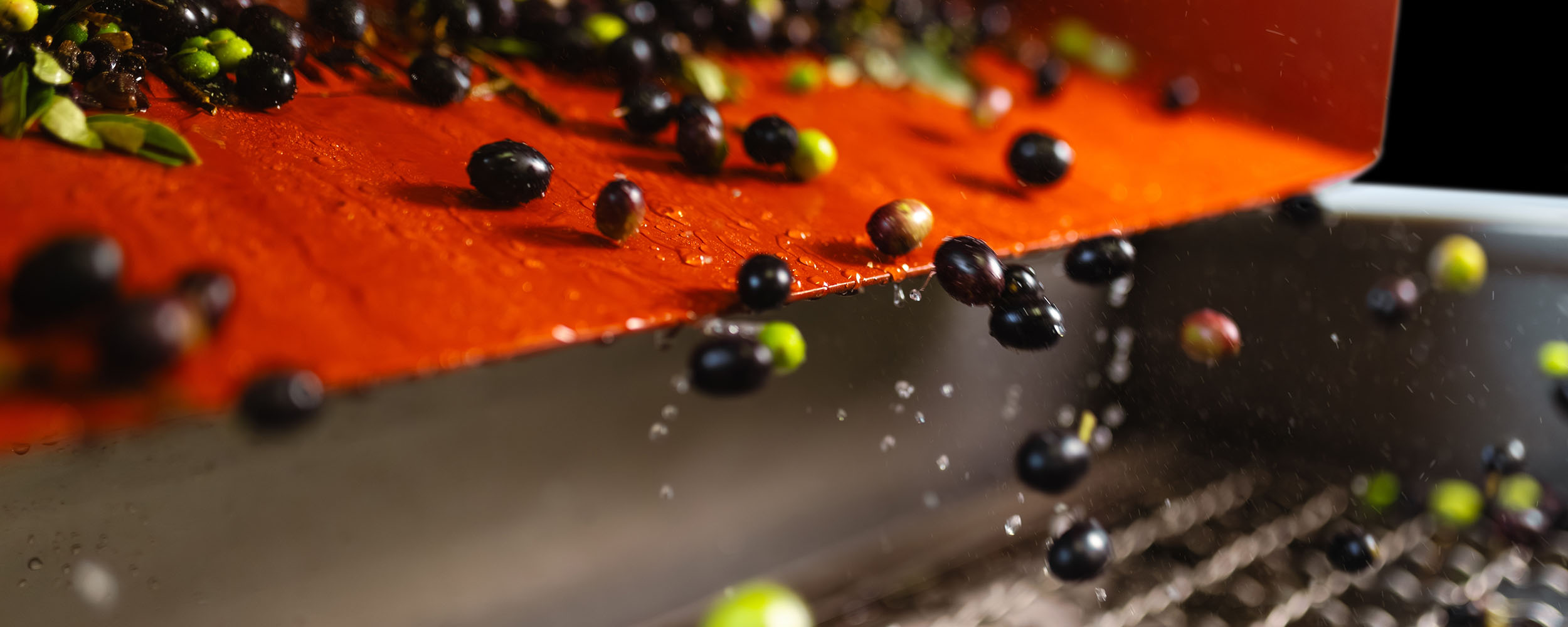
While olive oil production generates vast amounts of nutrient-rich waste, approximately 98% of the antioxidant-rich phenolics in olives are lost during oil extraction. To combat rapid degradation, the OliveGREEN team is exploring a novel strategy using sulphur dioxide and enzymes to stabilise olive pomace. THINK speaks with Dr Frederick Lia to learn why saving this discarded byproduct makes a difference.
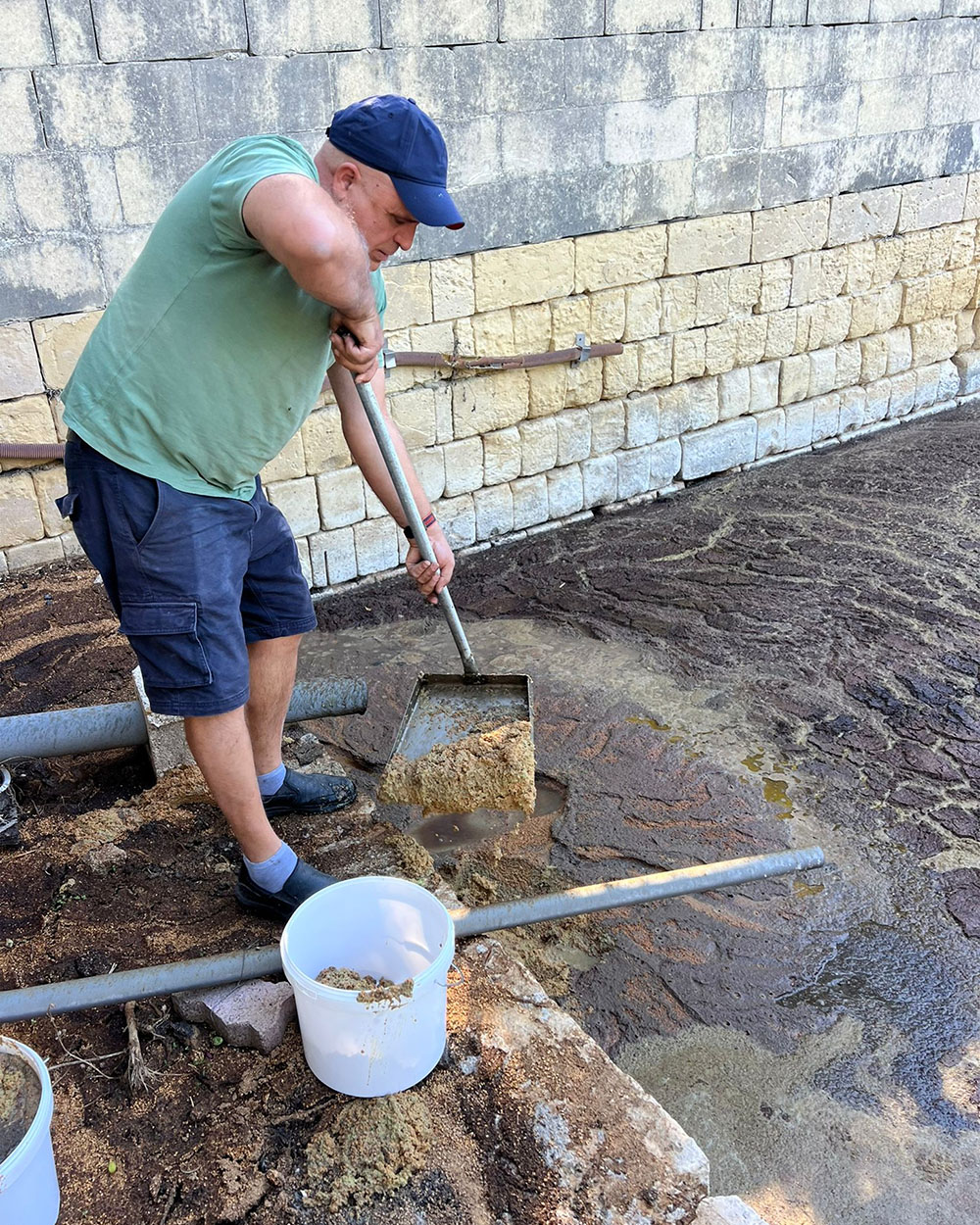
Olive oil has long been an important part of Mediterranean culture and cuisine, but its production generates large amounts of waste in the form of olive pomace – a dense mixture of pulp, skin, seeds, and residual oil. Traditionally, this by-product has had limited commercial value and is often treated as an environmental burden due to disposal challenges. In Malta, however, researchers are now transforming this overlooked material into a sustainable resource with applications in health, cosmetics, and biotechnology.
Dr Frederick Lia and his team at BKEA Ltd (Bio Kimika Extrakta Analytika Ltd) are leading OliveGREEN – Green Valorization of Olive Pomace Waste for Nutraceuticals and Cosmeceuticals, a project funded by Xjenza Malta through the FUSION: R&I Research Excellence Programme 2024. The initiative focuses on recovering valuable bioactive compounds from olive pomace using environmentally friendly extraction technologies.
‘Olive pomace is often viewed simply as waste, but in reality it contains a rich source of polyphenols, flavonoids, and antioxidants with strong biological activity,’ explains Lia. ‘Our aim is to develop sustainable technologies that allow these compounds to be recovered and used in high-value products instead of being discarded.’
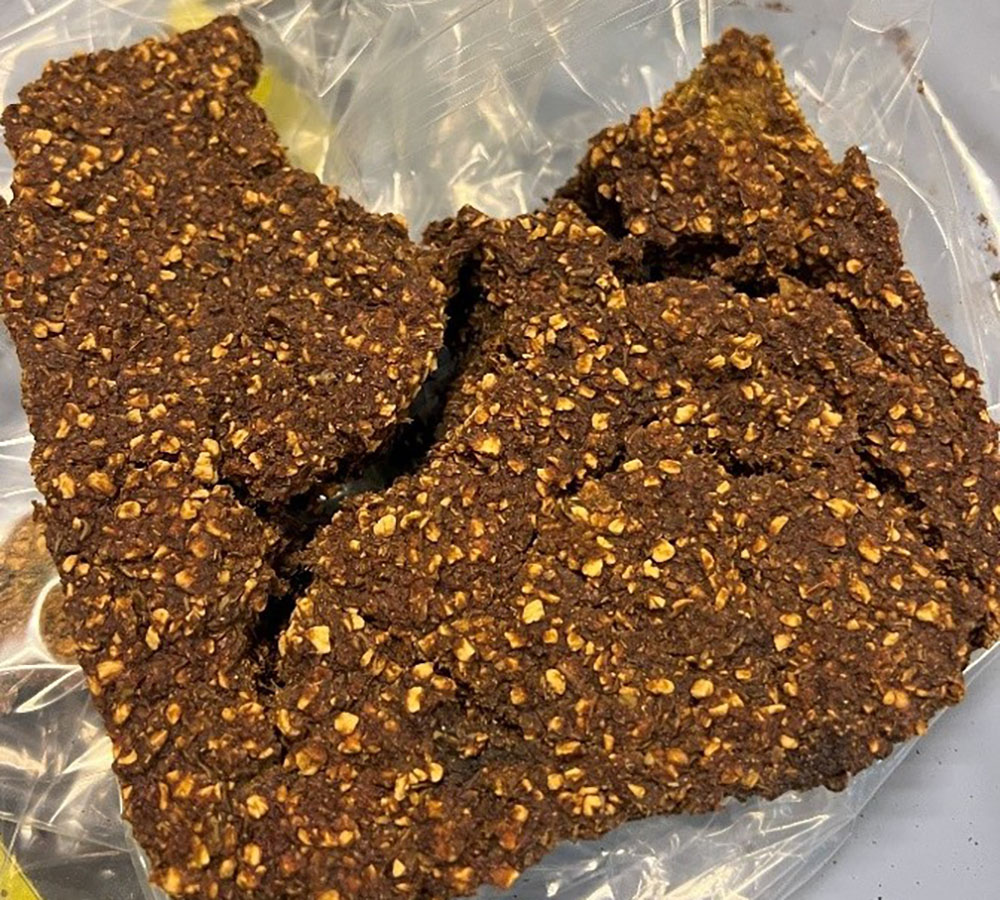
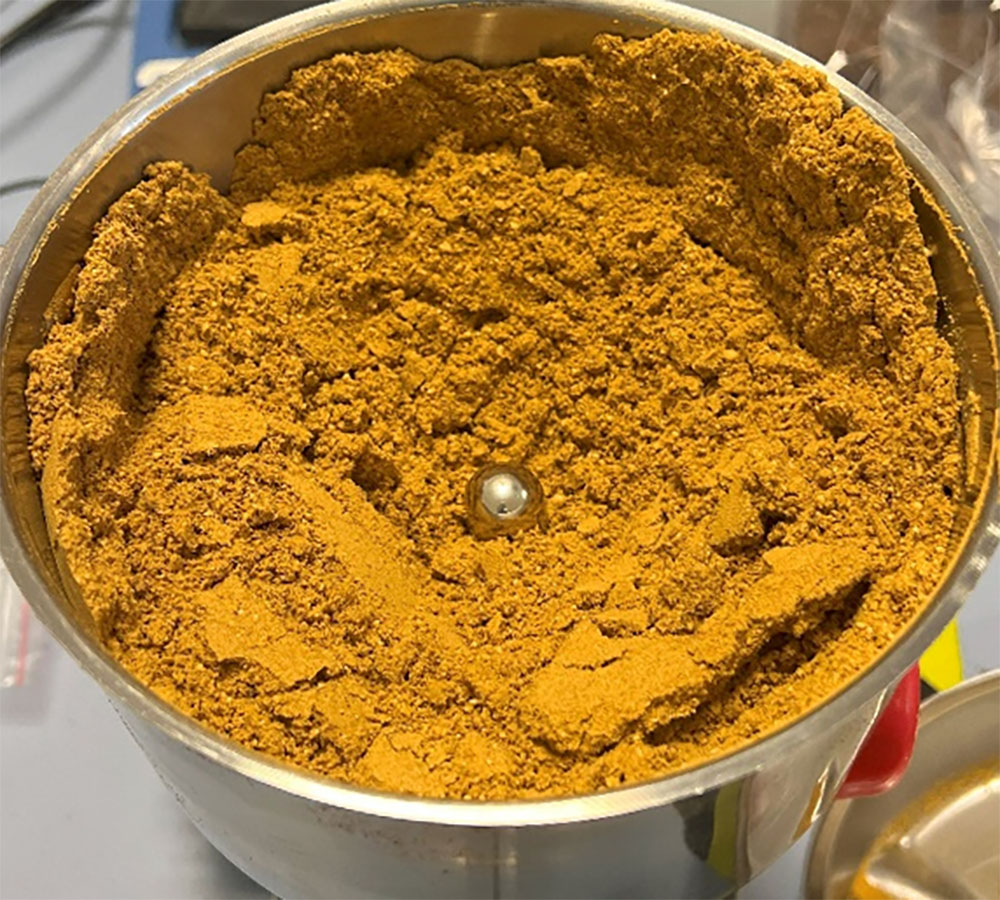
The project explores a range of green extraction techniques designed to reduce environmental impact while maximising recovery efficiency. One of the key methods being investigated is enzyme-assisted extraction, which uses natural enzymes such as pectinase to break down plant cell walls and release bound phenolic compounds. The team is also studying ultrasound-assisted and microwave-assisted extraction technologies, which improve extraction efficiency while reducing solvent usage, processing time, and energy consumption.
Advanced Analytical Characterisation and Extraction Optimisation
Beyond extraction, the project also involves advanced analytical and quality control studies. The OliveGREEN research team is developing validated analytical methods using High Performance Liquid Chromatography (HPLC) and spectroscopic techniques to characterise and quantify the compounds recovered from olive pomace. This ensures that the extracts meet the standards required for potential use in pharmaceutical, nutraceutical, and cosmetic applications.
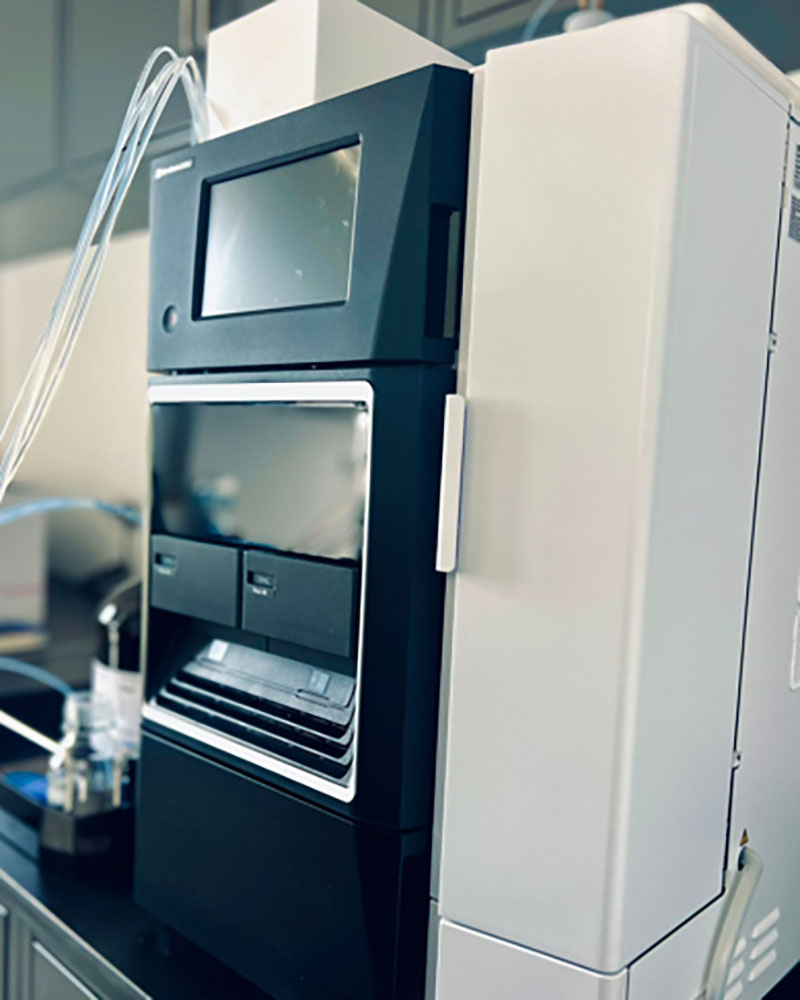
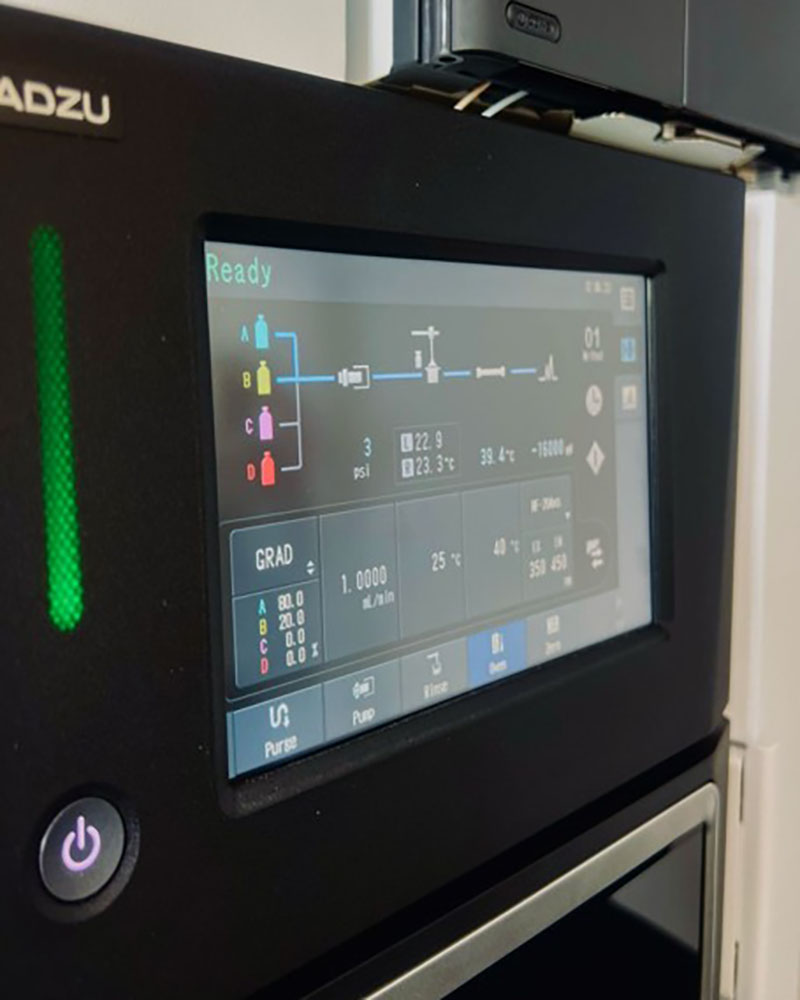
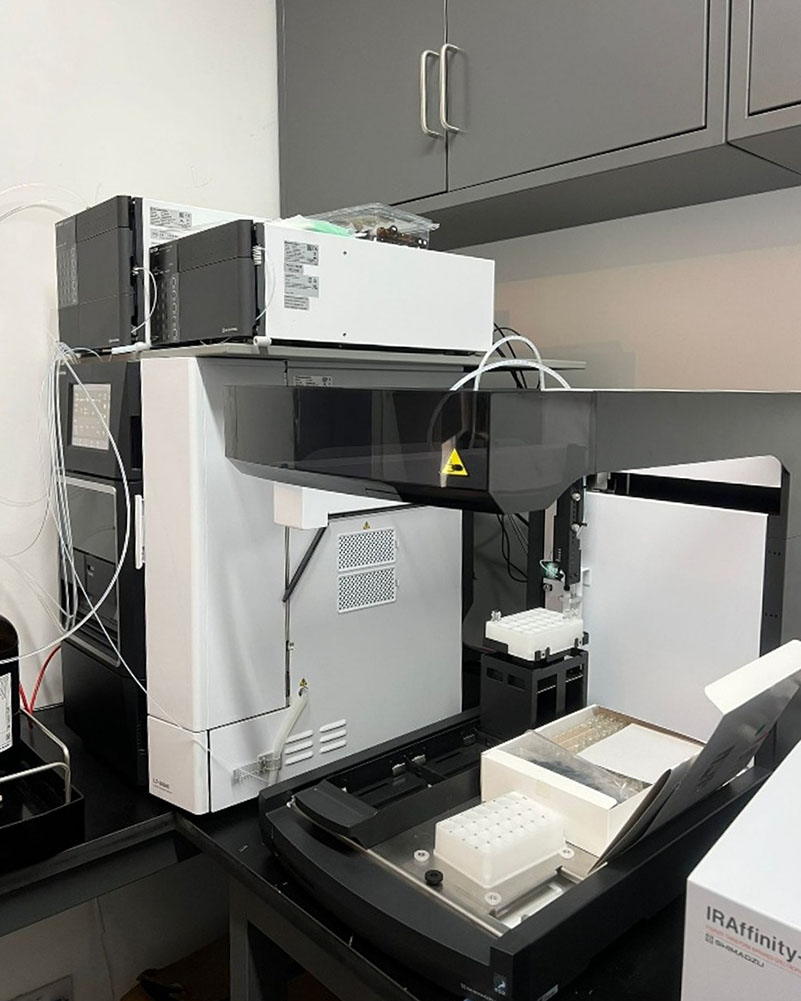
Early findings from the research have already shown promising outcomes. Factorial analysis demonstrated that extraction conditions, such as temperature, pH, and enzyme concentration, strongly influence the recovery of phenolic compounds and antioxidant activity. Moderate extraction temperatures combined with specific pH conditions and enzyme-assisted treatments resulted in significantly improved recovery of beneficial compounds, confirming the effectiveness of enzymatic breakdown of plant structures.
The research also highlighted the importance of balancing extraction efficiency with compound stability. While higher temperatures promoted the release of some phenolic compounds, milder processing conditions better preserved antioxidant functionality. Additional stabilisation studies demonstrated that sulphur dioxide pretreatment protected sensitive compounds during thermal drying processes, improving the preservation of antioxidant-rich extracts.
Sustainable Valorisation and Industrial Potential of Olive Pomace
These findings are important because they demonstrate that agricultural waste streams can be transformed into valuable functional ingredients through sustainable processing strategies. Potential applications include nutraceutical products aimed at supporting cardiovascular and metabolic health, as well as antioxidant-rich cosmetic formulations that could provide natural alternatives to synthetic additives.
The project also considers the economic feasibility and scalability of the technologies being developed, with the long-term goal of transferring these innovations to industry. This could create new opportunities for the Maltese olive oil sector while simultaneously reducing waste generation and environmental impact.
OliveGREEN strongly aligns with the European Union’s sustainability and circular economy objectives, which encourage the reuse and valorisation of agricultural by-products. By transforming olive waste into high-value ingredients, the project contributes to more sustainable production systems while supporting innovation in green biotechnology.

‘OliveGREEN is more than just a scientific project,’ says Lia. ‘It represents a new way of thinking about waste, not as something to discard, but as a resource with enormous untapped potential. Through sustainable innovation, we can create opportunities for local industry while contributing to environmental protection and human health.’
OliveGREEN could serve as a model for future waste-to-value initiatives across the Mediterranean region and beyond, demonstrating how science and sustainability can work together to transform agricultural waste into valuable products for the future.
This research was funded by the project ‘Green Valorization of Olive Pomace Waste for Nutraceutical and Cosmeceuticals: A Sustainable Approach (OliveGREEN)’, financed by Xjenza Malta through the FUSION: R&I Research Excellence Programme 2024 APM-UC REP-2024-054.




Comments are closed for this article!