Skip to content

FundMalta

Facebook
Twitter
LinkedIn

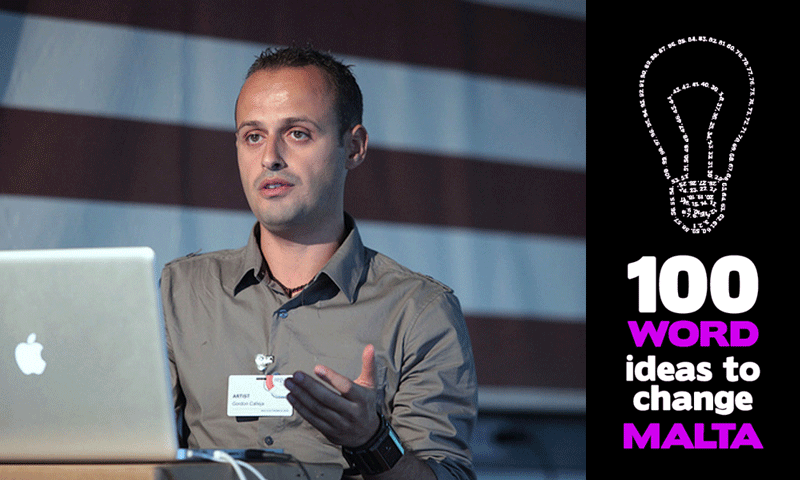
Prof. Gordon Calleja

Picture a Maltese crowdfunding website dedicated specifically to locally based creatives. It would be supported and promoted by government entities to the Maltese public, based locally and abroad. For this to work the public sector plays a crucial role in promoting the site and educating the public on how crowdfunding works. 

The site creates a platform for followers of local creatives to contribute towards performances and products made by artists they love. Unlike sites like Kickstarter, products that can be digitally distributed or ordered will remain on the site doubling as a digital distribution platform for locally made works. 

This article forms part of The Gaming Issue.

Author

More to Explore

Molecular Mail: Tiny Parcels for Tracking Tumours

Tumours are not discreet. As cancer cells grow and change, they release microscopic particles into their environment. Some of these particles enter the bloodstream. They are small, abundant, and, as researchers are beginning to realise, potentially informative. A Maltese research project is testing whether extracellular vesicles can provide a less invasive source of cancer information.

The Colour of Malta

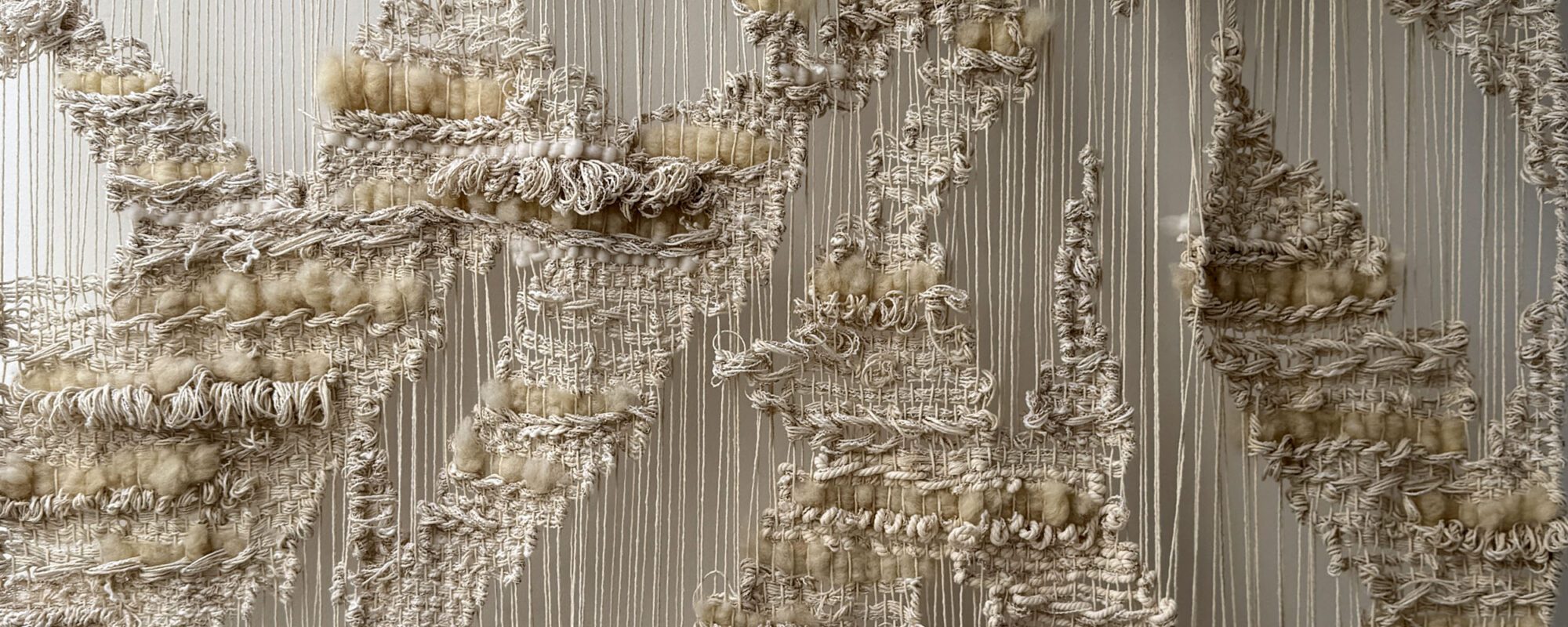
Matylda Maria Jarosz is an artist who recently exhibited Walking the Coastline, which uses materials from Malta’s natural space to depict that same wilderness. Following her experience and master’s at the University of Malta, she will be teaching courses on Contemporary Weaving and Sustainable Art later in the year. THINK’s Jonathan Firbank speaks with Jarosz about her Master of Arts project, and the journey it represents.

The Doctor’s New Partner: Artificial Intelligence in Medicine

For centuries, medicine has balanced science with experience and intuition. Two patients with the same diagnosis may receive the same treatment, yet their outcomes can differ dramatically. That has long been one of medicine’s most frustrating mysteries, and one of its biggest challenges. Today, artificial intelligence (AI) is beginning to close this gap. What was once a vision of the future is now entering clinics, laboratories, and even operating rooms, redefining how care is delivered and how doctors and patients interact.

Comments are closed for this article!