
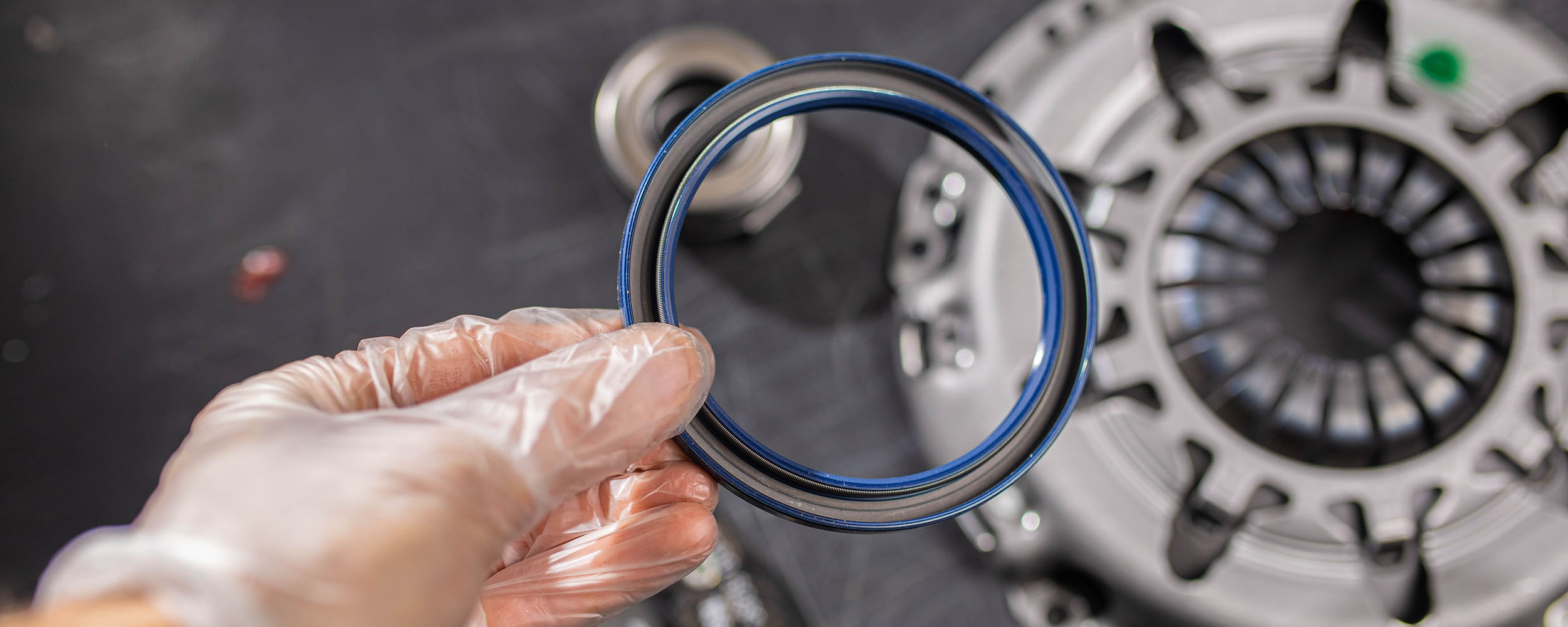
Think about the rubber parts in your car, your shoes, or your household appliances. Traditionally, making rubber is an incredibly energy-intensive process that relies on ‘vulcanisation’ – a method that uses high temperatures and produces harmful emissions to make the material durable. But what if high-performance rubber could be eco-friendly and 3D-printed on demand?
The AMBER project is a research initiative aimed at transforming how rubber-based materials are produced for advanced manufacturing. AMBER stands for Eco-Friendly and Additively Manufacturable Thermoplastic Vulcanized Rubbers using Deep Eutectic Solvents, and its goal is to develop a new generation of sustainable rubber materials suitable for 3D printing.
Traditional rubber production relies on energy-intensive vulcanisation processes that require high temperatures and generate significant emissions. The AMBER project seeks to overcome these limitations by designing environmentally friendly Thermoplastic Vulcanizates (TPVs) that require less energy to manufacture and produce fewer volatile organic compounds (VOCs). This work contributes to the ‘Green and Blue Economy Transitions – Smart Manufacturing’ theme of the SINO-MALTA Bilateral Research Fund launched by Xjenza Malta, which aims to strengthen scientific collaboration between Malta and China.
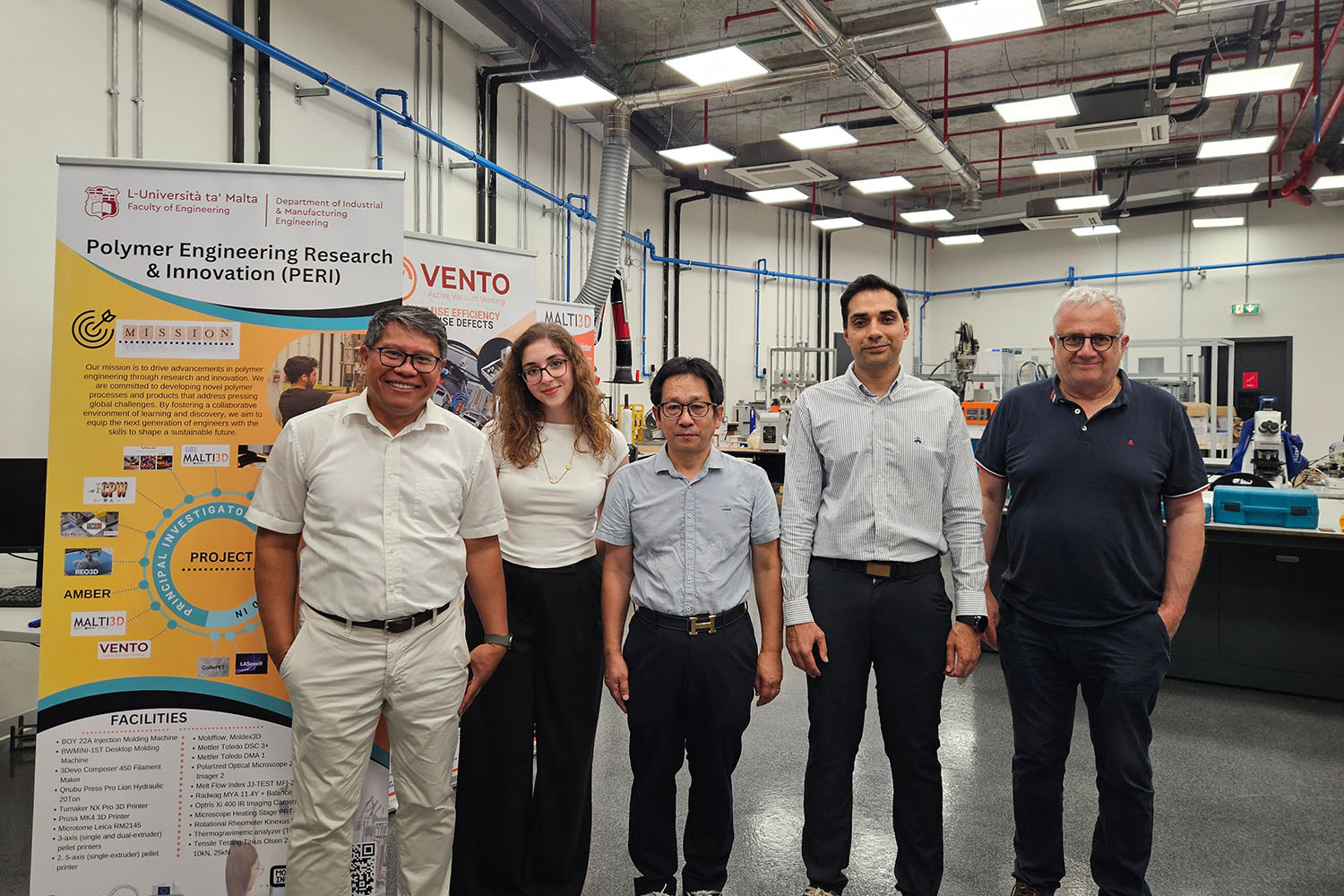
By combining advances in materials science with additive manufacturing technologies, researchers at the University of Malta (UM) are working in partnership with Zhejiang University (ZJU) in China to explore new sustainable approaches to producing high-performance components used in automotive and transportation industries.
The Core Mission and Partnership
At the heart of the project are TPVs – unique material blends that offer the elastic properties of rubber and the processability of plastics. However, their traditional production requires high temperatures and chemical curing agents, making the process energy-intensive and environmentally demanding.
To address this challenge, the AMBER project introduces Deep Eutectic Solvents (DES) as an innovative alternative. These eco-friendly additives facilitate rubber vulcanisation at lower temperatures, improve nanoparticle dispersion, and reduce harmful emissions.
Key aspects of the project, such as DES synthesis and the study of vulcanisation kinetics, are led by Prof. Yihu Song and his team at ZJU. At the same time, the project places strong emphasis on advanced manufacturing and material testing, which are primarily conducted at the University of Malta.
Advanced Additive Manufacturing
One of the main goals of the AMBER project is to adapt TPV materials for extrusion-based 3D printing, moving beyond traditional manufacturing methods such as injection moulding.
This work is led by Prof. Arif Rochman and Prof. Ing. Pierre Vella, with research carried out by Racquel Cachia within the UM’s Department of Industrial and Manufacturing Engineering. The team is responsible for optimising TPV materials to enable reliable processing via additive manufacturing techniques while meeting the demanding performance requirements of applications such as in the automotive and aerospace industries.
The 3D printing process requires careful optimisation of several parameters, including nozzle temperature, bed temperature, printing speed, and layer height. These variables strongly influence how TPV materials flow and solidify during printing.
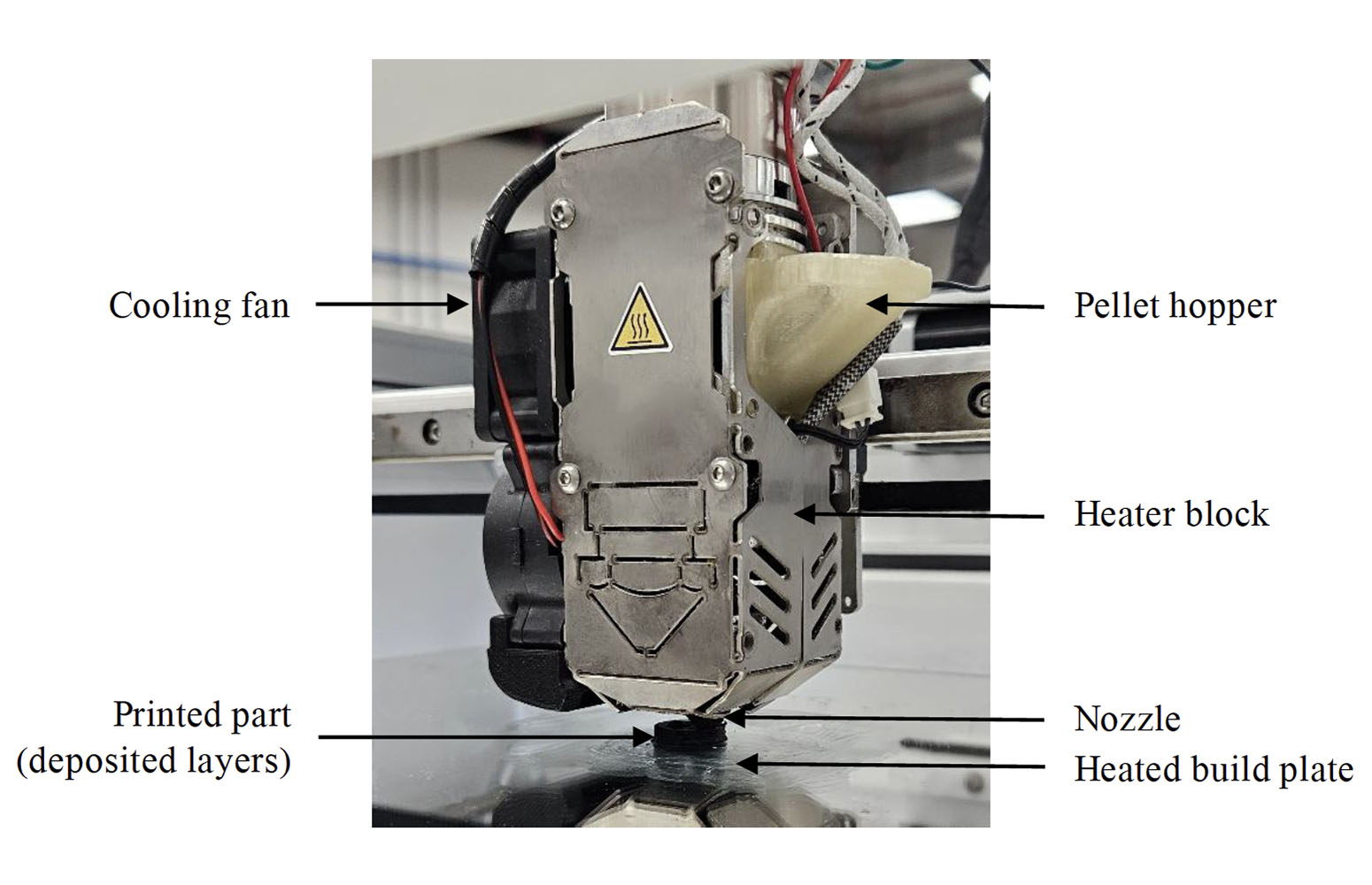
To begin this optimisation work, Zhejiang University has supplied a polypropylene (PP) and ethylene propylene diene monomer (EPDM) blend that behaves similarly to TPVs. This material allows Malta’s research team to establish baseline printing parameters while the final bio-based TPV formulation, consisting of a polylactic acid (PLA) and natural rubber (NR) blend, is still being developed in China. The PP/EPDM blend also serves as a benchmark material, enabling researchers to compare the mechanical and rheological properties of the newly developed PLA/NR TPV with those of a well-established conventional TPV system.
Through iterative printing trials, the team evaluates factors such as dimensional accuracy, surface finish, and print consistency, ensuring that the printed components are suitable for further testing and characterisation.
Understanding Material Performance
To ensure that the newly developed materials can perform reliably in real-world applications, the AMBER project includes a comprehensive material characterisation programme. The specimens used for this characterisation, including 3D-printed tensile and thermal specimens and injection-moulded tensile specimens, are shown below.
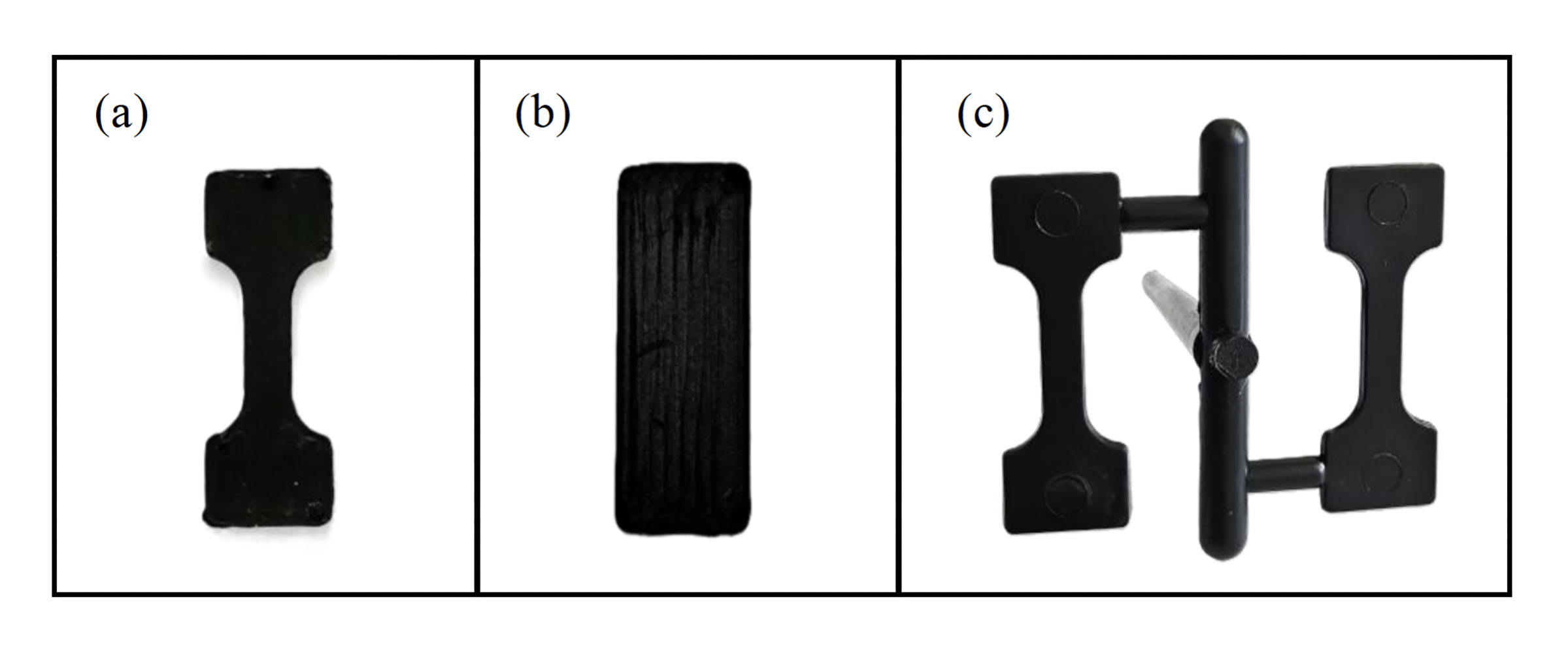
(Image by Racquel Cachia)
Using the facilities at the Polymer Engineering Laboratory at the University of Malta, researchers will investigate key material properties including tensile strength, thermal stability, rheological and crystallisation behaviour, viscoelastic response, and melt flow characteristics. Particular attention will be given to how different 3D printing parameters influence the mechanical performance and structural reliability of printed components.
This detailed analysis will help researchers understand how the incorporation of DES and nanoparticles affects the behaviour of TPV materials, ultimately guiding the development of optimised formulations for additive manufacturing.
Towards a More Sustainable Future
Beyond academic research, the AMBER project also benefits from strong industrial collaboration. Partners such as Trelleborg Sealing Solutions Malta and Zhongce Rubber Group contribute valuable industrial perspectives and help ensure that the developed materials align with real-world manufacturing needs.
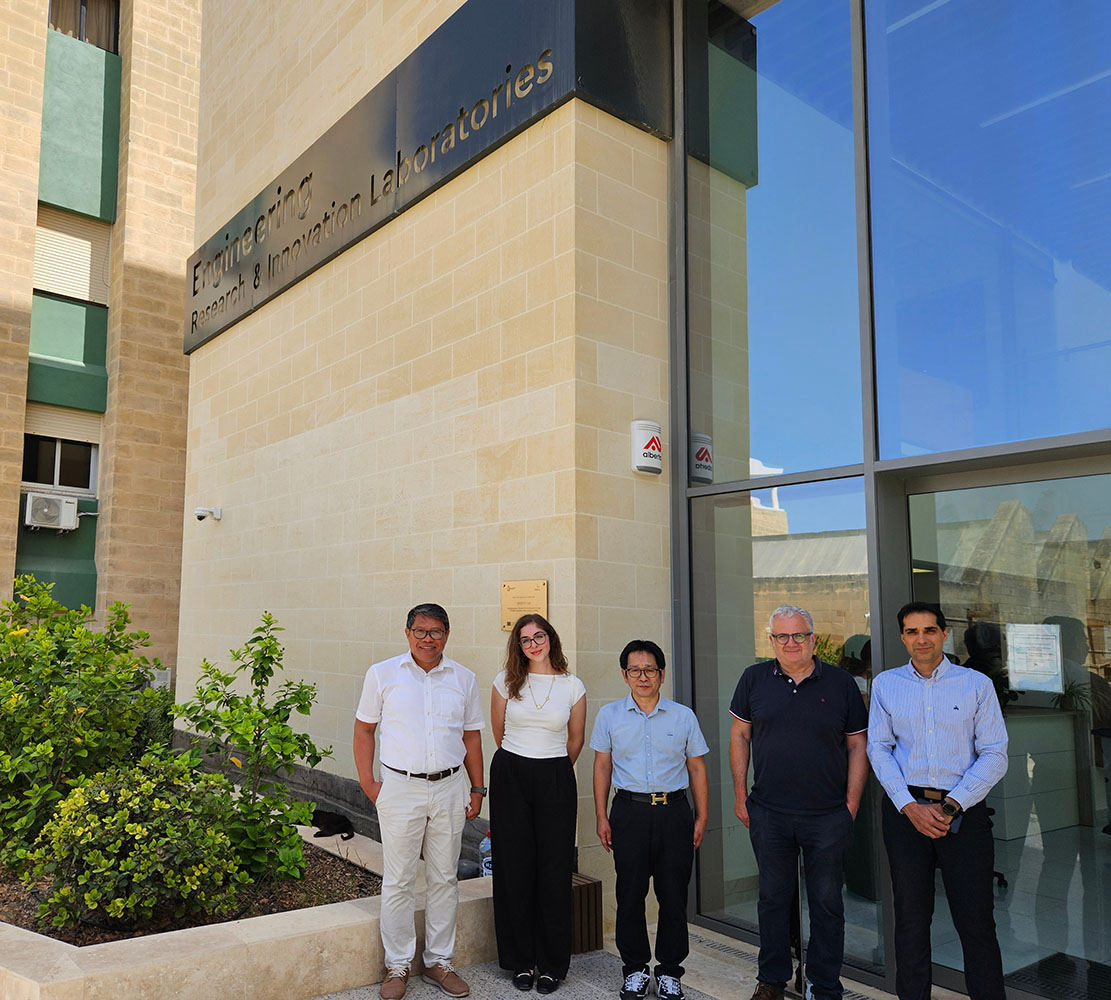
(Photo courtesy of the AMBER team)
In parallel, Dr Sohail Yasin is conducting a Volatile Organic Compound (VOC) Life Cycle Assessment (LCA) to evaluate the environmental impact of the new materials and manufacturing processes. This analysis will quantify potential energy savings and reductions in carbon emissions compared to conventional rubber production methods.
By the project’s completion in 2027, the AMBER consortium aims to produce joint scientific publications and pursue patents related to sustainable TPV materials. More broadly, the project seeks to establish a long-term research platform that strengthens technological innovation and collaboration between Malta and China.
Project AMBER is funded by Xjenza Malta, in collaboration with the Ministry of Science and Technology (MOST) of the People’s Republic of China, under the SINO-MALTA Fund (SINO-MALTA-2024-13).




Comments are closed for this article!