Skip to content

Design

Facebook
Twitter
LinkedIn
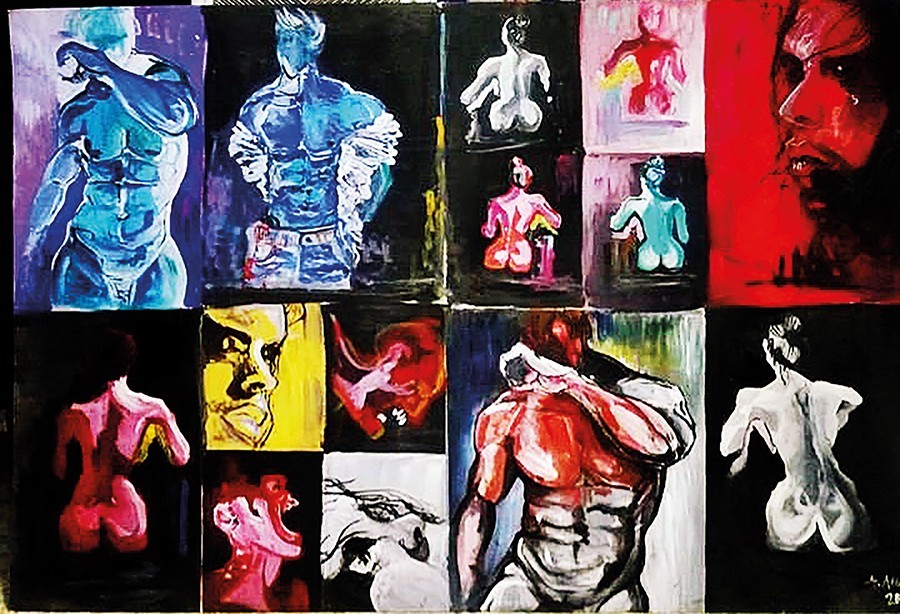
Prostitution no.2 by Abigail Attard Prostitution is known as the oldest profession. It is also the one with the highest human cost. This artwork reflects the pain female prostitutes feel contrasted by the coldness of the men who fuel the business. Attard was inspired by news items on these issues, and her belief that more measures are needed to bring an end to the business that fuels the objectification of women.
Prostitution no.2
by Abigail Attard
Prostitution is known as the oldest profession. It is also the one with the highest human cost. This artwork reflects the pain female prostitutes feel contrasted by the coldness of the men who fuel the business. Attard was inspired by news items on these issues, and her belief that more measures are needed to bring an end to the business that fuels the objectification of women.


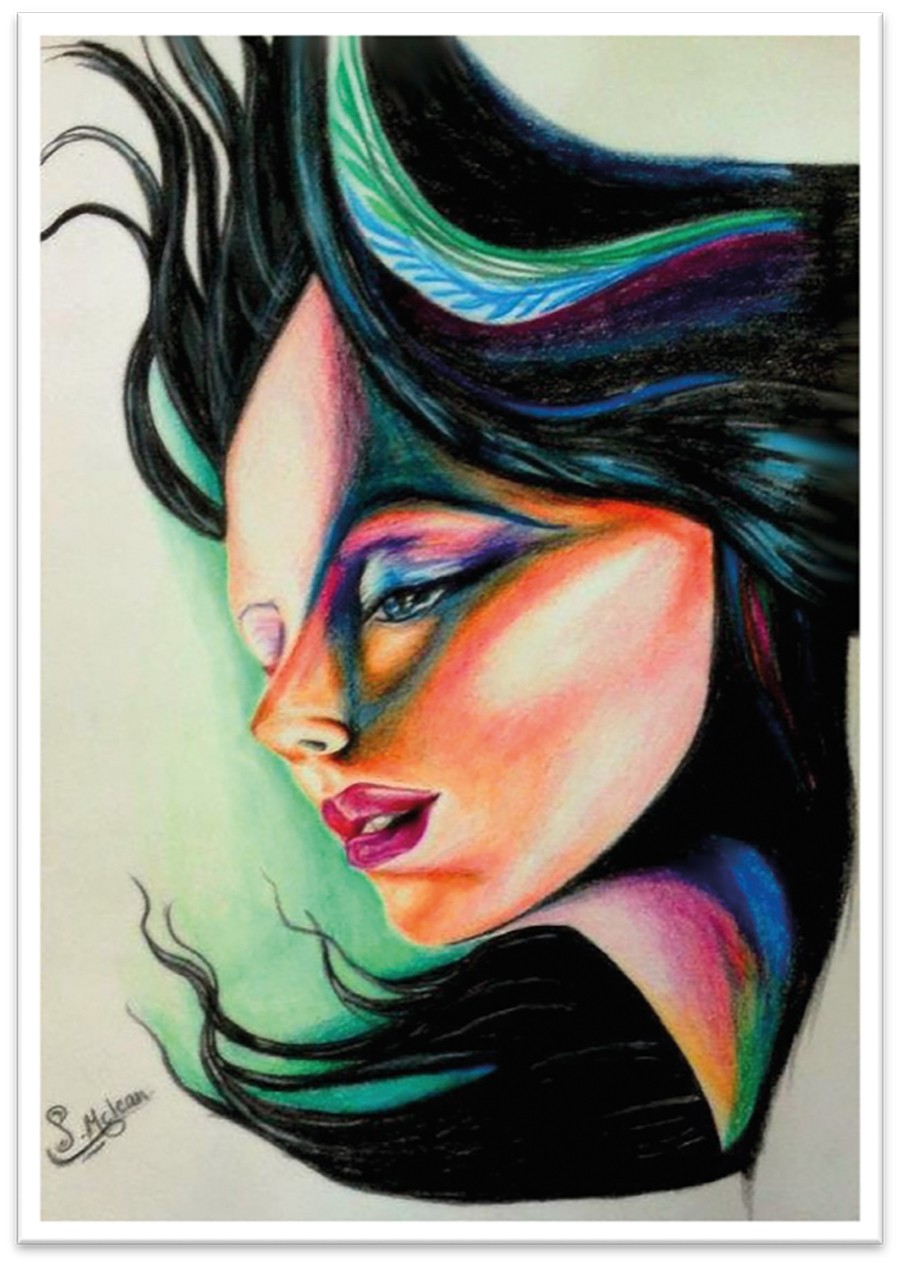
CuriouSedative by Sharon McLean Many idioms reflect how curiosity is not always a good thing. This artwork personifies the mental struggle suffered when a curious mind tries to seek tranquility. It also represents a person’s cautiousness sheltering the self from exposing their state of mind.
CuriouSedative
by Sharon McLean
Many idioms reflect how curiosity is not always a good thing. This artwork personifies the mental struggle suffered when a curious mind tries to seek tranquility. It also represents a person’s cautiousness sheltering the self from exposing their state of mind.


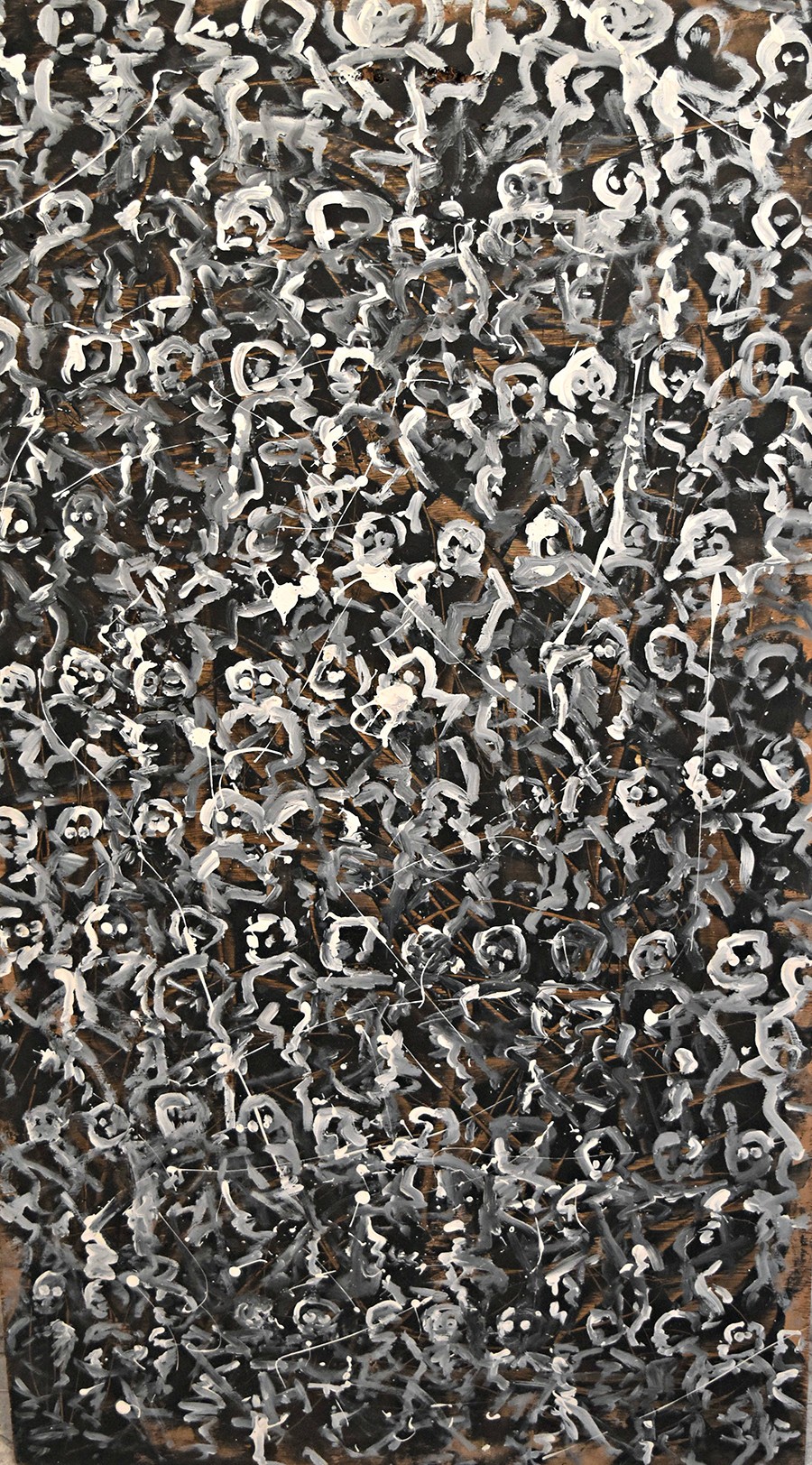
Untitled 1 by Lara Gove This artwork is part of a series interpreting a text known as Cities and the Dead 4 which is found in Italo Calvino’s book Invisible Cities. The painting reflects a state of decay, an entire city turned into a burial ground with confined spaces with restricted movement.
Untitled 1
by Lara Gove
This artwork is part of a series interpreting a text known as Cities and the Dead 4 which is found in Italo Calvino’s book Invisible Cities. The painting reflects a state of decay, an entire city turned into a burial ground with confined spaces with restricted movement.


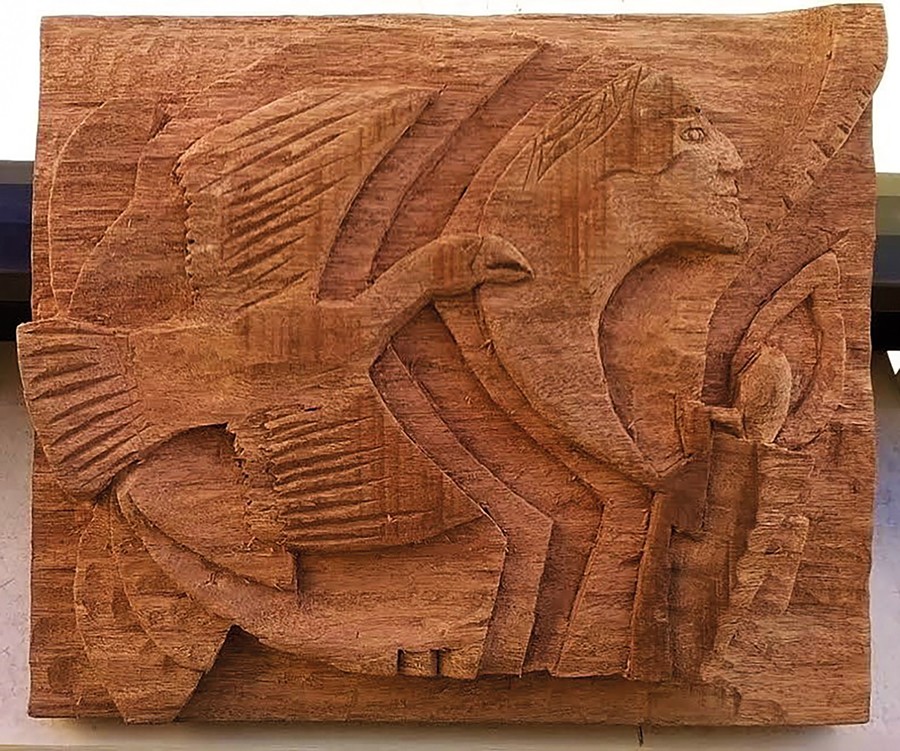
Wooden Sculpture no.1 by John Paul Muscat This artwork’s imagery reflects multiculturalism. It is the artist’s first wood carving.
Wooden Sculpture no.1 by John Paul Muscat
This artwork’s imagery reflects multiculturalism. It is the artist’s first wood carving.


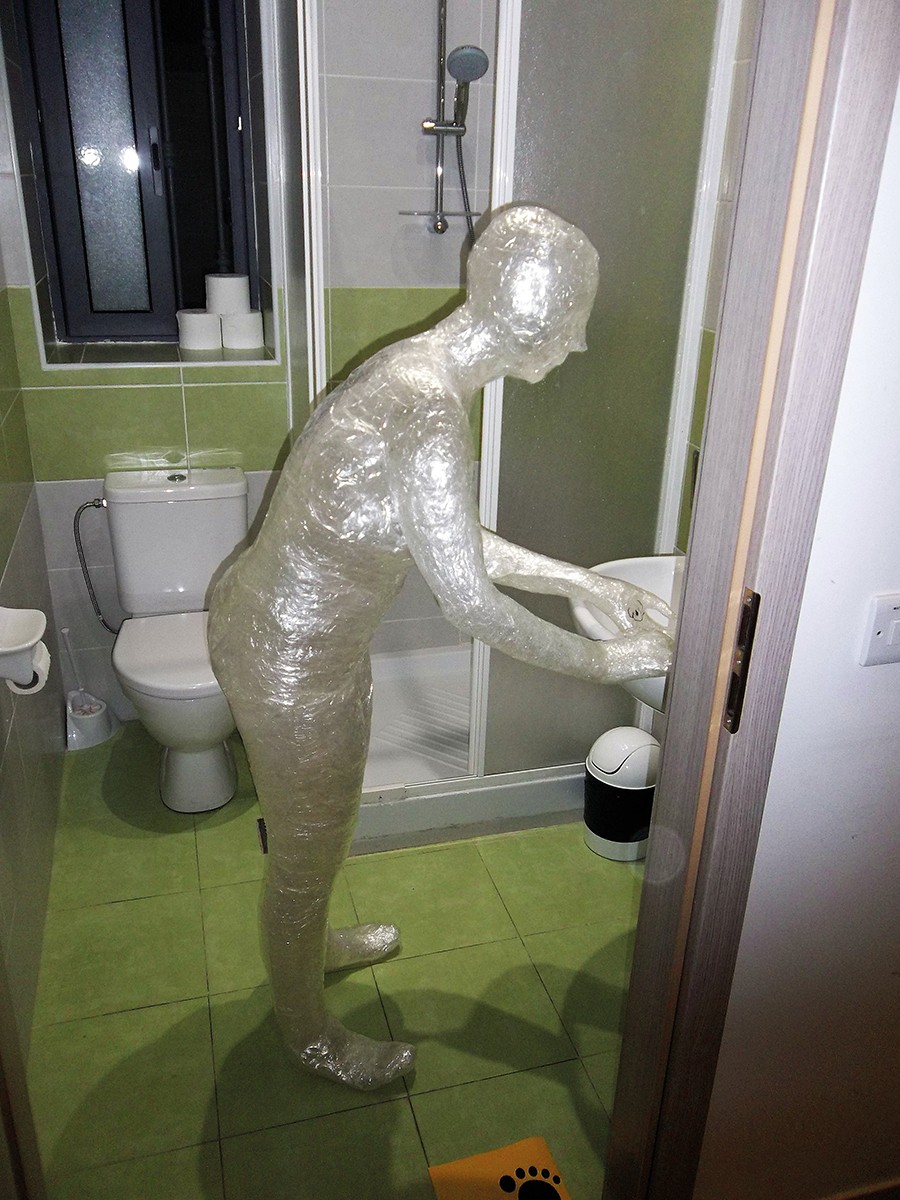
Hollow by Nicolai Schembri Cyberbullying can have dreadful repercussions. This art installation with figures made of transparent tape reflects the emptiness a person can feel when they are the victims of online harassment. The figures merged with their surroundings and became part of the space, with an almost ghost-like effect.
Hollow
by Cristina Formosa
Cyberbullying can have dreadful repercussions. This art installation with figures made of transparent tape reflects the emptiness a person can feel when they are the victims of online harassment. The figures merged with their surroundings and became part of the space, with an almost ghost-like effect.

Author

More to Explore

The Legacy of Press Freedom

At this year’s Mabel Strickland Memorial Lecture, international negotiator and mediator Nomi Bar-Yaacov argued that democracies are entering a period in which the crisis extends beyond censorship or attacks on journalists alone. As wars multiply, trust in institutions weakens, and information becomes increasingly mediated through algorithmic systems, the deeper problem may be that societies are losing their ability to agree on what is true in the first place.

Squeezing Out Waste: Transforming Malta’s Olive Waste into Green Goods

While olive oil production generates vast amounts of nutrient-rich waste, approximately 98% of the antioxidant-rich phenolics in olives are lost during oil extraction. To combat rapid degradation, the OliveGREEN team is exploring a novel strategy using sulphur dioxide and enzymes to stabilise olive pomace. THINK speaks with Dr Frederick Lia to learn why saving this discarded byproduct makes a difference.

More Than Four Walls: The Influence of the Library Space on Student Wellbeing

Academic libraries are often framed as quiet repositories of knowledge, but their influence runs deeper. As student mental health concerns intensify, these spaces are emerging as critical environments for connection, comfort, and care. Beyond books and databases, the design, atmosphere, and activities of a library can shape how students feel, cope, and belong within the wider university experience.

Comments are closed for this article!