

As Malta’s cannabis sector continues to develop, understanding plant health risks is becoming increasingly important. This study provides the first structured insight into the presence of Hop Latent Viroid (HLVd) in local cultivations, offering practical guidance for growers and contributing to long-term industry sustainability.
Cannabis cultivation in Malta is still in its early stages, with licensed non-profit organisations (NPOs) leading the way in building a responsible and regulated sector. However, like any agricultural system, it is not without its challenges. One of the most significant and largely invisible threats to cannabis cultivation worldwide is the presence of plant pathogens. Among these, a particularly concerning agent known as Hop Latent Viroid (HLVd) has emerged as a major issue for growers, capable of silently reducing crop quality and yield without always showing obvious signs.

In response to this growing concern, a nationwide research project was undertaken by Dr Alex Johnson to investigate the presence and spread of HLVd within cannabis cultivations across Malta and Gozo. The study aimed to better understand the extent of the issue locally and to provide growers with valuable information to protect their crops. Importantly, this research was made possible through the financial support of Xjenza Malta, whose funding enabled the development of laboratory capabilities and the execution of a structured scientific investigation into plant health in this emerging sector.
The Growing Importance of Plant Health in Cannabis Cultivation
In collaboration with 12 licensed NPOs, this study utilised new sampling methods to assess the health of cannabis plants from a variety of cannabis strains grown under different conditions. To ensure data integrity, participation was voluntary and strict confidentiality was maintained throughout. Over an eight-month period, more than 400 individual plant samples were collected and analysed, making this one of the most comprehensive studies of its kind conducted locally.
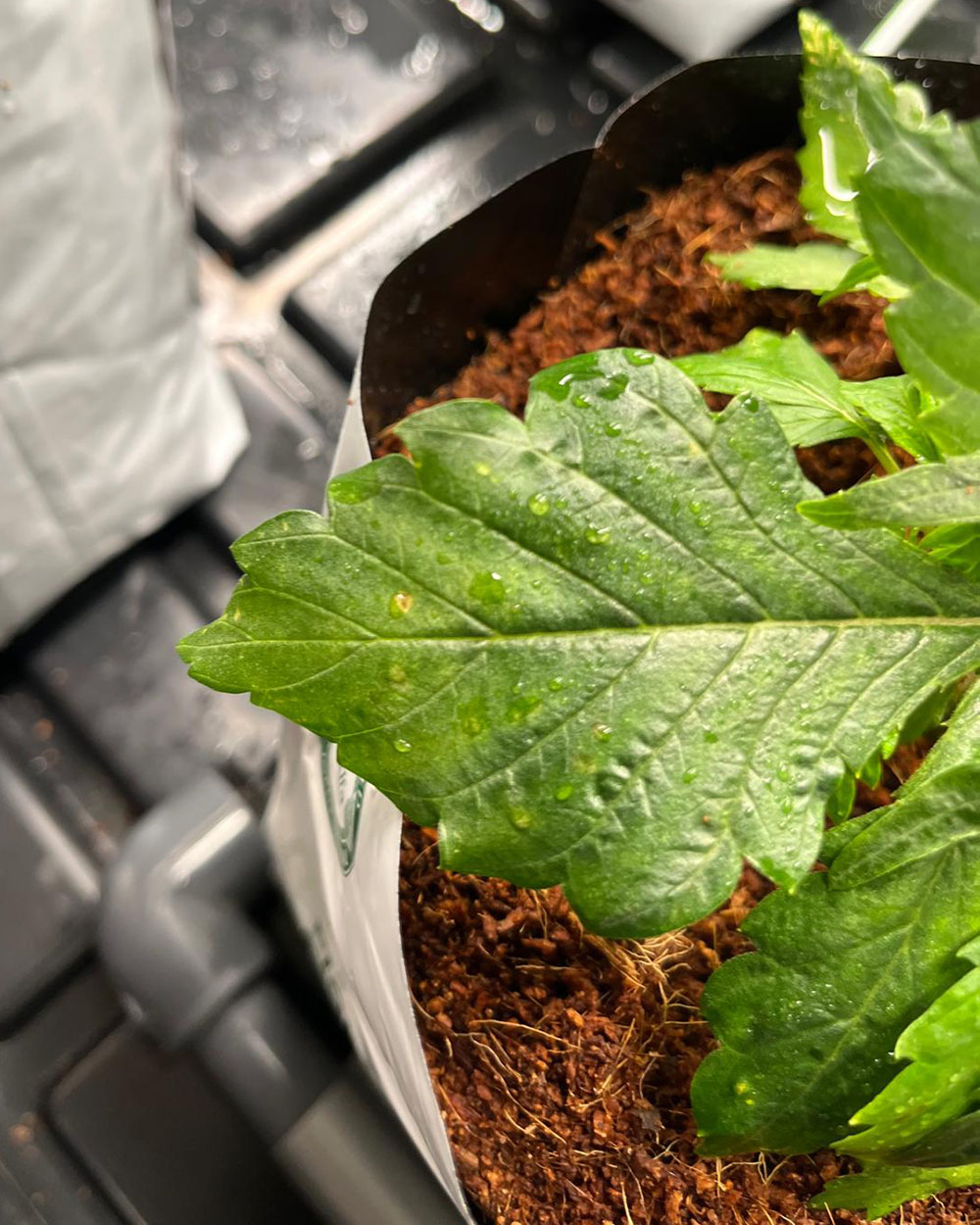
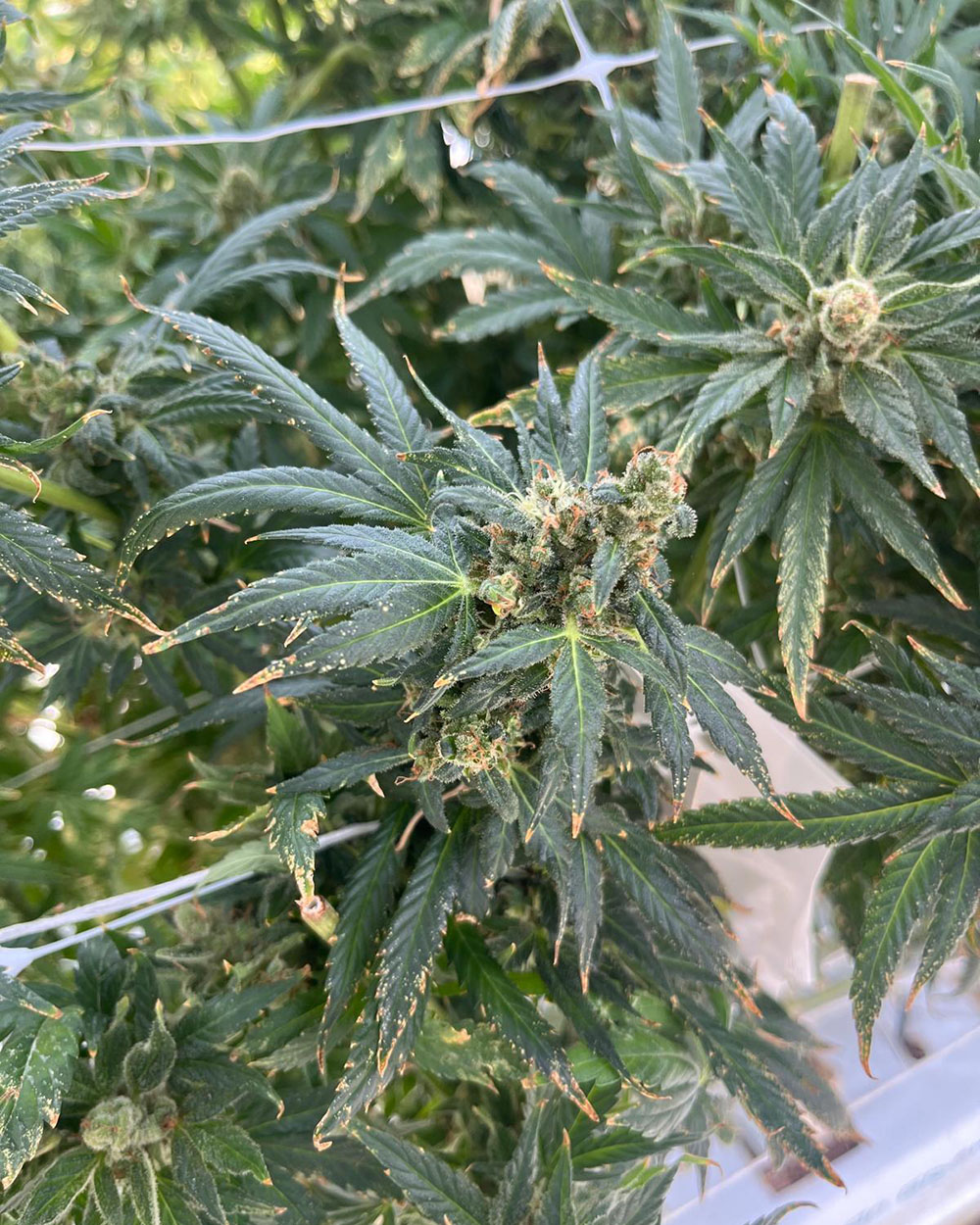
To carry out the research, a specialised laboratory method was developed and optimised to detect HLVd in plant tissue. This involved extracting genetic material from samples and analysing it using molecular techniques designed to identify even low levels of the viroid. The process allowed researchers to determine, with a high degree of accuracy, whether a plant sample was infected. The findings were both significant and informative. The study revealed that HLVd is indeed present in local cannabis cultivations, with a substantial proportion of tested plants showing signs of infection (see Figure 1). While this may sound alarming, it is important to note that such levels are not unusual when compared to international data. In fact, HLVd has been widely reported in cannabis-growing regions around the world, often going undetected due to its subtle effects.
Key Outcomes and Implications for Local Cultivation Practices
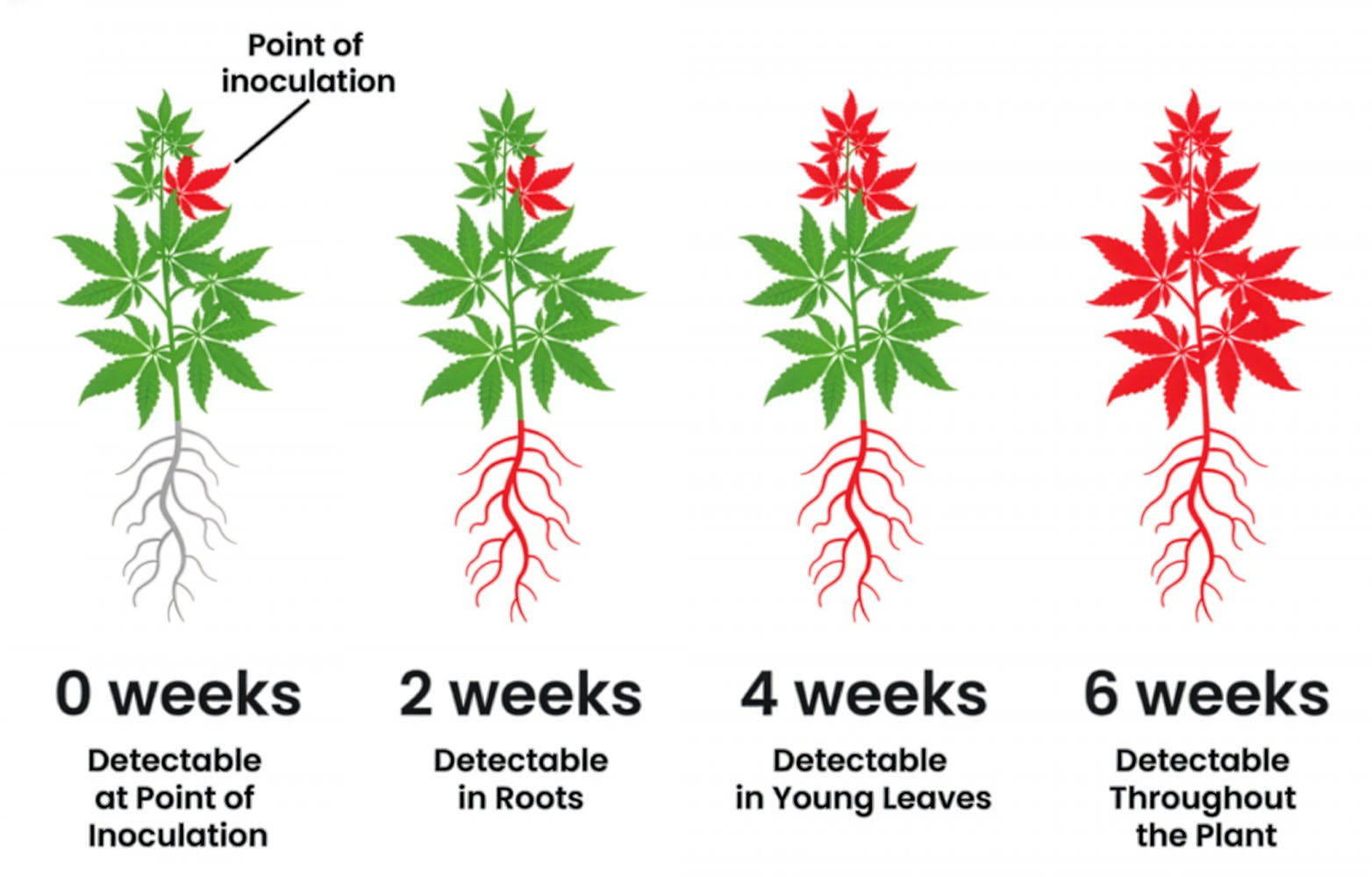
One of the most valuable outcomes of the project was the direct benefit provided to participating growers. Each NPO received confidential feedback on their results, allowing them to take proactive steps to manage plant health. In several cases, growers implemented measures such as removing infected plants and using clean propagation techniques to produce new, healthy crops. Follow-up observations indicated that these interventions were effective in reducing or even eliminating the presence of HLVd in subsequent plant generations (see Figure 2). This demonstrated the practical impact of early detection and highlighted the importance of routine testing in maintaining healthy crops.
Beyond the immediate results, the project has also contributed to building local expertise in plant pathogen detection. Prior to this research, there was limited capacity in Malta to carry out such specialised testing. The establishment of laboratory protocols and diagnostic workflows now provides a foundation for future studies and ongoing monitoring efforts. This is particularly important as the cannabis sector continues to develop, with increasing emphasis on quality, consistency, and safety. The study also highlighted that collaboration and open communication among researchers, regulatory bodies, and cultivators were key to the project’s success. This collaborative approach not only strengthened the research itself but also helped build trust and awareness within the community.
Looking ahead, there is clear potential to expand this form of research further by exploring additional plant pathogens, investigating the broader impact of infections on crop quality, or introducing more advanced diagnostic technologies. There is also an opportunity to develop routine screening programmes that could support growers on an ongoing basis, helping to safeguard the health of cannabis crops across the islands.
The team would like to thank Xjenza Malta for the opportunity and financial support required to undertake this research under the 2024 MCST – FUSION Research and Innovation: Research Excellence Programme.
Further Reading
Adkar-Purushothama, C. R., Sano, T., & Perreault, J. -P. (2023). Hop latent viroid: A hidden threat to the cannabis industry. Viruses, 15(3), 681–691. https://doi.org/10.3390/v15030681




Comments are closed for this article!