

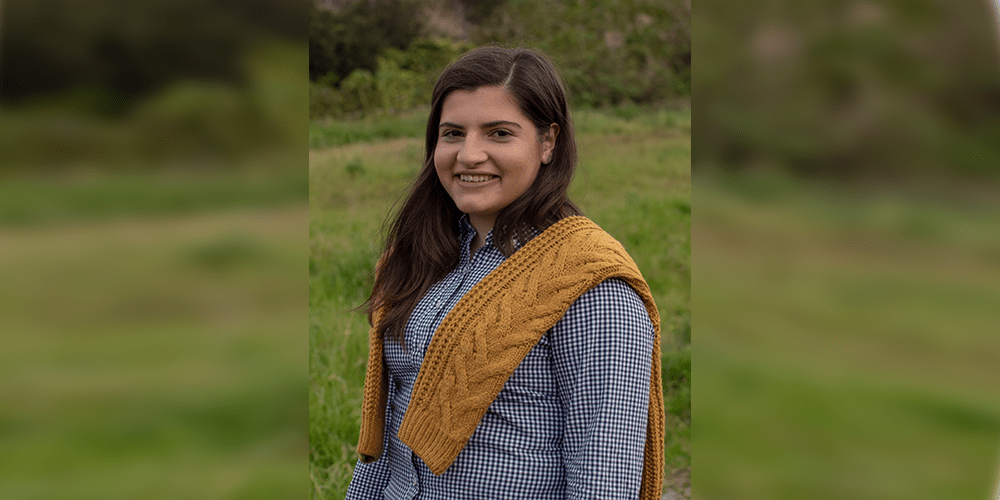
Author: Maria Elena Galea
In the fast-paced world of today, the word ‘slow’ often conjures negative feelings. When on holiday, many people rush attractions, taking snapshots to create proof of their visit for social media. In Malta, popular tourist apps guide visitors to overcrowded beaches, while there are a lot of small villages that tourists never discover. As a passionate traveller, I chose to integrate the concept of slow living into my dissertation and explore how user interface design can help people appreciate the place they are visiting.
Supervised by Malcolm Bonello, I created an interface for a mobile application that can offer a different travel experience to individuals desiring to discover less visited places in a leisurely manner. I decided to name my mobile app Datsuzoku, which means ‘escaping routine’ in Japanese. It combines travel inspiration and documentation in one application. This is done by following the principles of Zen while connecting with the world, ourselves, and the people around us.
When the interface is further developed, the app will send a daily reminder to the user with a suggestion to spend some time outdoors, escaping the routine. Over time, the community of users will generate challenges and suggestions for each other. The use of social media through the app is minimal. After completing several challenges and achieving badges, the app allows the user to add their personal Instagram handle, so that users can connect and make friends through Instagram.
After graduating with this project, I went on to spend three weeks volunteering in Cairo, Egypt. Deciding to embark on such an experience with the University Chaplaincy was something that fit well with Datsuzoku’s vision. As a group of 13 volunteers, we lived simply, excluding all non-essentials. This tranquil experience stimulated connectedness, calmness, and harmony within the group, giving us a sense of family and belonging. I feel that this has helped me grow as a person.
Back in Malta, I am planning to take this application further. I have several offers from various software developers, including the University of Malta itself. Many people have encouraged me to make it work so that they can use it in their daily lives. These comments give me the energy and determination I need to make slow travel a reality for others.
Maria Elena Galea is a recent graduate of the Bachelor of Fine Arts in Digital Arts (Faculty of Media and Knowledge Sciences) course.



Comments are closed for this article!