Skip to content

Come ‘Here’!

Facebook
Twitter
LinkedIn

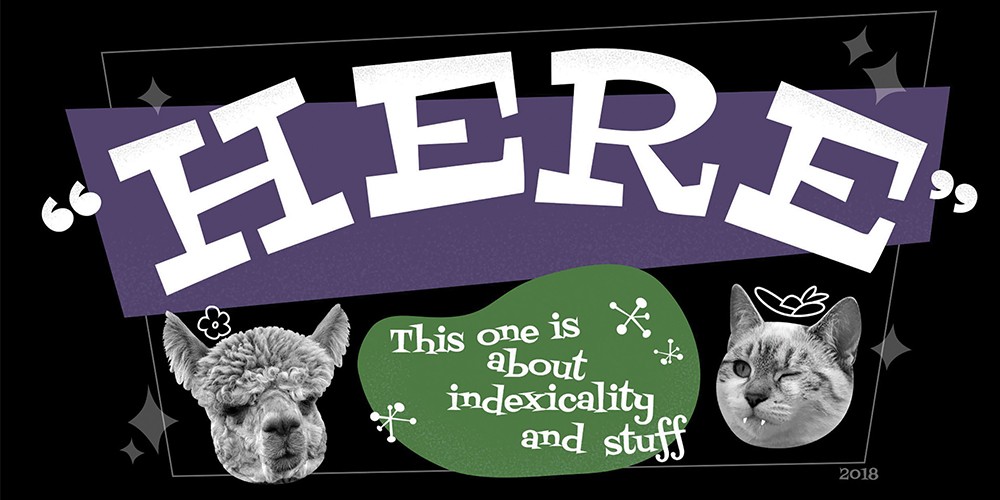
A pointed index finger can mean many things. It can direct our attention to something, show us which way to go, or demand silence. It all depends on context—the situation in which it is used. This is what philosophers refer to as ‘indexicality’. And yes, you guessed it, the word ‘indexicality’ comes from the name of that particular finger.
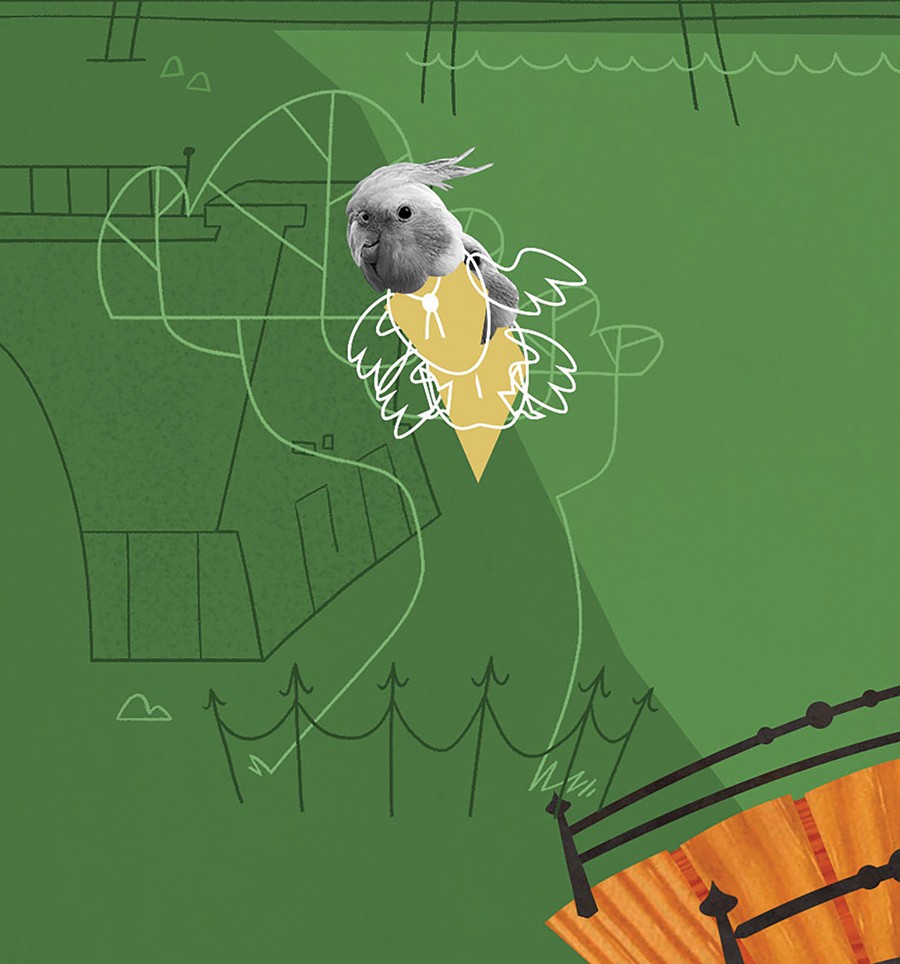
Birdy from ‘Here’ game
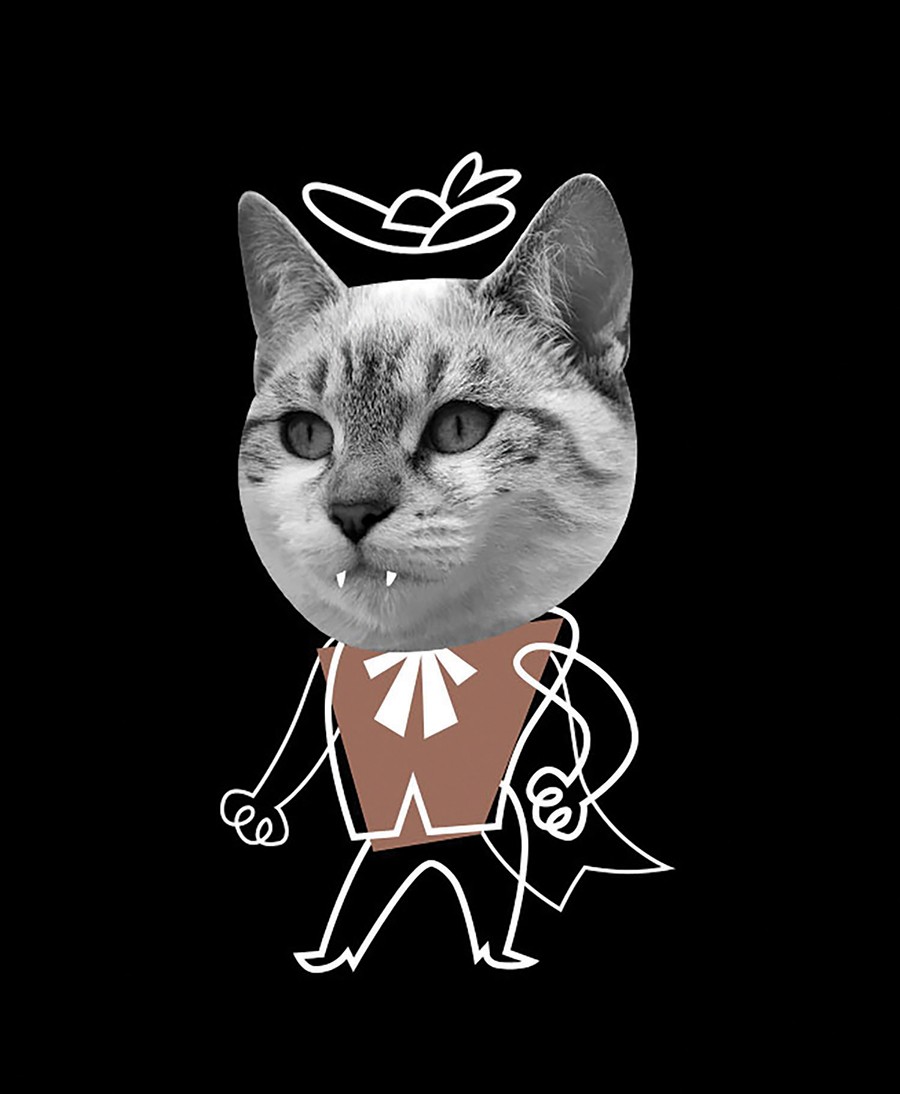
Wessel the cat from ‘Here’ game

At the University of Malta’s Institute of Digital Games, Prof. Stefano Gualeni has been playing around with this concept. Featuring the voice acting talents of independent game developers Emily Short and Pippin Barr, Gualeni has created a video game called Here, designed for players to engage with (and get confused by) the concept of indexicality. 

Here’s gameplay poses the question of what it means when we say ‘here’ in a game world, and how many meanings of ‘here’ can exist side-by-side in a video game. It uses the trope from Japanese Role Playing Games of going on quests to retrieve bizarre items from classic locations. Spooky caves and castles are all part of the repertoire of locations that players can explore. But then, where do you go if ‘here’ is your instruction? What if ‘here’ isn’t where you think it is? What if you’re supposed to go upside down instead?   

To try the game yourself, visit www.here.gua-le-ni.com

Author: Cassi Camilleri

Author

More to Explore

A Blood Test That Could Follow Cancer in Real Time

A pioneering collaboration between Omnigene Medical Technologies Ltd and the University of Malta is developing a liquid biopsy platform that could transform how cancer is monitored. Called M3Profiler, the technology analyses tumour-derived exosomes – tiny vesicles released into the bloodstream by cancer cells – to generate detailed molecular profiles from just a small blood sample.

Can Your Genes Influence Addiction Risk?

Why do some people develop addiction while others do not, even when exposed to similar life experiences or substances? While environment, trauma, stress, and social circumstances are all major contributors, new research increasingly suggests that biology also plays an important role.

Malta and Uzbekistan: A Tale of Two Countries

A joint effort between UM’s Department of Translation, Terminology and Interpreting Studies and Prof. Gulnoza Odilova, who heads the Department of Theory and Practice of Translation at Kimyo International University of Tashkent, has led to the production of Rakkonti mill-Bogħod, Stejjer Qosra mill-Użbekistan, published by Kite Group in March 2025. Funded by the 2024 Malta Book Fund, Prof. Sergio Portelli and Dr Claudine Borg edited the translation of ten classic stories of Uzbek heritage and folklore into Maltese.

Comments are closed for this article!