
Skip to content

Would you dare?

Facebook
Twitter
LinkedIn

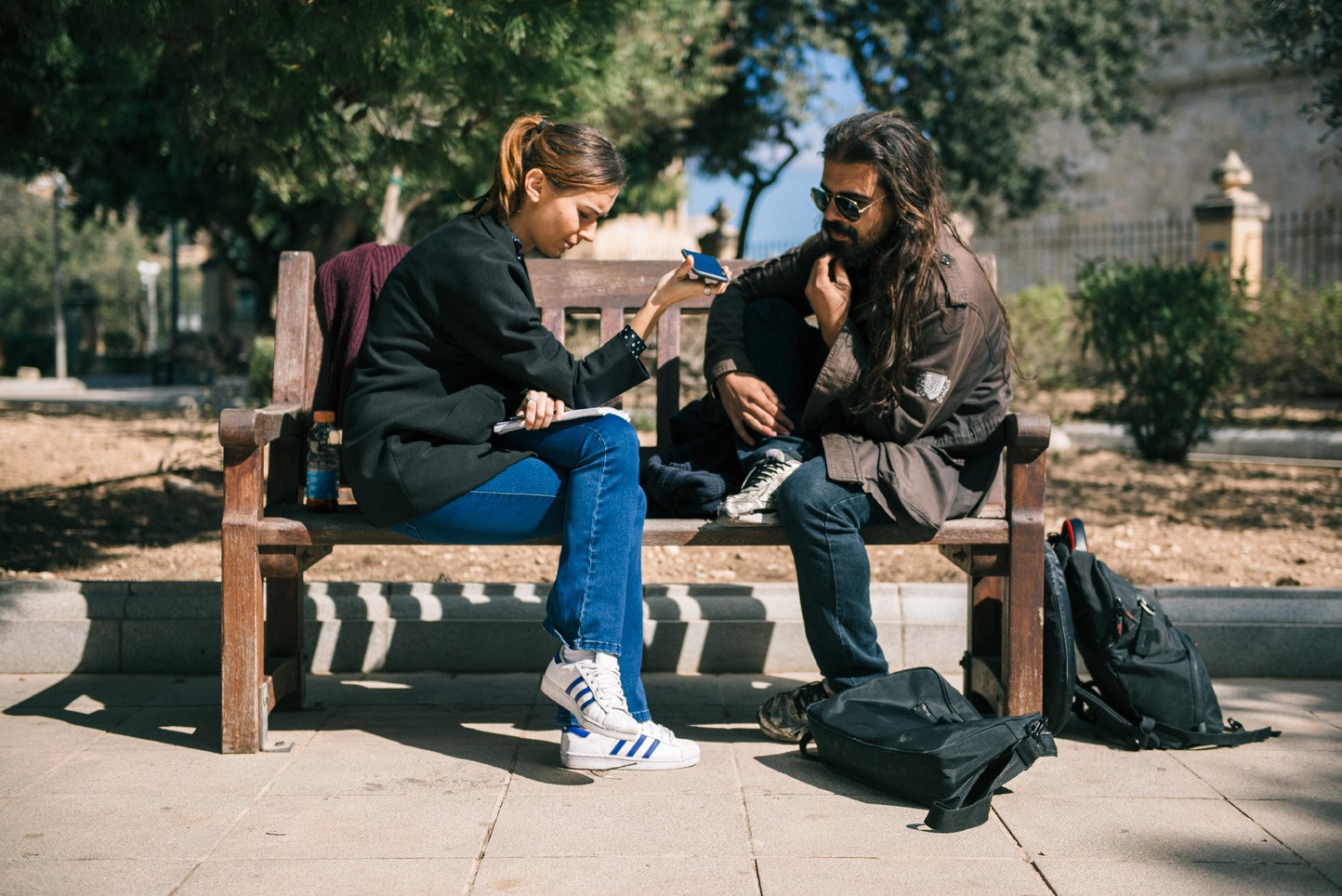
Would you dare going on a ghost hunt? Victoria Cutajar did, and talks to DARE magazine about her intense trip into the unknown. The third year communication students of the ‘Magazine and Digital Publishing’ study unit (Faculty of Media and Knowledge Sciences), collected people’s personal stories and crafted them into a well rounded, highly visual publication. Refreshingly, the magazine takes a big step outside the box—themed around people who dare to act differently and push their own limits.
War veteran Matthew Camilleri served in Iraq. For DARE he relives the sleepless nights under gunfire, a near death experience, and why he eventually quit the army. The magazine heavily focuses on people’s personal experiences, rather than hard facts and numbers. Another one is Martina’s story (name changed). Since her early youth she identified with the opposite gender, but had trouble being acceptance by her parents and society. Today she helps other transgender people to deal with similar issues. These are just a taste of the people featured in the magazine.
Topics in DARE range from building a successful business to traveling the world, and combating depression to religious belief. DARE wants people to take a leap of faith, and not hide behind a mask defined by society.

Dare to take a look for free.

Author

More to Explore

The Legacy of Press Freedom

At this year’s Mabel Strickland Memorial Lecture, international negotiator and mediator Nomi Bar-Yaacov argued that democracies are entering a period in which the crisis extends beyond censorship or attacks on journalists alone. As wars multiply, trust in institutions weakens, and information becomes increasingly mediated through algorithmic systems, the deeper problem may be that societies are losing their ability to agree on what is true in the first place.

Squeezing Out Waste: Transforming Malta’s Olive Waste into Green Goods

While olive oil production generates vast amounts of nutrient-rich waste, approximately 98% of the antioxidant-rich phenolics in olives are lost during oil extraction. To combat rapid degradation, the OliveGREEN team is exploring a novel strategy using sulphur dioxide and enzymes to stabilise olive pomace. THINK speaks with Dr Frederick Lia to learn why saving this discarded byproduct makes a difference.

More Than Four Walls: The Influence of the Library Space on Student Wellbeing

Academic libraries are often framed as quiet repositories of knowledge, but their influence runs deeper. As student mental health concerns intensify, these spaces are emerging as critical environments for connection, comfort, and care. Beyond books and databases, the design, atmosphere, and activities of a library can shape how students feel, cope, and belong within the wider university experience.

Comments are closed for this article!