

What does it take for a micro-economy like Malta’s to sustain a thriving book industry? How can local authors compete with international markets, and what economic challenges are shaping the literary world? With its inaugural edition, ‘The Economy and the Book’, the National Book Council’s first Annual Book Conference sets out to answer these questions, bringing together key players to contemplate the industry’s future.
When you pick up your favourite book, do you ever think about how many different people put together the story you’re holding? From the author to the editor, publisher, bookbinder, and bookseller, the literary field encompasses various disciplines well beyond the written word. The book in your hand represents a thriving global industry that intertwines with culture and art, but also policy and the economy.
You might wonder what Malta has to offer such a juggernaut and question its capacity to compete on the global stage. However, the National Book Council (NBC), Malta’s focal entity in the literary sphere, challenges the narrative that small island communities cannot meaningfully contribute to this international industry. NBC’s executive chairperson, Mark Camilleri, sat down with THINK to explain just how this ecosystem is nourished on our islands, and more specifically, how NBC is sustaining Malta’s literary excellence through a new initiative – the first Annual Book Conference.
Nurturing Malta’s Literary Ecosystem
NBC has long been leading the charge to strengthen Malta’s literary sector, here at home and abroad. The annual Malta Book Festival has become a staple cultural event, bringing in 40k attendees last year, and stokes early literary passions through free book vouchers for students. NBC’s Malta Book Fund has showcased the invaluable works of Maltese writers for over a decade, and the National Book Prize – Malta’s highest literary award – continues to elevate the voices shaping our country’s book industry. Yet, as Camilleri stresses, these initiatives are not the end goal but a springboard to position Malta on the international stage, launching our literature and industry into the EU market and beyond.
Camilleri believes that by internationalising and resisting complacency, we can shine a brighter spotlight on Malta’s publishing community to nurture a vibrant industry capable of withstanding the economic storms often challenging small-language markets. With their recently developed Strategic Vision for 2025–2030, stemming directly from stakeholder consultations across the publishing sphere, NBC aims to cultivate a resilient ecosystem where creativity and economic viability go hand-in-hand. This mentality has birthed the first Annual Book Conference – a multi-stakeholder meeting ground for networking, professional development, and critical reflection on key structures and challenges moulding Malta’s literary sector.
The Annual Book Conference: A Space where the Economy and Literature Intertwine
The Annual Book Conference emerged from a need to ‘seriously and professionally discuss the needs of the industry,’ Camilleri says – that is, the most pressing challenges affecting stakeholders across the literary landscape, including consumers. Camilleri highlights that rising paper costs, competing cultural initiatives, the decline of independent bookshops, and dwindling consumership have all placed economic strain on the sector. For a micro-economy like Malta’s, where the literary market is inherently small, such challenges are magnified. Faced with these limitations, NBC designed a space where ideas and voices could meet to critically reflect on the economic influences shaping the literary landscape and forge unified goals to tackle these challenges.
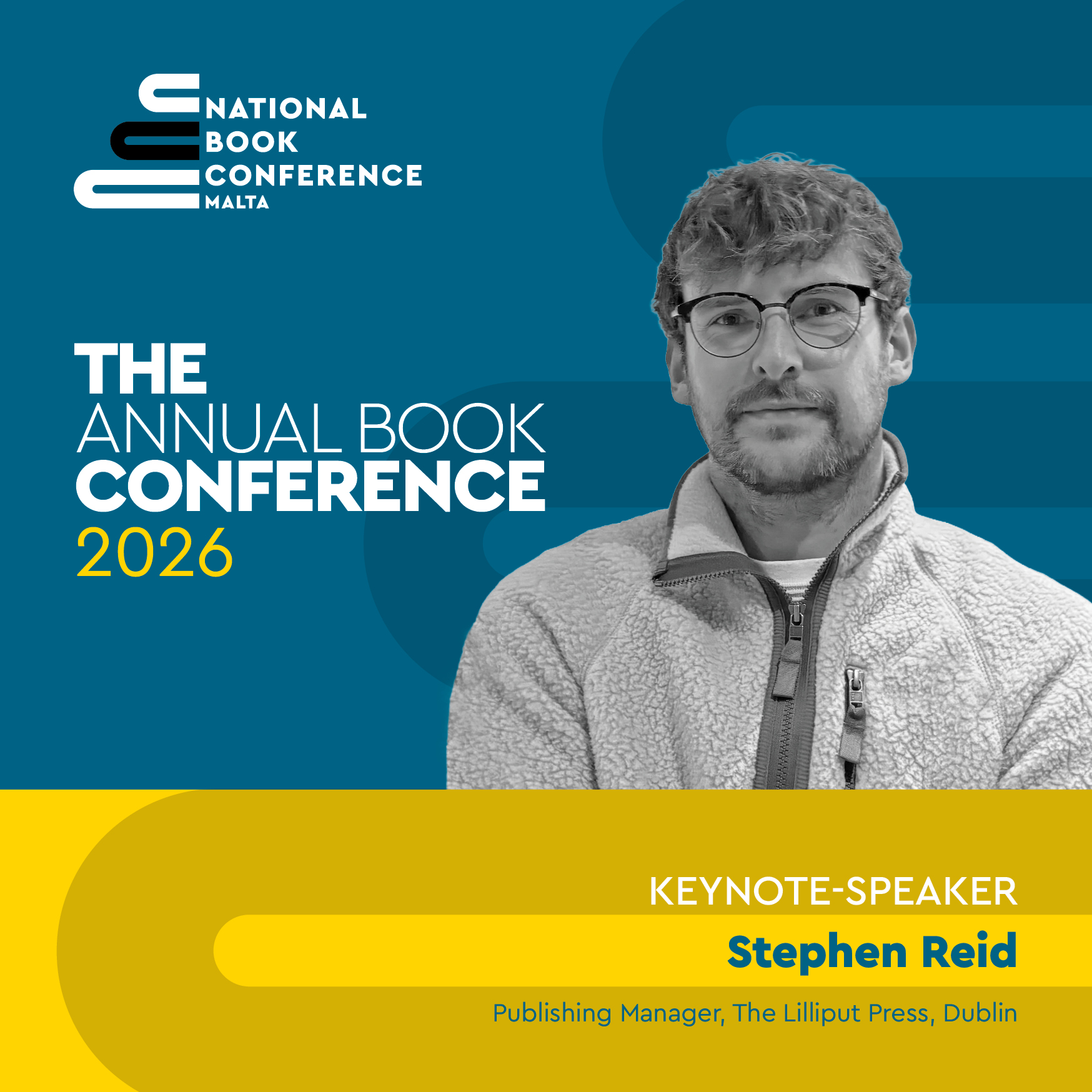
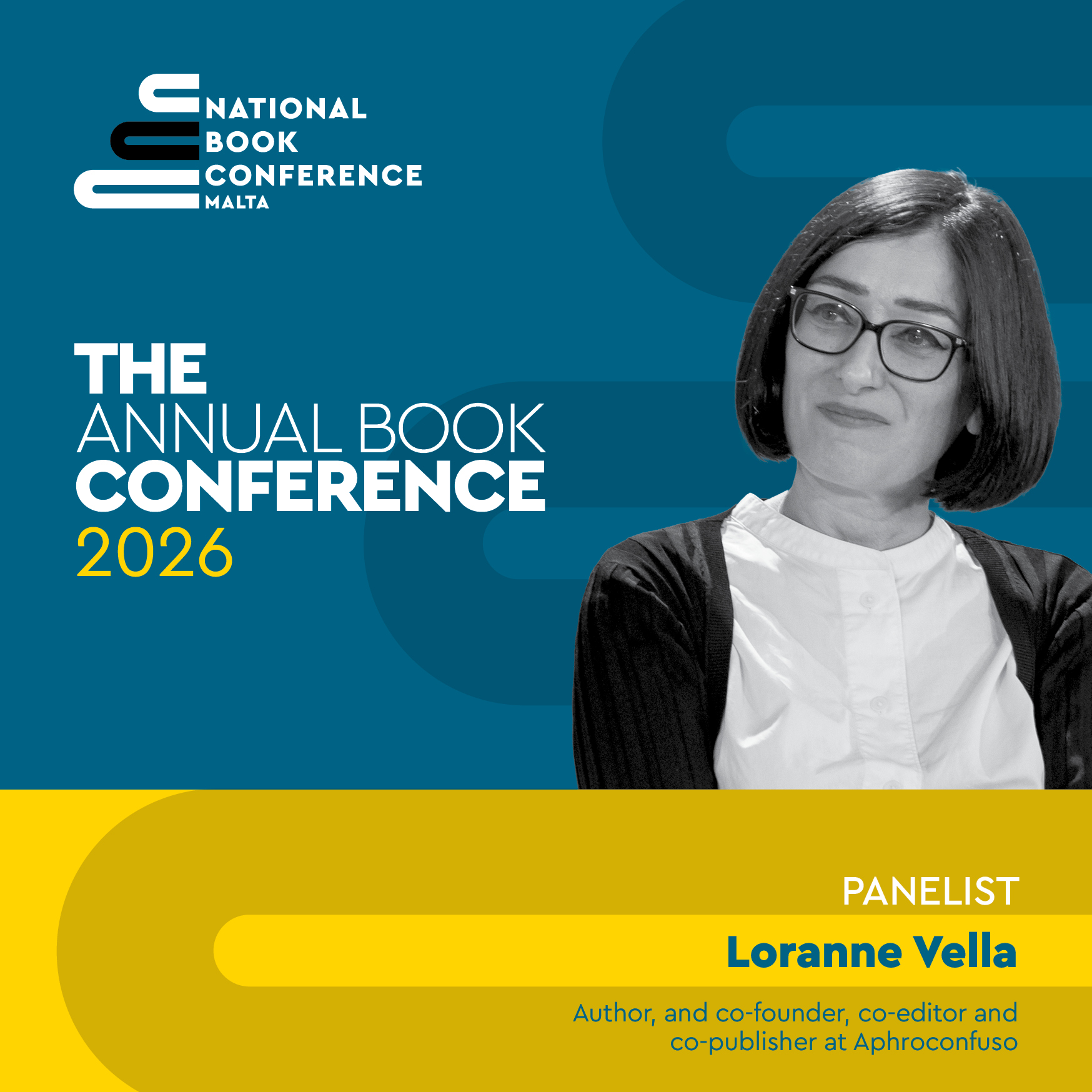
The conference is the first of its kind in Malta, bringing together publishers, authors, economists, academics, booksellers, policymakers, and more to reflect on the theme ‘The Economy and the Book’. The conference opens with ‘Publishing in a Micro-economy,’ setting the stage for the exchange. A keynote speech by Stephen Reid, Publishing Manager at Lilliput Press in Dublin, joins research presentations and discussions between publishers, economists, policy developers, and local SME stakeholders on how smaller economies can make their voices heard in a global industry. Following a networking lunch, the conference shifts to ‘Bookshop, Bookseller, and Consumer Dynamics’, delving deeper into the intersections of publishing, the economy, and policy which shape the literary landscape. Participants will hear from writers, publishers, cultural directors, and arts leaders in a panel discussion led by author and poet Dr Simone Inguanez, and listen in to firsthand accounts of the dynamics influencing exchanges between booksellers and readers.
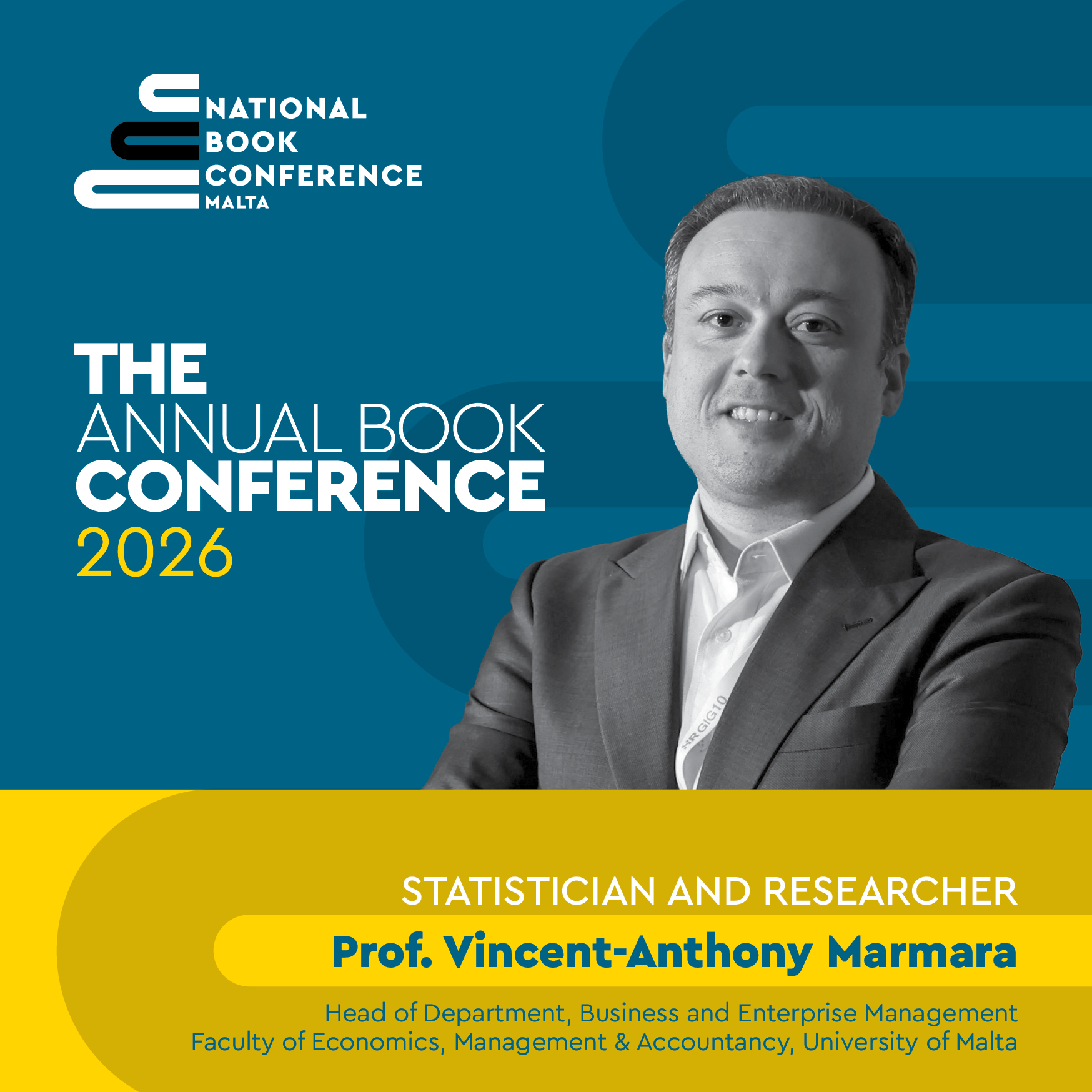
The highlight of the conference, however, is the two hours dedicated to focus groups, which bring together stakeholders for a menagerie of discussions to deepen understanding of how the market operates across the board and identify concrete issues and solutions stemming from lived professional experience. These voices will be intertwined in a comprehensive report aimed at informing future policy integral to the sustainability of the literary sector. Camilleri stresses that these focus groups will not only supplement NBC’s Strategic Vision but also nurture direct contributions from all industry players to shape and advocate for Malta’s literary ecosystem. Attendees, therefore, play a vital role in strengthening NBC’s efforts to bolster Maltese literary excellence, their voices directly and meaningfully contributing to future policy, funding, and action.
Beyond the Page: A Vision for Malta’s Literary Future
Camilleri emphasises that the conference’s goals extend beyond encouraging consumership. It’s about generating interest that translates into employability, growth, and investment across the publishing chain, linking with the sustainability goals of Malta Vision 2050. By championing success stories, looking beyond challenges, and recognising that small markets can still produce major voices, Camilleri highlights that the conference will be the first step in shifting disheartened mindsets, constrained by economic uncertainty, towards a more glass-half-full outlook. With new and emerging press houses, a concrete roadmap for economic sustainability, and the will to lobby for policy changes that protect local creators, Malta’s literary future remains bright.
There is still time to secure your place at the Annual Book Conference, taking place on May 8 at the DoubleTree by Hilton, Qawra. Be sure to register on the National Book Council’s webpage by April 20 to join the discussion: https://ktieb.org.mt/news-en/register-now-for-the-annual-book-conference/




Comments are closed for this article!