
Questioning Genetics and Posing Ethical Questions
The ‘de-extinction’ of the dire wolf has been one of the highest-profile scientific achievements of 2025. But the impression cultivated online is misleading – the dire wolf has not returned; it is being imitated. Five professors from the University of Malta have reacted to this complex story. In Part I, Prof. Patrick J. Schembri and Rev. Prof. Ray Zammit speak on its science and ethics, following an introduction to the series by Jonathan Firbank.
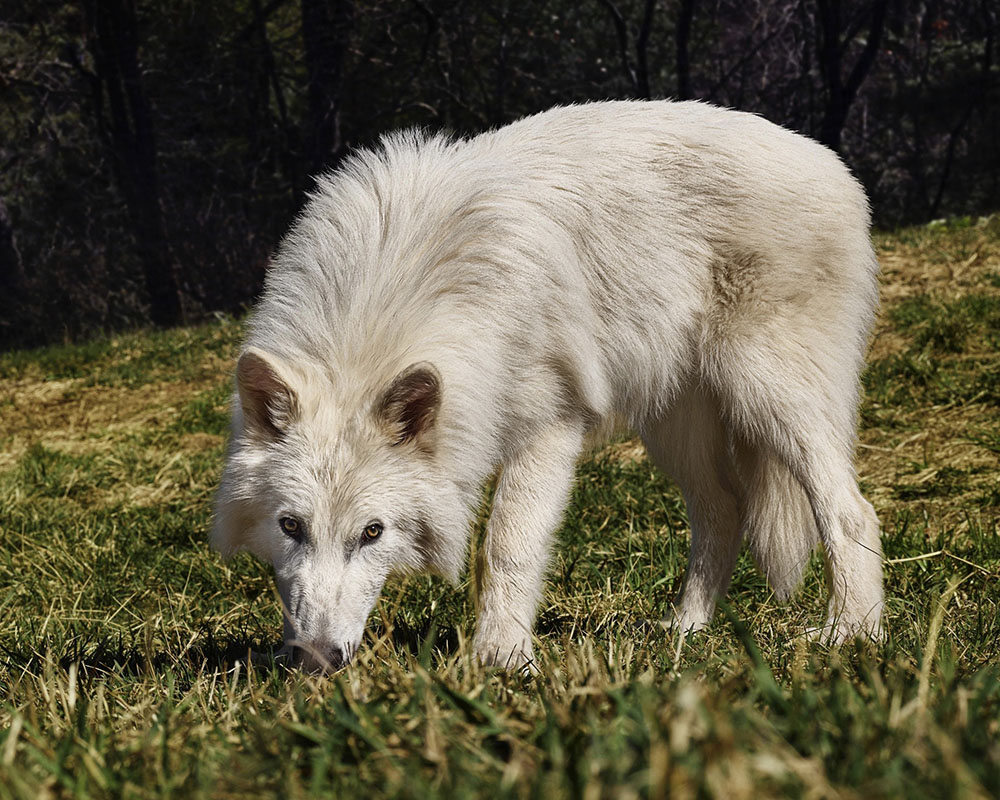
Since 7 April 2025, three white wolves have stalked our informational space. They are arrestingly beautiful even before being embellished with slick video production, bombastic music, and emotive taglines. In each promotional video, the staff of Colossal Laboratories & Biosciences narrate an enthralling story: the long-extinct dire wolf has been brought back from the dead.
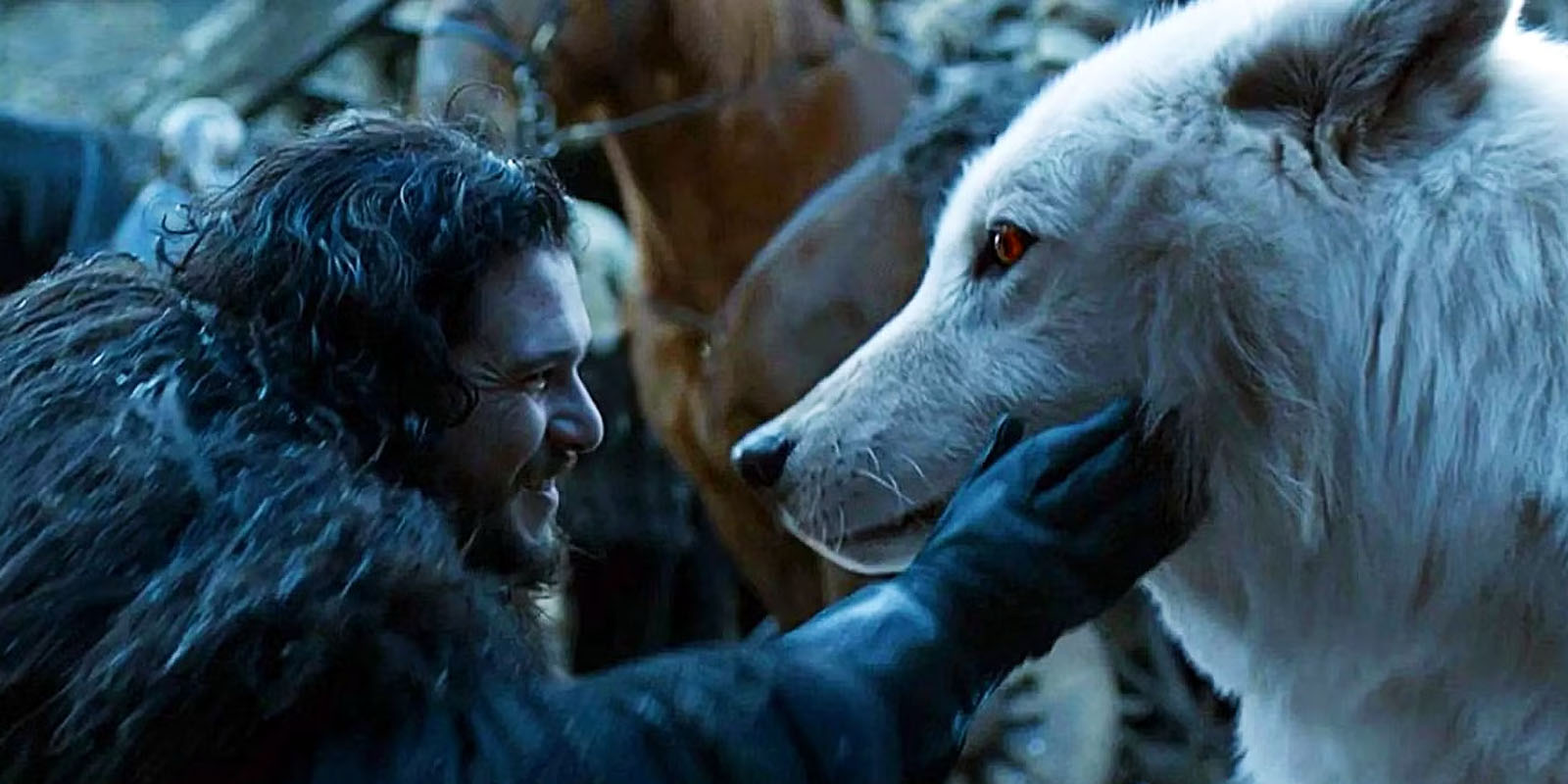
Of course, the audience for this media onslaught has no frame of reference. We have never seen a dire wolf – we can only estimate its aspect from bones. But we depict them in fiction often enough. The dire wolf has crept from natural history into fantasy, working its way through modern media into the popular consciousness. In their most popular outing, the televised Game of Thrones, they were portrayed by large, wolfish dogs, scaled up with CGI. Some might find it surprising that Colossal’s revenants looked so much like these modified dogs. After all, dire wolves are not wolves – they are their own species, distanced by 10,000 years.
Colossal’s marketing ground its way through social media, its representatives promoting their three puppies wherever credulity were high. The Joe Rogan podcast and mainstream news – susceptible to slick presentation – were well leveraged. But, when the story hit New Scientist, it hit a wall. The headline? “No, the Dire Wolf has not been brought back from extinction.” It claimed these fantasy wolves were still just fantasy. Grey wolves had been altered to resemble their ancient cousins more closely.
Colossal’s videos have touted community engagement, as though these wolves were going to be reintroduced to the wild. This will not happen; they will live in captivity lest they breed with other grey wolves. The best possible outcome of this work is that extinction gaps in our ecosystems could be filled, not by a genetic recreation of the animal we destroyed, but by its simulacrum. But this simulacrum – an imitation of the dire wolf in the body of a grey wolf – may have unpredictable interactions with its ecosystem.
When addressing criticism, Colossal published a video that suggested introducing modified birds that are resistant to cane toad poison. The irony is palpable – the cane toad itself was introduced to Australia’s ecosystem with good intentions but disastrous results. And lurking, leeringly, behind the fanfare is a more immediate danger. Colossal’s publicity campaign was designed to secure funding, hence the choice of such a popular animal. But the timing was terrible, the USA’s new administration shocked investors into a global sell-off. That same administration has espoused open disdain for conservation and climate protections. The new Interior Secretary, an ally of the fossil fuel industry, celebrated on social media on the day these ‘dire wolves’ were announced. His tweet was long, but the message was simple: why be sad about extinction when we can just bring things back to life?
But the dire wolf – never mind the incalculable number of species we have driven to extinction – is not being brought back to life. We have, instead, approximations to what we think the dire wolf looked like externally.
This revelation has disappointed many, but Colossal’s project is, in and of itself, a remarkable achievement with massive implications for our sciences and our ecosystems, both positive and negative. These three wolves call for three levels of examination:
- The science and marketing employed by Colossal
- The ecological and ethical implications of Colossal’s work
- The ecological and ethical implications of de-extinction (according to its literal definition beyond Colossal’s work)
All this while keeping in mind that even if Colossal had mastered resurrection, the dire wolf would now be an invasive species, with all the turmoil that implies. To explore these questions, five professors from the University of Malta speak on the subject, beginning with Prof. Patrick J. Schembri from UM’s Department of Biology and Rev. Prof. Ray Zammit from the Department of Moral Theology.
Prof. Patrick J. Schembri – Department of Biology, Faculty of Science
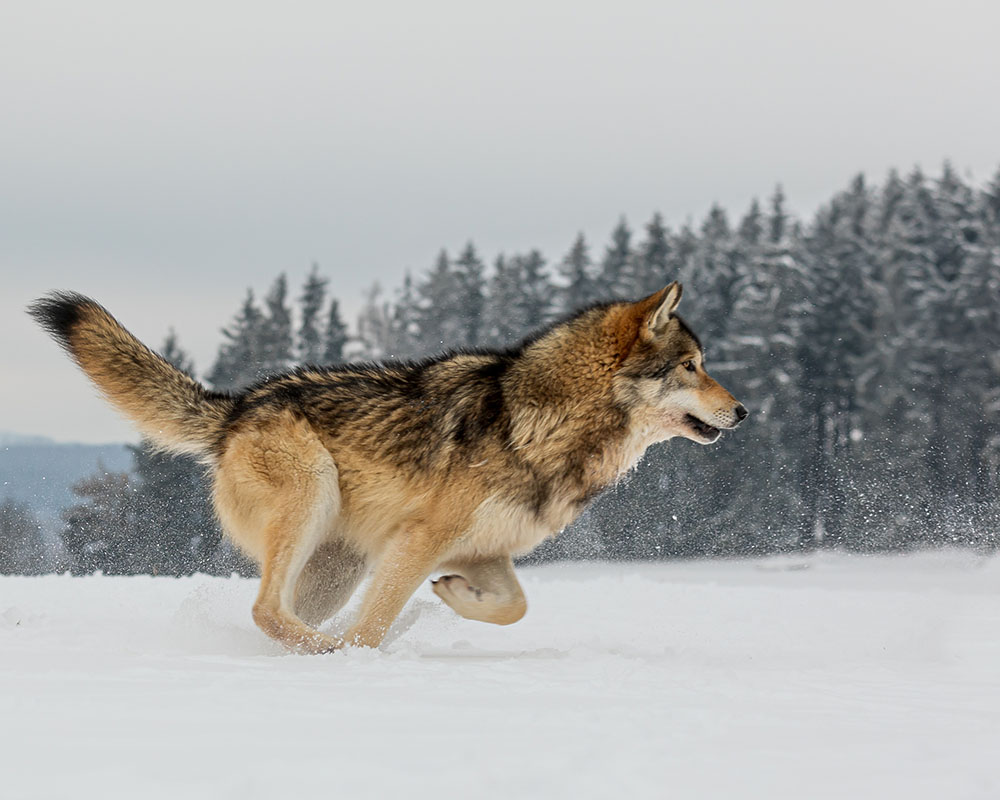
Colossal did not clone a dire wolf, as some people are interpreting this. Cloning is an exact genetic replica. The animals produced by Colossal are no such thing – they are not dire wolves (Aenocyon dirus) but genetically modified grey wolves (Canis lupus).
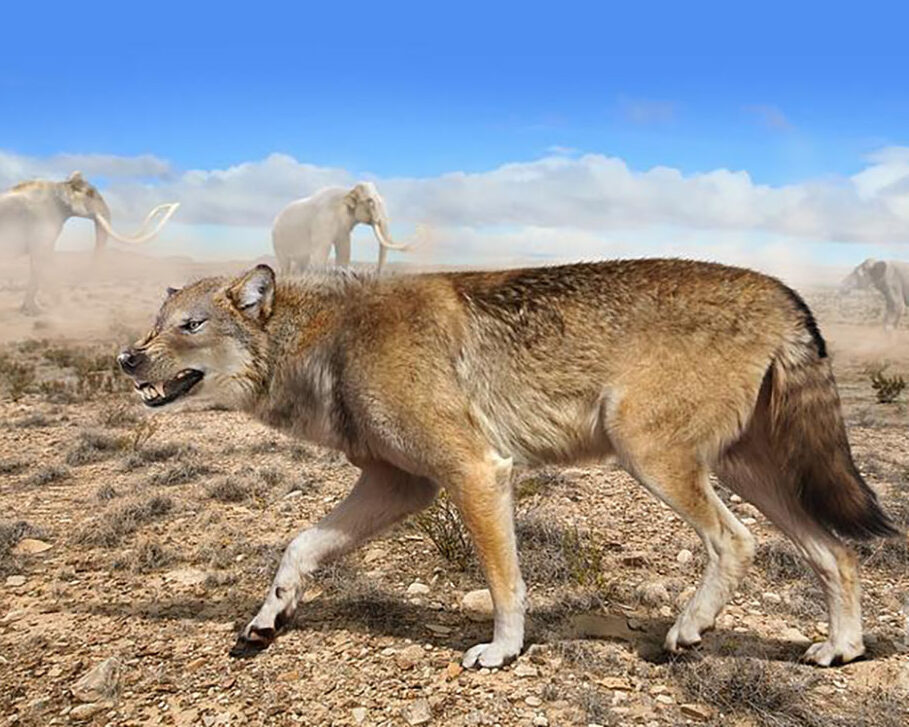
Right: An illustration of a hunting dire wolf (Aenocyon dirus) (Photo credit: Roman Uchytel)
Of the entire genome of the dire wolf, Colossal edited just 14 grey wolf genes. For perspective, the dire wolf genome may consist of around 19,000 genes. Had Colossal’s intervention been to, ala Jurassic Park, insert dire wolf genes directly into their distant cousins, they would account for less than 0.1% of this total. However, these 14 genes are not transplanted – they are edited. They are grey wolf genes modified to express dire wolf characters, the observable features that we use to characterise them.
Since the animals produced by Colossal are not dire wolves, or even part dire wolf, this species has not been ‘de-extincted’, or even close. In my opinion, even if a dire wolf is someday cloned (an exact genetic replica), this is still not de-extinction, since species do not exist in isolation but as part of an ecosystem. The dire wolf’s ecosystem has long disappeared. The same goes for the other animals that Colossal is trying to ‘de-extinct’, such as the woolly mammoth.
In ecology and conservation biology, there are two characteristics of populations that are essential if a population is to survive without human intervention. These are the ‘Minimum Viable Population Size’ and the ‘Minimum Sustainable Population Size’. The former refers to the number of individuals required for a high probability of long-term survival (centuries), and the latter is the number required to maintain a healthy genetic diversity within a population to avoid inbreeding (short-term survival). Cloning a limited number of animals from the same genetic starting material will not achieve either.
Even if it could, there are arguments why the concept of ‘de-extinction’ is counterproductive to conservation efforts, chief among which is that it will give the impression that it is not a problem if species become extinct, since we can always bring them back if we need them. However, this might be a conversation for another time, as this effort is so far removed from de-extinction. Colossal has made a remarkable technical achievement. But notwithstanding this, as the cliché goes, extinction is still forever.
Rev. Prof. Ray Zammit – Department of Moral Theology, Faculty of Theology
My first question as an ethicist would be – why, or what is the purpose of this? Why would scientists want to de-extinct an extinct species, and why – out of all possibilities – choose the dire wolf, a species native to the Americas that went extinct around 10,000 years ago? Why not devote our scientific resources to de-extinct species which have gone extinct recently due to human activity, and therefore fulfil a moral duty of restorative justice towards them? And would it not be better to work to avoid further biodiversity loss by sustaining present ecosystems, rather than reviving extinct ones, especially ones which have been extinct long ago, not due to human activity, and whose ecosystem is no longer extant?
The fundamental question we are dealing with, of course, is: ‘What is the relationship between human beings and the rest of the natural world?’ Considering our intelligence and technology, are we stewards of nature, or do we aim to dominate and engineer it? Are we reviving species to satisfy scientific curiosity and commercial interests, or are we attempting to do so out of genuine ecological restoration? If the motive is spectacle (reviving Pleistocene predators as attractions) or simply to assert our will and power over nature because we can, we risk deepening the technocratic mindset that caused mass extinctions and environmental degradation in the first place.

Do we have the wisdom Van Rensselaer Potter had in mind when he coined the term ‘bioethics’ in 1970: the ‘knowledge of how to use knowledge’ or, as he also called it, ‘the science of survival’? Do we have a ‘bioethical imperative’, as Fritz Jahr argued in 1927, to extend our moral obligations to all forms of life? Where will the resurrected specimens live? Will we be consigning them to a life of enclosure, observation, experimentation, and instrumentalisation, or will we be eventually allowing them to breed in the wild? How will this impact current ecosystems, and will it lead to further biodiversity loss? What about the gratuitous suffering such attempts might cause should they fail to produce healthy specimens, leading to deformities and suffering during gestation and early life? Moreover, given our current technologies, it is more probable to recreate a creature genetically similar but not identical to the original, and therefore questions of authenticity arise: is it truly a dire wolf, or just a chimaera bearing our desires rather than a natural past?
Fundamentally, what moral obligations do we owe to future generations? Should we bequeath a world filled with synthetic recreations of the past, or one where we have preserved biodiversity and the integrity of the natural world? Will our decisions be justifiable to future generations of humans and nonhumans alike?
This was only Part 1 in our series that discusses the deeper implications of the dire wolf ‘de-extinction’ project. To read more, check out:
- Part 2 on the science behind this achievement and what it may mean for science’s future.
- Part 3 on the potential ecological consequences of de-extinction’s logical conclusion: reintroducing dire wolves to the wild.
- Part 4 on the moral questions raised by a de-extincted future.



Comments are closed for this article!