
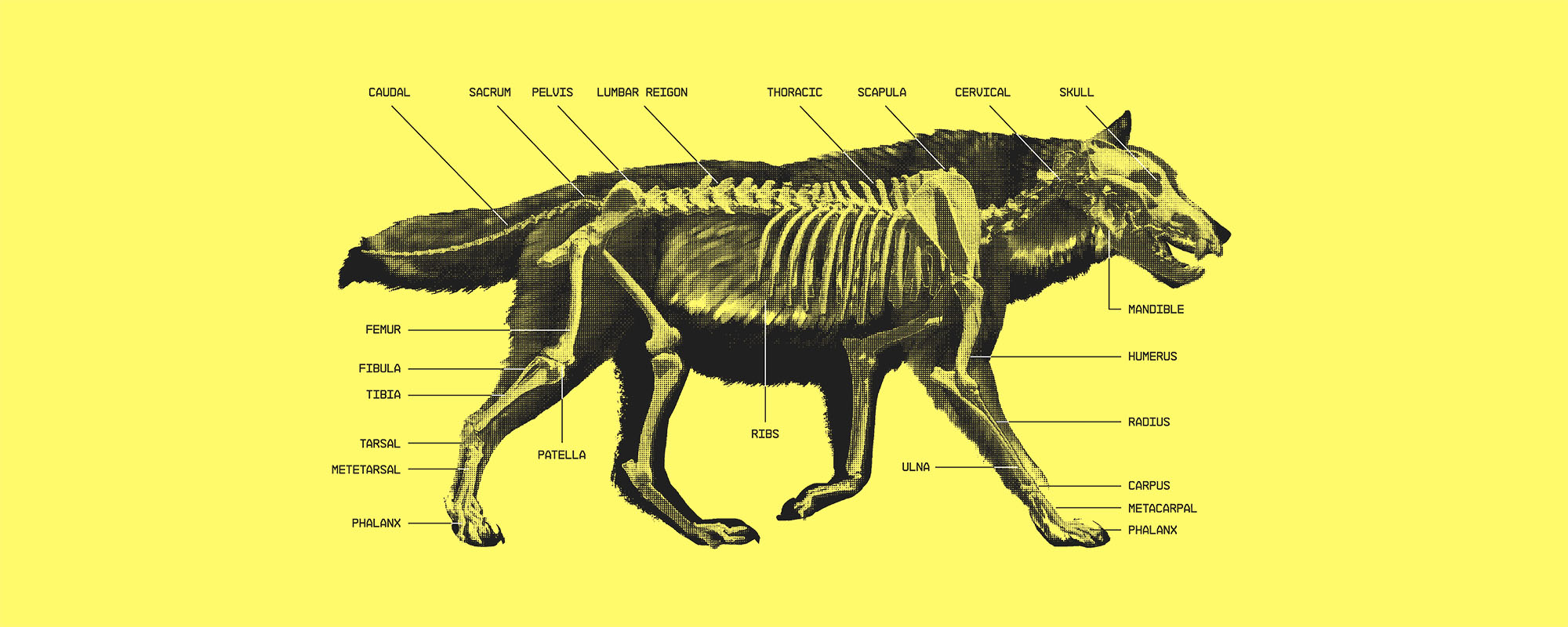
Ecological Perspectives on the ‘De-Extinction’ of the Dire Wolf (Aenocyon dirus)
The ‘de-extinction’ of the dire wolf has been one of the highest-profile scientific achievements of 2025. But the impression cultivated online is misleading – the dire wolf has not returned; it is being imitated. Five professors from the University of Malta have reacted to this complex story. In Part III, Prof. Sandro Lanfranco explores the potential ecological consequences of de-extinction’s logical conclusion: reintroducing dire wolves to the wild.
Prof. Sandro Lanfranco – Department of Biology, Faculty of Science
The purported ‘resurrection’ of extinct species, commonly termed ‘de-extinction’, has been in the mass public consciousness for over 30 years, especially following the suggestion in Jurassic Park (1993) that dinosaurs could be recreated from DNA recovered from mosquitoes preserved in amber, a claim that is science-fictional for the time being. Nonetheless, the immense advances in genetic biotechnology in the intervening period have nurtured the illusion that reviving an extinct species is possible, even desirable.
More recently, de-extinction has gained popularity as a conservation approach aimed at restoring lost biodiversity. One high-profile candidate species is the dire wolf (Aenocyon dirus), which became extinct approximately 13,000 years ago (Perri et al., 2021). Colossal Laboratories and Biosciences, the company that claimed de-extinction of the dire wolf, defines de-extinction as ‘a functional application of advanced gene editing technology aimed at rebuilding the DNA of lost megafauna and other creatures that had a measurably positive impact on our fragile ecosystems’. The definition is vague, using undefined terms such as ‘measurable positive impact’, and emotive, with reference to ‘fragile ecosystems’.
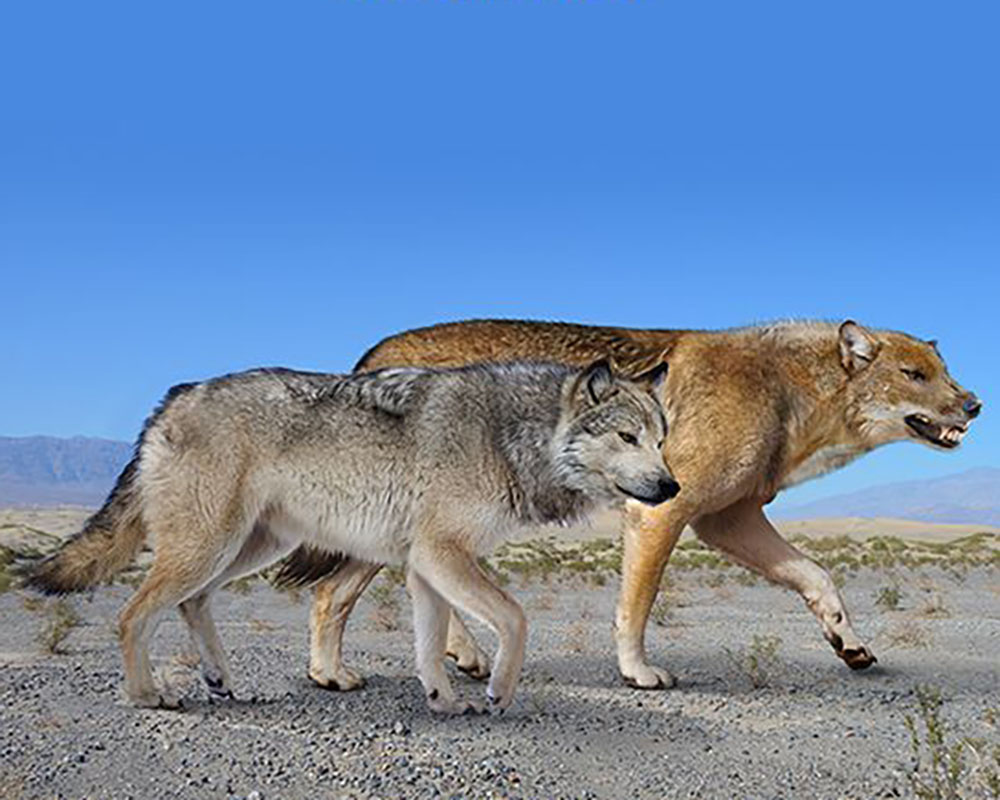
Colossal Laboratories and Biosciences claim to have transformed grey wolves into dire wolves through 20 gene edits, targeting 14 specific grey wolf genes. Five of these gene edits are based on mutations known to produce light coats in grey wolves. The remaining 15 are directly derived from the dire wolf genome to alter the animals’ size, musculature, and ear shape.
Does this constitute de-extinction of an extinct species? I would argue that it does not.
However, the definition of a species is a human construct, so the benchmark for recognising a species varies from person to person, meaning that there is no universally right or wrong answer; it’s a matter of informed opinion. The three purported dire wolf pups produced by Colossal are kept in a reserve and will not be allowed to breed. However, if true de-extinction ever happens and aspires to be more than a glorified zoo, then discussions on controlled release into the wild might be expected in future. To that end, we should explore the potential ecological consequences of reintroducing a true dire wolf into a contemporary environmental context.
Ecological Justification: The dire wolf was a top predator and scavenger during the Late Pleistocene (Perri et al., 2021). It presumably played a crucial ecological role in controlling prey populations and scavenging large mammal carcasses. From a purely ecological viewpoint, the resurrection of an apex predator may theoretically help restore trophic dynamics and promote ecosystem resilience (Ripple & Beschta, 2004). For example, the reintroduction of wolves (Canis lupus) into Yellowstone National Park has provided evidence for trophic cascades that significantly alter vegetation dynamics and biodiversity (Ripple & Beschta, 2012). However, the modern ecosystem context differs significantly from the Late Pleistocene, particularly in terms of habitat composition, prey availability, and anthropogenic landscapes.
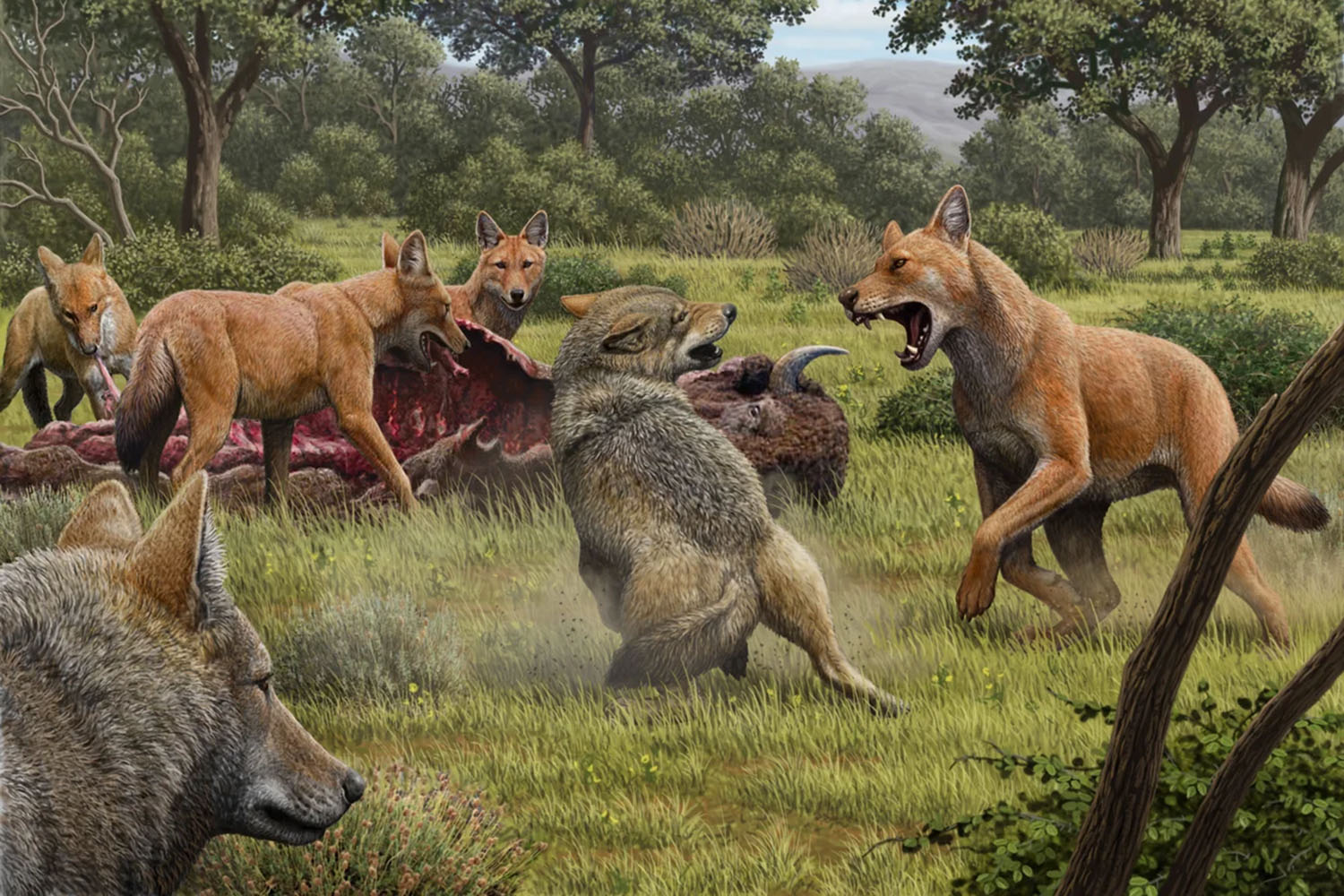
(Illustrated by Mauricio Anton in 2020)
Habitat and Prey Availability: The historical habitat of the dire wolf included diverse ecosystems such as forests, grasslands, and open plains in North America (Dundas, 1999). While similar ecosystems persist today, the scale, connectivity, and integrity of these habitats have been drastically reduced due to anthropogenic changes. As such, suitable habitat availability may be limited, fragmented, or entirely altered. Moreover, during the Pleistocene, North America hosted megafaunal prey such as mammoths (Mammuthus spp.), mastodons (Mammut americanum), and giant ground sloths (Megalonyx jeffersonii), which no longer exist (Stuart, 2015). Present-day fauna comprises smaller prey species (deer, moose), whose population densities, behaviours, and distributions might not align ecologically with the hunting and feeding strategies employed by dire wolves. This mismatch poses a significant ecological challenge: introducing dire wolves into contemporary ecosystems may lead to either rapid predator starvation or severe prey depletion, resulting in destabilised ecosystems.
Ecological Interactions and Competition: The ‘resurrection’ and introduction of dire wolves could result in unpredictable interactions with existing predator populations, such as wolves (Canis lupus), coyotes (Canis latrans), bears (Ursus spp.), and mountain lions (Puma concolor). Competitive interactions among these predators would likely occur, potentially altering existing ecological balances. Given the dire wolf’s larger body size compared to contemporary grey wolves, competition might disadvantage smaller predators, possibly displacing or reducing their populations (this is speculation). Conversely, intense competition could limit the successful establishment of dire wolves, restricting their ecological impact and potentially wasting resources invested in their resurrection.
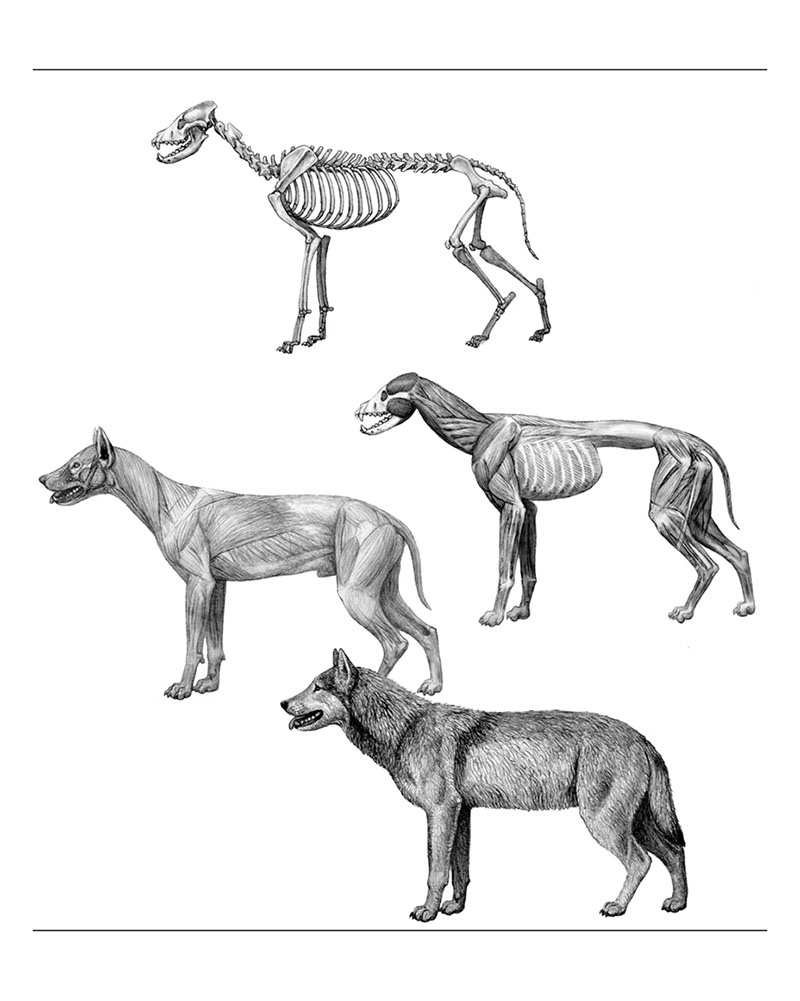
(Illustrated by Mauricio Anton in 2008)
Disease Dynamics and Genetic Considerations: The introduction of resurrected dire wolves raises considerable concern regarding disease transmission and genetic viability. Extinct animals, resurrected through cloning or genome editing (such as CRISPR technology), might be particularly vulnerable to modern pathogens due to a lack of evolved immune defences (Seddon et al., 2014). Additionally, such populations typically lack genetic diversity, making them vulnerable to disease outbreaks and extinction risks (Seddon et al., 2014).
Human-Wildlife Conflicts: Dire wolves, as large apex predators, could generate substantial human-wildlife conflict. Human-predator conflicts, particularly concerning livestock predation, are already significant ecological and social issues globally (Treves & Karanth, 2003). The introduction of dire wolves could exacerbate these conflicts, leading to increased mortality rates among both predators and human-owned animals, and potentially reducing public acceptance of conservation efforts.
Ethical and Resource Considerations: From an ecological resource allocation perspective, investment in resurrecting extinct species such as the dire wolf could divert funding, resources, and public attention from conserving threatened extant species and restoring habitats; these are probably more pressing, higher ecological priorities at present (Sherkow & Greely, 2013).
This was Part 2 in our series that discusses the deeper implications of the dire wolf ‘de-extinction’ project. To read more, check out:
- Part 1 on the science and ethics behind Colossal’s de-extinction project.
- Part 2 on the science behind this achievement and what it may mean for science’s future.
- Part 4 on the moral questions raised by a de-extincted future.




Comments are closed for this article!