
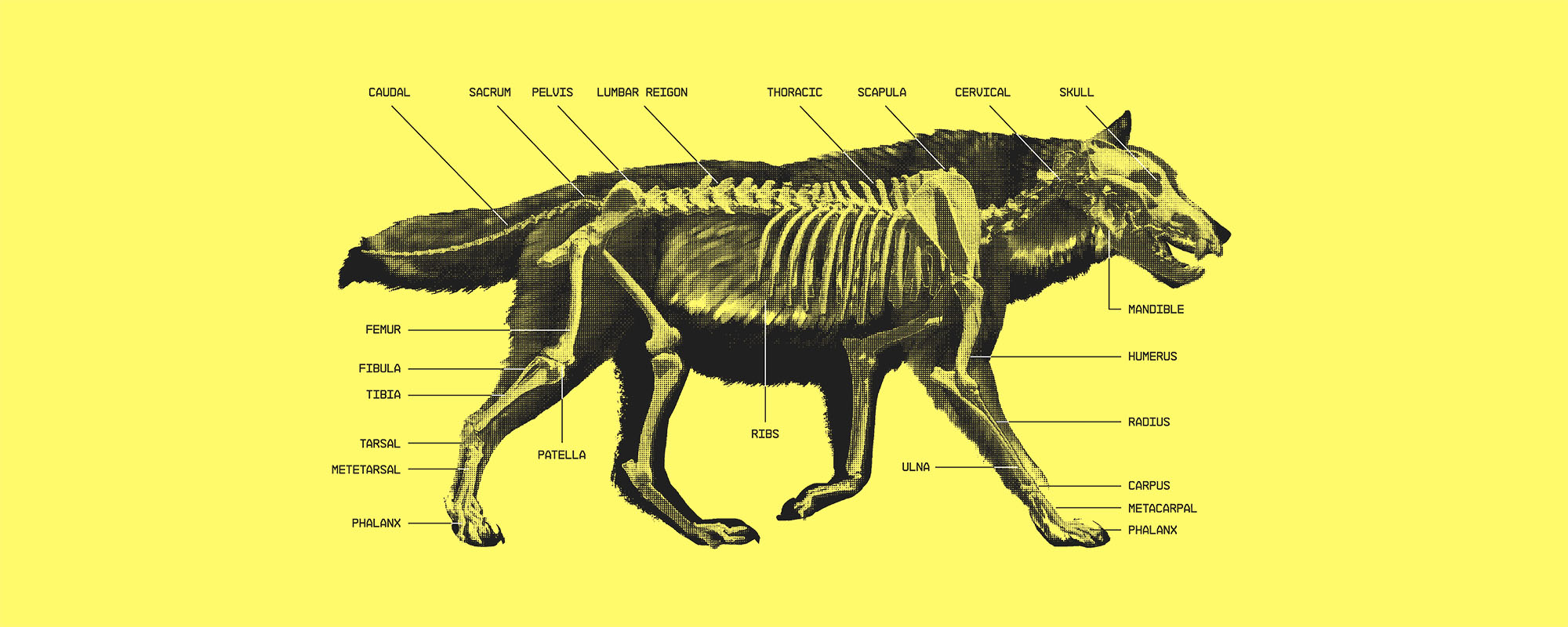
De-extinction: The Case of the Dire Wolf?
The ‘de-extinction’ of the dire wolf has been one of the highest-profile scientific achievements of 2025. But the impression cultivated online is misleading – the dire wolf has not returned; it is being imitated. Five professors from the University of Malta have reacted to this complex story. In Part IV, Prof. Louis-F. Cassar considers the moral questions raised by a de-extincted future.
Prof. Louis-F. Cassar – Division of Environmental Management and Planning, Institute of Earth Systems
Extinction is a natural phenomenon. It is said that more than 99% of all species that have roamed the planet are now extinct; it is also thought that every species has a finite lifespan, a timeline that varies considerably between living forms. Although fingers are often pointed towards one species, Homo sapiens, as the major league culprit for extinction, in reality, major extinction events have taken place long before the arrival of humanoids, let alone our species.
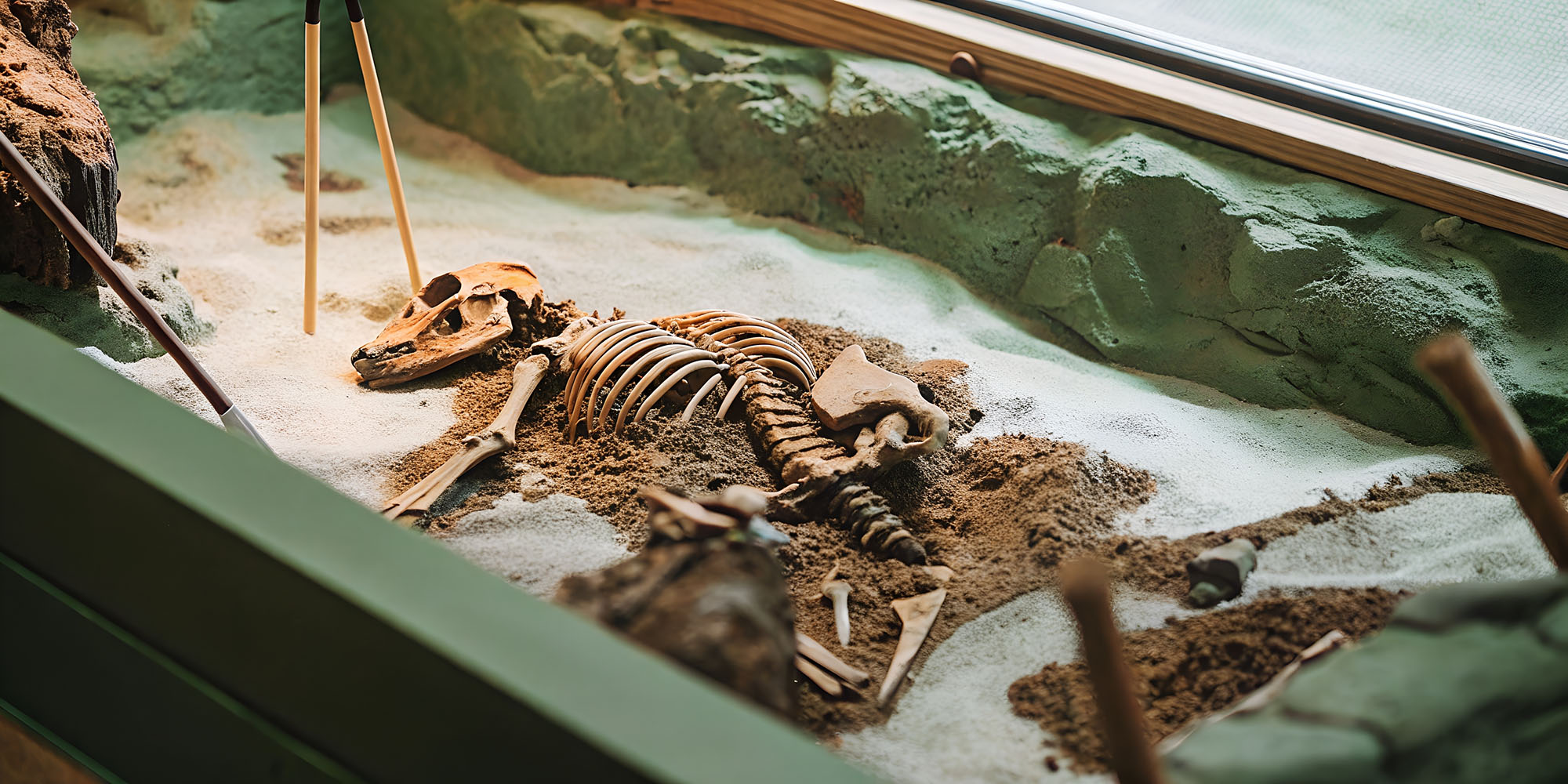
At least five extinction episodes are known to have occurred between the Ordovician-Silurian transition around 450 million years ago and the K–T extinction event (or Cretaceous–Paleogene, K–Pg event), which took place approximately 66 million years ago. During the fifth mass extinction event, it is estimated that a significant percentage of living forms perished forever as a result of a rapid change in the climatic regime worldwide, triggered by a devastating asteroid impact in the Gulf of Mexico. Among the better-known taxonomic groups to have been affected by this cataclysmic event were the non-avian dinosaurs.
The planet is now headed for, and is possibly already in the midst of, a sixth major extinction event. However, this time, culpability can be assigned almost exclusively to humankind – perhaps not so ‘sapiens’ after all? It is reckoned that the current rate of extinction is between a thousand and ten thousand times the Background Extinction Rate, or the natural rate of extinction.
As for the dire wolves’ so-called return through genetic engineering, one simply cannot downplay the fact that an egg cannot be unscrambled!
Until some time ago, taxonomy relied solely on morphology and associated biometrics: on the appearance of external form and characteristics, and, in some cases, also on anatomical structures. Advances in genetic analysis have turned taxonomy on its head, exposing differences between hitherto unknown cryptic species. Genetics-based attempts to ‘bring back’ species are not limited to that of the dire wolf. For example, there is ongoing work to restore the auroch, the wild ancestor of cattle, through the Taurus Foundation, which strives to develop a bovine similar in appearance to the extinct species. There are other projects focused on the mastodon and the Tasmanian tiger (among others). In all these cases, the end result may appear quite similar to what the extinct taxon looked like, but it would still not be the same species in genetic terms.
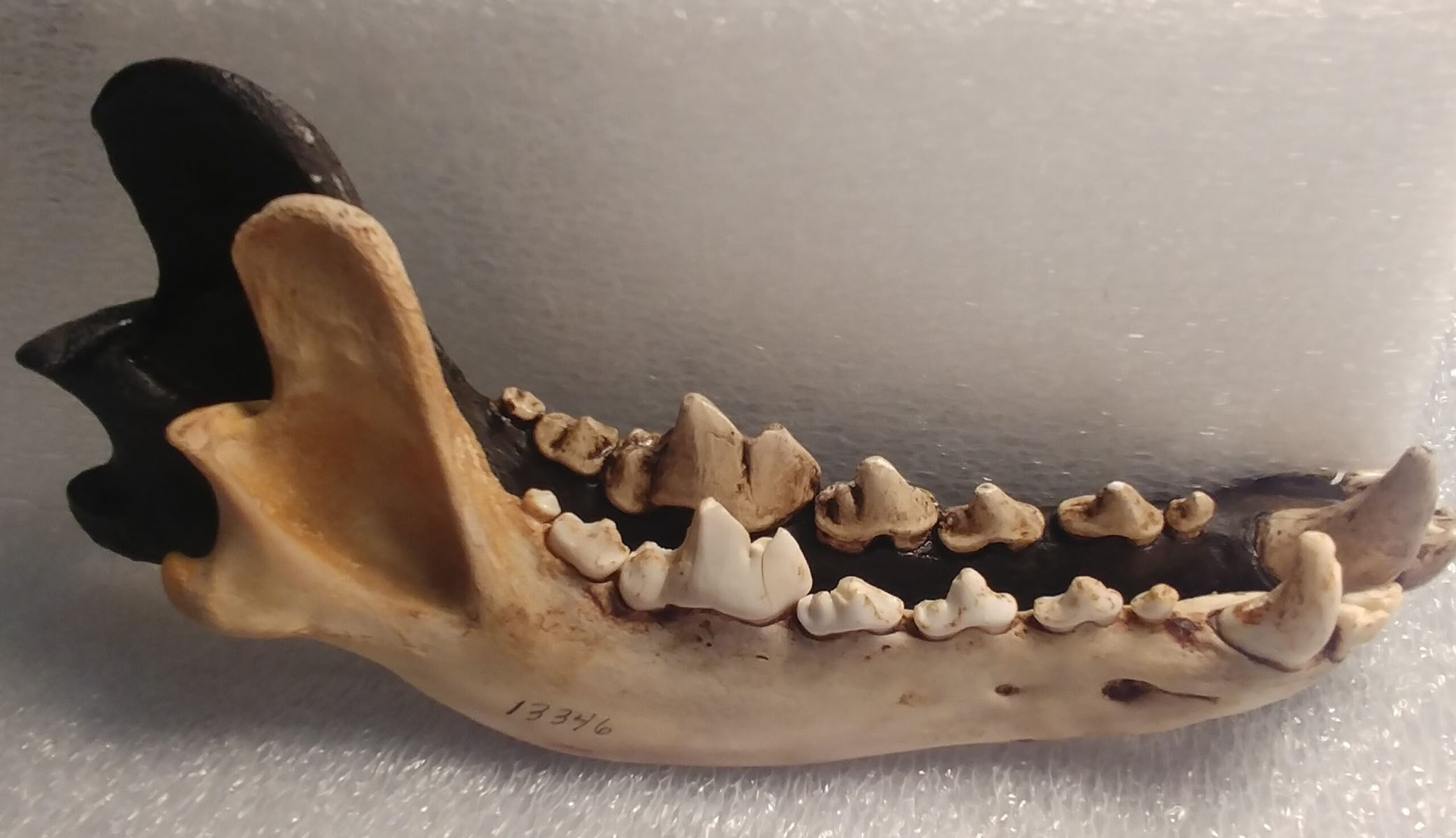
In the case of the dire wolf experiment, the baseline species used (the extant grey wolf) does not even share a genetic lineage, despite claims that the two taxa shared 99.5% of their DNA. To draw a somewhat crude analogy, the genetic distance between Homo sapiens and Pan troglodytes, the chimpanzee, is a single-digit percentage – yet the two species look and are considerably different. So, is the notion of de-extinction simply a case of keeping up appearances?
I suppose playing God has a fascination to it. The notion of bringing an extinct species back from oblivion does have appeal (for some). There are obviously various pros and cons associated with the concept of de-extinction. For example, it could be argued that these attempts can restore ecological balance if the habitat and space still exist. Perhaps we are righting a wrong, particularly if over-exploitation by humans was the primary reason for the species’ permanent demise. However, there is also an ethical dimension to consider. Perhaps we should ask whether scientists engaged in these experimentations fully understand the implications of their actions? Moreover, who decides which species should be ‘brought back’? What impact might a species’ ‘return’ have on current ecological dynamics, and is the ecological niche once filled by that species still vacant? Does the climatic regime in which the ‘recreated’ species lived still exist? Should geneticists pursue the return of keystone species that play critical roles in ecosystems, or should they preserve charismatic ones, which attract public attention (and funding)? Should we instead focus on preserving what we have left?
It is perhaps telling that the International Union for the Conservation of Nature (IUCN), one of the world’s leading conservation organisations, has come out in criticism of the dire wolf project. The IUCN cites the danger that such initiatives can divert attention from a much-needed focus on the conservation of existing biodiversity in the wild. This same organisation had issued guidelines on ‘creating proxies of extinct species’ back in 2016, with the explicit proviso that this should only be done when there is a clear benefit for biodiversity conservation – it has argued that this latest attempt by Colossal Biosciences, while demonstrating technical capabilities, offers no such benefits.

These and numerous other questions need answers as science embarks on an ethical slippery slope, which may impact the dynamics of the natural world but also has the potential of impacting the human world. Think about it – how long will it be before attention turns towards extinct species of humanoids, such as Neanderthal? Imagine the legal implications if, say, a clone of such a species is birthed by a surrogate H. sapiens? Would such offspring be recognised as human, or would anyone argue for a non-human societal classification? Given human history and present-day realities, where ill-treatment of ethnic groups is concerned, these questions have become very relevant.

This was Part 4 in our series that discusses the deeper implications of the dire wolf ‘de-extinction’ project. To read the previous parts, check out:
- Part 1 on the science and ethics behind Colossal’s de-extinction project.
- Part 2 on the science behind this achievement and what it may mean for science’s future.
- Part 3 on the potential ecological consequences of de-extinction’s logical conclusion: reintroducing dire wolves to the wild.




Comments are closed for this article!