
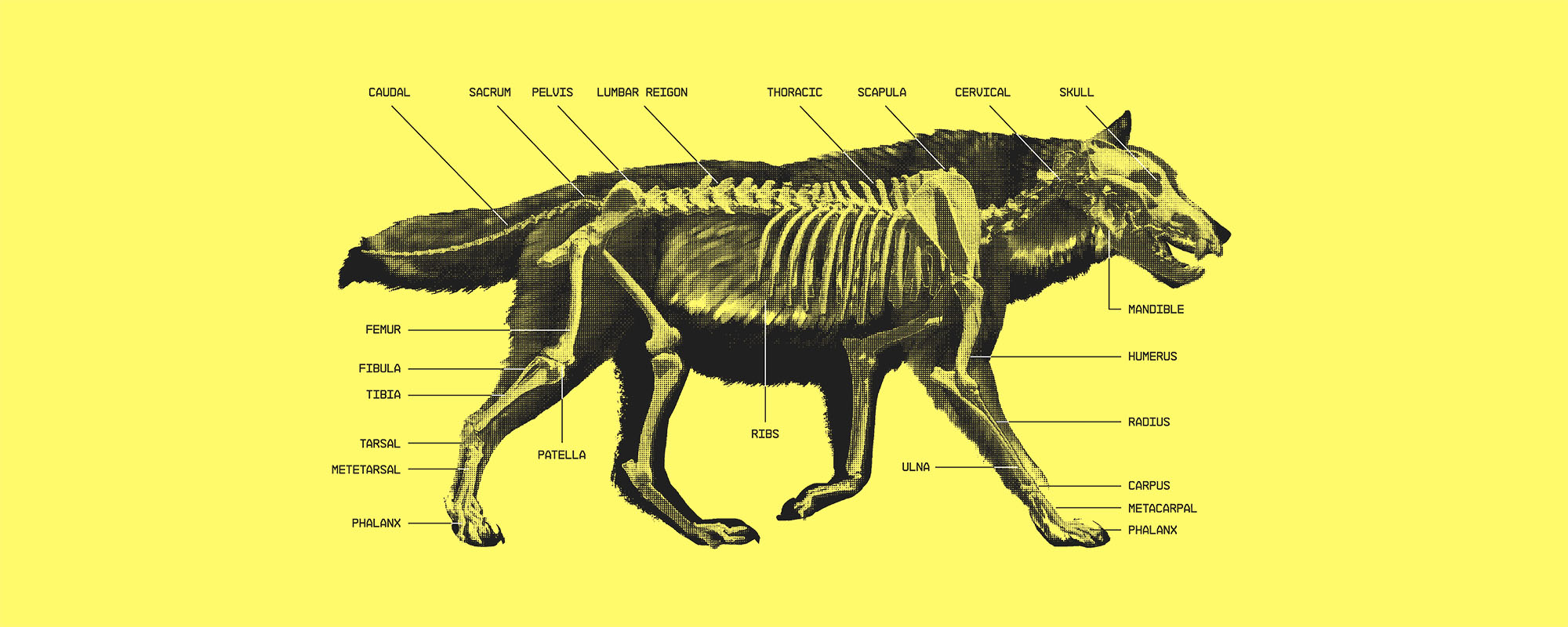
The Dire Wolf De-Extinction Project: Science, Significance, and the Ecology of Resurrection
The ‘de-extinction’ of the dire wolf has been one of the highest-profile scientific achievements of 2025. But the impression cultivated online is misleading – the dire wolf has not returned; it is being imitated. Five professors from the University of Malta have reacted to this complex story. In Part II, Chev. Prof. Renald Blundell recounts the science behind this achievement and what it may mean for science’s future.
Chev. Prof. Renald Blundell – Department of Physiology and Biochemistry, Faculty of Medicine and Surgery
Once roaming the grasslands and forests of the Americas, dire wolves (Aenocyon dirus) were apex predators whose imposing presence ended around 10,000 years ago during the Quaternary extinction event. Long enshrined in legend and popular culture – from cryptozoology to hit shows like Game of Thrones – the idea of bringing these majestic predators back from extinction is no longer just a fantasy. With rapid advancements in genetics and synthetic biology, researchers are now exploring the possibility of ‘de-extincting’ the dire wolf. But how does such an ambitious project work? What technologies are involved, and what could we gain – or lose – by bringing back extinct species? Is it better to focus resources on conserving the biodiversity we already have, rather than reviving long-lost animals? This article examines the science behind the dire wolf de-extinction effort, its broader ecological implications, and the ethical and conservation debates it stirs.
The first hurdle in de-extinction is accessing viable DNA. Unlike mammoths, which left relatively intact tissue frozen in permafrost, dire wolves offer little preserved genetic material. Most of their remains are found in tar pits, where the DNA is highly degraded. However, a breakthrough came in 2021, when researchers successfully sequenced portions of ancient dire wolf DNA from fossilised remains dated over 50,000 years old. This milestone revealed a surprise: dire wolves were not simply massive grey wolves but a distinct lineage that split from the common ancestor of grey wolves over 5 million years ago.
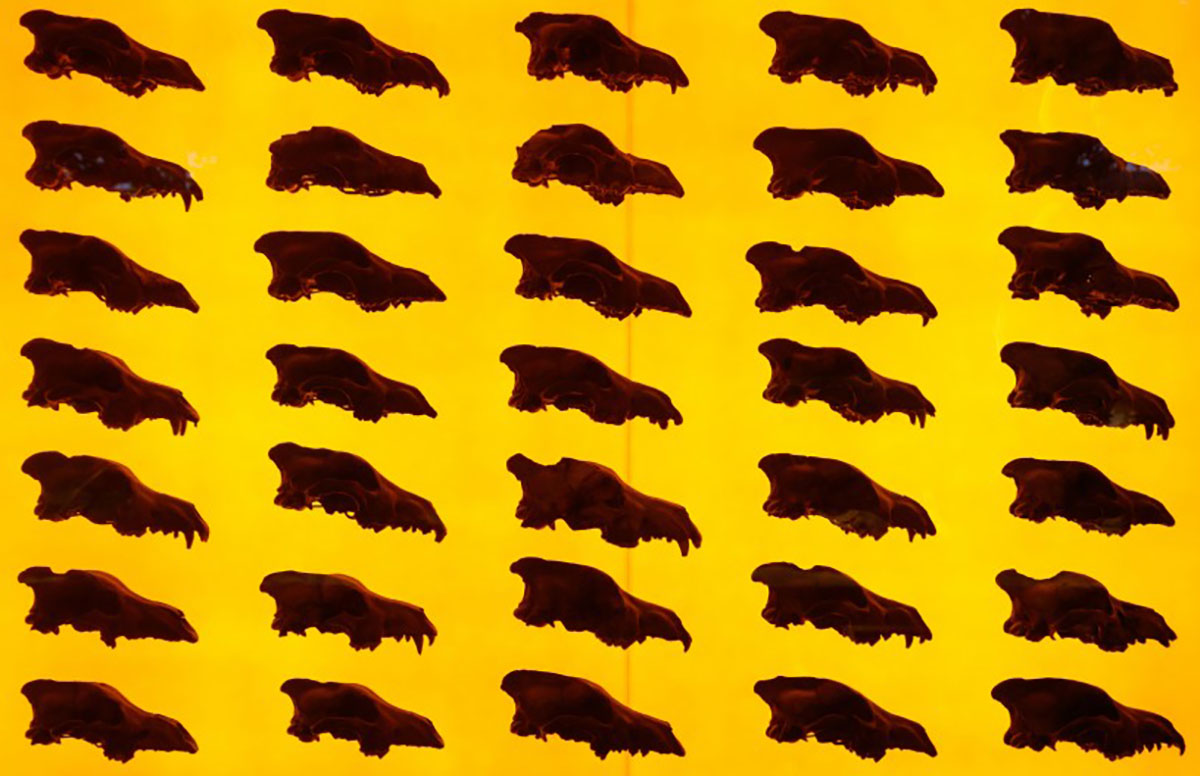
Genomic analysis revealed that dire wolves were only distantly related to modern wolves and coyotes – more akin to a separate canid branch that evolved in isolation in the Americas. Due to this genetic distance, cloning a dire wolf using a grey wolf surrogate – similar to efforts with the Pyrenean ibex or efforts proposed for the woolly mammoth – is not viable. Instead, synthetic biology and CRISPR gene-editing tools must be employed. Scientists aim to construct a proxy animal by editing the genome of a closely related species (like the grey wolf) to include key traits from the dire wolf’s genome, a method known as genomic recoding. The step-by-step of this biotechnological process is as follows:
- Ancient DNA Sequencing: Extract fragmented DNA from fossilised remains and use bioinformatics to reconstruct the genome.
- Comparative Genomics: Compare the dire wolf genome with those of living canids (wolves, coyotes, jackals) to identify unique traits, such as genes related to size, jaw strength, and environmental adaptations.
- CRISPR Gene Editing: Modify grey wolf embryos to express dire wolf genes using CRISPR-Cas9. This includes altering genes that influence bone structure, fur density, metabolic adaptations, and immune system functions.
- Embryo Cultivation: Grow the edited embryos in surrogate mothers (likely wolves or large dogs), and monitor developmental viability.
- Behavioural and Ecological Training: Assuming live births, young proxy dire wolves would need to be taught survival skills and social behaviours. Since no living dire wolves exist to model after, trainers must rely on assumptions based on ecology and fossil evidence.
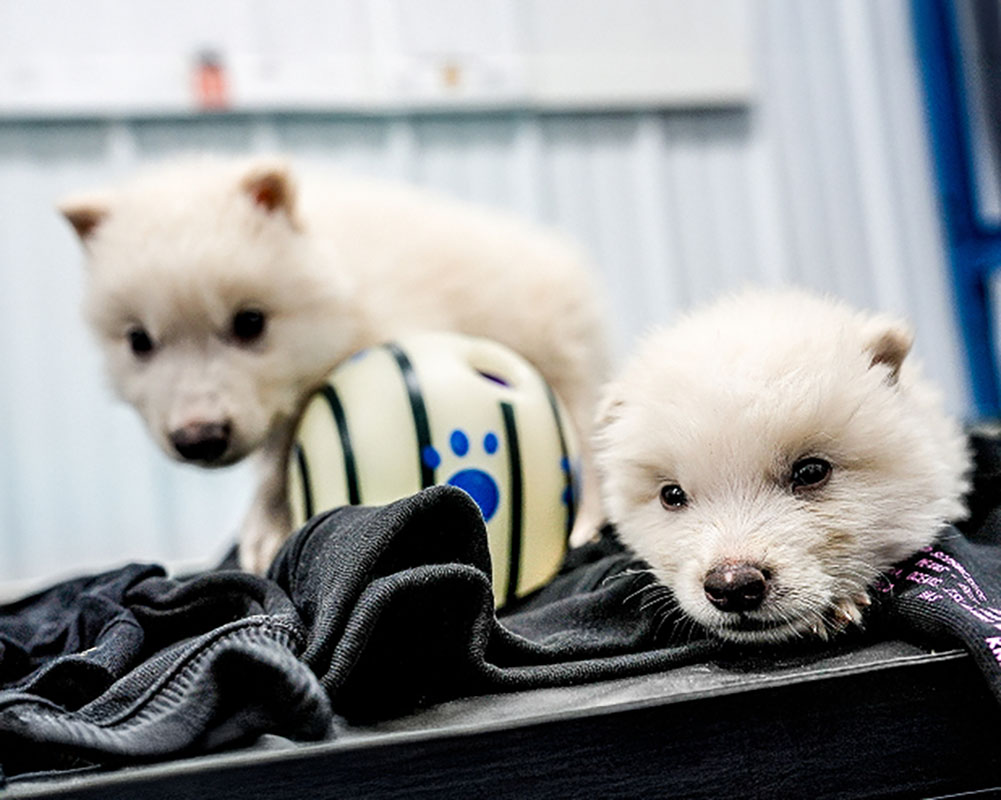
The rationale behind de-extinction extends beyond fascination or scientific bravado. Advocates cite multiple reasons. First, the restoration of lost ecosystem functions. Dire wolves were top predators. Their extinction may have triggered trophic cascades that altered ecosystems. According to this rationale, bringing them back could rebalance certain areas, especially if they fulfil roles no longer occupied. The success of wolves’ reintroduction to Yellowstone National Park is a highly relevant example of an apex predator benefiting its ecosystem. And of course, there are the benefits for the advancement of science. The process enables researchers to study ancient genes and test how specific genetic changes influence morphology and behaviour. This could offer insights into evolutionary biology, disease resistance, and genetic resilience. More directly, the tools developed for de-extinction could revolutionise conservation. Gene editing, synthetic embryo development, and genomic repair could help save endangered species from the brink by increasing genetic diversity or removing harmful mutations. There’s an intangible benefit too – restoring awe. De-extinction might rekindle public interest in the natural world, fostering a renewed sense of stewardship.
Why Not Just Protect What’s Left?
Critics argue that de-extinction is a distraction from more urgent priorities. Earth is currently in the midst of a sixth mass extinction, with over a million species at risk. Conservationists ask: why spend millions on reviving extinct predators when elephants, orangutans, and amphibians are vanishing right now? There are several compelling reasons to prioritise extant species.
De-extinction is enormously expensive, with no guarantee of success. The same funds could protect entire habitats or fund anti-poaching efforts, offering greater ecological returns. Creating sentient beings in labs raises moral questions. Will these animals suffer? How will they be treated? And how will de-extincted animals interact with their new ecosystems? Urbanisation, climate change, and invasive species may prevent reintroduced animals from thriving – or worse, cause ecological harm. Conservation is not just about saving species, but preserving the intricate relationships between organisms. De-extinction risks introducing animals to ecosystems without fully understanding these complex dynamics.
Today’s ecosystems are not the same as those the dire wolves roamed. Some ecologists suggest that North American grasslands and forests, where deer populations have exploded, might benefit from a new apex predator. However, the dire wolf’s exact ecological role remains speculative. Their large size and strong jaws suggest specialisation in hunting megafauna such as bison and horses – species now mostly extinct or replaced by livestock. Without natural prey, dire wolves could threaten vulnerable wildlife or compete with existing predators like mountain lions or reintroduced grey wolves. Moreover, dire wolves likely evolved in different pathogen environments. Their immune systems, frozen in evolutionary time, may not be able to cope with modern diseases, posing biosecurity risks to themselves and others. Careful, long-term studies, including ecological simulations and controlled rewilding trials, would be essential before any real-world introduction.
The Path Forward
Despite the risks, the scientific potential of de-extinction is profound. The effort touches on numerous frontiers. Understanding how dire wolves diverged genetically can advance the field of evolutionary biology by shedding light on evolutionary processes like convergence, adaptation, and speciation. For geneticists, editing genes into living animals allows researchers to test their functions in real biological systems, thereby helping to link genotype to phenotype. How ancient genes interact with modern epigenetic machinery could illuminate gene regulation and developmental biology in unprecedented ways. This research has compelling implications for biomolecular preservation: recovering functional proteins from fossils could help reconstruct long-lost biochemical pathways or even help in ancient disease research. And finally, the most well-publicised benefit of de-extinction is that the techniques developed may later be used to ‘genetically rescue’ endangered species, perhaps by reintroducing lost genetic traits that enhance survival or adaptability.
While de-extinction should not be the cornerstone of conservation, it can be a valuable tool in the broader ecological toolkit. Rather than focusing solely on bringing back charismatic megafauna, scientists and conservationists must integrate these technologies into holistic ecosystem management strategies. For instance, gene-editing technologies could help corals survive warming oceans or restore fertility in dwindling populations of endangered frogs. Hybridisation with extinct or ancestral lineages could increase genetic diversity in isolated populations, as proposed for the northern white rhino. A balanced approach recognises that our primary responsibility is to protect existing biodiversity and habitats. De-extinction, when used wisely, can complement this mission by offering new insights, tools, and strategies.
The dream of reviving dire wolves captures the imagination – and challenges our ethical compass. It pushes the boundaries of what science can achieve, while forcing us to confront hard questions about humanity’s role in nature. Ultimately, de-extinction is not just about bringing back the past; it is about how we move forward. Can we use these technologies to heal ecosystems rather than exploit them? Can we learn from extinction to better prevent future loss? Bringing back the dire wolf will not restore the ancient world, but it might sharpen our vision for the one we still have. In a time of mounting ecological crisis, perhaps the greatest lesson of de-extinction is not how to resurrect the dead – but how to keep the living alive.
This was Part 2 in our series that discusses the deeper implications of the dire wolf ‘de-extinction’ project. To read more, check out:
- Part 1 on the science and ethics behind Colossal’s de-extinction project.
- Part 3 on the potential ecological consequences of de-extinction’s logical conclusion: reintroducing dire wolves to the wild.
- Part 4 on the moral questions raised by a de-extincted future.




Comments are closed for this article!