
Hybrid Energy Storage Systems is carrying out research on the conversion of surplus renewable energy into hydrogen. This is an increasingly important means of reducing wasted energy, as Malta invests heavily into renewables. Jonathan Firbank speaks with project investigator Prof. Ing. John Licari about this project and Malta’s changing energy landscape.
The future, if we are to have one, is powered by renewable energy. Our expanding infrastructure calls for a supply of electricity that is not bound to finite and non-renewable resources. Solving this problem via an abundance of green energy is a great achievement for any developed space. But any victory comes with its caveats – a wholly new power source can strain existing electrical grids. A surplus of electricity isn’t always a good thing. It can damage unready infrastructure or just be wasted in a system that was built to convey, rather than store, energy. This issue will become more commonplace as 20th-century utilities meet 21st-century realities. Malta’s grid is already challenged by high solar penetration, and the planned introduction of a large-scale offshore wind farm of approximately 300MW necessitates significant grid modernisation.

The question of energy storage is therefore compelling for UM Professor of Engineering, John Licari. His solution is to convert surplus electricity from renewables into hydrogen for energy storage. This captures potentially wasted energy, relieves pressure on infrastructure, and, perhaps most intriguingly, is mobile. Hydrogen offers the ability to be stored and transported, tapping into global markets, and even power that same transportation. Again, this is particularly pertinent to ship-dependent islands like the Maltese Archipelago. Yet, it also brings challenges, including difficult handling, specialised storage requirements, and the high energy cost of liquefaction. His project, under the name Hybrid Energy Storage Systems (HESS), funded by Xjenza Malta, is studying how hydrogen generation can be used to maximise energy generated from renewable sources.
Prof. Ing. John Licari heads the Department of Electrical Engineering at the University of Malta and works closely with colleagues from the Institute for Sustainable Energy
Solving Tomorrow’s Problem
‘The next big step is integrating all renewable energy sources deployed within the grid (the electrical network underpinning modern infrastructure),’ says Licari. ‘Essentially, we are pushing more renewable energy into a grid that was not originally designed to cater to such an increase.’ This integration, observes Licari, is vital but challenging. It calls for novel approaches to how, and where, electricity is channelled and stored. ‘You need peace of mind that the grid will still be stable. This is a huge challenge all around the world, and impacts Malta in particular because it’s an island’ with limited integration into the European electricity infrastructure. ‘There might be limitations on how much and when we can export our electricity.’
The possibility of a surplus, especially as Licari looks ahead to the planned 300MW wind farm, is a greater challenge than it might sound. At best, without adequate electricity storage and better connectivity with the European grid, renewable energy has to be curtailed, and hence it is wasted. This undermines the environmental value of renewable energy, as well as the economic incentives for building and maintaining it.
‘So we’re thinking outside the box to anticipate this problem. One solution is to convert surplus renewable energy into hydrogen, which can be stored and used elsewhere. This opens up several opportunities for hydrogen utilisation, including its use in green transportation.’ Hydrogen can power vehicles directly at the point of generation or be stored and transported for use elsewhere on the island.

Trialling Renewable Storage
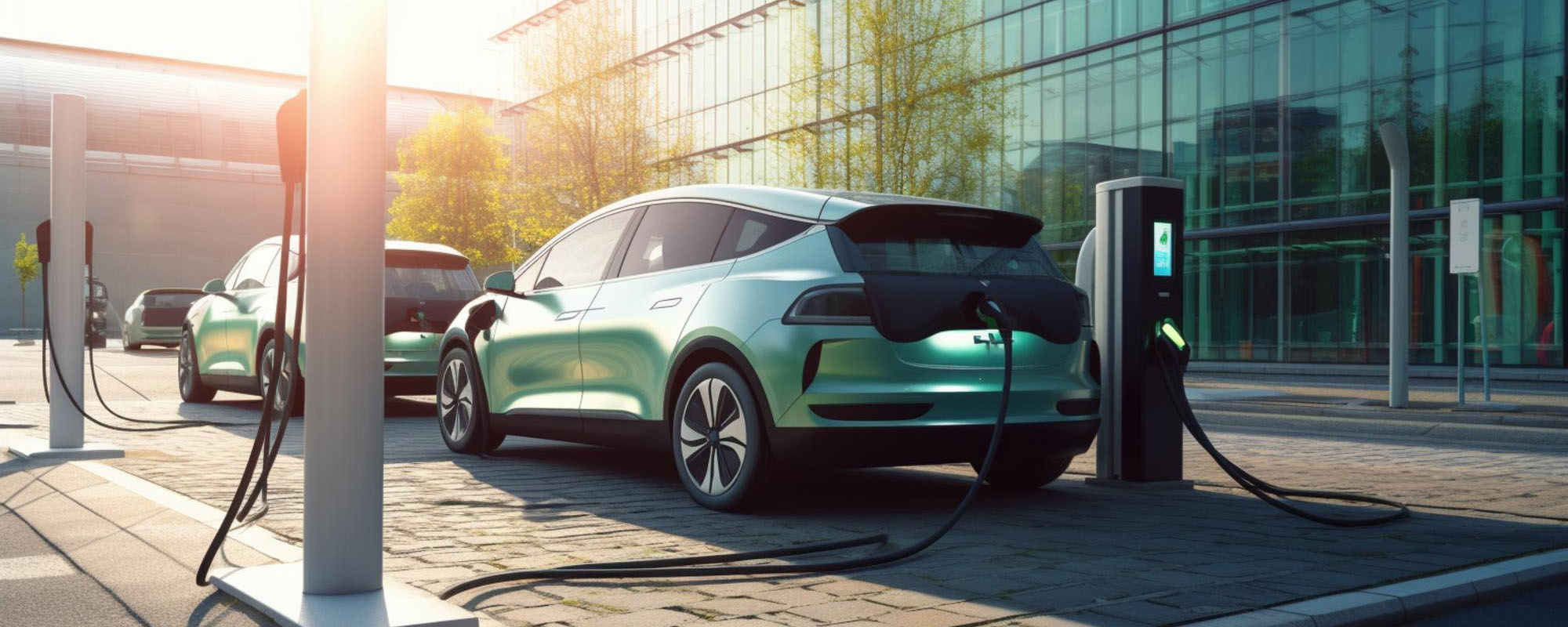
HESS’s case study involved a local manufacturing company that uses solar power via panels atop its buildings. The power generated can charge employees’ EVs – a laudable venture considering Malta’s challenges with car emissions. This system is an example of a microgrid – an independent, localised electricity infrastructure that can be disconnected and reconnected to the main electrical grid. ‘In our case, the company has surplus energy from their solar panels that can take care of its production and ancillary services,’ as well as the aforementioned electric cars. The HESS project made use of this energy, leveraging only the actual surplus – what is left over once the company’s batteries are charged. This ensures that EVs can continue to be charged overnight. If the batteries are fully charged, then the energy is converted to hydrogen. This prevents energy export into the grid, causing unnecessary stress on the distribution network. At night, the company is reconnected to the main grid to supply production loads and any EV charging is carried out from the energy stored in the batteries. This guarantees that only renewable energy is used to power EVs.
This is a dynamic process; a battery only needs to be charged to meet the company’s EV needs, which might radically differ if, for example, certain days of the week had a night shift. HESS has developed an algorithm to better automate this process. This dynamism keeps the project’s ethos – the minimisation of wasted energy without stressing the electrical grid – central even before hydrogen conversion takes place. That conversion is achieved through electrolysis, where electricity is passed through water in an electrolyser to separate it into its constituent parts, oxygen and hydrogen. ‘Hydrogen can be easily stored,’ and pressurised to reduce the space it needs. ‘It can have the same utility as LPG gas, sold by the cylinder or kept in a reservoir, which hydrogen-powered trucks could refuel at.’ HESS has obtained a wealth of data and is in the final stage. Licari and the rest of the team are now looking ahead.

Malta’s Future
‘Over the last couple of years, there has been a huge investment in the electricity sector. This is still ongoing.’ Licari makes reference to the planned wind farm and other major infrastructure projects, such as the upgrades to the distribution network and a second interconnection cable that will run through the Mediterranean, between Malta and Sicily. In tandem, ‘the local distribution system operator is also investing in two large, battery-based, energy storage systems, which will be centralised.’ Alongside new sources of power, there will also be an increasing demand on the grid. ‘Until a couple of years ago, we didn’t have EVs in Malta. But the market is picking up rapidly.’ Any percentage of Malta’s traffic becoming grid-dependent represents a huge increase in demand.
Nor will this demand be constant. It will wax and wane in tune with the working week, spiking as people charge up in the evenings and lulling as they set off to work. This is just the newest example of surge usage; an old example is the times we are most likely to cook. Renewable energy also experiences its share of surges, influenced by changes in the weather. Wasting electricity goes against environmentally and economically driven investments. But amidst the dynamism of this infrastructure, wasting electricity is an all-too-easy mistake to make. Licari believes that tomorrow’s energy policy may depend on financial incentives to avoid peak times. But even without robust legislation, energy storage will only get more important, not only nationally but within any private microgrids that may be set up in the future. Storing energy is becoming more and more essential for households and businesses. Simply bottling it for later, via hydrogen creation, could prove to be one of the important solutions for tomorrow’s challenge.
Project Hybrid Energy Storage Systems (HESS) received funding from Xjenza Malta and the Ministry for Science and Technology of the People’s Republic of China (MOST), through the SINO-MALTA Fund 2023 Call [Grant agreement: SINOMALTA-2023-03].




Comments are closed for this article!