
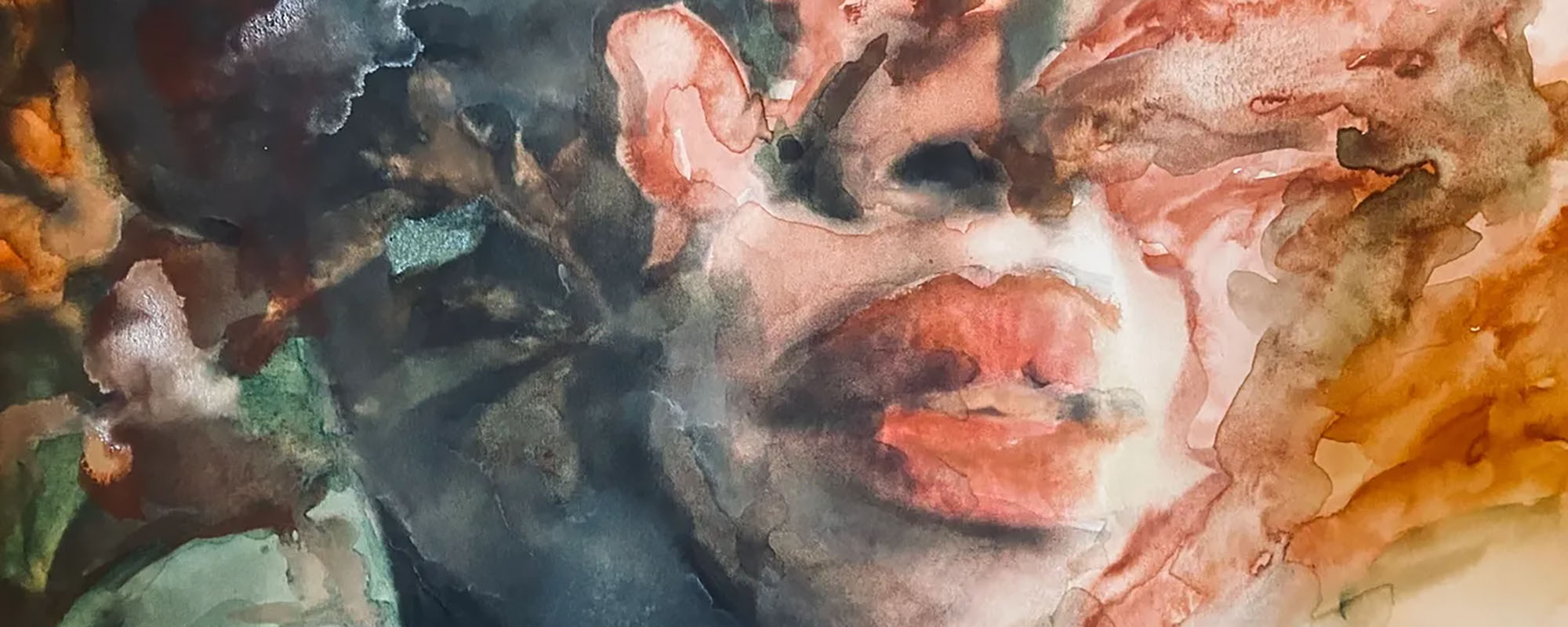
Following her studies with UM’s Faculty of Media & Knowledge Sciences, Michelle Gialanze conducted her research on the art of remembering through a physical yet still ephemeral archive – postcards. Under the supervision of Prof. Vince Briffa and Nicole Pace from the Department of Digital Arts, she presented her final research entitled: Utilising Postcards to Create an Autobiographical Artefact of Memories of an Event.

A postcard arrives. It is not from a distant place, not stamped with an exotic postmark. It is from me to me – a fragment of my past, a whisper to my present. In the small space between picture and text, I began to assemble something close to an autobiography.
The problem with memory is that it shifts and mutates. The past is never still, never fixed. For years, I have tried to pin it down with words, but they are never quite enough. My life – its contours, its moments of rupture, its flashes of joy – needed something else. Something tactile. Something that could be held, turned over, re-examined.
Postcards became my answer in this research. The image, the texture, and their weight are made of more than paper. They became vessels of remembrance, physical remnants of an event that refused to be fully contained in words. Like memory itself, they are both ephemeral and enduring. A flower pressed between pages. A thought captured before it disappears into the ether.
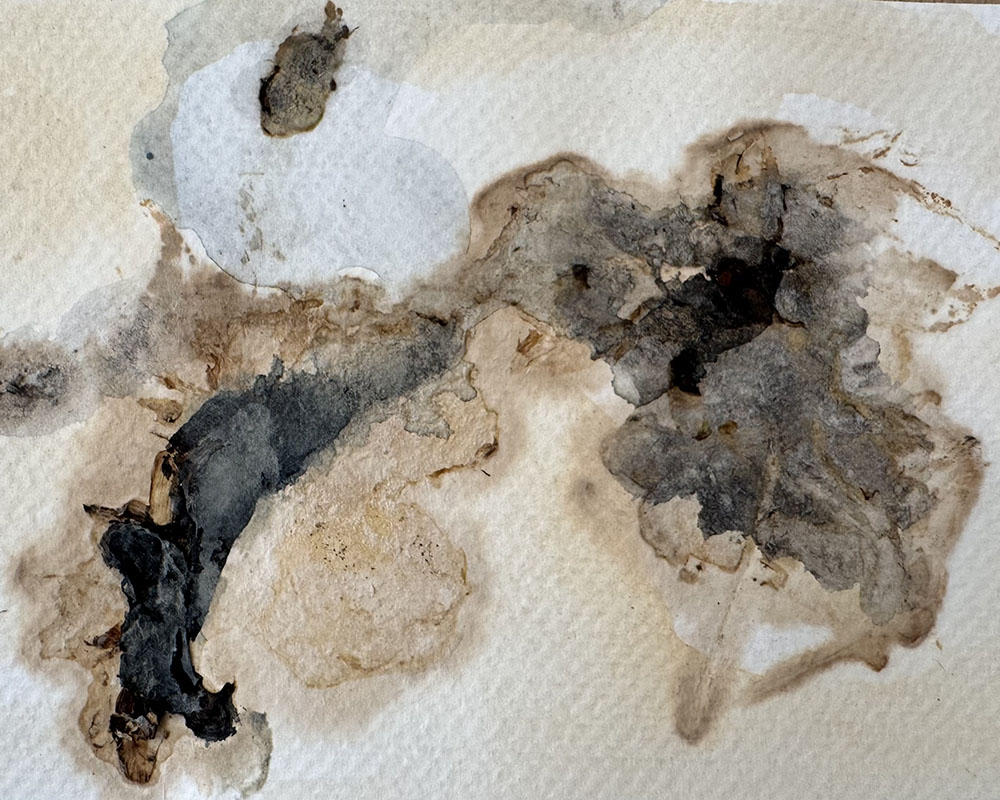
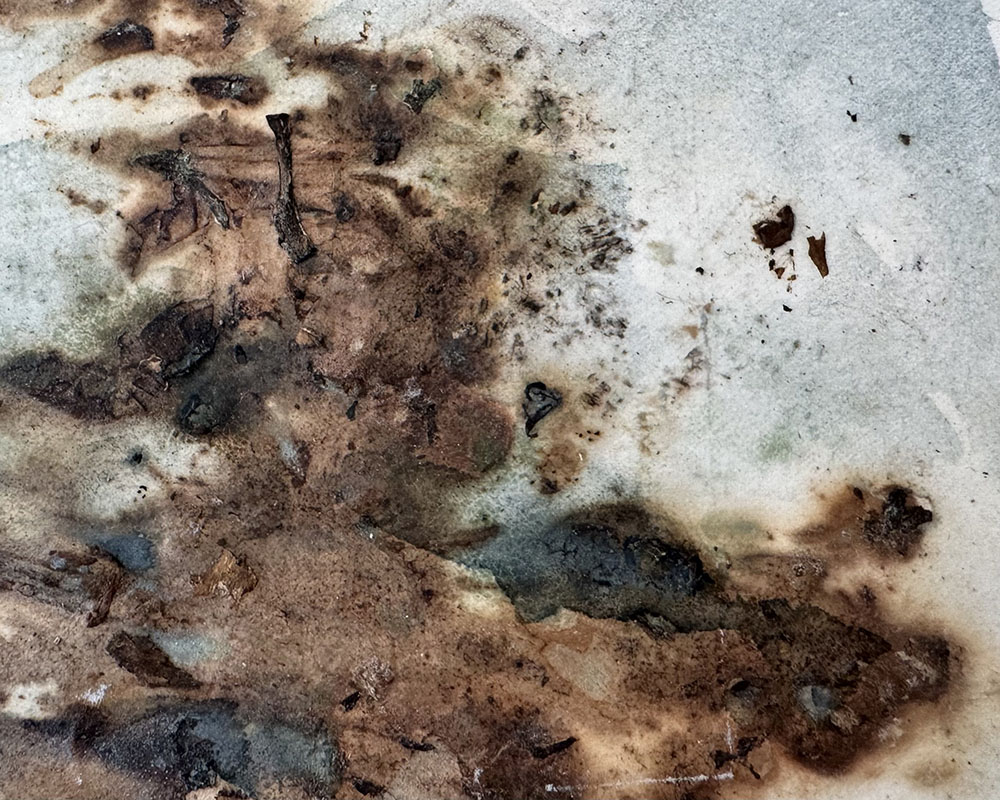
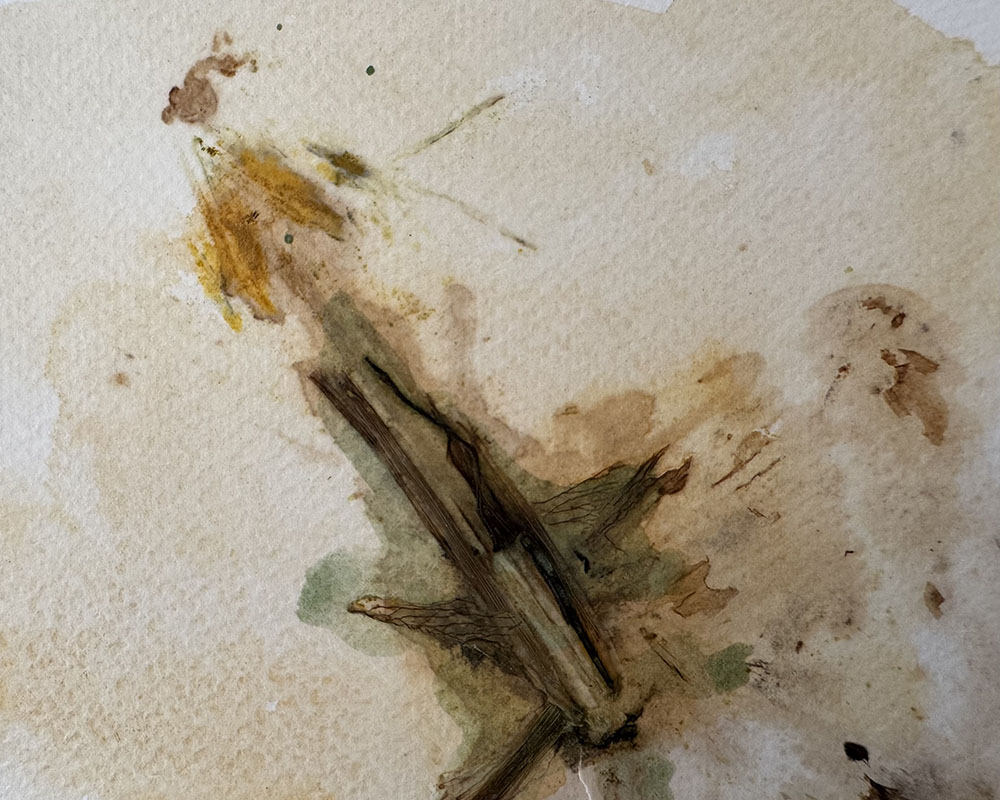
This is how my ongoing action-based research took shape, forming a constellation of moments mapped onto postcards – a living archive of my experiences. It was a deeply personal act but also a universal one. The art of remembering, after all, is something we all engage in. What we choose to preserve and what we allow to fade are choices that shape our identities.
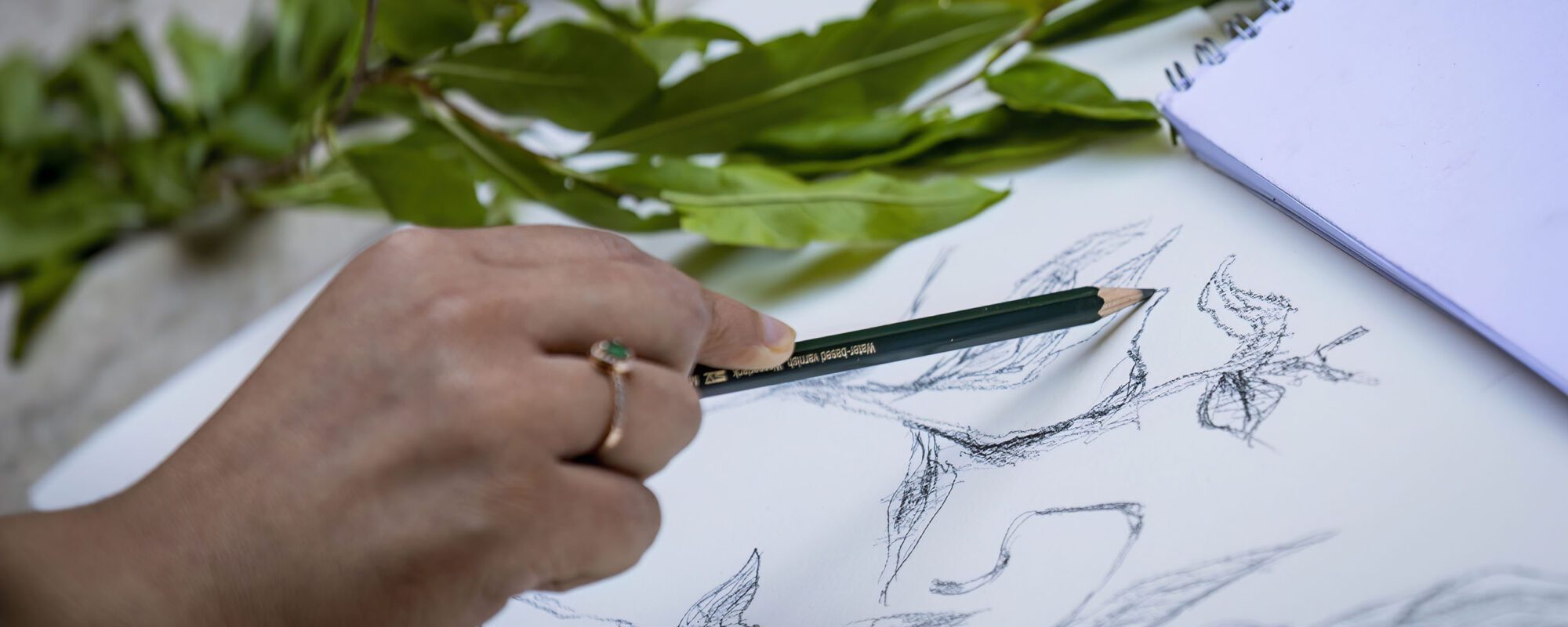
There was something therapeutic in capturing this process. I discovered that creating these postcards was not just an exercise in nostalgia but in emotional alchemy. I sifted through time, rearranged the elements on the postcard, and in doing so, I made peace with it. The act of assembling these small, portable fragments of flowers on postcards became a way to engage with loss, joy, uncertainty, and resilience.
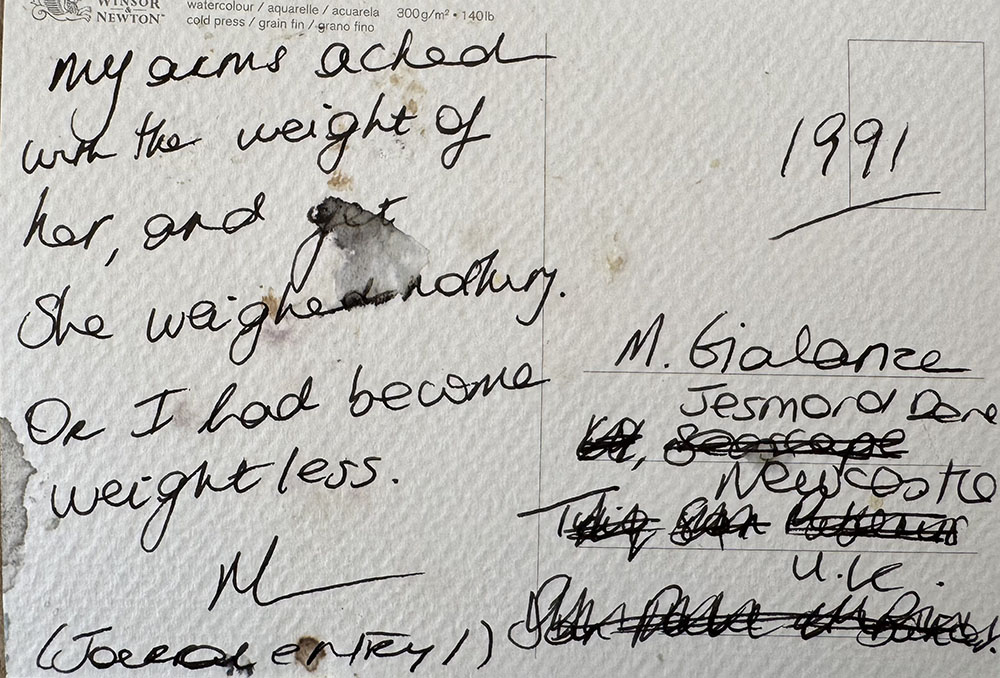
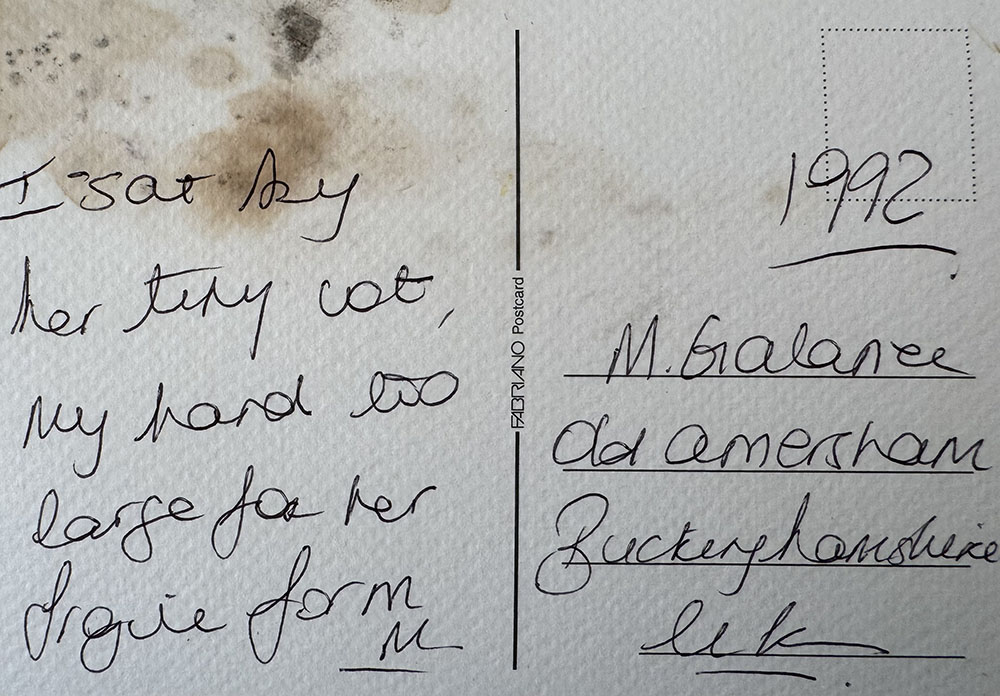
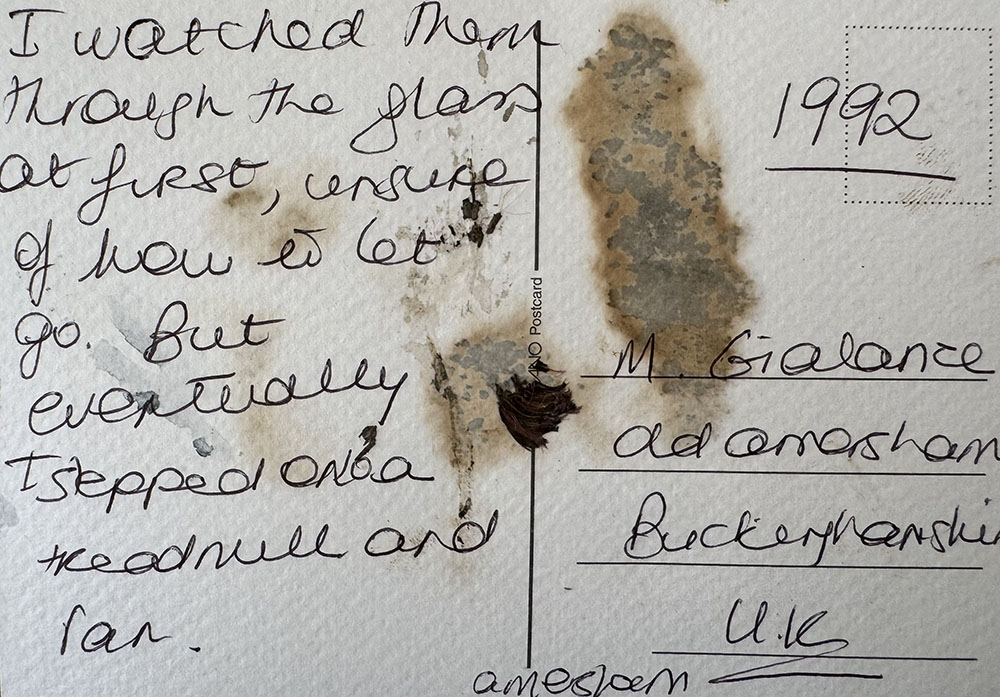
This research offered something beyond the personal. It suggested that art is not merely a container for memory but a means of transformation. It allowed for reinterpretation, for stories to be retold in new ways, and for narratives to evolve. In this way, my work aligned with broader artistic explorations of memory and materiality. The juxtaposition of the transient and the permanent – flowers that decayed, postcards that endure the passing of time – mirrors how memory itself operates, shifting between clarity and abstraction, the remembered and the forgotten.
Now, I think about my children. One day, these postcards will belong to them. They will hold them, read them, and perhaps glimpse the version of me that once was. In this way, art does not just preserve memory – it passes it forward, allowing it to breathe in new hands, new eyes. It becomes part of something larger than the self, part of a continuing dialogue between the past and the future.
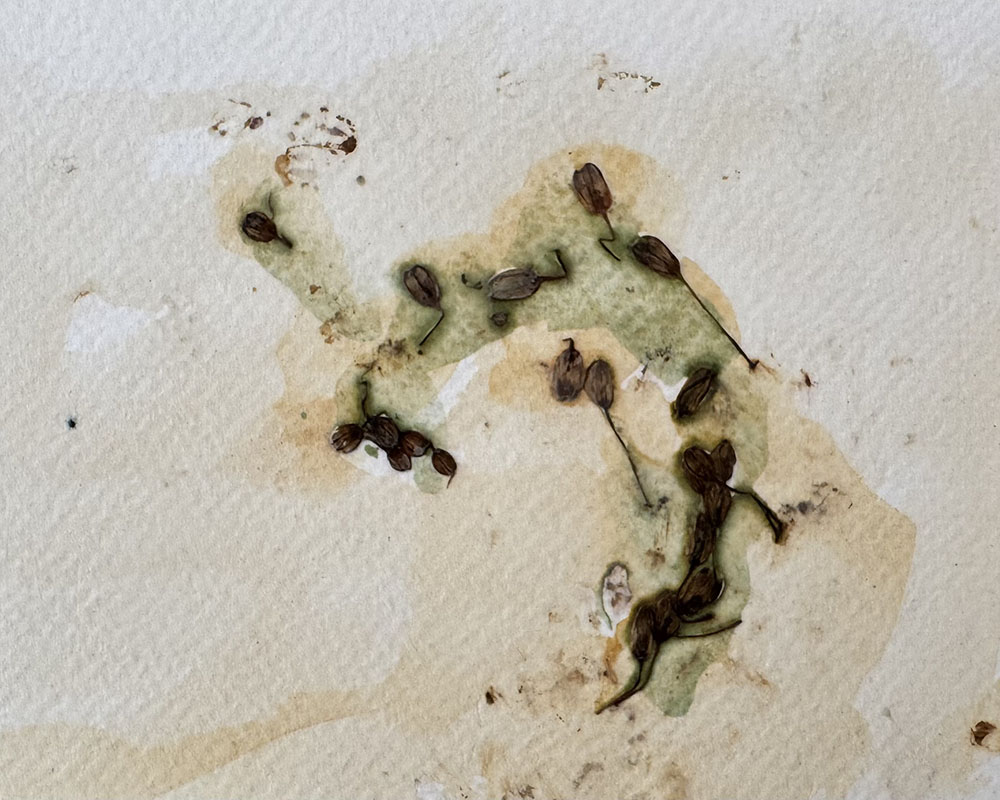
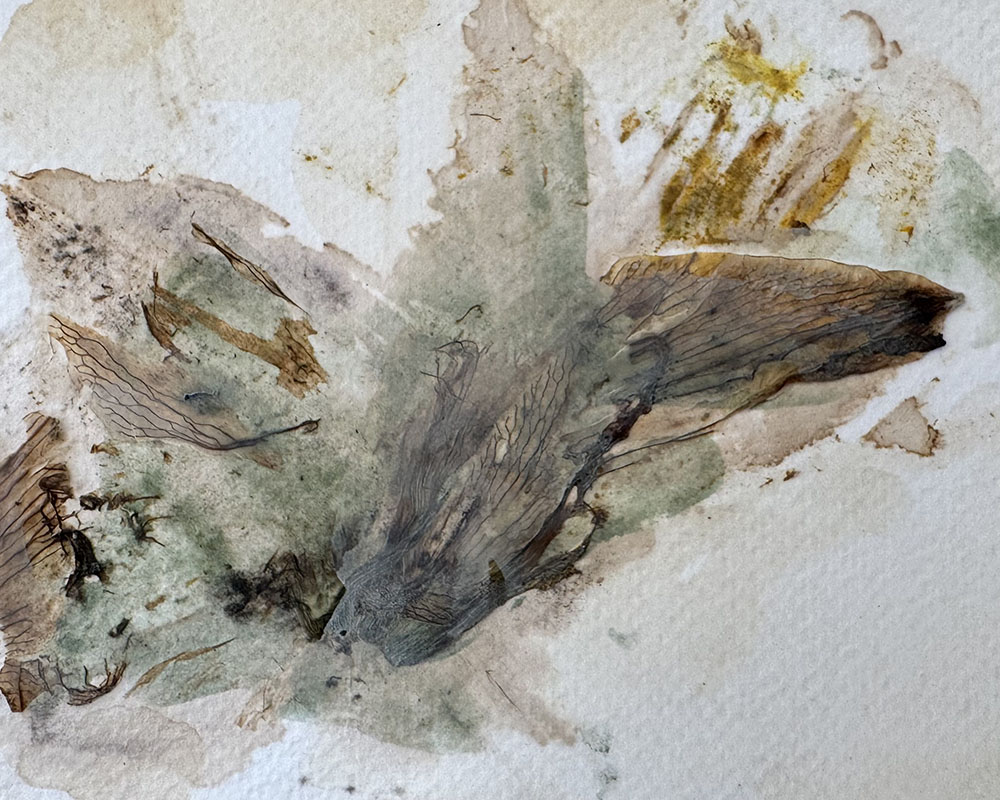
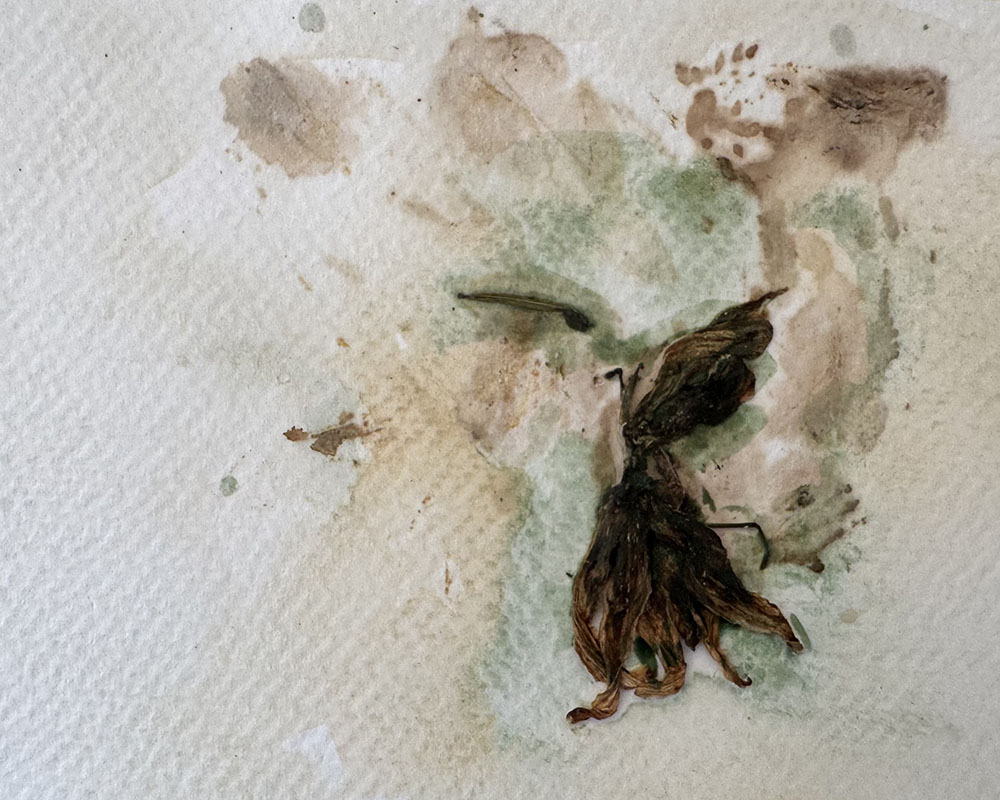
Art is a bridge, a gesture, a reaching out. In these postcards, I found my voice, my history, my questions. I was reminded that memory, like art, is never truly solitary. It is an act of connection.
The next project I am working on is Healing Vessels: Vases and Art. Vessels here are both objects and metaphors, carrying more than their visible form. This time, the connection is between the maiolica vases – those luminous, hand-painted containers of history – and my own contemporary interpretation.
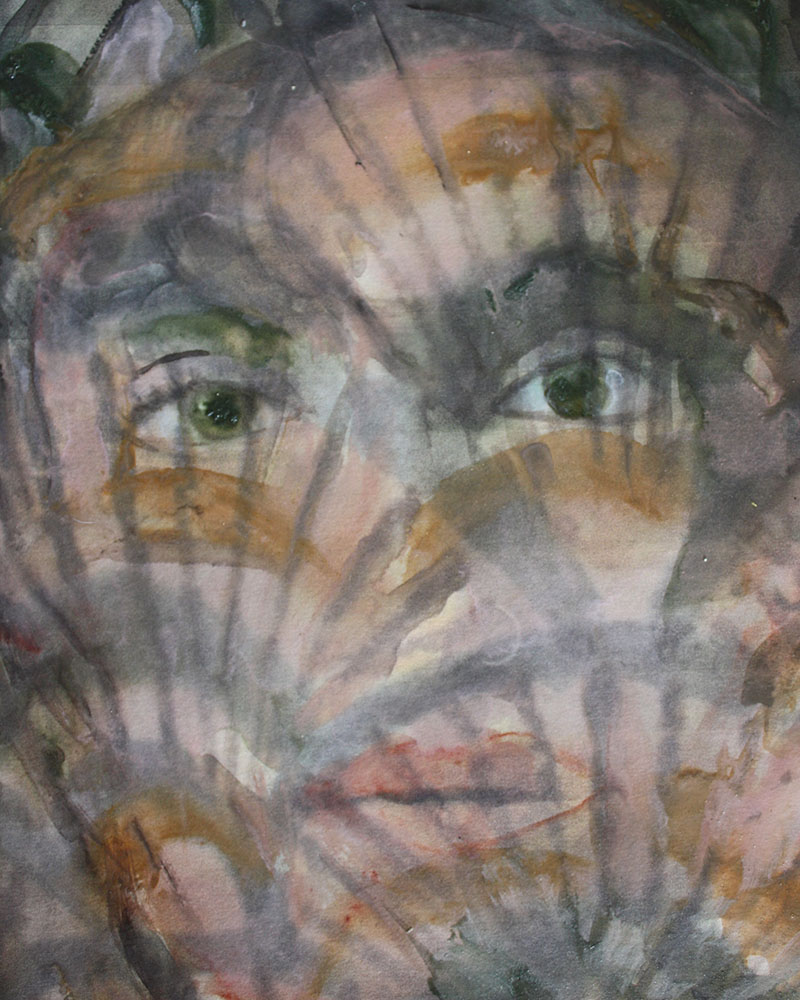
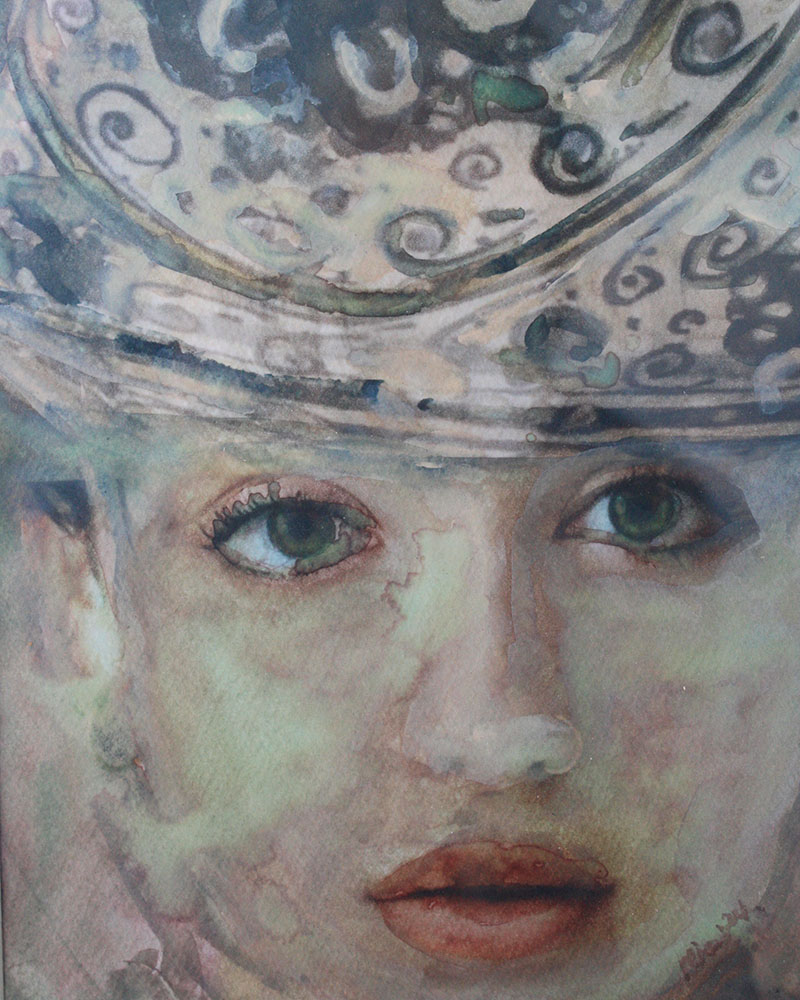
A vase is not just a vessel. It holds, it conceals, it displays. A fracture, a brushstroke, a curve – all suggest a story. The exhibition at MUŻA (Valletta) runs from 24 April to 1 June 2025. It will explore this dialogue between past and present, function and symbolism, beauty and fracture.
In the spaces between clay and glaze, between tradition and reinvention, something unspoken lingers. Perhaps healing begins there, in the vessel’s quiet offering.
Further information on the forthcoming exhibition may be found on Michelle Gialanze’s Website, Facebook, and Instagram pages.

Comments are closed for this article!