

For centuries, medicine has balanced science with experience and intuition. Two patients with the same diagnosis may receive the same treatment, yet their outcomes can differ dramatically. That has long been one of medicine’s most frustrating mysteries, and one of its biggest challenges. Today, artificial intelligence (AI) is beginning to close this gap. What was once a vision of the future is now entering clinics, laboratories, and even operating rooms, redefining how care is delivered and how doctors and patients interact.
From Basic Care to Targeted Healing
Population averages have often guided traditional healthcare: the treatment that works for most people is given to everyone. However, in fields like oncology, this trial-and-error approach can be costly in terms of time and expose patients to harsh therapies with uncertain benefits. AI offers a way out of this cycle.
By processing enormous amounts of data, from genetic codes to medical histories, AI systems can predict how an individual might respond to a therapy before it is ever prescribed. A tumour’s DNA, for example, can be analysed for mutations that point toward a drug most likely to succeed. Instead of a generic chemotherapy regimen, oncologists can select targeted treatments that minimise toxicity while improving survival.
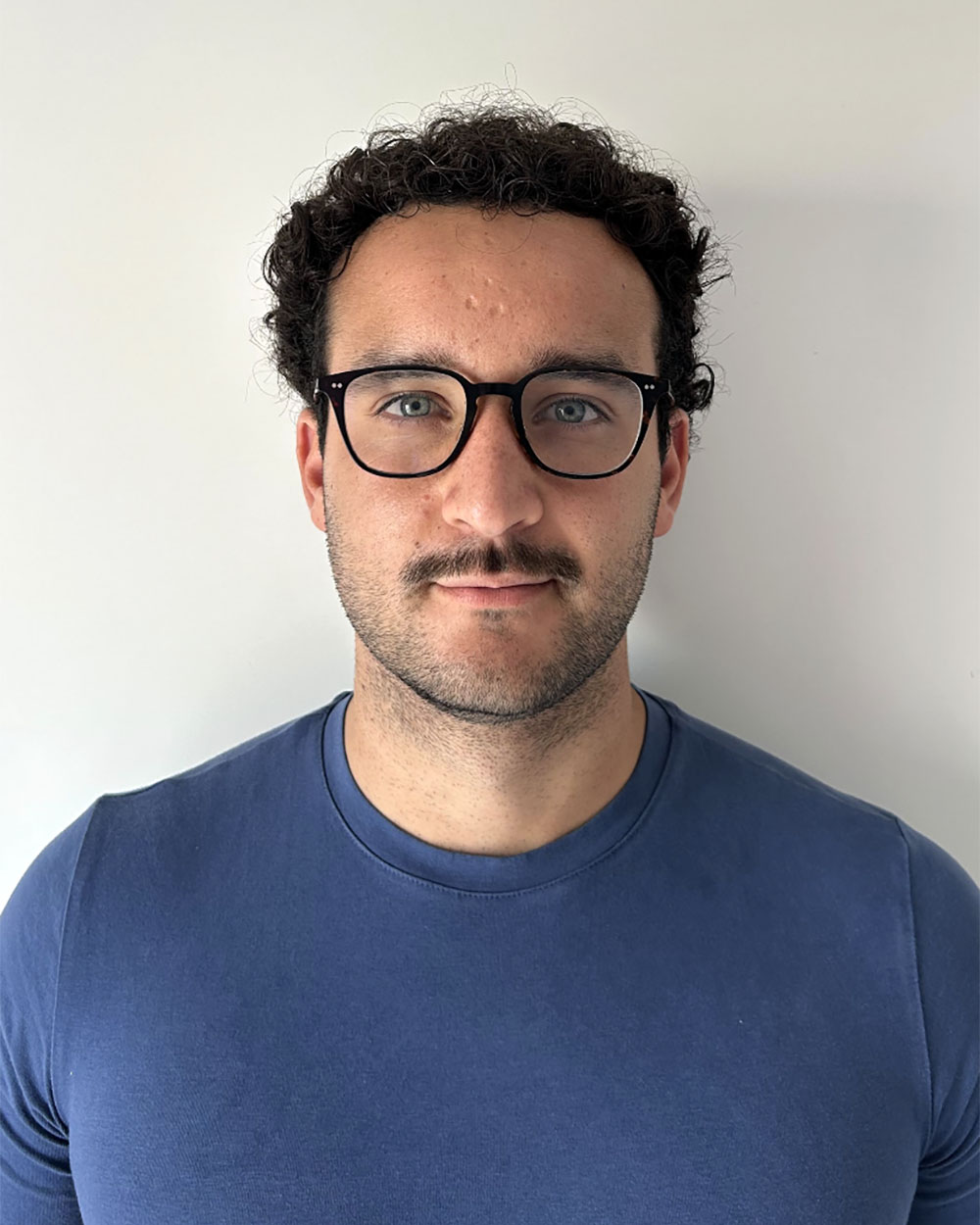
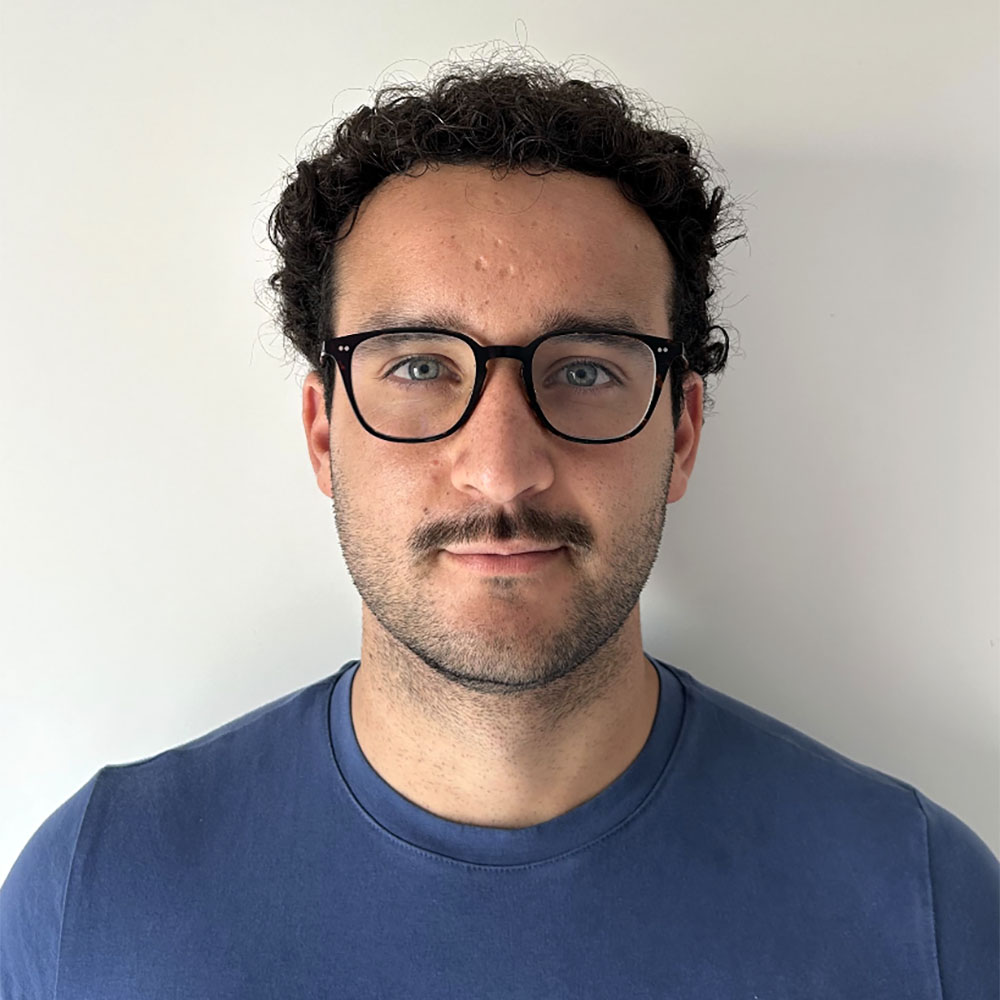
Simon Gingell is in his third year studying medicine at the University of Malta (Photo courtesy of Simon Gingell)
This personalised approach is not limited to cancer. Chronic conditions such as diabetes, hypertension, and heart disease, the leading causes of illness worldwide, can now be managed in ways unique to each patient. Algorithms that combine genetic risk, lifestyle habits, and clinical records can identify who is at risk long before symptoms appear. Doctors can then recommend specific diets, exercise plans, or early interventions. The goal is not only to treat disease but to prevent it.
Everyday Health: A Doctor on the Wrist
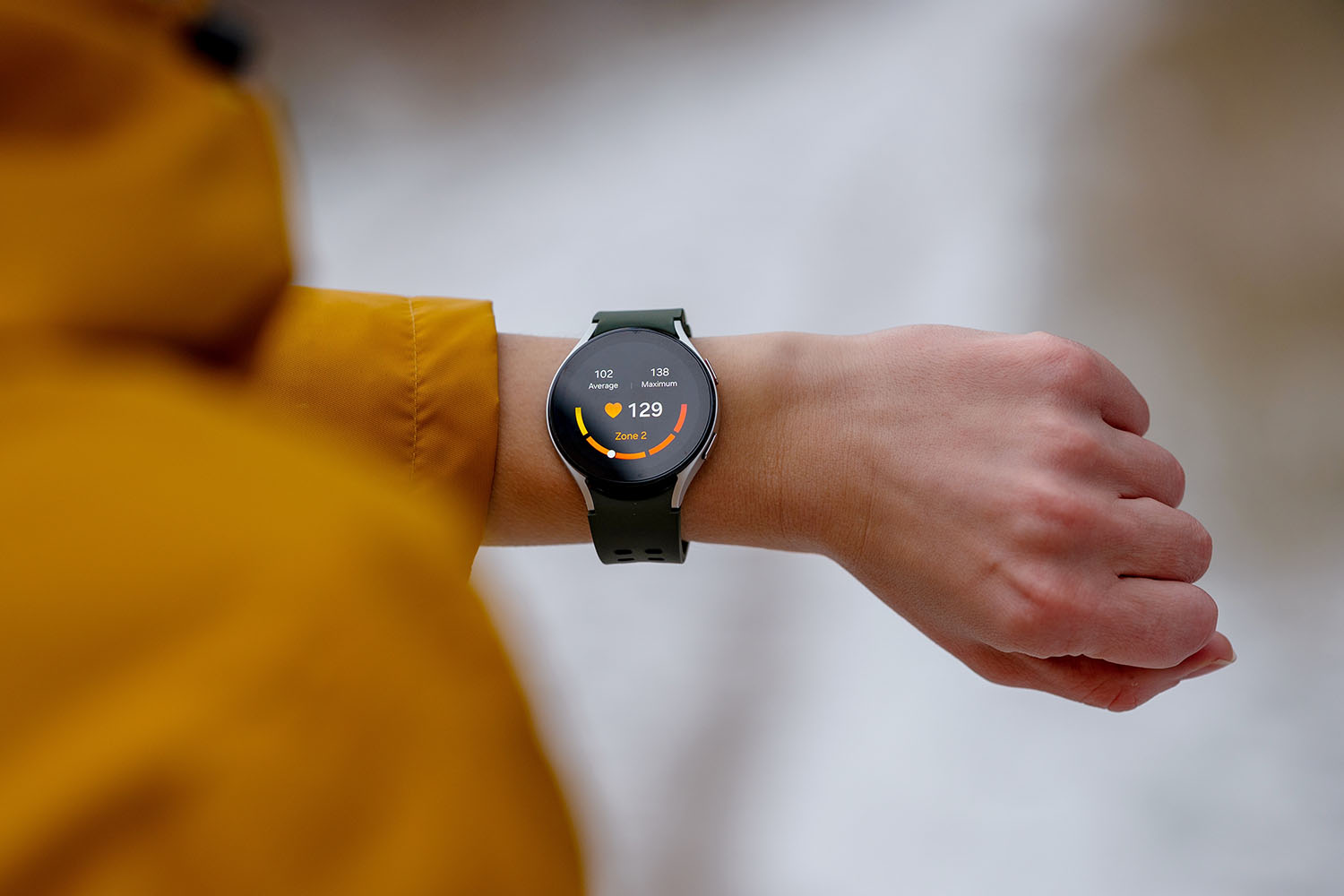
Perhaps the most visible expression of this shift is happening outside the hospital. Wearable devices, once simple step counters, have become powerful health monitors. A smartwatch today can continuously record heart rhythms, blood pressure, or oxygen levels, streaming data to algorithms trained to spot irregularities.
For a patient, this feels like reassurance: an invisible safety net that warns of danger before it becomes a crisis. For a doctor, it means acting earlier, reducing emergency visits and avoiding costly hospital stays. A patient with diabetes might be alerted to a dangerous drop in blood sugar, or someone with a heart condition might receive a warning of arrhythmia before they ever feel palpitations.
This continuous monitoring shifts medicine from episodic check-ups to real-time care. Patients gain independence and confidence, while clinicians gain insight and foresight. Together, the two sides of care are more connected than ever before.
Faster Medicines, Smarter Vaccines
Beyond the clinic, AI is accelerating one of medicine’s most challenging frontiers, drug discovery. Traditionally, developing a new drug takes more than a decade and costs billions, with thousands of potential compounds tested, only for most to fail. AI changes this by scanning vast chemical libraries and predicting which molecules are most likely to succeed.
This has already produced breakthroughs. Researchers recently used AI to discover Abaucin, a new antibiotic capable of tackling Acinetobacter baumannii, a bacterium resistant to nearly all existing treatments. Equally important, AI can also repurpose old drugs for new conditions, saving years of research since the safety of those drugs is already known.

The pandemic showed the world how powerful this can be. COVID-19 vaccines, developed in record time, benefited from AI tools that analysed the virus’s genetic code and identified promising targets within weeks. What once took decades was compressed into months. The same strategies are now being applied to influenza and other emerging pathogens, with AI helping researchers anticipate mutations and design vaccines that are ready before the next outbreak spreads.
AI in the Operating Room
In surgery, AI is reshaping what is possible. Robotic systems already give surgeons greater precision and dexterity, but AI enhances these tools with intelligence.
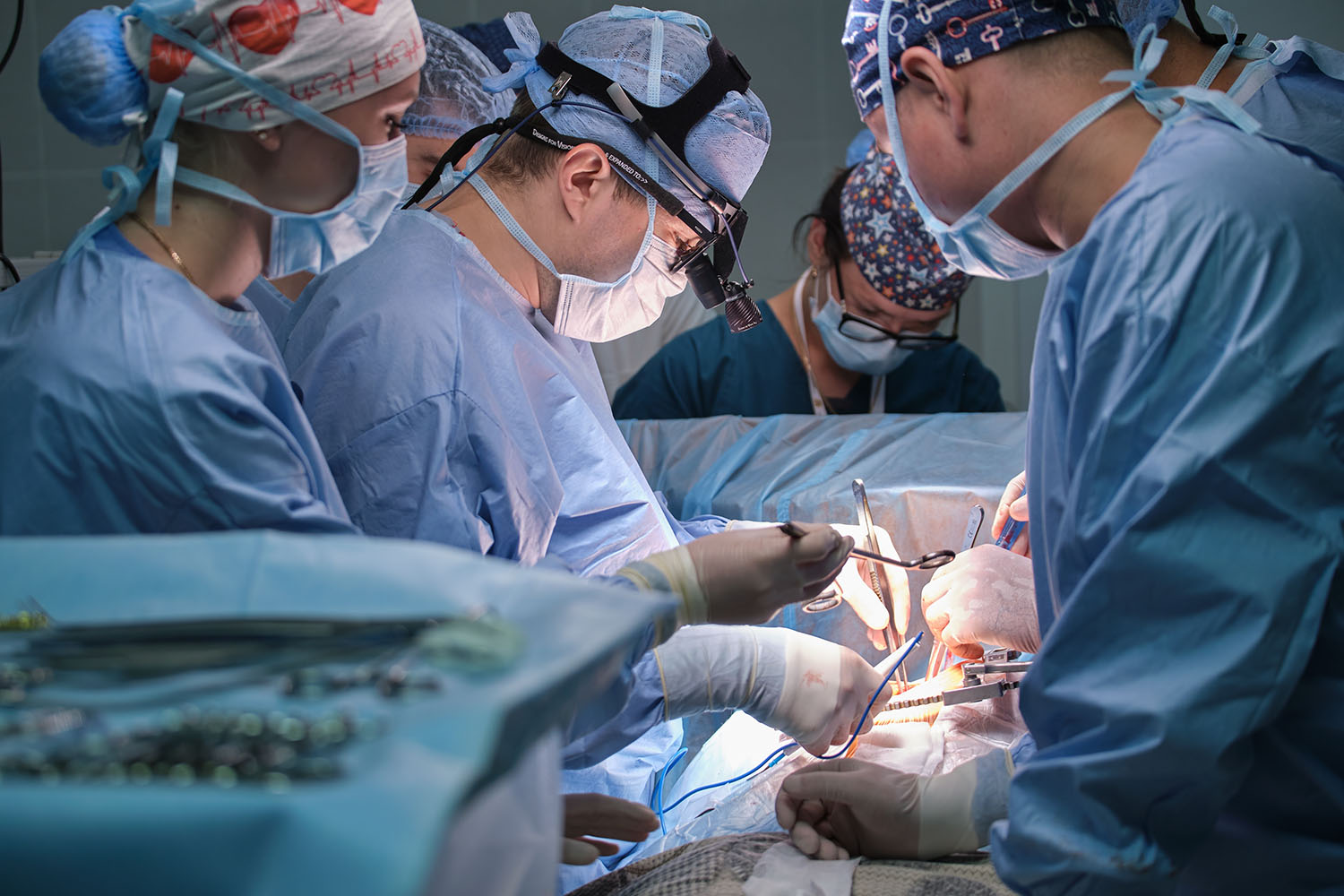
Before an operation, algorithms can create detailed 3D models of a patient’s anatomy, allowing surgeons to rehearse and identify potential risks in advance. During surgery, AI analyses live video and sensor data, highlighting vital structures in real time and ensuring delicate nerves or vessels are not harmed. Some systems even overlay augmented reality images directly into the surgeon’s field of view.
Anaesthesiology, too, has been transformed. AI can assist in ultrasound-guided procedures by quickly identifying nerves, making pain management both faster and safer. After surgery, recovery data continues to be monitored, with algorithms flagging early signs of complications so doctors can act quickly. The result: shorter hospital stays, fewer errors, and smoother recoveries.
The Human Partnership and the Ethical Equation
With so much power, a natural question arises: Will AI replace doctors? The reality is far more collaborative. Algorithms excel at pattern recognition, detecting signals hidden in vast amounts of data. Doctors, however, bring empathy, judgment, and the ability to understand context. Together they form a partnership – the algorithm provides the map, the doctor decides how to follow it.

Yet this partnership raises challenges. Personalised medicine depends on sensitive data, from genetic codes to lifestyle patterns, and protecting that information is essential. Bias in AI training data is another risk; if algorithms are built on narrow populations, they may not perform well for everyone, deepening health inequalities rather than reducing them. Regulators are beginning to adapt, setting standards for transparency and accountability. Still, trust must be earned. Patients need to know how their data is used and that AI is a supportive tool, not an unseen decision-maker.
Toward a Proactive Future
The integration of AI into medicine signals a broader transformation, from reactive care, where doctors treat illness after it appears, to proactive care, where disease is predicted, prevented, and managed with precision. For patients, this means treatments with fewer side effects, wearable technologies that enhance independence, and improved long-term outcomes. For clinicians, it means sharper tools for decision-making and more time to focus on the human connection that technology cannot replace.
AI does not make medicine less personal. In fact, it makes it more so. By uncovering the unique signals within each patient’s biology and life, medicine can finally reflect what has always been true – every patient is different.
The stethoscope once symbolised the doctor’s ability to listen. Today, perhaps a more fitting symbol is the algorithm, ceaseless and attentive, able to hear the hidden rhythms of health within the noise of data. Together with the human touch, it is opening a new chapter in the art of healing.


Comments are closed for this article!