
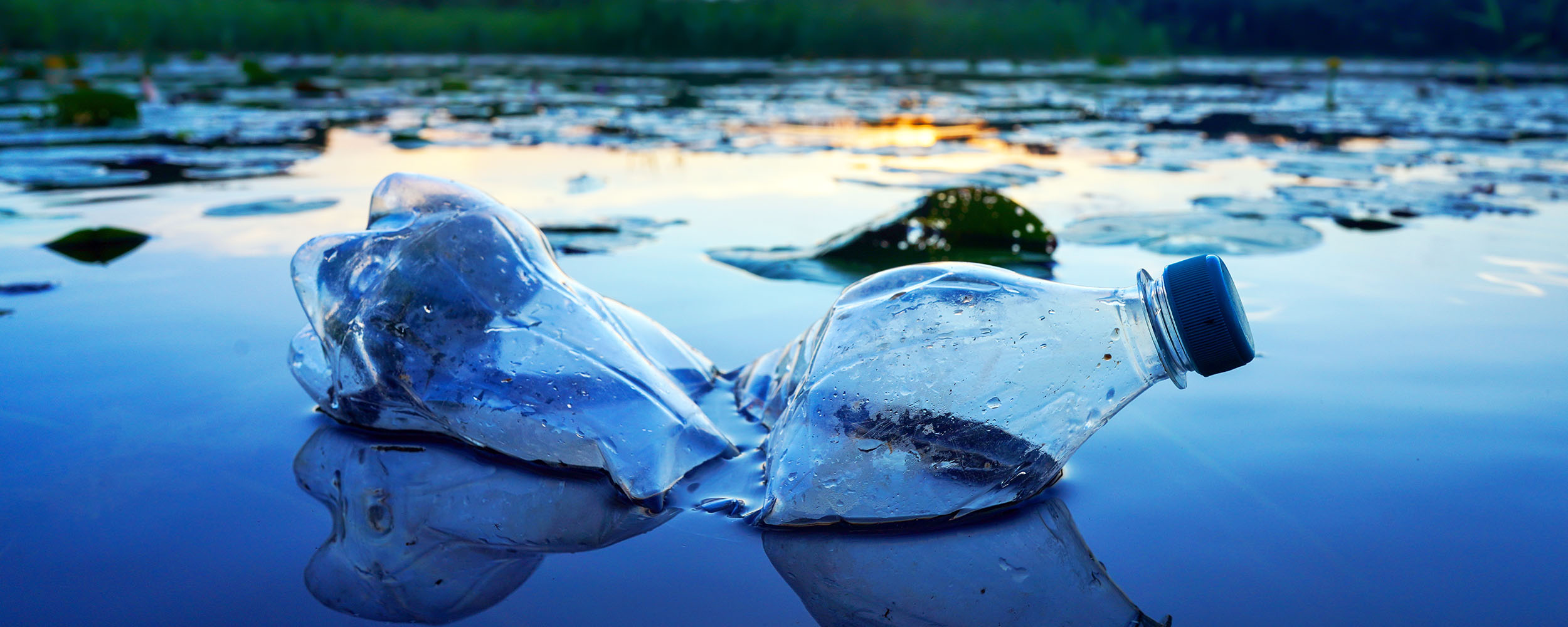
Europe’s packaging industry drives 40% of plastic demand, yet Malta’s recycling rates remain alarmingly low. While 3D printing with recycled plastic offers a sustainable, low-carbon solution, repeated recycling degrades the material’s internal structure. Dr Zunaida Binti Zakaria explores this challenge through infrared thermal imaging to unlock the secrets of plastic crystallisation and bridge the gap between waste and reliable production.
The packaging industry is one of the leading contributors to plastic waste in Europe, contributing approximately 40% of total plastic demand (as noted by Circularise on global plastic consumption, production, and sustainability efforts). In October 2025, Eurostat reported that Malta has a significant gap between the amount of packaging waste generated and the amount recycled, with recycling rates far below the EU average. This alarming figure underscores the urgent need to address plastic waste. One promising solution lies in 3D printing with recycled plastic, which supports sustainable, cost-efficient, and low-carbon production methods. However, recycling plastics is not as straightforward as it seems.
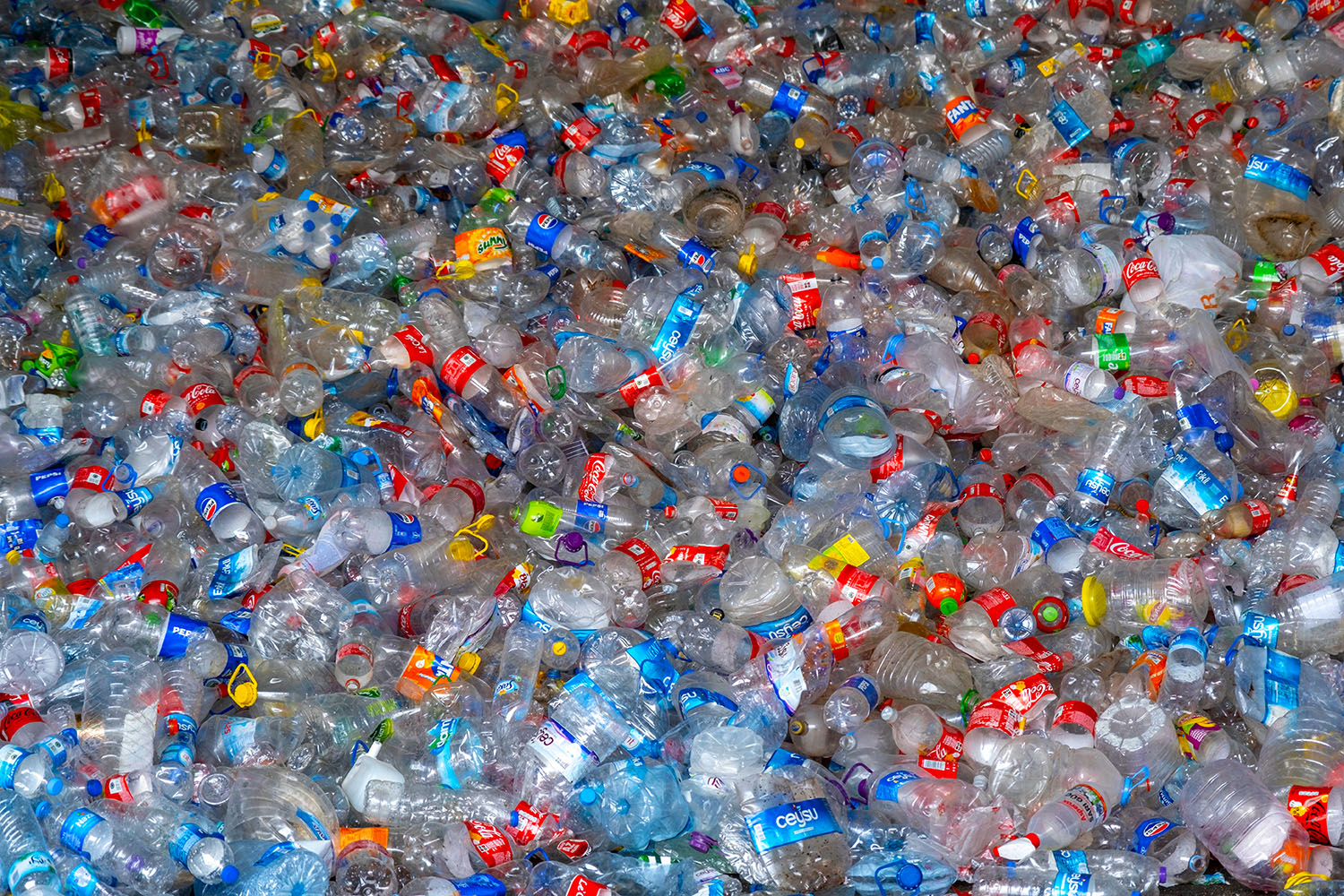
Every time plastic is melted and reshaped, it undergoes thermal and mechanical degradation. Repeated heating and cooling cycles weaken the internal structure of the recycled material, making it less reliable than the original. While waste plastic, such as plastic bottles, can be transformed into new 3D-printed products, a key question remains: How can we ensure that recycled plastic still meets the quality required for new applications? To explore this question, I, Dr Zunaida Binti Zakaria, conducted a study as part of the ‘Elucidation of Crystallization Process in FFF 3D Printing Using IR Thermal Imaging Technique on Plastic Waste’ (CPW) project, under the supervision of Prof. Arif Rochman and Prof. Ing. Paul Refalo. Our goal is to better understand the crystallisation of recycled plastic during 3D printing and how this affects its mechanical performance.
Seeing Heat: Monitoring Plastic Behaviour in Real Time
We used infrared (IR) thermal cameras in a 3D printer to monitor the cooling rates of recycled plastic in real time. This setup allowed us to observe how heat propagated through the materials and dissipated into the surroundings during printing, and to correlate these observations with data on the crystallinity and mechanical properties of the printed samples. We test-printed various items, including a component with different thicknesses and tensile bars, to study how recycled materials behave under different printing conditions or parameters.
During each print, we used the IR thermal camera to examine temperature distribution, surface finish, and layer bonding. These experiments allowed us to understand how temperature control influences the crystallinity, quality, and strength of 3D-printed parts made from recycled plastics. We could also estimate how many recycling cycles a material can safely undergo before its properties begin to degrade.
From Waste Bottles to Printed Samples
Our journey began right on campus, where we collected discarded plastic bottles from around the UM. These bottles were thoroughly cleaned to remove contaminants and labelling adhesives before being shredded into small flakes using a granulator machine, preparing them for filament production. For industrial plastic waste, we sourced pre-ground materials from our industry partner. This was processed directly into filament using a filament maker, serving as the raw material for 3D printing. The filament was then fed into a 3D printer with the integrated IR thermal camera. We investigated thermal behaviour and crystallinity using differential scanning calorimetry (DSC) and Raman spectroscopy. We also conducted a tensile strength test to measure mechanical performance.
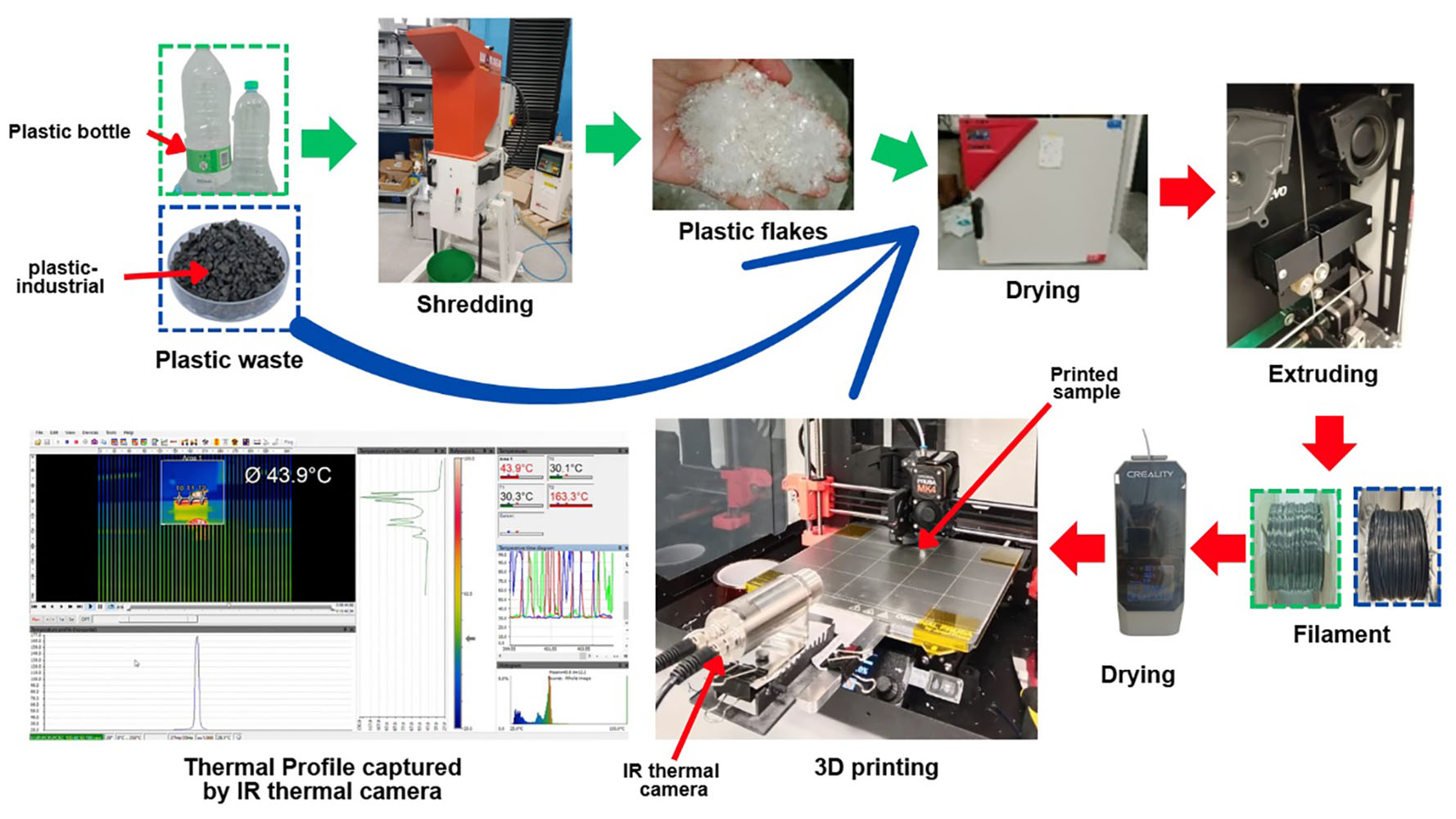
Preliminary results revealed a strong relationship between cooling rate, crystallinity, and tensile strength. This innovative approach enabled us to visualise an otherwise invisible process – how plastic cools and solidifies. We discovered that recycled plastics that cooled uniformly during printing yielded stronger, more ordered crystalline structures and produced more consistent parts. This finding underscores the importance of precise thermal monitoring in transforming recycled plastic into reliable materials for real-world applications.
Our major challenge in the CPW project is producing high-quality, consistent filament from plastic waste for 3D printing. Achieving this requires careful control of parameters such as temperature, screw speed, and cooling fan speed, since materials like PET bottles have low viscosity and are prone to degradation. Ensuring a uniform filament diameter and flexibility across different types of consumer and industrial waste remains complex, as each type presents distinct behaviour.
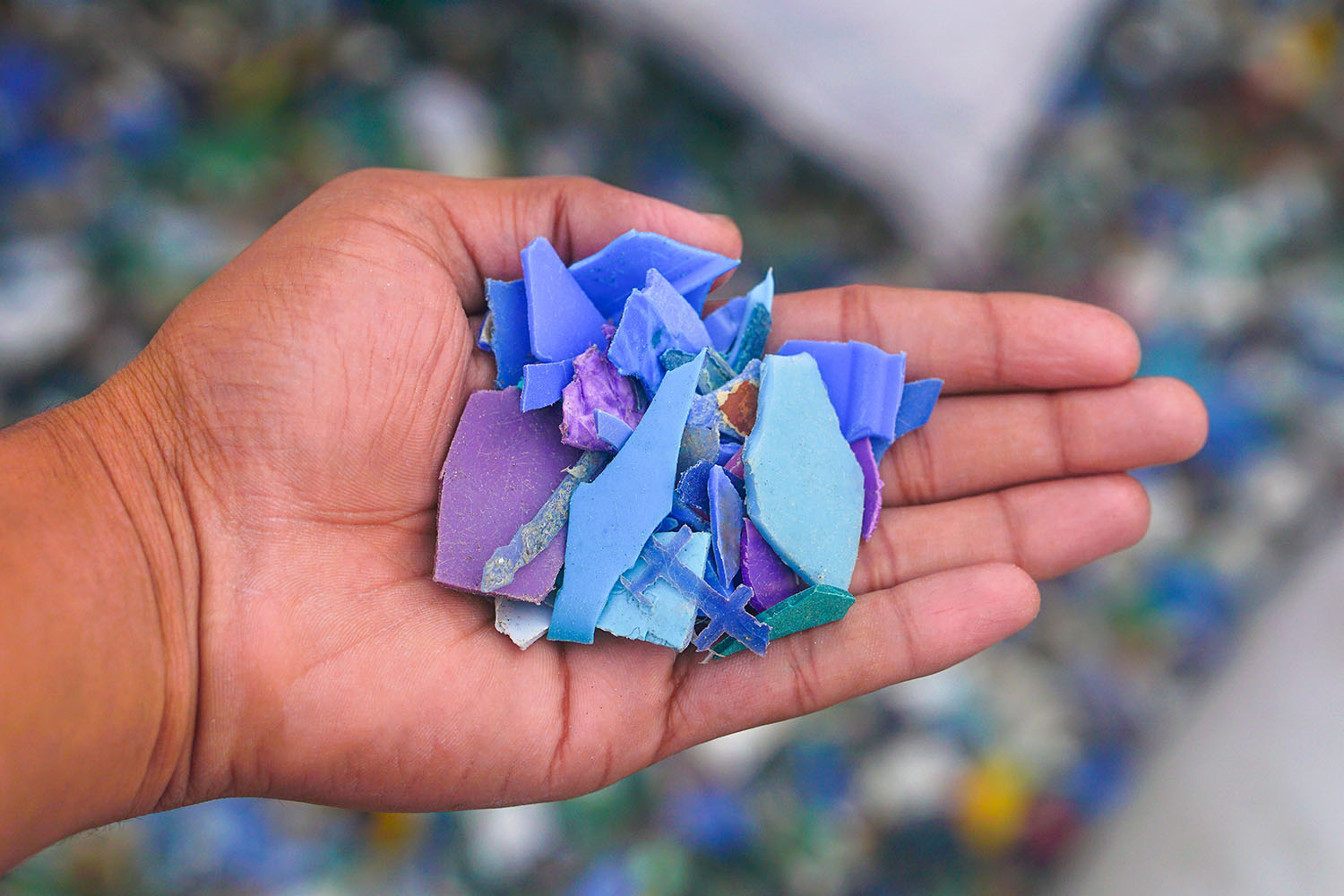
Recycling plastic is not just an environmental duty. It is also a path toward innovation. The knowledge gained from the CPW project can help manufacturers create reliable and high-quality products from recycled materials, reducing the use of virgin plastic and directly addressing the 40% packaging waste challenge.
The Elucidation of Crystallization Process in FFF 3D Printing Using IR Thermal Imaging Technique on Plastic Waste (CPW) Project is funded by the European Commission through the Marie Skłodowska-Curie Research Actions (MSCA) – Postdoctoral Fellowship. This project also benefits from industrial collaboration with Olaf Zahra of Toly Products Limited and technical support from Ing. John Paul Borg, Josef Attard, and Josef Briffa.




Comments are closed for this article!