
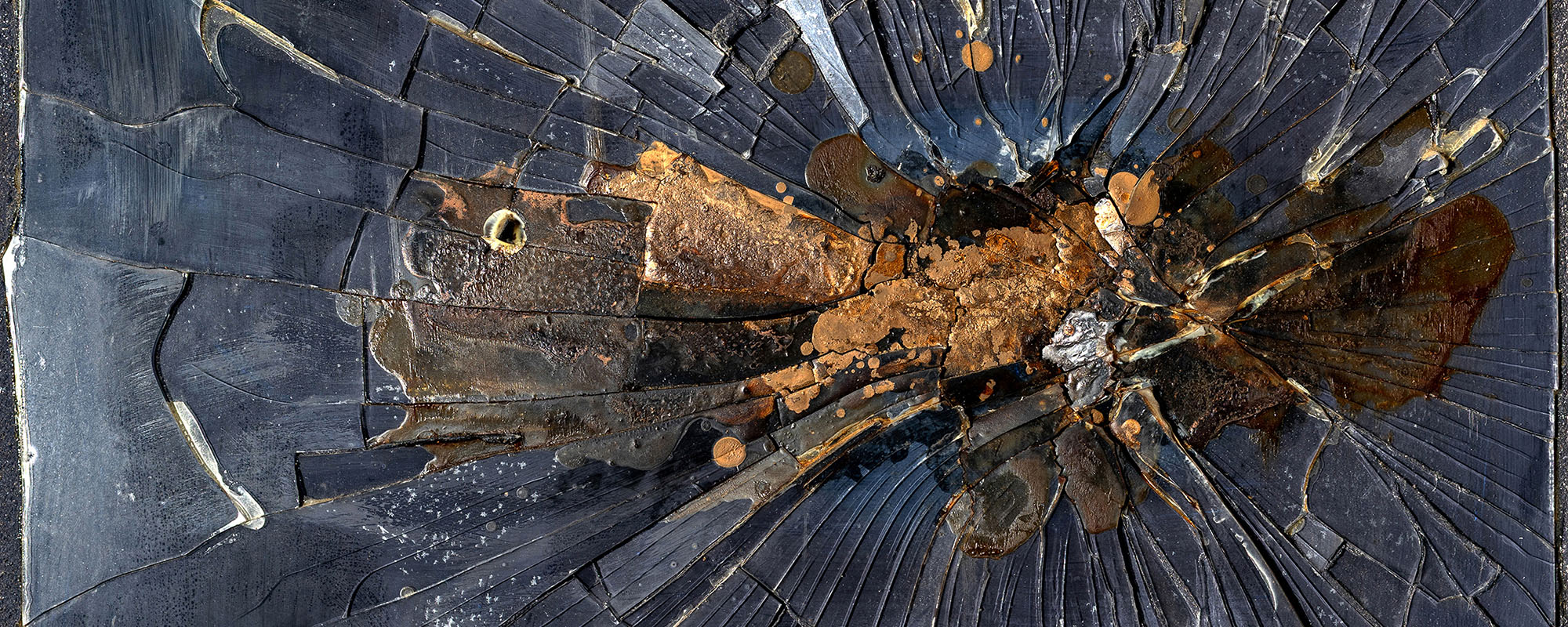
Imagine walking into Malta’s National Museum of Fine Arts in 1969, expecting serene saints or picturesque landscapes, and instead finding canvases studded with shattered glass and swirls of cement. Visitors at the time were stunned. Was this really the work of Emvin Cremona, the nation’s beloved painter of churches and stamps? Fast forward to today, and those very works are on display again at the Victor Pasmore Gallery run by Fondazzjoni Patrimonju Malti in Valletta, inviting a fresh look at a Maltese modern art pioneer who broke away, quite literally, from tradition.
From Altars to Avant‑Garde
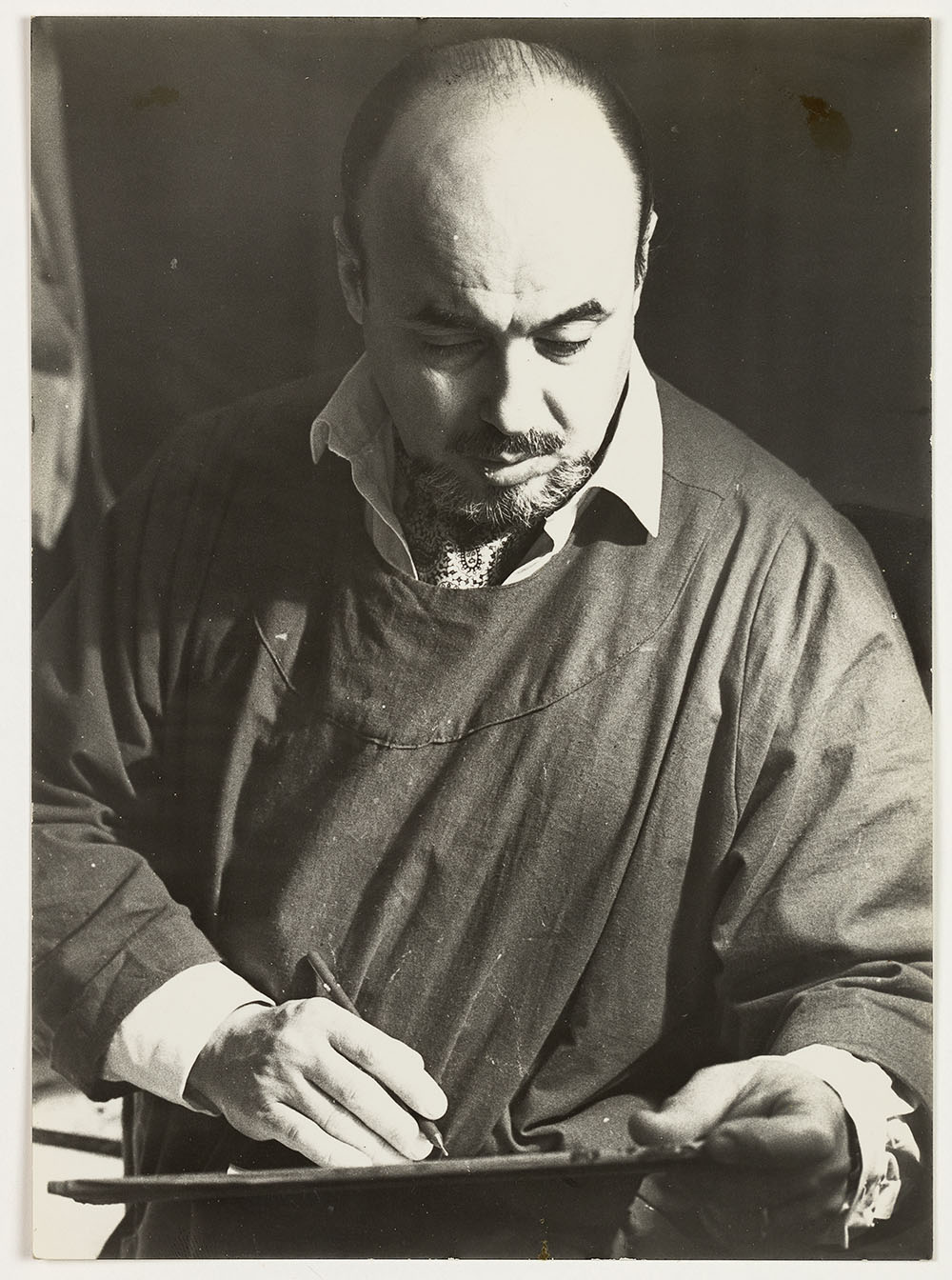
Emvin Cremona (1919–1987) occupies a unique place in Malta’s 20th-century art scene. For decades, he was synonymous with tradition: a prolific artist whose designs adorned church altars and murals across the islands, and who brought Malta international attention through three decades of postage stamp designs. Trained at the Malta Government School of Art under masters like Carmelo Mangion and Edward Caruana Dingli, the young Cremona quickly made a name for himself with his versatility and skill in both painting and design.
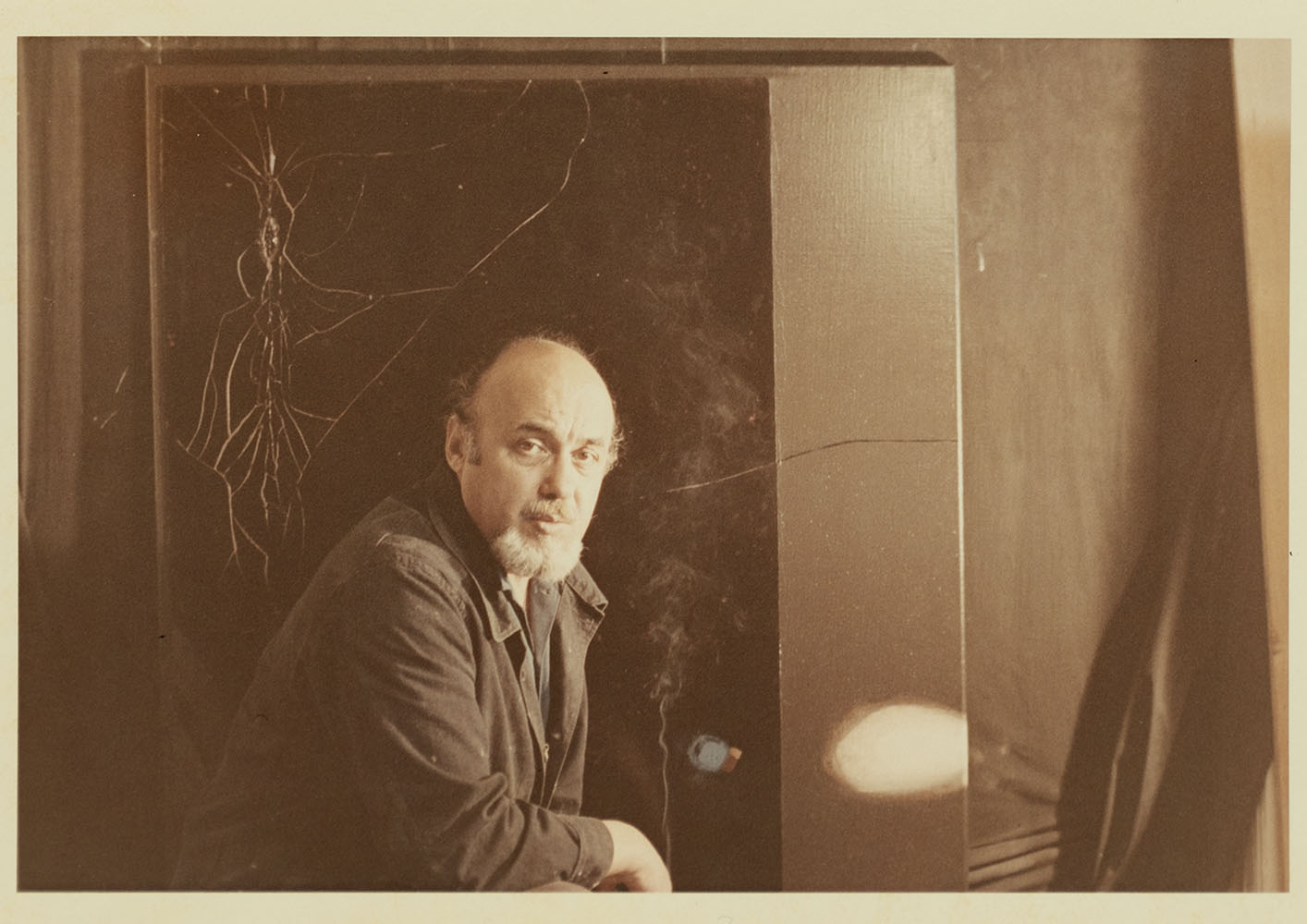
Emvin Cremona in his studio
(Photo courtesy of The Cremona Family Archives)
By mid-century, he was ‘one of the pioneers of the Maltese modern art movement’; yet, he balanced on a careful line – being celebrated for church commissions and assertive, modernist compositions that still pleased ecclesiastical patrons. This balancing act between modernity and convention defined his early career. A turning point occurred in 1958 when Malta participated in the 29th Venice Biennale of Art. Cremona was selected as part of a cohort of seven Maltese artists and ended up presenting the only abstract works in the country’s first pavilion.
There, surrounded by cutting-edge international art, he encountered the raw creativity of Italian avant-gardists. Alberto Burri’s experimental pieces, burnt plastics, torn burlap, and unconventional textures made a deep impression on him. This left such an impression on the Maltese artist that he began to experiment with various textures, including fabric, sand, and gravel.
Soon after this, Cremona started to push his boundaries by painting on unprimed canvas, playing with gritty materials, and infusing a newfound freedom into his colour palette. Still, he remained tethered to the establishment. Relying on church commissions to support his family meant that, for a time, he kept one foot in the traditional art world even as his other foot stepped toward the avant-garde.
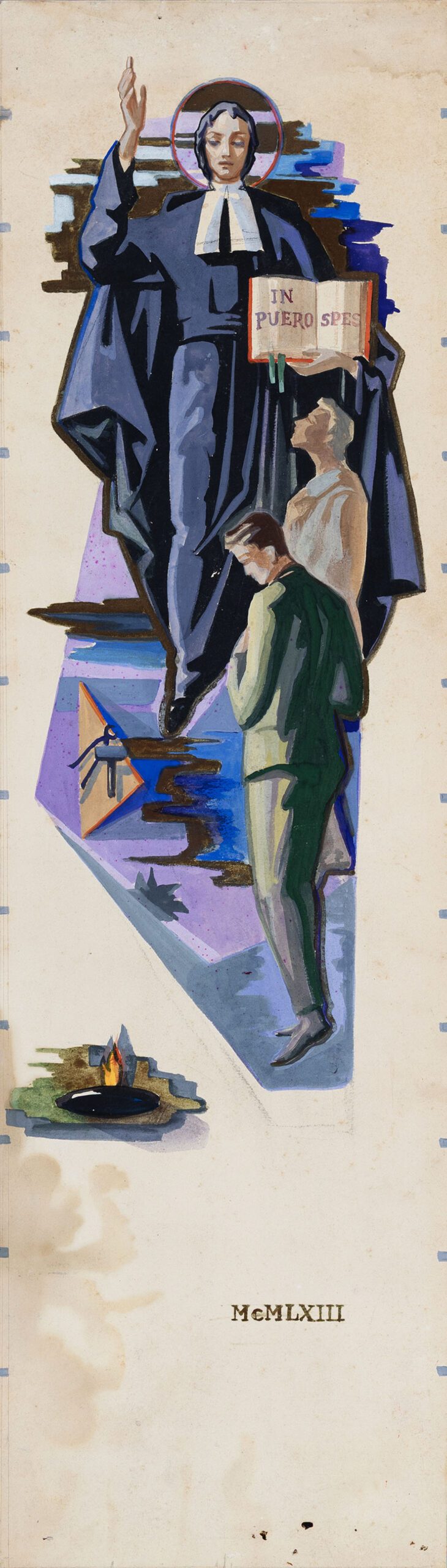
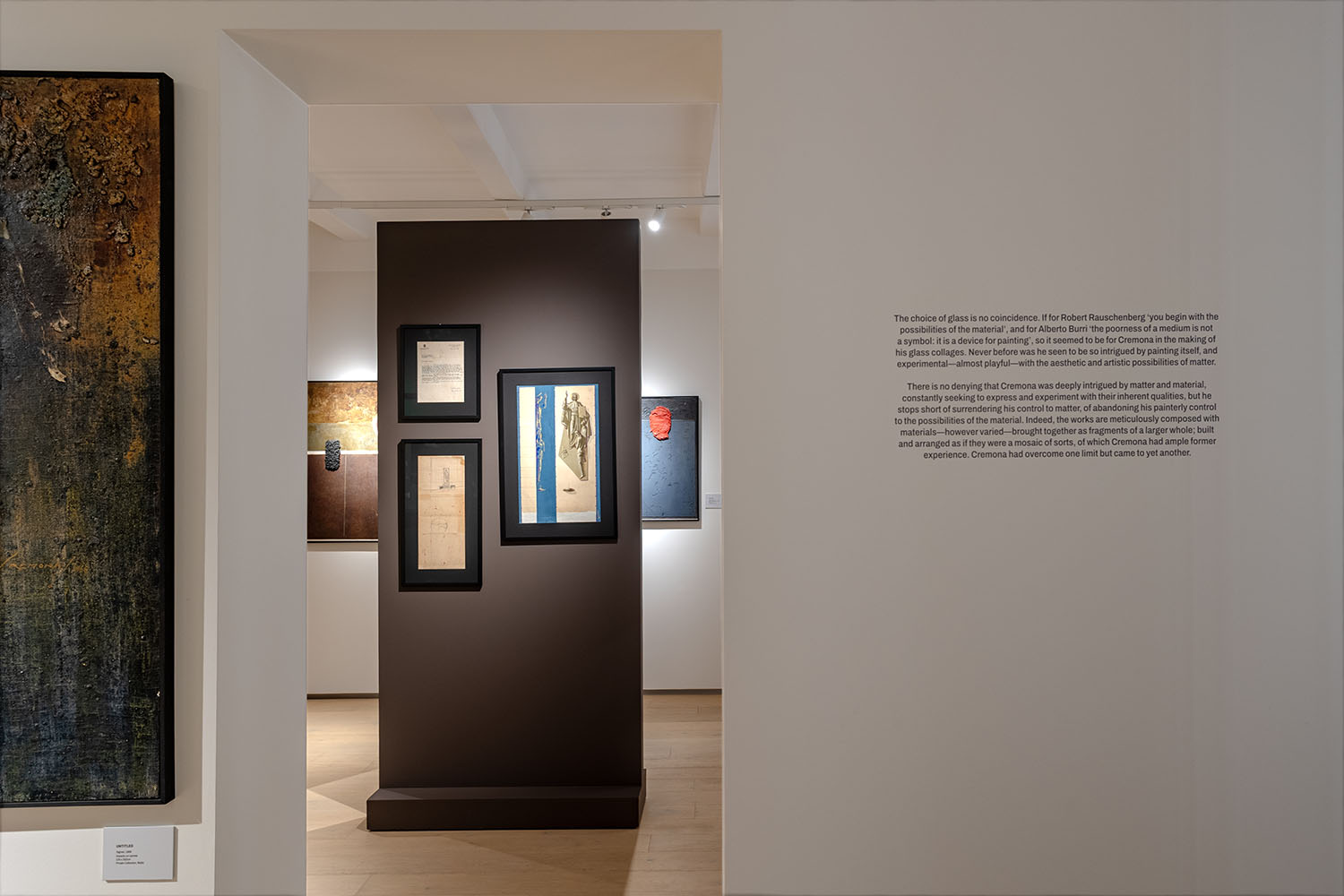
Preparatory drawing for the De La Salle Monument (Photo by Lisa Attard)
Left: Emvin Cremona originally intended the De La Salle Monument (1968) to be a large sculptural relief, but due to insufficient funds, he adapted the design into a mosaic. This shift from relief to mosaic was both a practical and artistic solution – mosaics were more cost-effective, durable, and well-suited to Cremona’s modernist style. The change allowed him to maintain the monument’s spiritual and symbolic power, using colour and abstraction to evoke meaning rather than sculptural depth. Far from a compromise, the mosaic format reinforced his innovative combination of sacred tradition and contemporary form.
Breaking Glass: The 1969 Shock
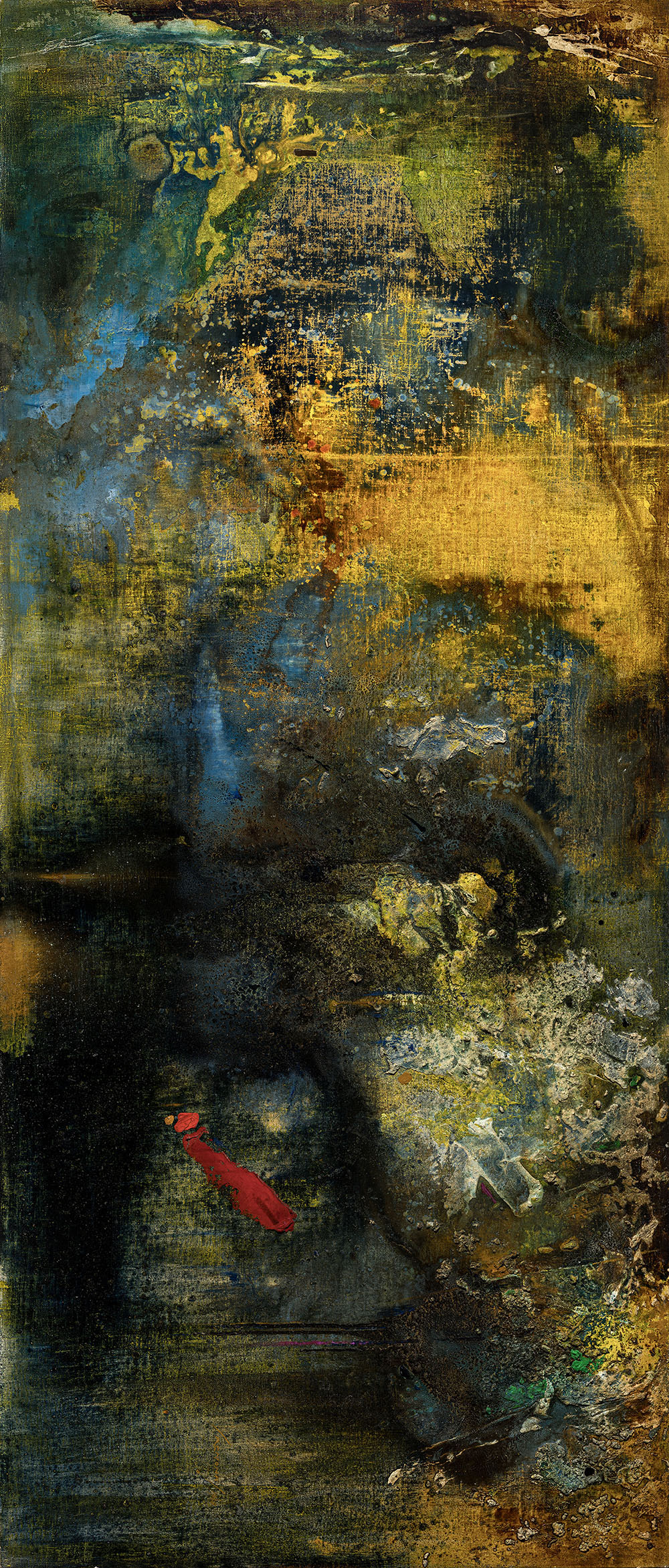
(Photo by Lisa Attard)
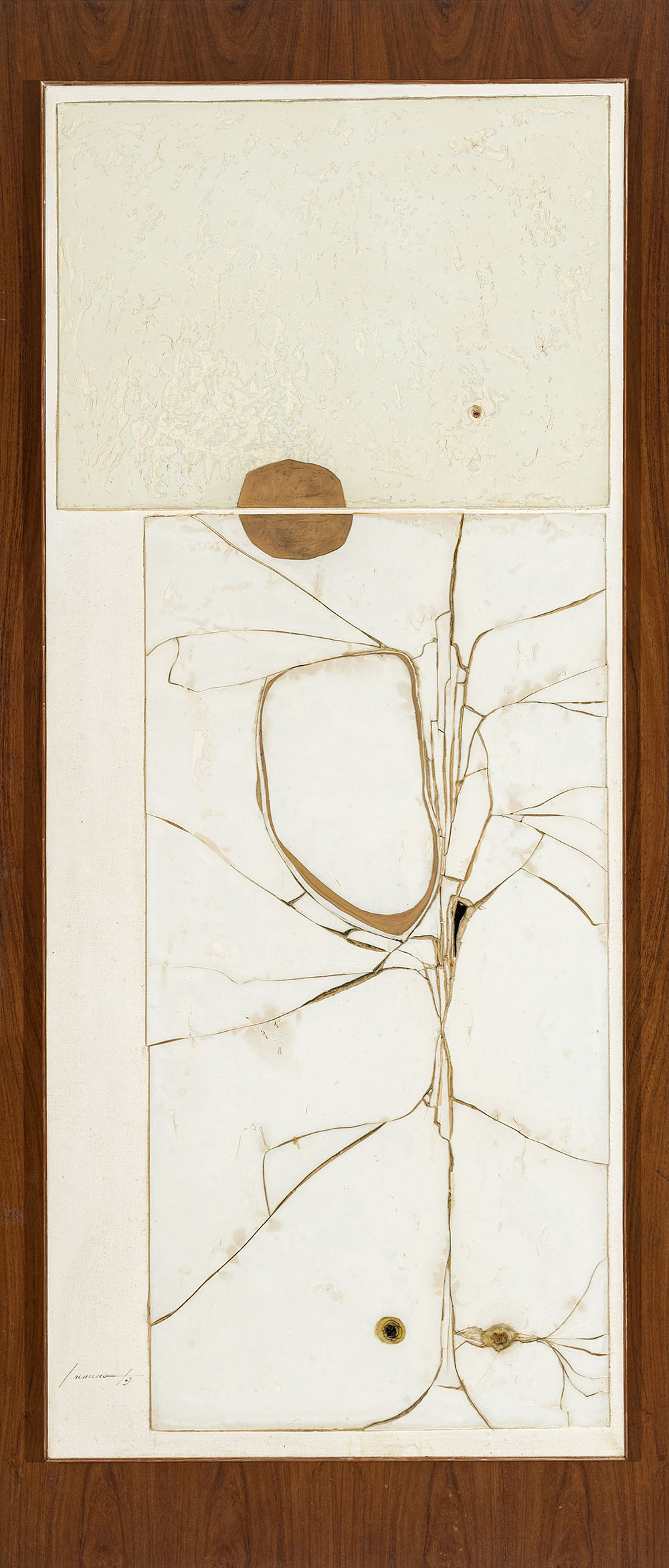
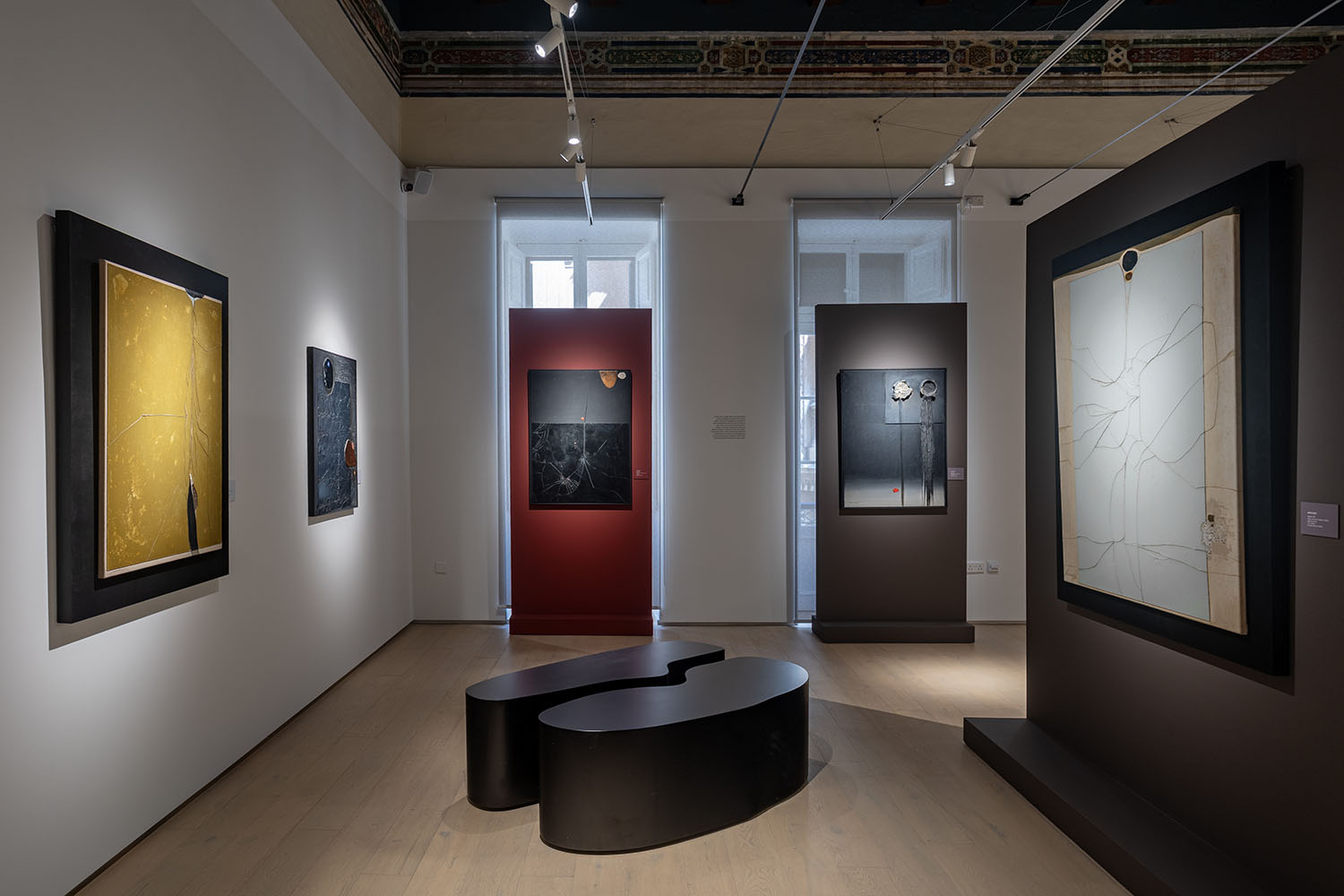
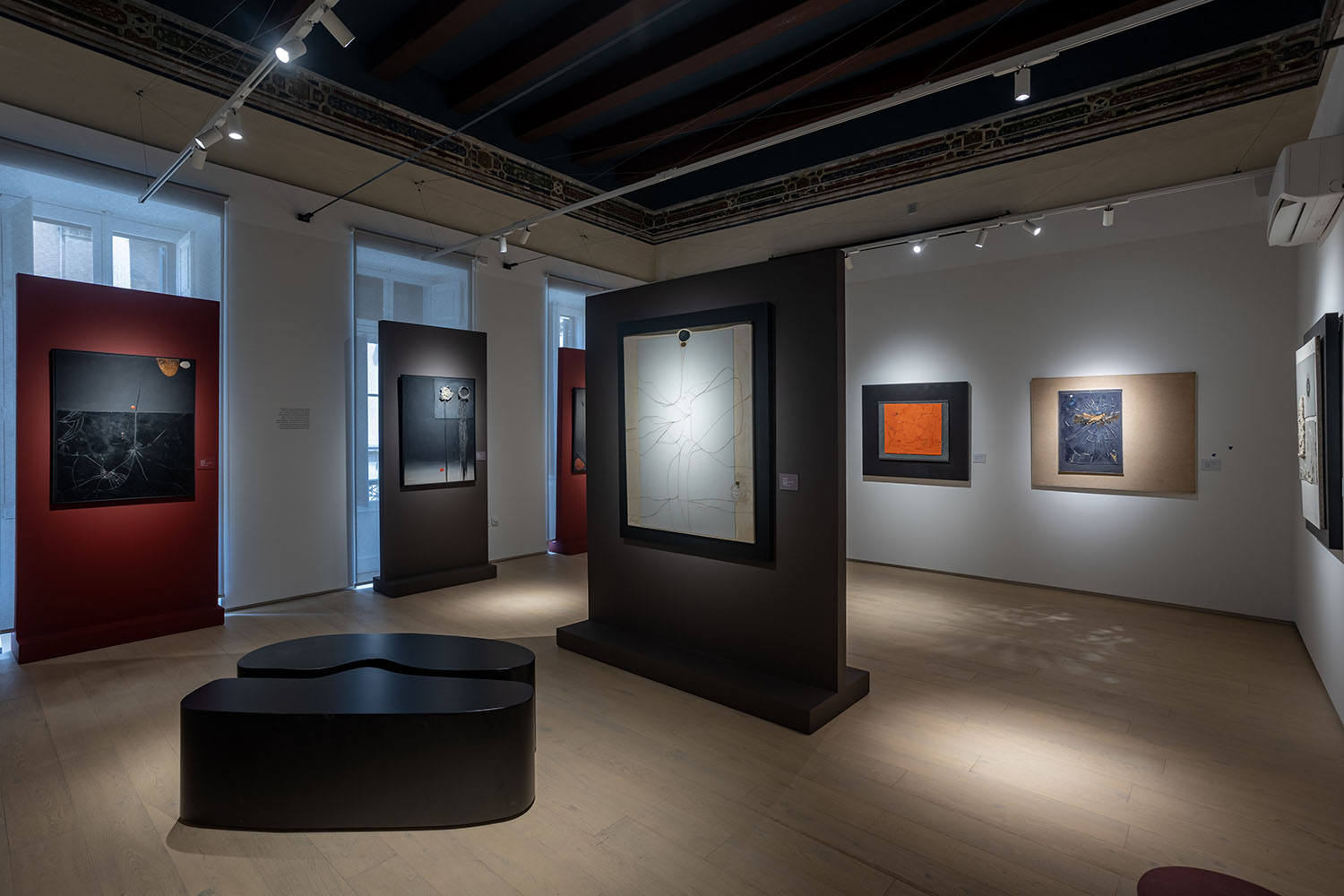
All those simmering experiments dramatically crystallised – or rather, shattered – in 1969. That year, Emvin Cremona unveiled a series of works unlike anything Malta had seen. Often called the ‘broken glass series’ (a label the artist resisted), these pieces are what Cremona preferred to term ‘glass collages’, emphasising creation through assembly rather than destruction. In a solo exhibition in Valletta, the works hung defiantly, like antonyms to the refined, graphic style for which he had been known.
Viewers used to polished murals and orderly design were confronted with abstract explosions of texture and colour. The public was stupefied. Here was an artist long embraced by the establishment now seemingly shattering his own rulebook to smithereens. Cremona’s glass collages were literally and figuratively groundbreaking.
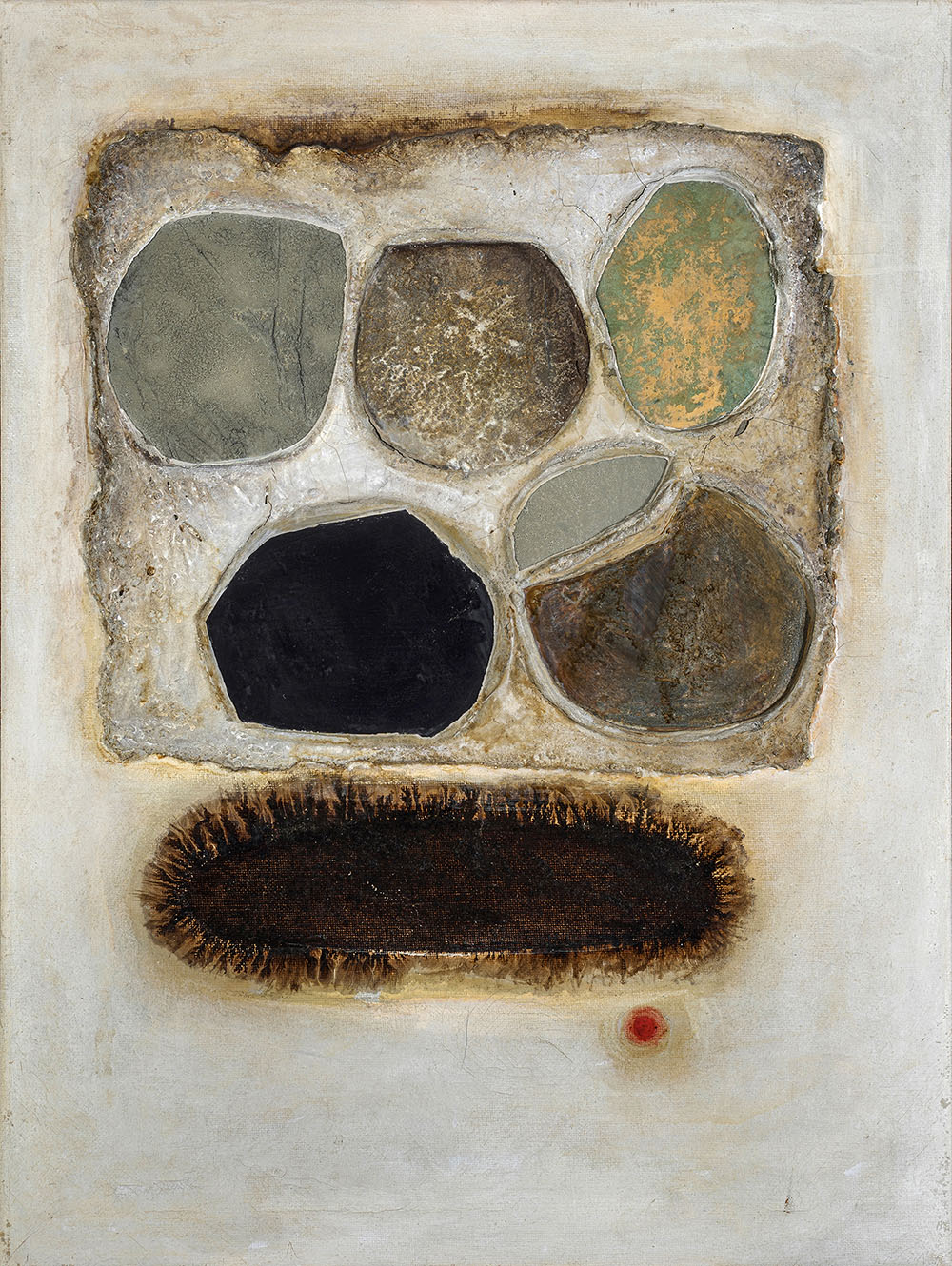
The materials themselves told the story: shattered glass panes pressed into thick beds of oil and pigment, pulverised colour pigments sprinkled and smeared, paint poured freely over bits of cloth and sand, all set in snarling lines and forms. The canvases featured jarring combinations of impasto, gravel, cement, and glass, yielding images that were chaotic yet somehow controlled, a complex, frivolous but controlled image. It was as if Cremona had taken the solid icons of Maltese art and blasted them apart, not to revel in ruin, but to reconstruct something new from the fragments.
What prompted this radical shift? Part of the answer lies in the times. The late 1960s were a period of intense change in Malta, politically, socially, and even spiritually. Just a few years earlier, in 1964, Malta had achieved Independence, shaking off its colonial status. A new republic was on the horizon. This era of ‘historical-political-technological’ transformation infused Maltese artists with a sense of individuality and urgency. Cremona, who had weathered war and witnessed his island’s transformation, absorbed these currents. He was at the peak of his career, juggling prestigious church projects and national design commissions, yet also feeling the pressure of rapid change around him. The Glass Collage series became both mirror and catharsis, reflecting the fractures of a changing nation and relieving the artist’s own creative restlessness. It was, as curators note, a way of depicting his newfound independence. Through these works, Cremona ‘explored the tension between destruction and creation, fragility and permanence, chaos and control’, essentially capturing Malta’s identity crisis and optimism in material form.
Crucially, Cremona’s emphasis was not on brokenness for its own sake. Glass, in his hands, became a metaphor for transformation. The Glass Collage exhibition today makes this point clearly: what might seem like broken shards are actually pieces reassembled with intention. The works are invitations to see beauty in rupture and to find order in chaos. In 1969, that message was revolutionary. Cremona was nodding to international art movements; one can see echoes of Arte Povera and abstract expressionism in his use of raw matter, yet he executed it with a distinctly Maltese soul – balanced ‘between freedom and caution’. He had breached the borders of local expectations and, briefly, aligned Malta with the vanguard of contemporary art.
Legacy and New Resonance
Though shocking in their day, Cremona’s glass collages have proven enduring. They mark the moment a traditionalist dared to deconstruct tradition, a moment that has become a cornerstone of Maltese modern art history. Cremona’s later years saw him return to more design and architectural projects (he even designed Malta’s pavilion for the 1970 Osaka Expo) and continue church art into the 1970s.
Yet, the influence of his experimental phase lingered. He demonstrated that a Maltese artist could dialogue with global trends and still root them in a local context, effectively shattering a glass ceiling for artistic innovation on the island.
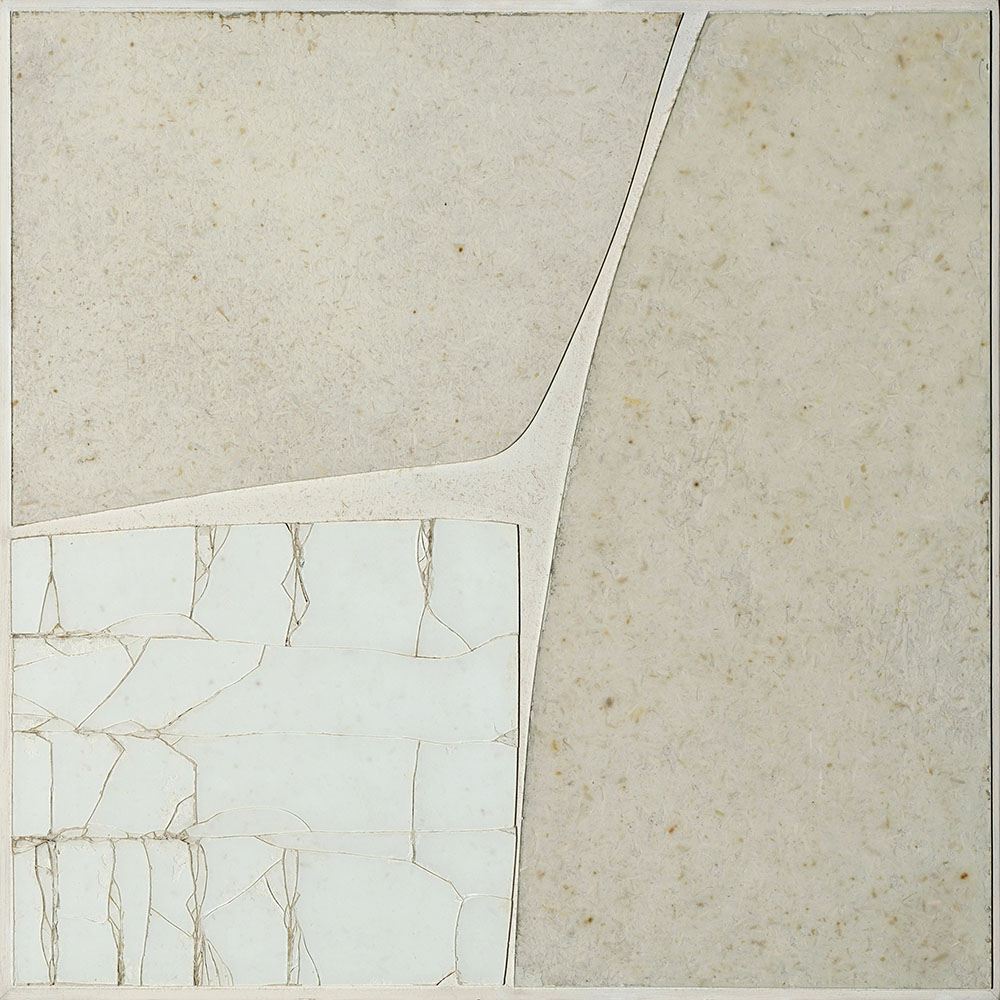
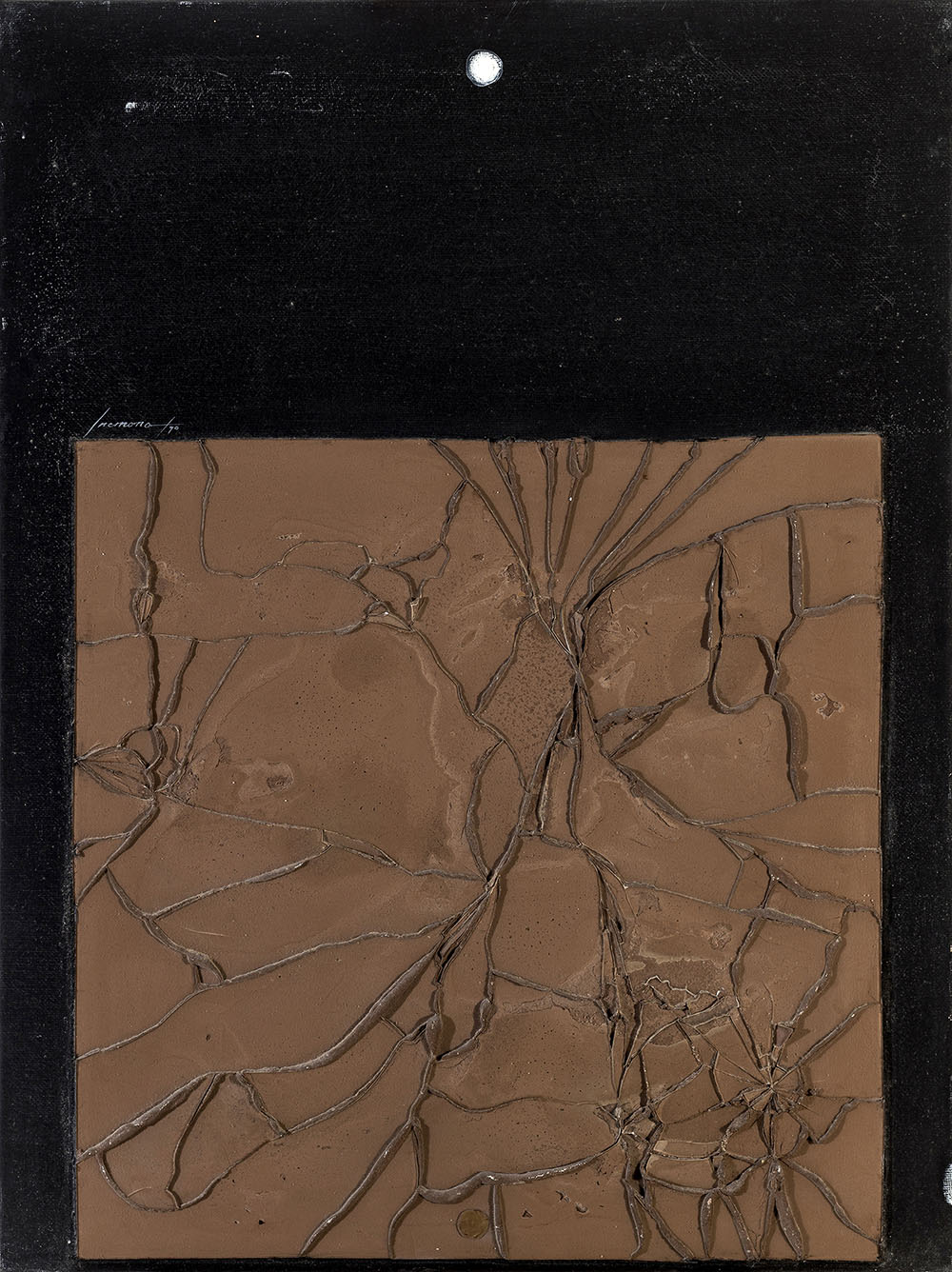
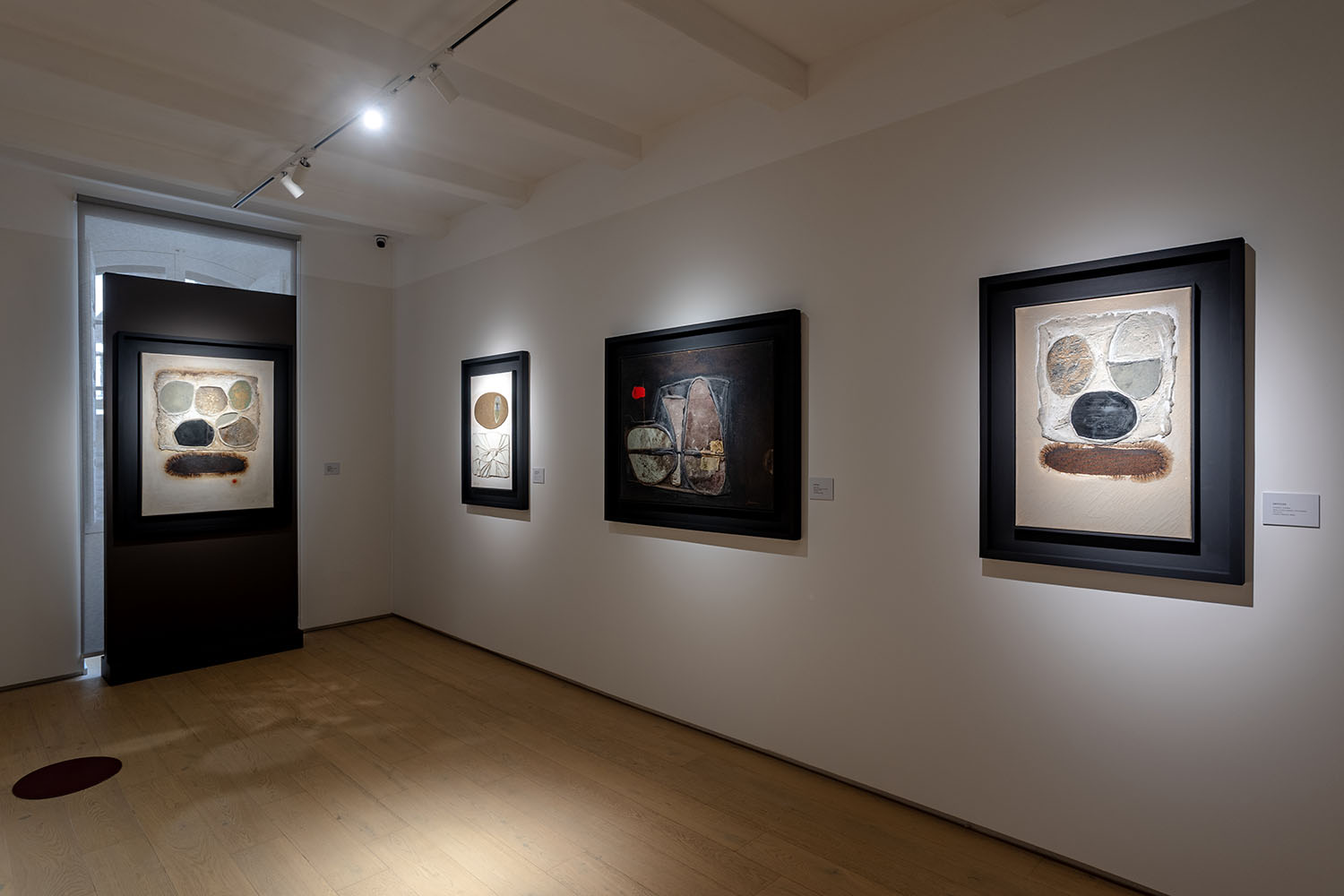
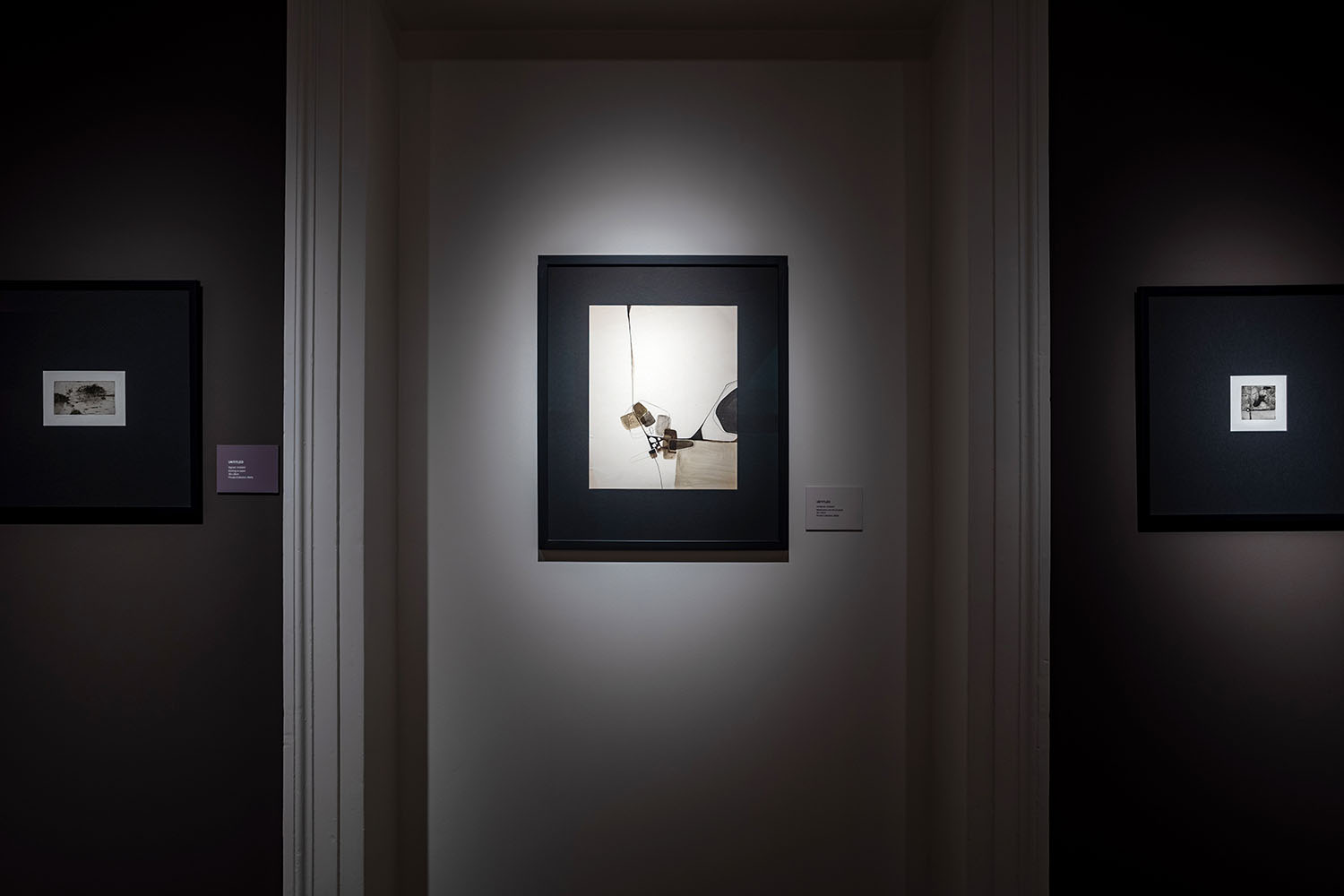
Middle: Untitled, Signed, 1970, Glass, mortar, oil, impasto on canvas, 102 x 76cm, Private Collection, Malta
Right: Untitled, Unsigned, Undated, Glass, mortar, oil, impasto, metallic gold on canvas, 102 x 75cm, Private Collection, Malta
(Photos by Lisa Attard)
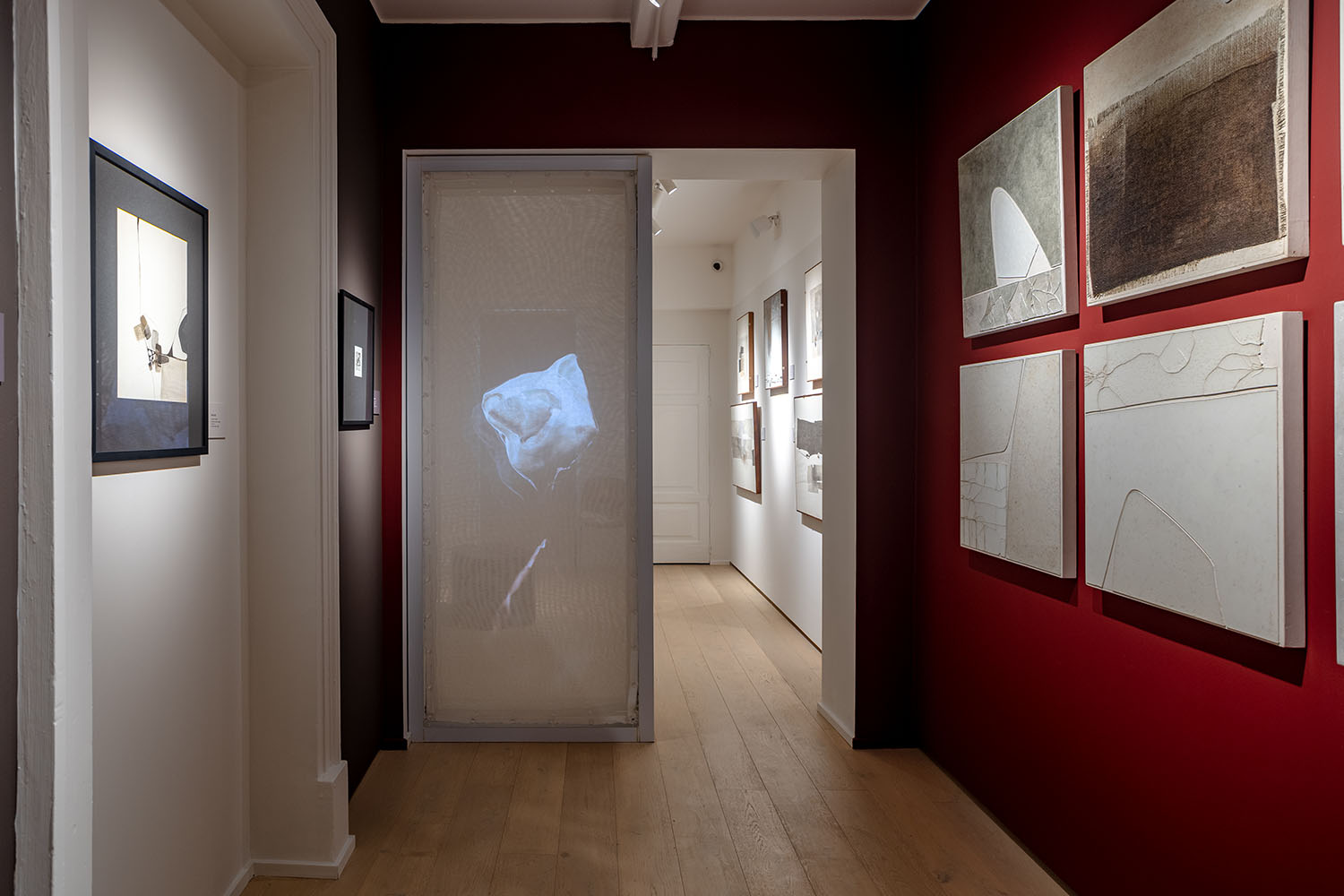
Today, Emvin Cremona: The Glass Collage at Valletta’s atmospheric Victor Pasmore Gallery not only resurrects those 1969 works, it reframes them for a new generation. The exhibition was presented as the first of a series celebrating Maltese modern art, asserting that figures like Cremona deserve a fresh look alongside international contemporaries. Walking through the gallery, one can contemplate, as visitors in 1969 did, the journey from rupture to resolution, chaos to cohesiveness.
The glass pieces still glint with energy, but what once symbolised fracture now also speaks to resilience and creativity. Intriguingly, the show also connects the past to the present by including contemporary responses to Cremona’s legacy.
One installation, Procedural Fragments by digital artist Rakel Vella, for example, builds upon Cremona’s use of unconventional textures, translating the physical collage process into a digital realm to highlight the artist’s experimental spirit. Likewise, Maltese sound artist Jamie Barbara contributes an immersive soundscape that echoes the tension and release found in Cremona’s visuals, adding a modern sensory dimension to the experience.
Through these works, the exhibition suggests that Cremona’s exploratory approach endures, inspiring new media artists to engage with Malta’s artistic heritage in innovative ways. It is a fitting homage to a man who was never content to paint by numbers.
Ultimately, Emvin Cremona’s story is one of bold transitions. He went from painting altar pieces to breaking glass pieces, from satisfying the conservators of tradition to provoking conversation about what art could be. His glass collages, created in a time of national awakening, encapsulated the cracks and possibilities of a society in flux.
And in re-presenting these works today – amid our own era of change and international disturbances – The Glass Collage exhibition offered more than a history lesson. It is a celebration of artistic courage and the enduring idea that creation is a form of reconstruction, turning fragments into oneness.
Emvin Cremona: The Glass Collage was held at the Victor Pasmore Gallery, APS House (St Paul Street, Valletta) until July 18, 2025. Walking among these reassembled fragments of freedom, one senses that the questions Cremona grappled with – how to break from the past and yet carry it forward – continue to resonate.
In each glint of glass and streak of pigment, there is the thrill of an artist relishing his liberty. And decades later, Malta relishes it with him, piecing together its modern identity from the shards he so daringly set free.


Comments are closed for this article!