
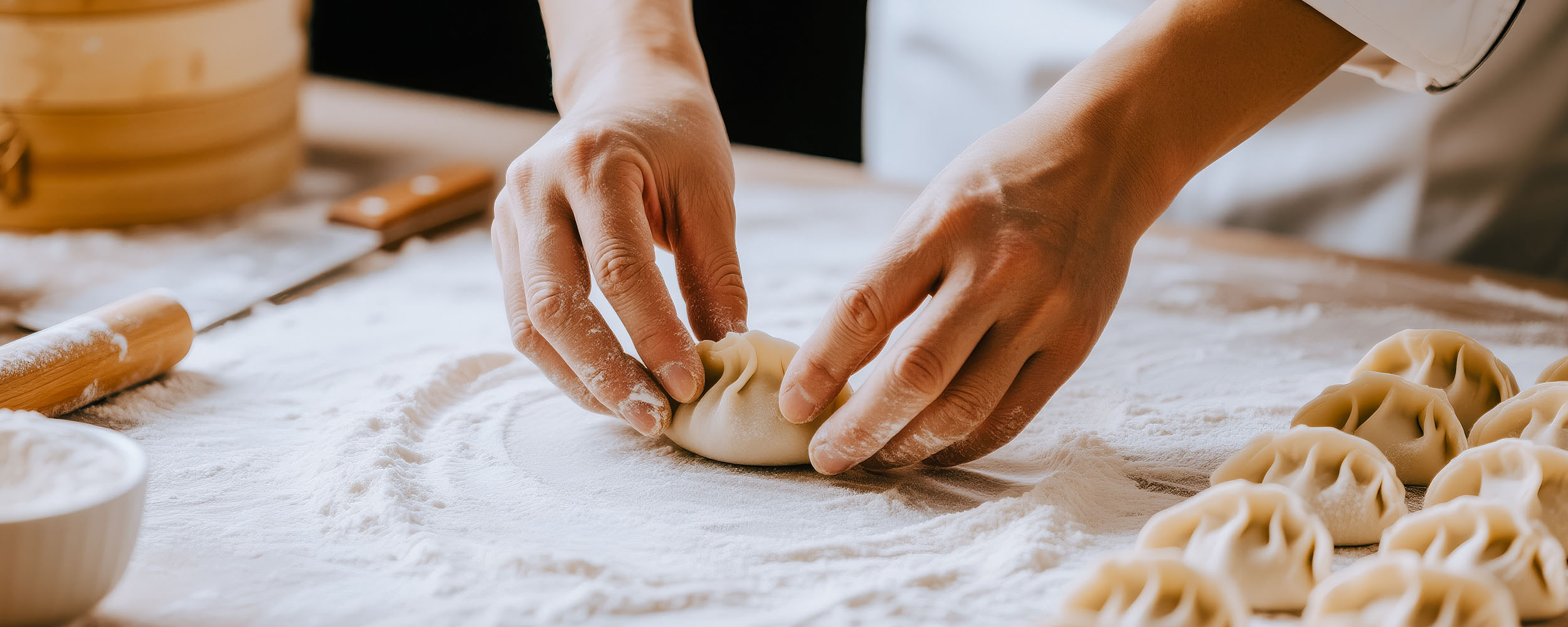
Who doesn’t love a tight, little meat package? Before the prudes boo me off stage, I’m talking about dumplings. These delectable morsels are found all over the world. In fact, it could be argued that every country or region has their own type of dumpling. Because, when you get down to eat, few things can match that universal, carnal appeal of a mouthful of warm, juicy meat (okay, that was the last one, I promise). While this is by no means an exhaustive list, we’ve selected six scrumptious dumplings to whet your appetite!
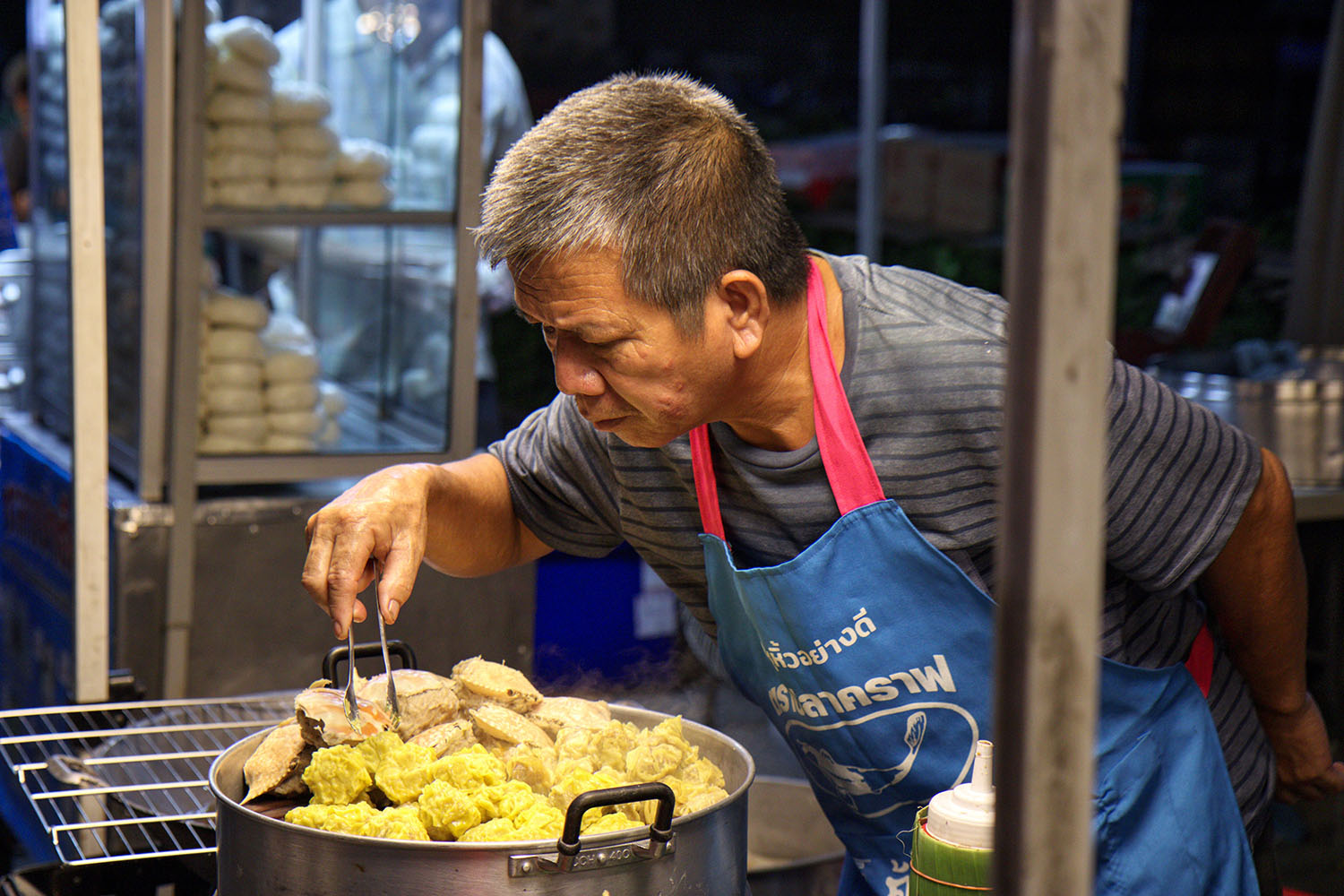
Asian street food vendors are specialists in their dishes, often serving hot food with remarkable speed and efficiency. Whether operating from a night market stall – like this Thai vendor selling Kanom Jeeb – or a restaurant window, they capture the essence of authentic Asian cuisine.
Maultaschen
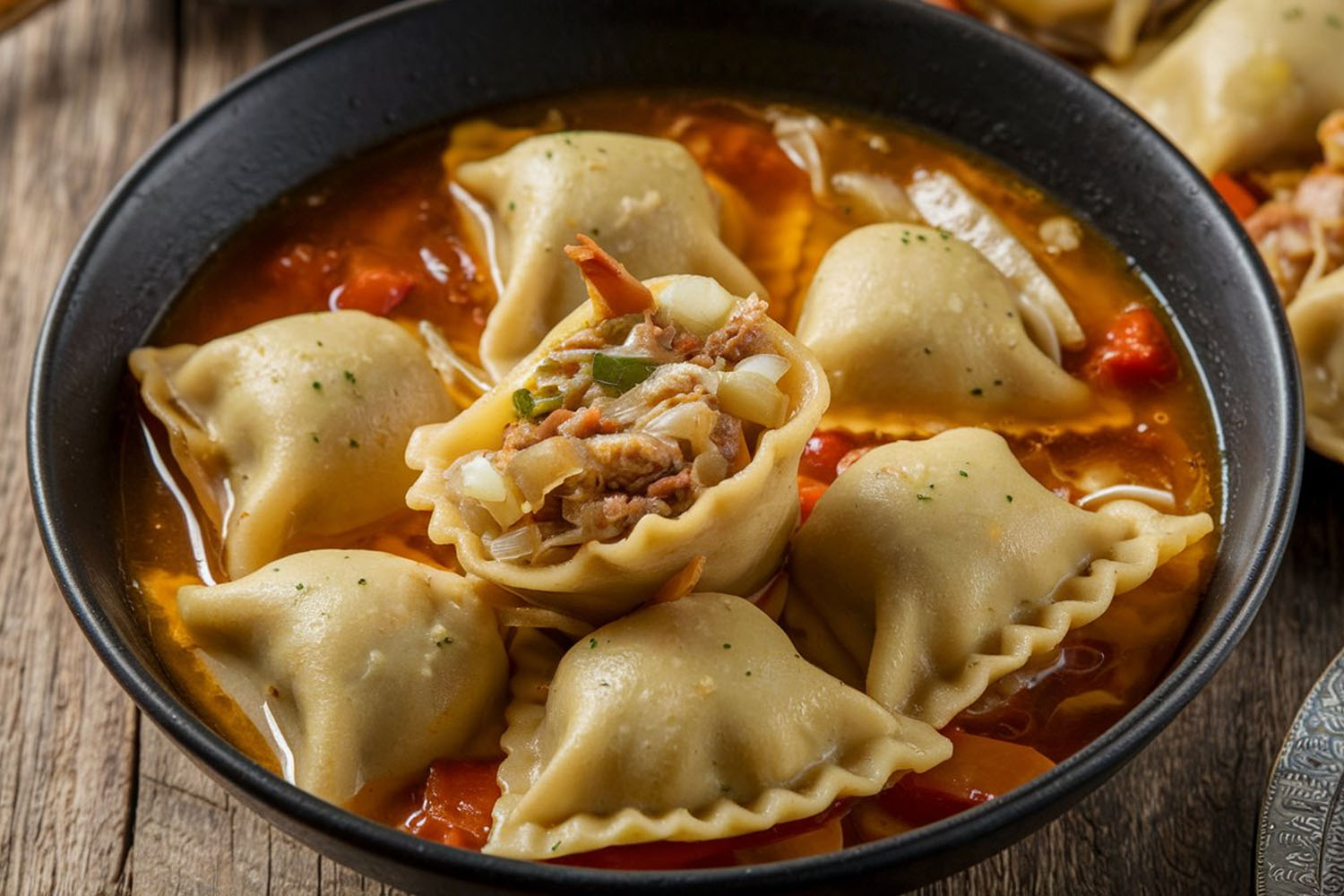
Maultaschen comes from the towering, forested plateaus of ancient Swabia (southwestern Germany). The winters can be harsh, so it’s not surprising that a delicious, starchy parcel floating in hot soup is a welcome meal. And, given that it’s Germany, it’s not surprising that the parcel is stuffed with a totally disproportionate amount of pork. Swabia is a historically Catholic region that follows the tradition of abstaining from meat during Lent. But no power in Heaven or Earth can get between a Teutonic trencherman and processed pig – maultaschen are known as ‘God-cheaters’, because their pasta-dough wrapping hides the pork from His watchful gaze. To be fair, this is probably a fairly recent joke, made in fairly secular times. Ye olde Swabians weren’t taking things much more seriously, though; its name may derive from the word for ‘feedbag’, or the word for a slapped face – these swollen parcels look like a recently spanked cheek.
Xiaolongbao
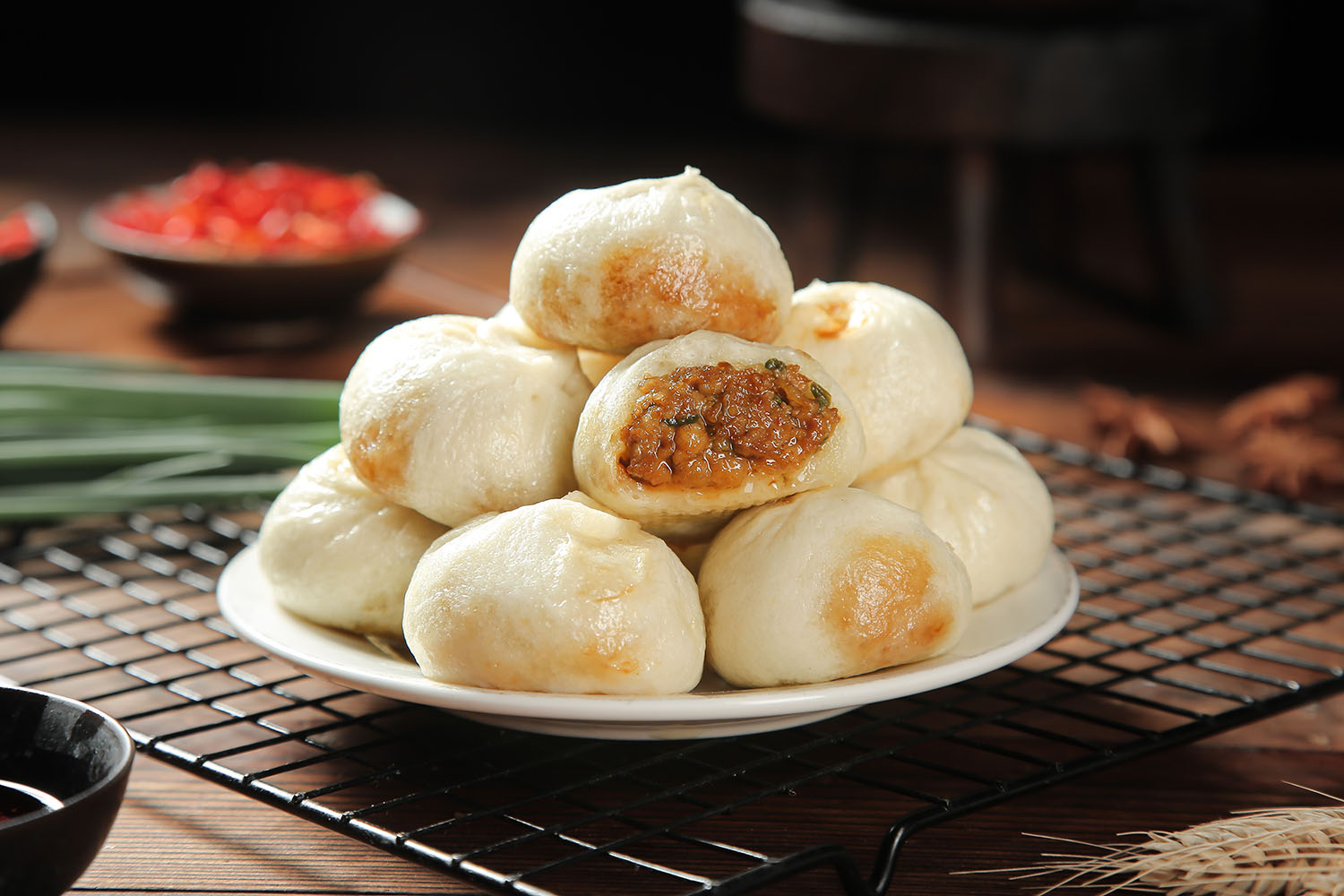
In the West, dumplings go in soup. In China, soup goes in dumplings… which then sometimes go in soup… which, if the universe is just, will one day fill an even larger dumpling. Of course, xiaolongbao is just one of many kinds of Chinese dumplings, which originate from dozens of regional cuisines. You have likely tried other bao, wontons or (misnamed) dim sum, regardless of where you live, and the gyoza mentioned in this article has Chinese roots too. But xiaolongbao is particularly distinct. This pork dumpling, filled with a steam-melted, gelatinous soup, can be served with black vinegar and an aromatic garnish, or chilli oil. If executed perfectly, this amalgamation of complex flavours and textures is one of the best single bites of food you can have. If rushed, it can be like biting into a napalm bomb, with plenty of room for collateral damage should you spray a fellow diner.
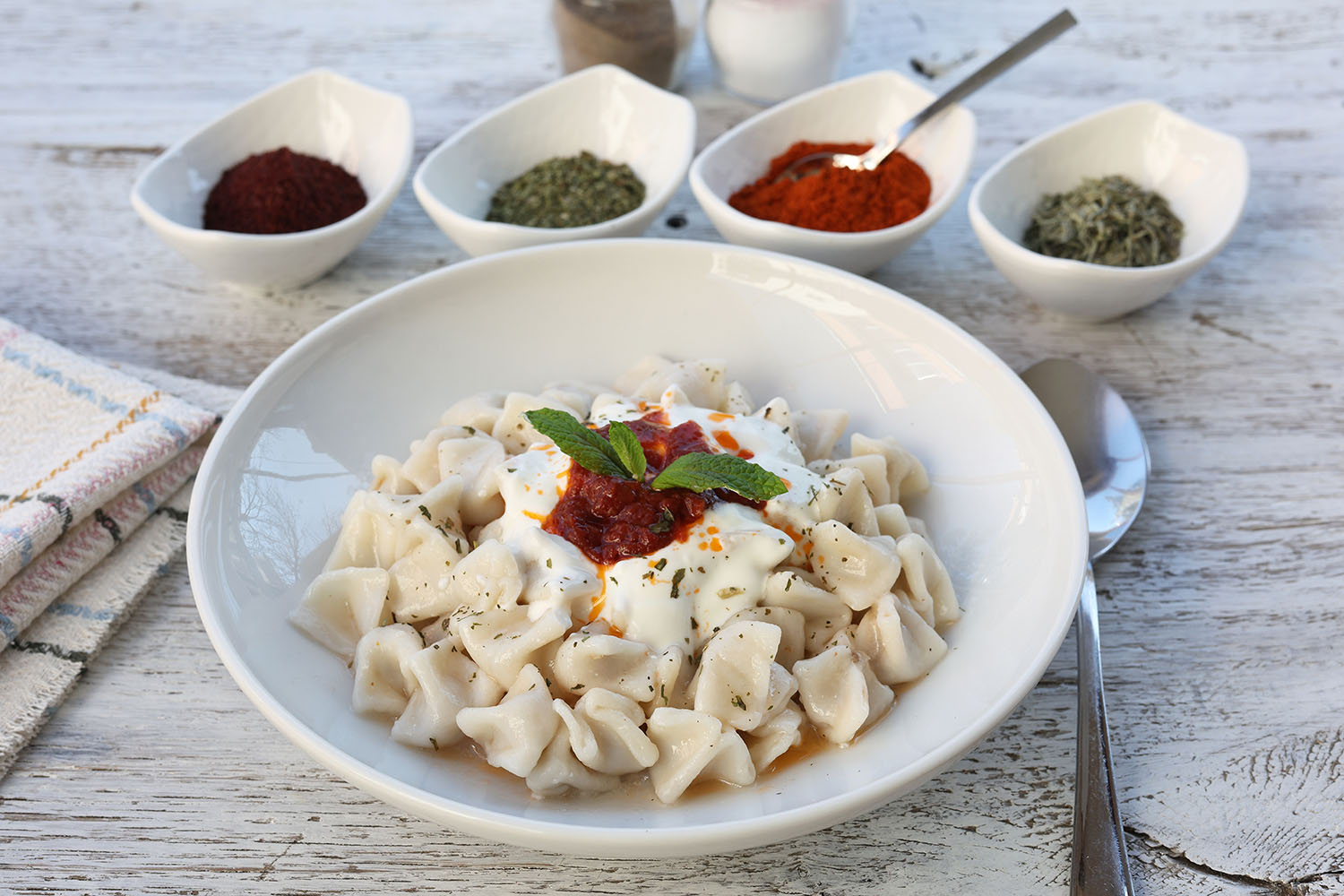
Mantı
Where should you go if you want meat wrapped in dough? Turkey. There should be no question that Turkish cuisine has preeminence in carnivorous parcelling, and there should be no surprise that this extends to dumplings. Mantı are derived from Chinese dumplings and have, in turn, spread throughout and beyond Central Asia – a culinary microcosm of the Silk Road. But this writer’s palette is particularly drawn to the Turkish version – tiny parcels of aromatically spiced filling, served with a garlic yoghurt sauce and, ideally, a chilli oil. You can even substitute the meat with chickpeas, as they are one of the few vegan ingredients with tons of bioavailable protein. These diminutive dumplings do have a downside – they are a giant pain in the ass to make. Not a problem for their Ottoman progenitors, as they enslaved their cooks.
Pierogi
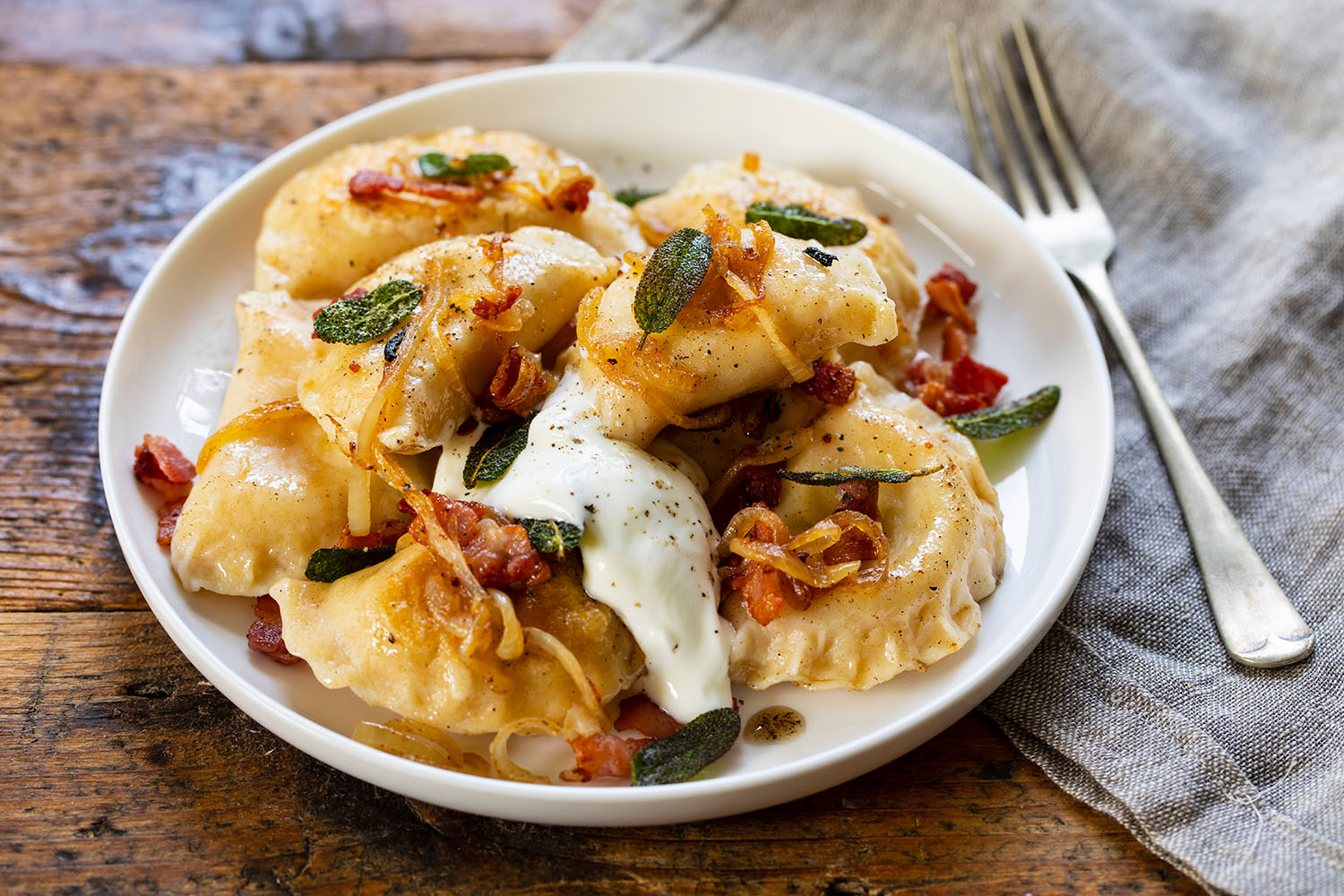
The great-grand daddy of European dumplings, spawning all manner of doughy descendants: from the German maultaschen, Jewish kreplach, Ukrainian varenyky, and Italian ravioli (yes, ravioli are dumplings, fatti sotto!). This Polish pastry is filled with all manner of stuffing, from the classic cheese and potatoes, cabbage and mushrooms, or meat, and then boiled. The dish most likely originated in China and made its way to Europe via trade routes. Pierogi are an integral part of Polish cuisine, even boasting their own patron saint, Saint Hyacinth, or Święty Jacek. How many foods can claim that? Legend has it that Saint Hyacinth fed the starving people of Kraków dumplings during the Mongol invasion of 1241. And, like any good patron saint worth his salt, Saint Hyacinth even has his own invocation: Święty Jacek z pierogami! (Saint Hyacinth’s pierogi!) – this being the official exclamation after laying eyes on a plump pair of Polish Pierogi.
Gyoza
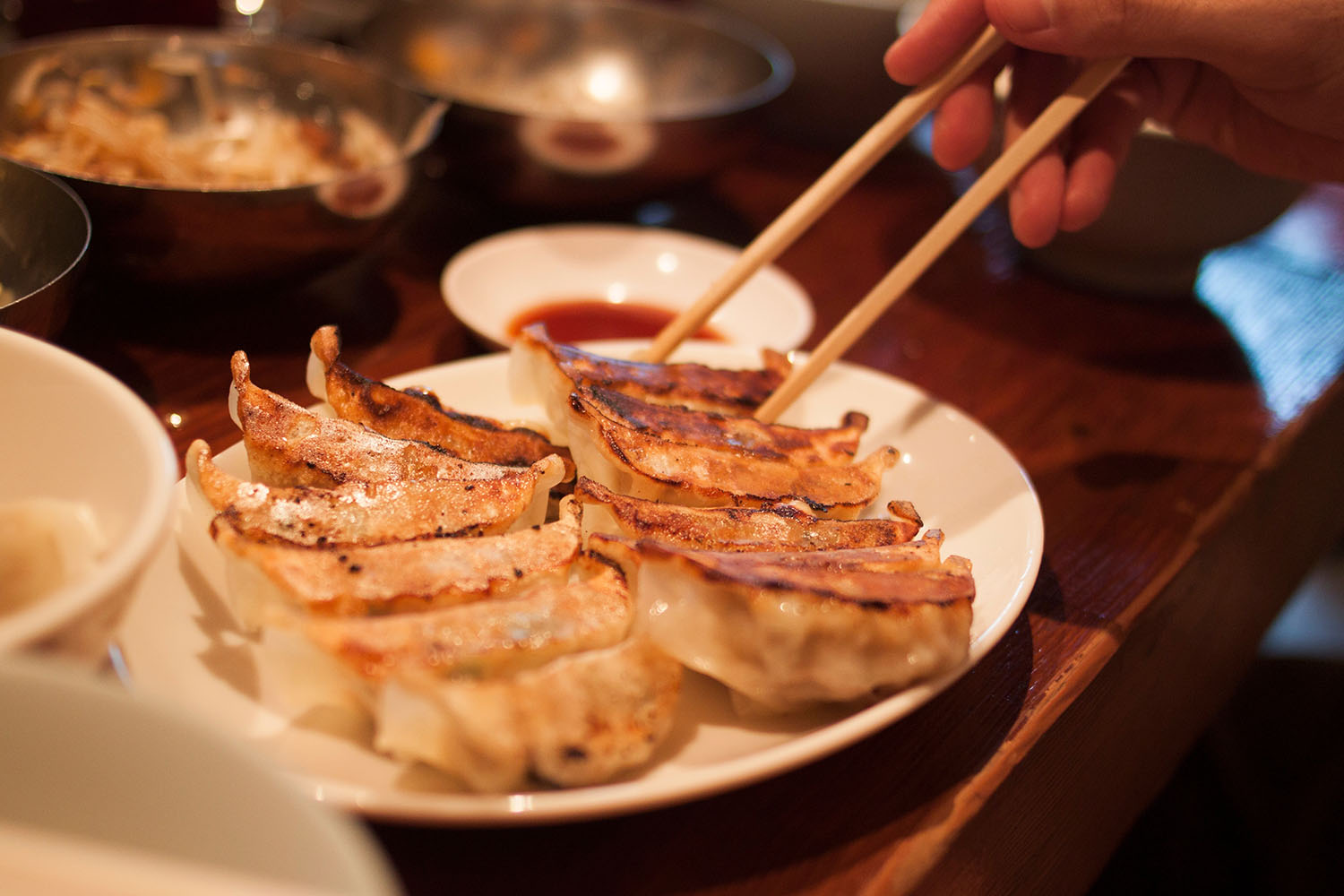
When it comes to Japan and food, many will typically think of sushi. But few foods are as ubiquitous in Japan as gyoza. This pan-fried culinary origami is the Japanese version of Chinese Jiaozi and is a staple side dish throughout Japanese food; whether it’s an accompaniment to ramen, part of a rice/soup/pickles meal set, a scrumptious morsel in your bento lunch box, or paired with chicken skewers and a pint at the Izakaya. These potstickers are typically filled with ground pork, chives, green onion, cabbage, ginger, garlic, soy sauce, and sesame oil. For a more indulgent bite, you might find Hanetsuki Gyoza (winged Gyoza), which are topped with cheese or cornstarch while frying, making the dumplings stick to each other to create ‘wings,’ and more gyoza to bite into! However, the real gyoza lovers flock to either Utsunomiya or Hamamatsu, which annually battle it out for top gyoza consumption. Hamamatsu is the current reigning champion with over 300 gyoza restaurants for a population of 800,000. Utsunomiya follows with 200 gyoza restaurants for a population of 500,000.
Kanom Jeeb
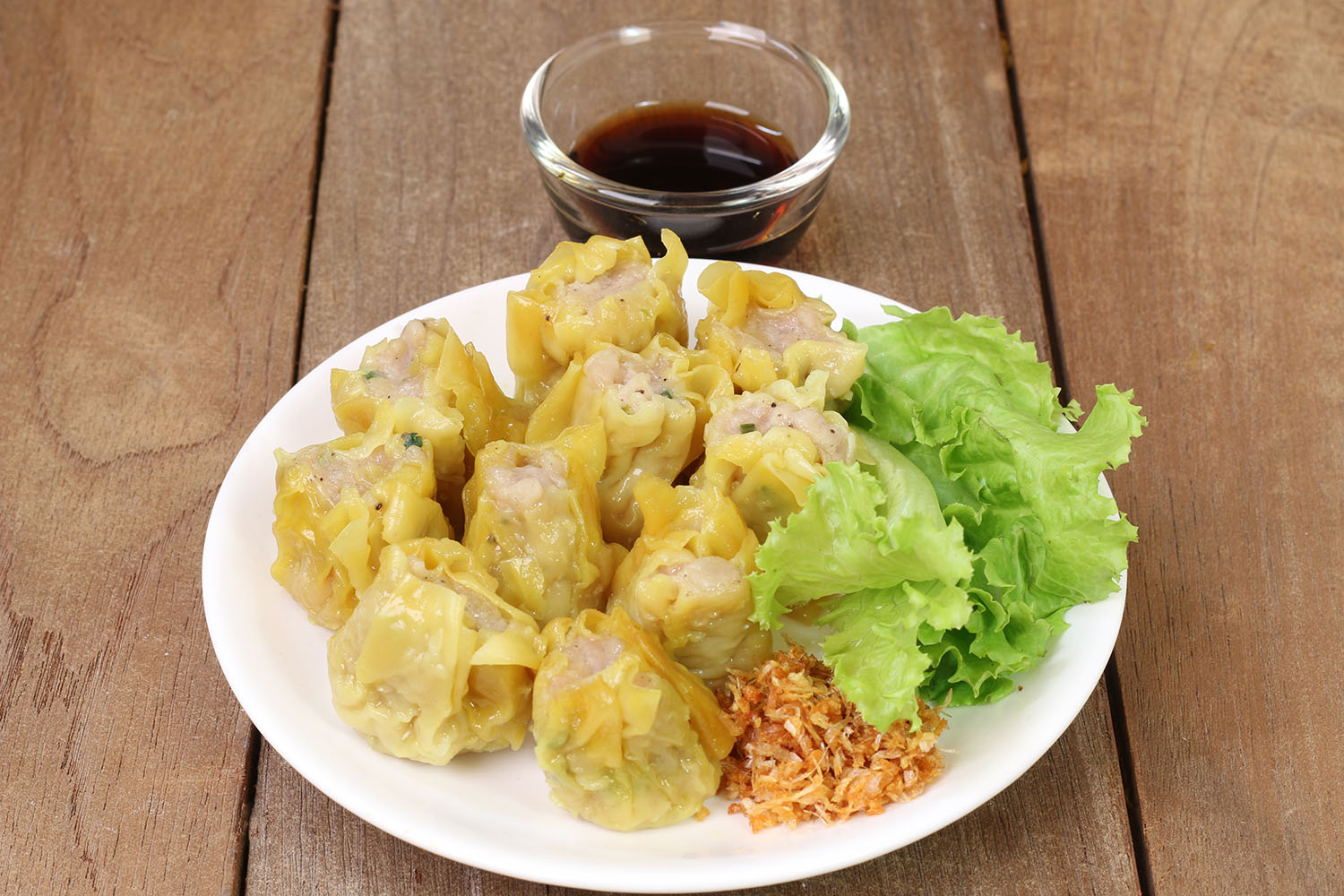
You probably won’t find spiritual enlightenment in Thailand, but you will find Kanom Jeeb, and that’s close enough. This tasty Thai snack is a take on the Chinese steamed dumpling (noticing a pattern here?), called siu mai. But while the Chinese dumplings are typically filled with shrimp and pork, kanom jeeb adds the hallmarks of Thai cuisine: fried garlic and coriander. As for sauce, the most common options are either black vinegar mixed with Thai soy sauce or sweet chilli sauce. For an authentic experience, find a stall pulled by an old moped, where the vendor plucks the kanom jeeb from a portable steamer with a toothpick and drops them straight into a plastic bag with a side of salapao (steamed buns), faster than you can blink. And that is something no guru can beat!
Any self-respecting foodie will agree that dumplings originated in China. But the beauty of dumplings is just how far they have spread. While each region puts their own twists on dumplings, there is one thing all dumplings have in common: they bring people together. Across cultures, parents and their children gather around the kitchen counter, chatting about life as they stuff dumplings in mindful meditation. While undeniably delicious, dumplings unite us. Despite the cultural twists – whether it’s gyoza, pierogi, or xiaolongbao – they show us how, fundamentally, we all love a tight little package.
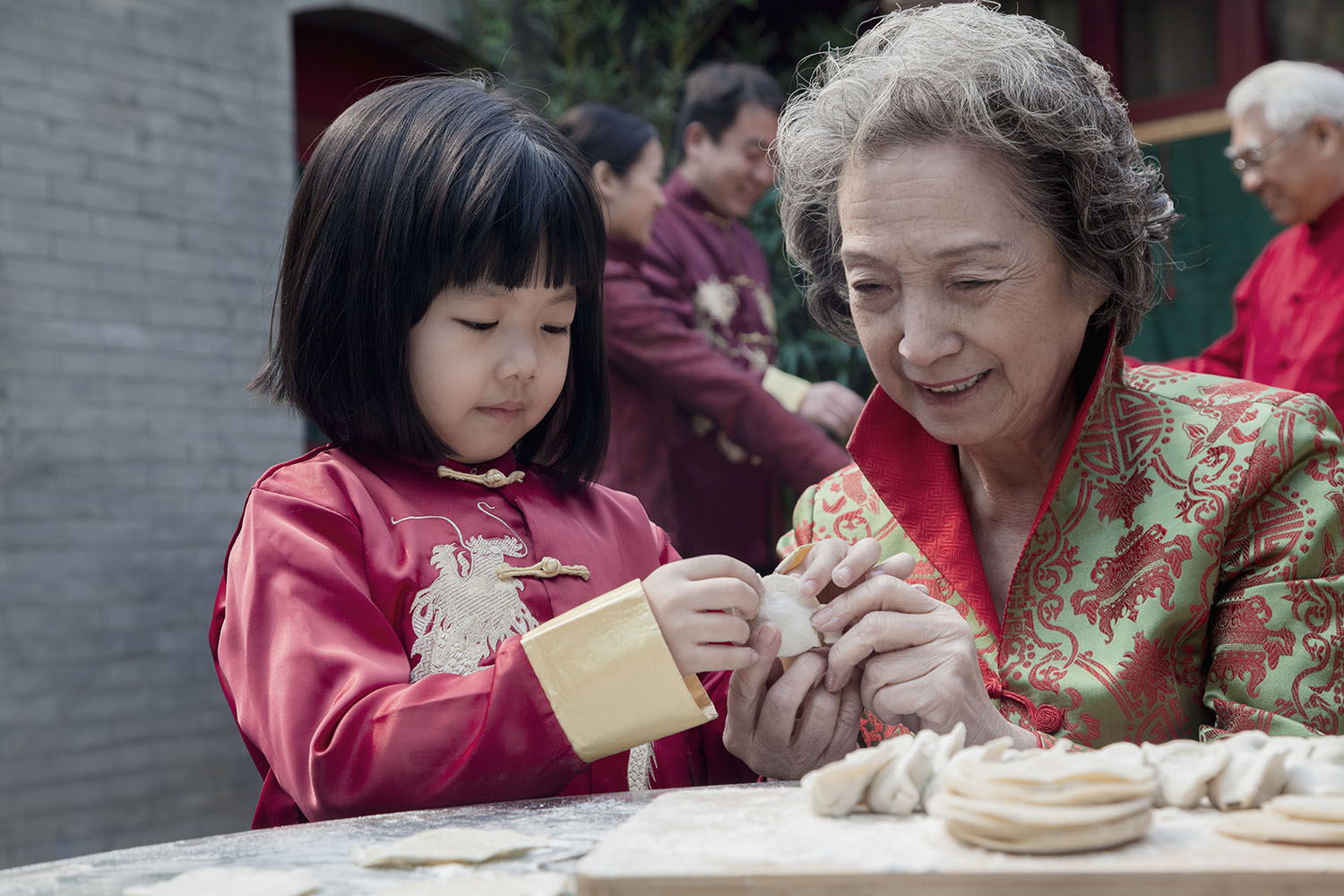
If food is the world’s universal language, the dumpling is one of its most common expressions. The labour-intensive nature of handmade dumplings naturally transforms a kitchen into an assembly line of family members, each with their own task. From the initial folding to the final bite, the entire process is designed to bring a home together.




Comments are closed for this article!