
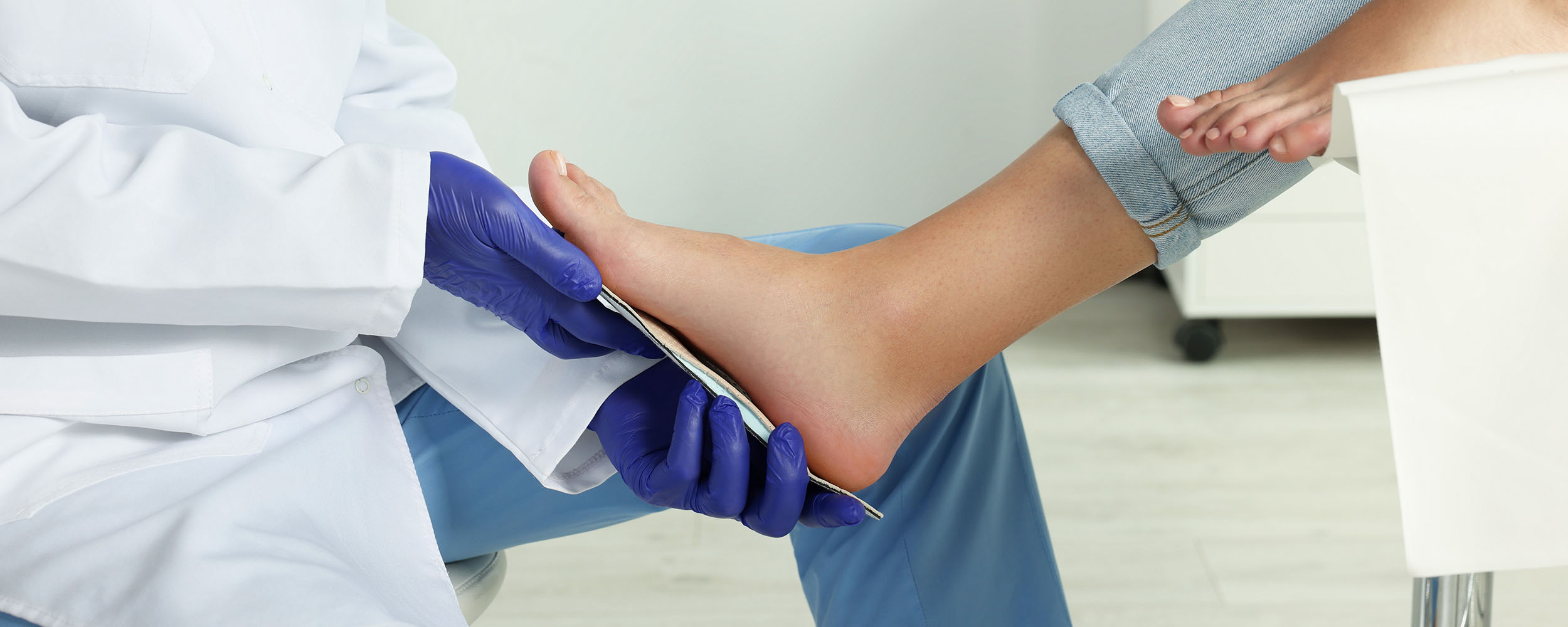
What if healthcare could learn more about our health between appointments? Wearable technology is opening up new possibilities for continuous monitoring, and researchers at UM’s Centre for Biomedical Cybernetics and Department of Podiatry, in collaboration with Tarsos, are making significant contributions in this area. THINK went to learn more about a research project investigating how smart insoles could improve foot health monitoring for people with diabetes.
Think back to your last medical appointment. While it undoubtedly offers a valuable opportunity to assess your health, it only provides a snapshot of your condition at a particular moment. Changes that occur between appointments are often harder to observe. Subtle changes may develop gradually, daily routines may affect physiological measurements, and the early signs of a problem may remain unnoticed until the next assessment.
Wearable technology is beginning to offer a different approach. By collecting information over longer periods and during everyday activities, wearable devices can help researchers and healthcare professionals explore how health changes over time. Rather than relying on intermittent assessments, this method enables the identification of patterns that would otherwise go unnoticed.
However, more data does not automatically mean better healthcare. The challenge lies in understanding which changes matter, which reflect normal variation and which might require further clinical investigation. This is the focus of the Remote Monitoring and Early Detection of Diabetic Foot Complications (REMEDI) project, which is investigating how smart insoles and wearable sensor data could contribute to the remote monitoring of foot health in people living with diabetes. REMEDI brings together expertise in podiatry, biomedical engineering, biomedical cybernetics and data analysis.
A Complement to Medical Assessments
Healthcare assessments are essential for diagnosing conditions, evaluating symptoms, and guiding treatment. However, many physiological changes do not occur at the same time as clinical appointments. A measurement taken during a consultation may not capture variations occurring throughout the day or show how a person’s condition has changed since their last visit.
Wearable devices offer a way to investigate these changes. Depending on the technology used, sensors can record information such as movement, heart rate, body temperature, and pressure distribution over extended periods. These measurements provide a broader picture of physiological patterns and how they respond to everyday circumstances.
However, this does not mean that wearable devices can replace clinical examinations. Instead, they can complement them by providing additional information between appointments. In preventive healthcare, this information could help clinicians recognise relevant changes earlier and decide when a closer assessment is needed.
This is particularly important for conditions in which complications can develop without obvious symptoms. One example is diabetes-related foot problems, where changes in sensation or blood supply can make it difficult to recognise developing issues through symptoms alone.
The Importance of Foot Health in Diabetes
People living with diabetes face an increased risk of foot complications, including ulcers and, in severe cases, amputation. Changes in circulation, nerve function and tissue health can all contribute to this. When protective sensation is reduced, injuries or other changes may go unnoticed, which is why regular foot assessment and appropriate preventive care are particularly important.
Researchers are investigating temperature as a potential indicator of foot health. Differences in temperature across regions of the foot, or between the two feet, may reflect underlying physiological processes. These include inflammation and changes in blood flow.
However, temperature alone cannot establish whether tissue damage is present or determine its cause. Measurements must be interpreted alongside other information about the individual, including clinical findings and the circumstances in which the data were collected.
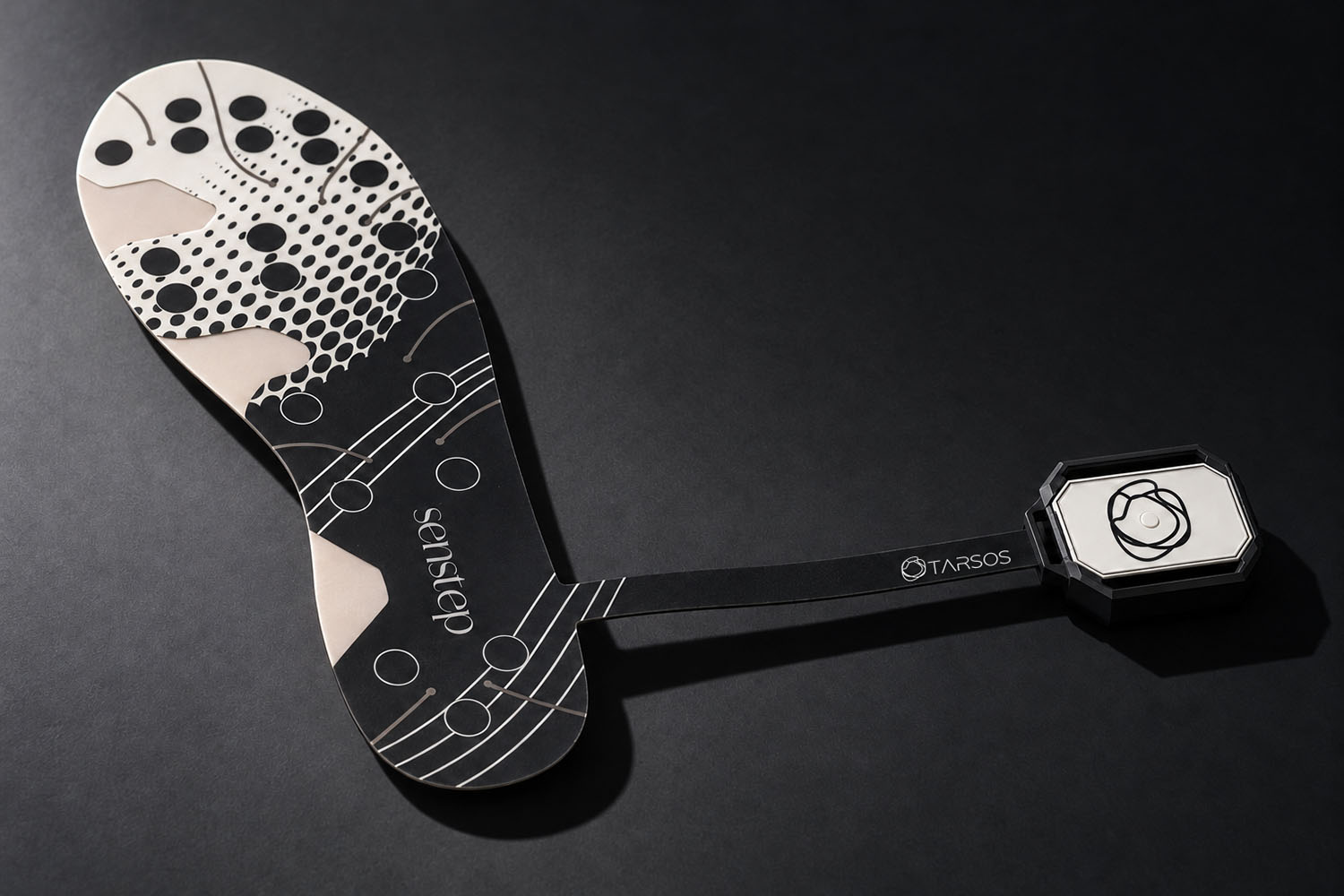
Robert Farrugia (Centre for Biomedical Cybernetics), the project’s Research Support Officer, explains that ‘the main advantage of the smart-insole approach is that it allows us to collect temperature measurements from multiple areas of the foot over a period of time, rather than relying on a single measurement taken at one point during an assessment.’
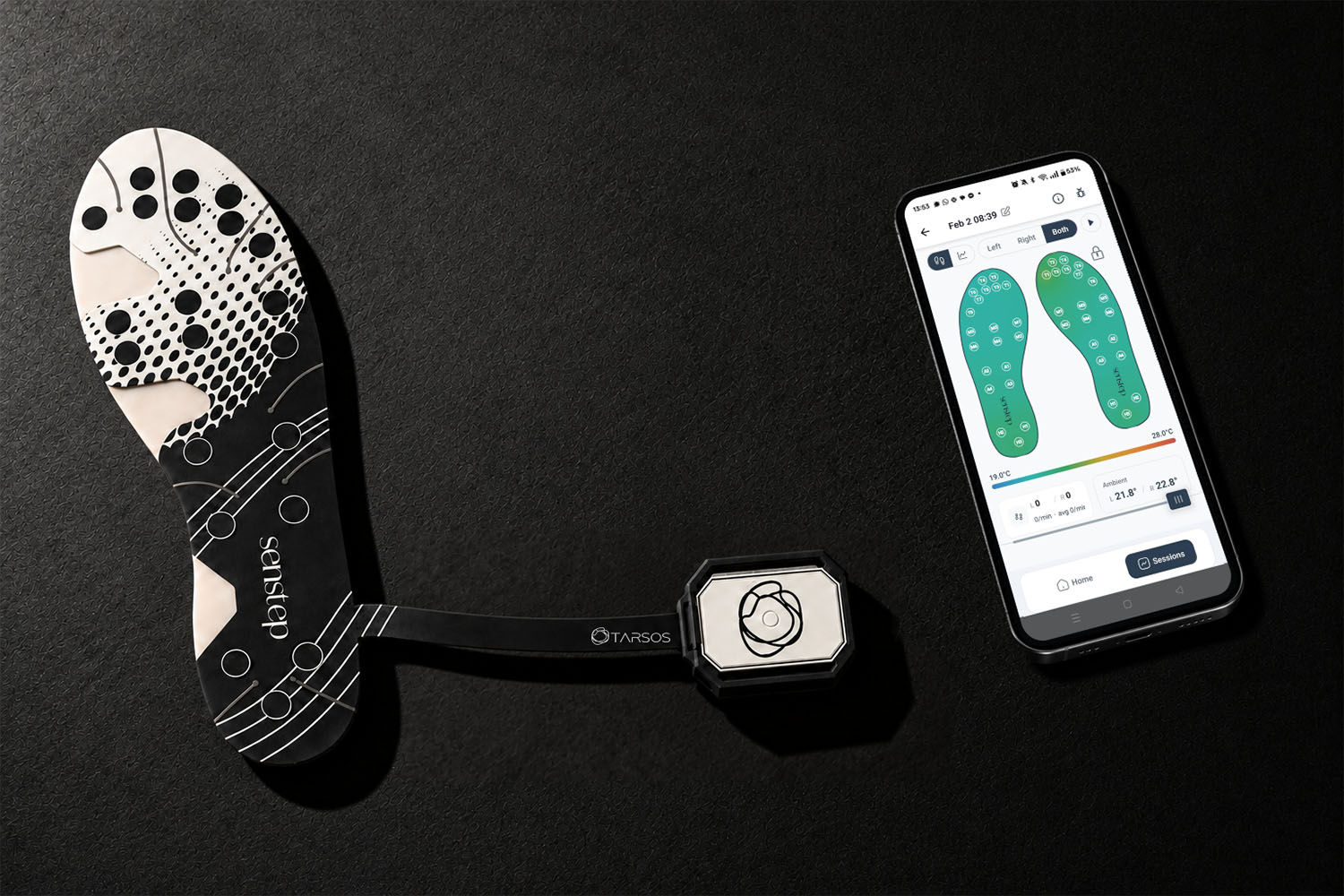
Readings from the insole are synchronised with the Tarsos app for easy data navigation (Photo by Tarsos)
Inside REMEDI: Making Sense of the Data
REMEDI brings together the expertise of the Centre for Biomedical Cybernetics and the Department of Podiatry at the University of Malta. The project is being carried out in collaboration with Tarsos, a company that develops technological solutions to help people with diabetes. Xjenza Malta funds this initiative through the FUSION Technology Development Programme.
REMEDI’s research focuses on investigating plantar temperature patterns in people with diabetes and how these patterns may relate to the early signs of diabetic foot complications, including ulceration and circulatory deterioration. One clinical factor being investigated is peripheral arterial disease (PAD). PAD is a common circulatory condition in which narrowed arteries reduce blood flow to the limbs, most frequently affecting the legs and feet. As reduced blood supply can affect foot temperature, the researchers are investigating whether thermal patterns captured by smart insoles could provide useful information about vascular status alongside other aspects of diabetic foot health.
This project involves much more than developing a wearable device. ‘One of the interesting aspects of REMEDI is not only the insole itself, but how we can take measurements from several sensors and relate the patterns we observe to clinical information about the participant,’ says Farrugia.
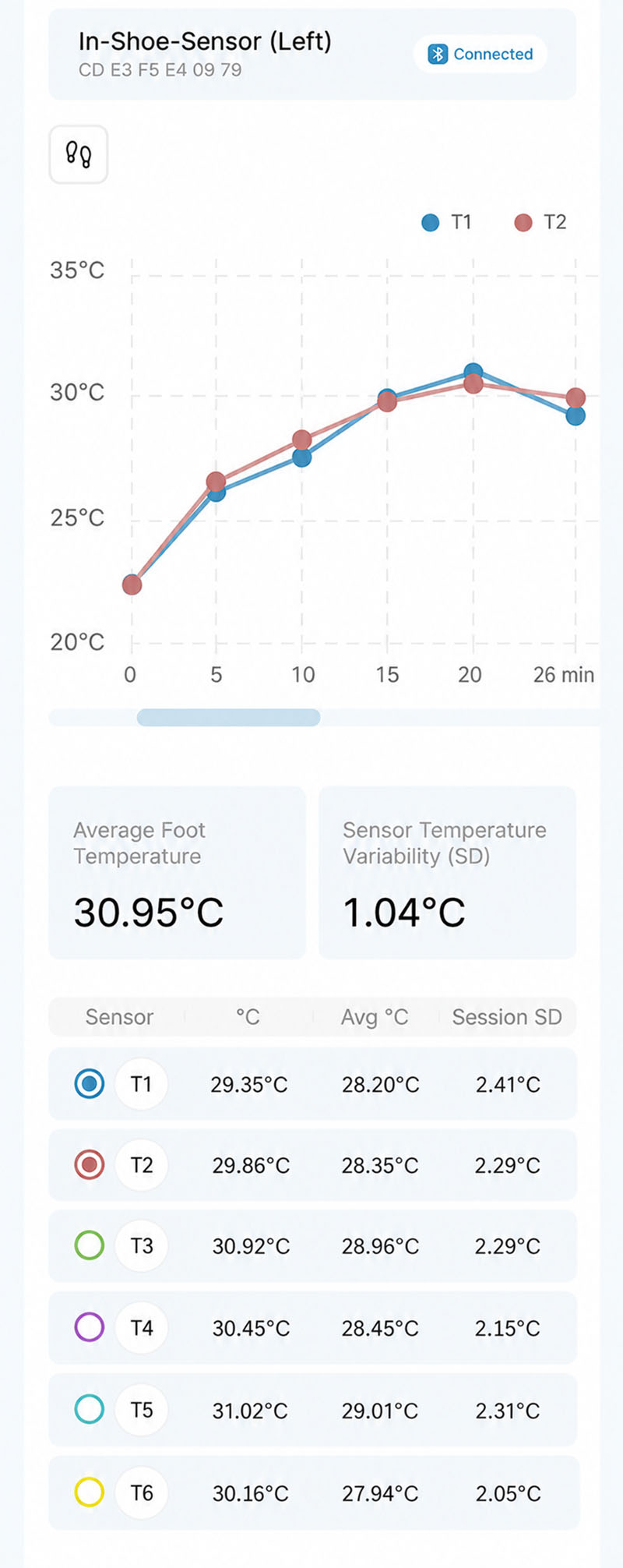
The system measures plantar temperature across different regions of the foot and also records movement information. An ambient temperature sensor provides additional context about the surrounding environment, helping researchers to interpret the readings more accurately. This context is essential. Foot temperature can naturally change because of physical activity, environmental conditions, and individual physiological differences. A rise in temperature does not necessarily indicate inflammation or another health problem.
To investigate these variations, the team uses data analysis and AI techniques, such as clustering and model fitting, to examine temperature changes over time, differences between foot regions, as well as asymmetries between the two feet. The researchers then explore how these patterns relate to clinical characteristics relevant to diabetic foot health, including vascular status and other potential risk factors. The aim is to identify clinically meaningful information, rather than treating every fluctuation as a warning sign.
When More Data Becomes a Challenge
Continuous monitoring raises an important practical question: how can large amounts of sensor data be transformed into useful information for healthcare professionals?
Recordings collected from multiple sensors across both feet can quickly become substantial. They may also contain missing readings, connectivity problems, or measurements affected by issues with individual sensors. Before the data can be interpreted, its quality and reliability must be assessed.
Even when recordings are technically sound, it would be impractical to interpret every individual measurement. Researchers therefore need methods to identify patterns and summarise the information in a way that supports clinical assessment.
As Farrugia emphasises, ‘Collecting more data does not automatically make healthcare better. The difficult part is understanding which changes are normal and which changes actually carry useful clinical information.’ This distinction is central as the objective is not to generate more measurements for their own sake, but rather to extract reliable insights that can inform better decisions.
Within REMEDI, researchers are investigating whether features such as regional temperature patterns and differences between feet can be used to distinguish participants by their clinical characteristics. This work helps determine what information the system can reliably provide, and how it might eventually support healthcare professionals.
Bringing Wearable Technology into Everyday Life
For wearable monitoring devices to be useful outside a research setting, they must be practical for their intended users. Even the most technically sophisticated device will have limited value if it is difficult to operate, uncomfortable or disruptive to everyday routines.
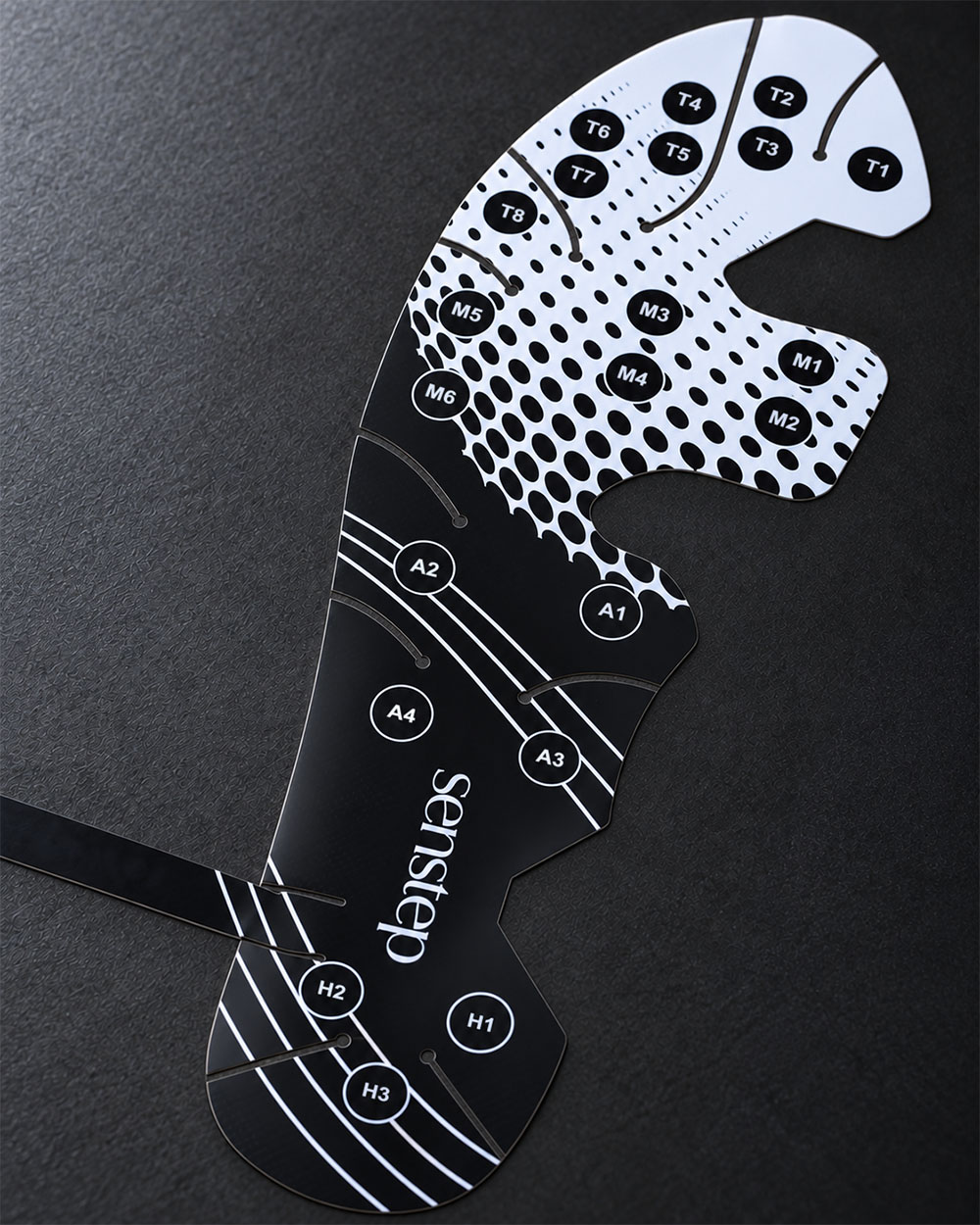
‘REMEDI’s smart insoles are worn inside normal footwear, and the data is recorded through a mobile app,’ explains Farrugia. ‘The basic functions of the mobile application are quite straightforward to use. You only need to connect the insoles via Bluetooth and press “record” and “stop” to save the session.’ The researchers can then analyse the saved recordings.
The team also gathers feedback during testing and data collection to improve the application’s usability. ‘Things such as clear recording controls, connection status, readability and improving the user interface are particularly important when developing technology intended for use by a broad patient population,’ says Farrugia.
For remote monitoring to become part of routine healthcare, usability must be considered alongside measurement accuracy, data reliability, and clinical relevance. It will also be important to establish how information is shared, interpreted, and incorporated into clinical decisions.
From Research to Prevention
The long-term potential of smart insoles lies in their ability to provide information outside of clinical appointments. If future research confirms that specific temperature patterns reliably indicate clinically significant changes, wearable monitoring could potentially assist in identifying individuals who could benefit from further evaluation.
For people with diabetes, for example, earlier recognition of relevant risk factors could support timely clinical intervention. This, in turn, could support earlier intervention, help reduce the risk of complications, and lessen the physical and emotional burden on patients, as well as the demands associated with wound care, hospitalisation, and more complex treatment.
The possible implications extend beyond individual patients. A local publication by Formosa (2022) reported that around 500 partial or full foot amputations are carried out annually in Malta. The same publication cites estimates of approximately 450,000 amputations across the EU, costing around €2.5 billion each year. These figures highlight the potential wider health and economic value of earlier detection and preventive monitoring.
Present and Future Perspectives
REMEDI also raises questions that extend beyond diabetic foot health. ‘The same general approach could potentially be applied to other areas such as inflammatory conditions, rehabilitation, gait and mobility monitoring, or other applications where physiological changes need to be identified and interpreted using wearable sensor data,’ explains Farrugia.
For now, however, REMEDI’s focus remains on evaluating the smart-insole system and determining how plantar temperature patterns may support the remote monitoring and early detection of diabetic foot complications, including changes associated with ulceration and impaired circulation.
The project demonstrates the potential and complexity of data-driven preventive healthcare. Although wearable technology can provide a more continuous view of physiological changes, meaningful progress depends on distinguishing typical day-to-day variations from patterns that require attention.
By combining clinical expertise, engineering, and data analysis, REMEDI is bringing us closer not just to monitoring more, but to earlier intervention and more effective prevention, one step at a time.
Further Reading
Formosa, C. (2022). The diabetic foot: Saving limbs, saving lives. Malta Journal of Health Sciences, 9(2), 4–6. https://www.um.edu.mt/library/oar/handle/123456789/105235




Comments are closed for this article!