

Academic libraries are often framed as quiet repositories of knowledge, but their influence runs deeper. As student mental health concerns intensify, these spaces are emerging as critical environments for connection, comfort, and care. Beyond books and databases, the design, atmosphere, and activities of a library can shape how students feel, cope, and belong within the wider university experience.

With the growing prevalence of mental health challenges in academia, academic libraries must now find the most effective ways to positively impact their service users by offering a sense of social belonging. Though current digital resources may have reduced the frequency of in-person visits, these spaces at the heart of campus remain prime locations for student interaction, offering a comfortable and neutral environment for studying and socialising. This raises key questions: What issues are today’s students struggling to overcome? Can an academic library genuinely influence student wellbeing, and if so, through what means?
Paul Nikolaus Koch is a Swiss intern currently training at the UM Library
(Photo courtesy of Paul Nikolaus Koch)
The Weight of the Degree: Students’ Challenges
While studying, many students face mental health challenges such as high stress, depression, social anxiety and more. These issues can often lead to an exacerbation of other conditions, like loneliness, burnout and, in the worst cases, even self-harm. Moreover, these issues not only affect students in that instance but may also affect their continued academic performance, their prolonged health and their future.
The treatment of these problems has proven to be rather difficult, with one survey showing that only 18% of students diagnosed with mental issues actually underwent treatment. Several factors may contribute to this, including student denial, avoidance due to the stigma associated with mental health issues, or a scarcity or inadequacy of accessible treatment options.
The Library as an Open Door
An academic library is well-positioned to interact with students who visit to study, socialise, or simply relax. This space is an information hub with approachable staff that remains open later than most on-campus departments, making it convenient for students. Its easily accessible location and often available space also lends itself to social events, positioning it as a familiar and welcoming space for the student community.
Due to their position, libraries can offer a low-barrier access to information and treatment options for mental wellbeing. Awareness about mental issues helps destigmatise the conversation, making it easier for students to understand their experiences and seek support without the fear of being judged. This, however, does not mean that libraries should replace other units at a university. Rather, it provides the opportunity to support the services and resources offered by other institutions on campus.
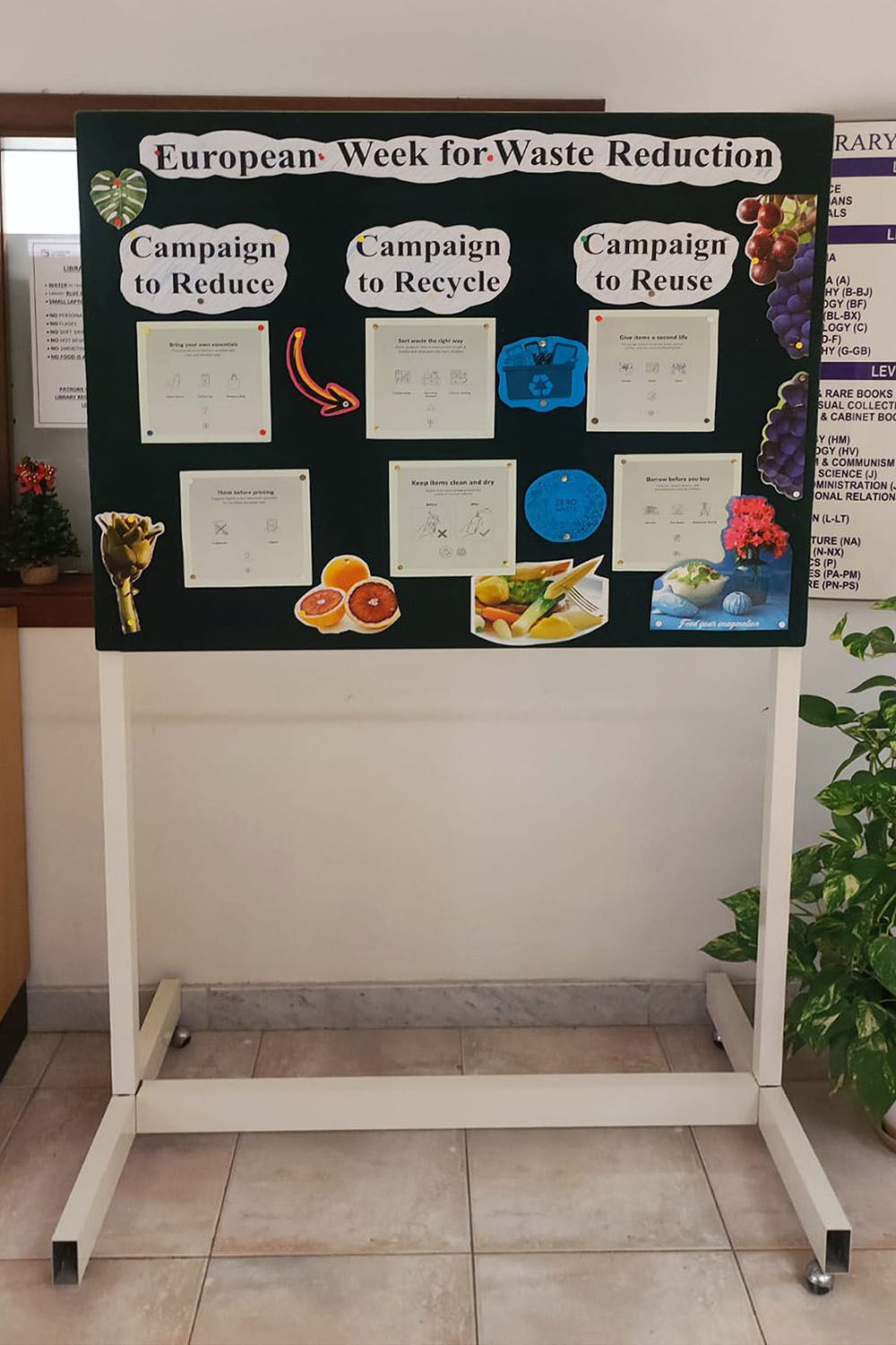
There are several ways in which libraries can spread information about mental wellbeing and promote a welcoming, comforting environment. This is achieved passively through inviting study spaces and actively through the regular promotion of accessible information on stress management and mental wellbeing, as well as courses or events on mental wellbeing or otherwise, to reduce student stress.

Designing a Blueprint for Wellbeing
Having a well-designed library means holding spaces for different kinds of needs. A library should create space for four key categories: collaboration, sanctuary, interaction, and community. In doing so, academic libraries elevate the student experience by accommodating different needs, thereby increasing productivity and reducing stress.
- Collaboration includes spaces for students to work together, talk, and cooperate. This might include separate group work rooms or study spaces where working in groups is allowed. Furniture in these rooms is often movable, allowing it to be rearranged according to the students’ needs.
- Sanctuary is reflected in quiet spaces where few distractions or stimuli are present, allowing for mindfulness or focusing on oneself and one’s goals. These rooms include: sensory study rooms, meditation rooms, gardens, and relaxation spaces; technology-free study spaces; or even nap spaces or nap pods.
- Interaction spaces are those that allow users to interact with library staff or materials. It also includes computers/workstations or other devices from the library that users can work at, instead of bringing their own.
- Community spaces are used to host events for socialising, relaxing, and having fun together. In contrast to collaboration, these spaces are not work-related but are solely focused on strengthening the community, or rather on offering space for students to do so.
Creating a Culture of Care
Regardless of why students use the library, every visit is an opportunity to inform them about the resources available on campus that promote mental wellbeing. While exam periods elicit the most stress and pressure, support should not be offered only during these peak periods. Consistent year-round visibility and awareness campaigns ensure that help is always within reach – whenever a student might need it. The UM Library provides this information through posters in key locations and on its social media accounts. However, as every student is ultimately different, it is best not to choose just one method to inform and support them, but rather a variety, to appeal to a wide range of students.
More actively, libraries can curate a yearly programme of courses that directly inform students about available resources for handling stress, ways to relax, and how to get less stressed. Such courses can also raise awareness of mental health challenges, teaching students how to recognise them and how to react should they or someone around them be facing difficulties. These direct courses offer more depth than a poster can, but can still feel less daunting than going directly to a campus institution.
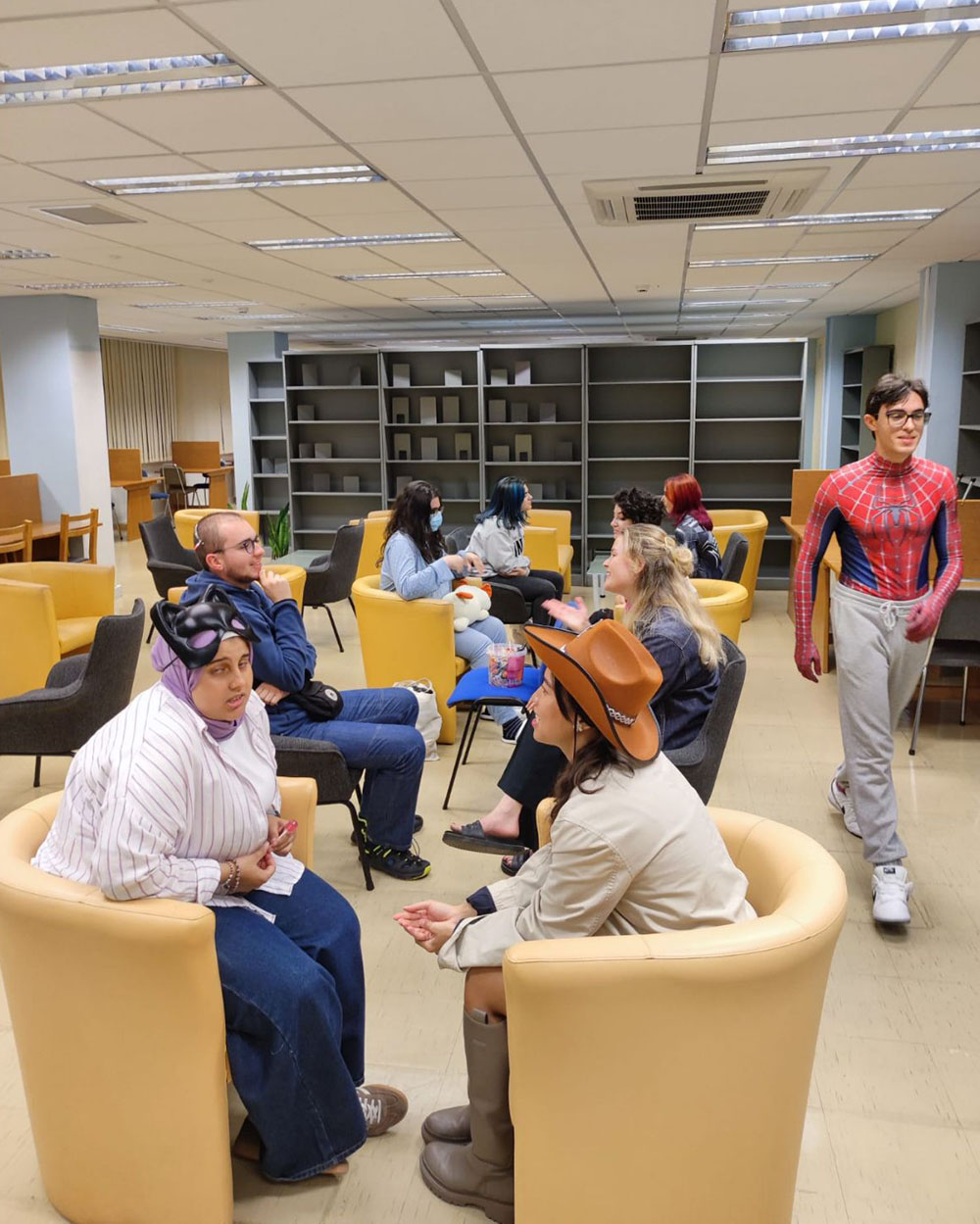
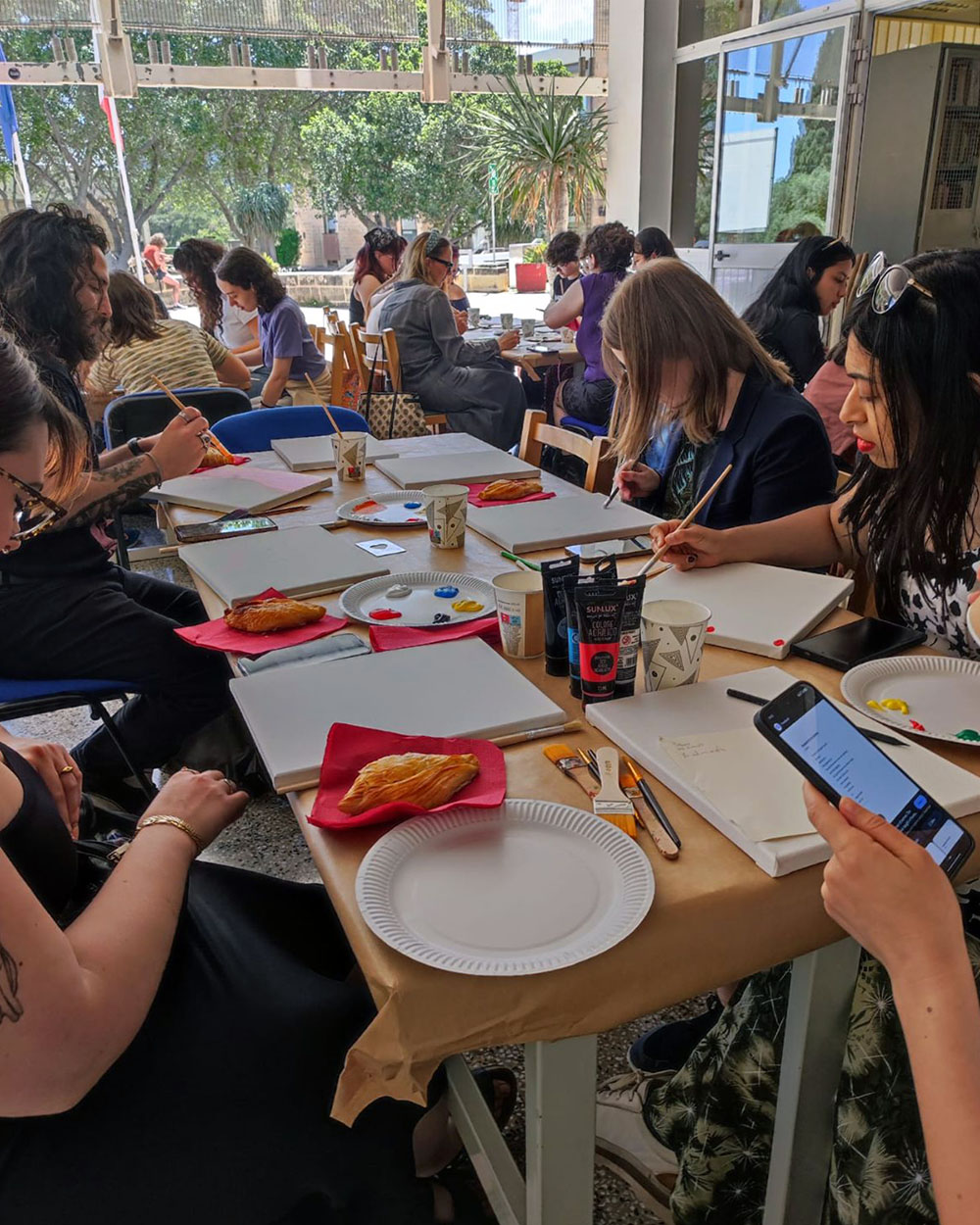
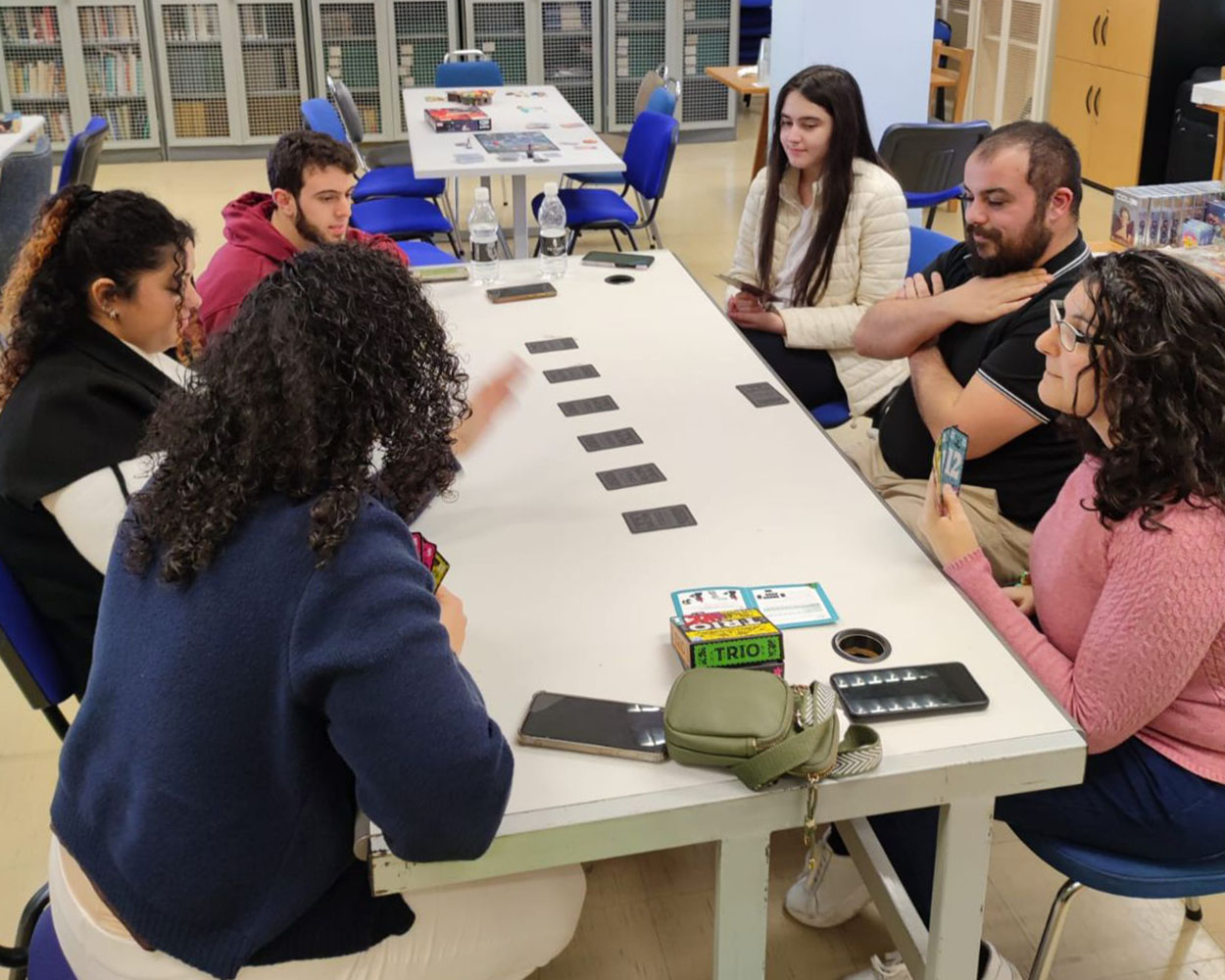
A less direct yet still active approach is organising or hosting events that prioritise student wellbeing and strengthen the community through casual activities that encourage students to destress, socialise, or make new friends. At the UM Library, some tried-and-tested events include speedfriending for socialising and forming friendships, learning to fold origami to encourage new hobbies and skills, and board game or chess tournaments for destressing and inviting play. Some libraries also offer the option to borrow items such as board games, puzzles, or fidget toys, which students can use to self-regulate their stress while studying.
Paving the Way Forward
The library is not only a hub of information, a repository of books, or a space for studying, but also has the potential to be the much-needed connection between university faculties and their students. This is especially valuable in matters of mental wellbeing which could affect students well into adulthood. Based on the daily exposure to the student body visiting the UM Library, there is no one way that improves students’ well-being the most, as every student’s needs are different. This is why it is important to offer multiple options – from targeted courses, awareness campaigns, and posters to casual activities and comfortable, welcoming spaces.
However, as poor student wellbeing persists in global academic institutions, it must be duly prioritised, not just in library spaces but across campuses. Issues such as student mental wellbeing touch home for academic institutions and should, in turn, drive active research to understand and address this current reality. It goes without saying that institutions shouldn’t sit idly by, but rather responsibly care for students and raise them in the academic world in a healthy and sustainable manner.

The UM Library and Equity Office are collaborating with Connect and Belong 2026 – a student-led SEA-EU project, involving students from the University of Malta and the University of Gdańsk. This initiative aims to explore the concepts of safe spaces and student well-being. We invite you to share your university experiences – what you find successful, what poses challenges, and how we can collectively foster a stronger sense of connection, community, and belonging. Please take our short, anonymous survey (less than 10 minutes) to help us shape an improved student experience.
Want to go a step further? Join one of our focus groups to share your ideas in a safe and relaxed setting – FREE PIZZA* included! More details in the survey: https://forms.cloud.microsoft/e/y9xKDyJSdW





Comments are closed for this article!