

In 2020, the University of Malta obtained its first-ever UNESCO Chair. Tackling the theme of Global Adult Education, Prof. Peter Mayo reflects on 5 years as chairholder as his first term comes to a close. Being a prolific author in his own right, Mayo is also an internationally recognised scholar in adult education and the sociology of education, social theory, culture, and sociology more broadly. With THINK, he discusses what the chairmanship entails, the difference between adult education and lifelong learning, as well as the Cold War context behind the distinction.
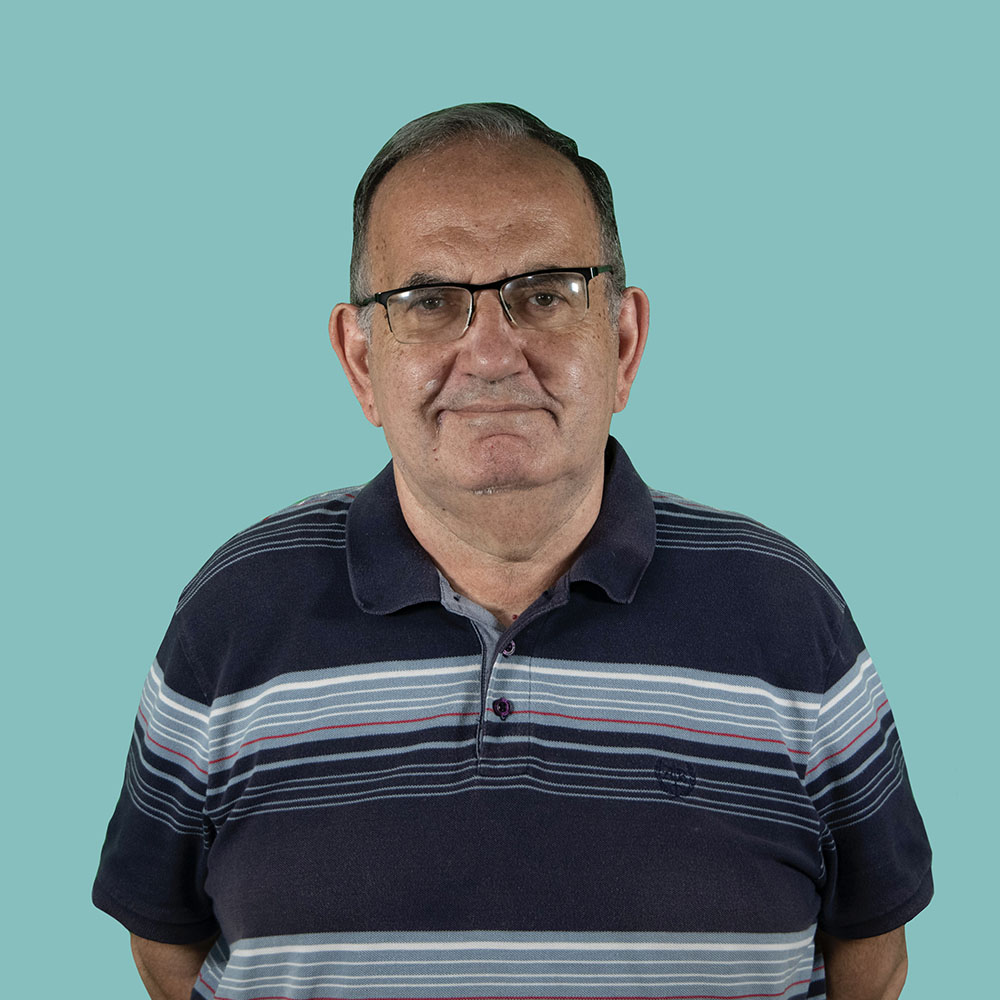
When asked about how Malta obtained its UNESCO Chair in Global Adult Education, Prof. Peter Mayo pointed to the collaboration with Prof. Godfrey Baldacchino as Pro-Rector. Baldacchino brought his previous experience as UNESCO co-chair, heading Island Studies & Sustainability at the University of Prince Edward Island, Canada. With the promotion of adult education as a part of UM’s strategic plan, the Chair builds on the specialisation and expertise harnessed since launching its online master’s degree in Adult Education in 2016.
Mayo believes that the Chair came at the right time, considering the COVID-19 pandemic. With education shifting online, and given the global scope of holding a UNESCO Chair, the evolution of teaching methods allowed the University of Malta to more conveniently reach an international audience. It is this global scope that has defined the work plan of the first UNESCO Chair over the past 5 years.
Prestige Put into Action
Since before taking on the chairmanship, Mayo has contributed to the ongoing publication of a book series entitled International Issues in Adult Education with De Gruyter-Brill, and the most recent titles now boast the official UNESCO Chair-UNITWIN imprint. Additional volumes are currently in preparation. ‘Therein lies the power of the UNESCO Chair,’ Mayo explains.
‘The chairmanship offers prestige rather than money, and thereby opens doors and paves the way for new connections which might not otherwise have been possible, especially on the wider world stage. UNESCO carries a certain gravitas and weight, in spite of not having substantial funds to offer for such initiatives.’
The University of Malta’s intercultural contribution to adult education has seen the publication of works regarding India, written by Indians or the Indian diaspora. An upcoming area of focus will be the Arab world. The purpose is to bring people together. There is also discussion on targeting adult education for Palestine. Mayo underlines that the Chair tries to reach out to areas not already tackled, given the abundance of literature in the Anglosphere and the lack of it elsewhere in certain subjects.
Amongst Mayo’s proudest accomplishments was the rescue and revival of what he states is one of the oldest English language journals devoted to adult education in the world – Convergence: An International Adult Education Journal, founded by the late J. Roby Kidd and first published in 1968. Long moribund and financially strained, it had passed from the hands of the International Council for Adult Education before going bust. Its revival, this time as an online open-access journal, formed part of the original proposal sent to UNESCO for the chairmanship, supported by a modest faculty grant. It was finally relaunched in 2022 and publishes two issues a year. Mayo states that the journal is open access to reflect a commitment to breaking barriers.
Over the past 5 years, the Chair has also seen to the hosting of a range of seminars, sponsoring the accommodation of 4–5 speakers annually. It also convenes a biannual international conference on Critical Adult Learning and Education (CALE), with the upcoming conference taking place this November (registration is currently available here). Mayo states that they kept receiving abstracts even past the deadline for this occasion, and decided to reopen the process and admit the submissions regardless. Malta, he emphasises, is becoming an international centre for adult education, particularly with its online master’s degree which reaches students across the globe, including the Maltese diaspora in Australia and beyond. Attempts at waivers are also negotiated for students from low-income countries. This online degree is among the few global offerings in the field and reflects a commitment to accessibility, representation, and internationalisation.
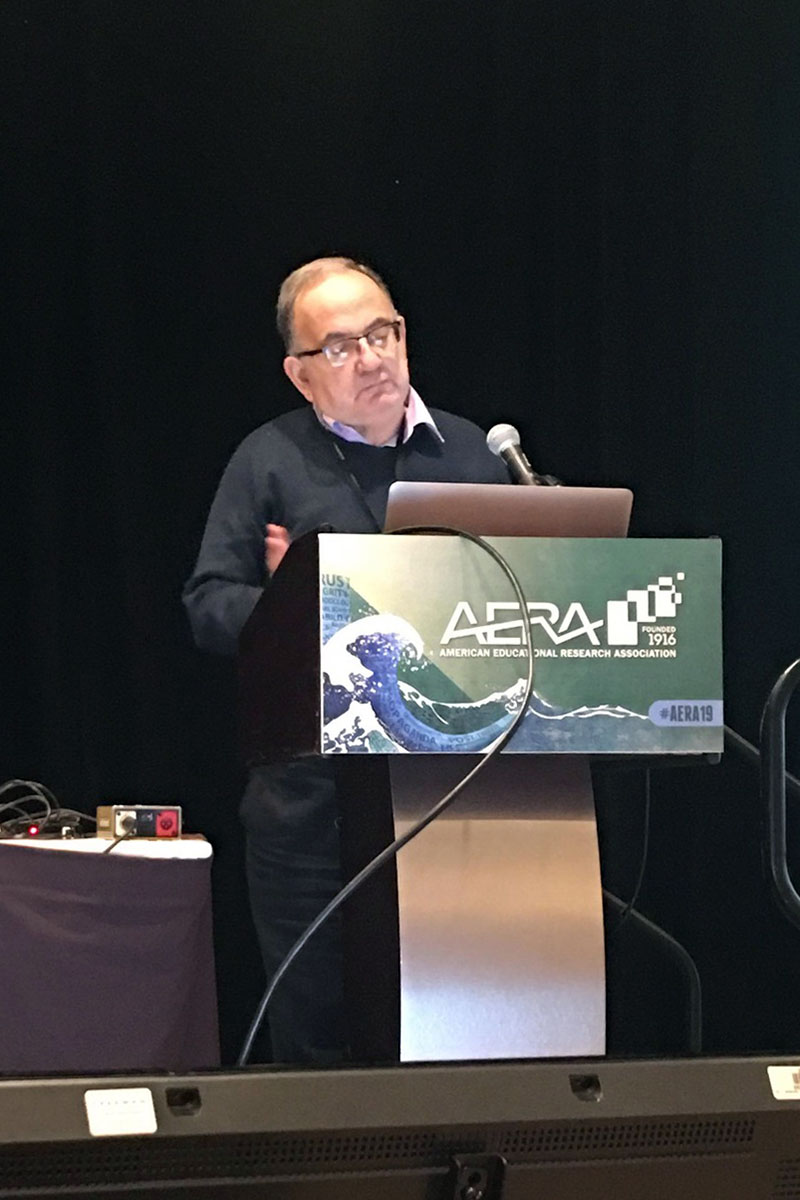
(Scholarly GPS, 2024)
Learning with Purpose
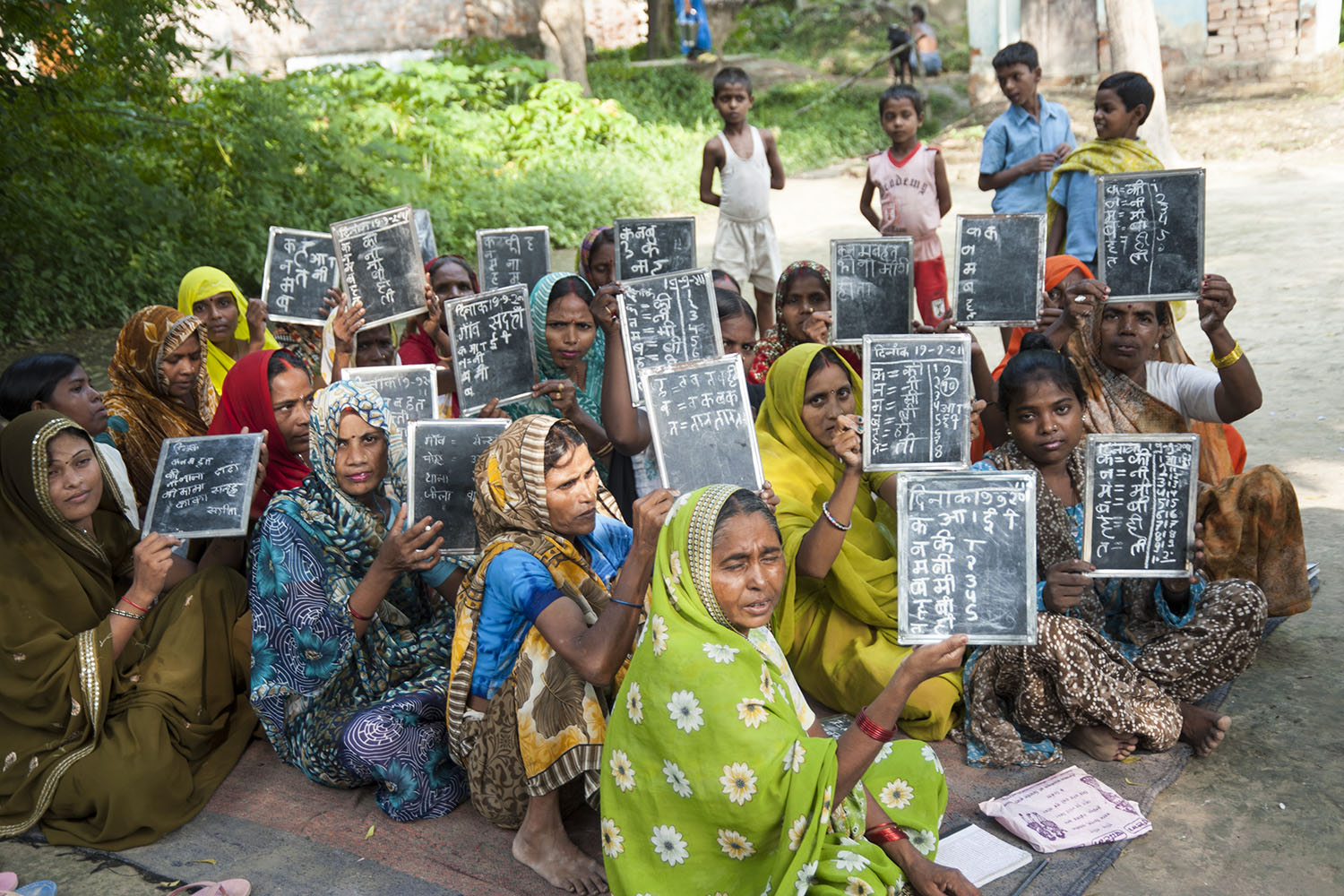
To understand adult education, one should also consider its history as a concept. Newly independent post-war states were encouraged by UNESCO to institute mass obligatory primary education. However, many of these newly independent countries could not afford to build schools, particularly in Africa and Asia. Considerations were also made with regard to different learning needs that people may have, given their differing cultures, contexts, and communities. A need was recognised to understand education in terms of a broader context, hence giving rise to a further appreciation for non-formal education.
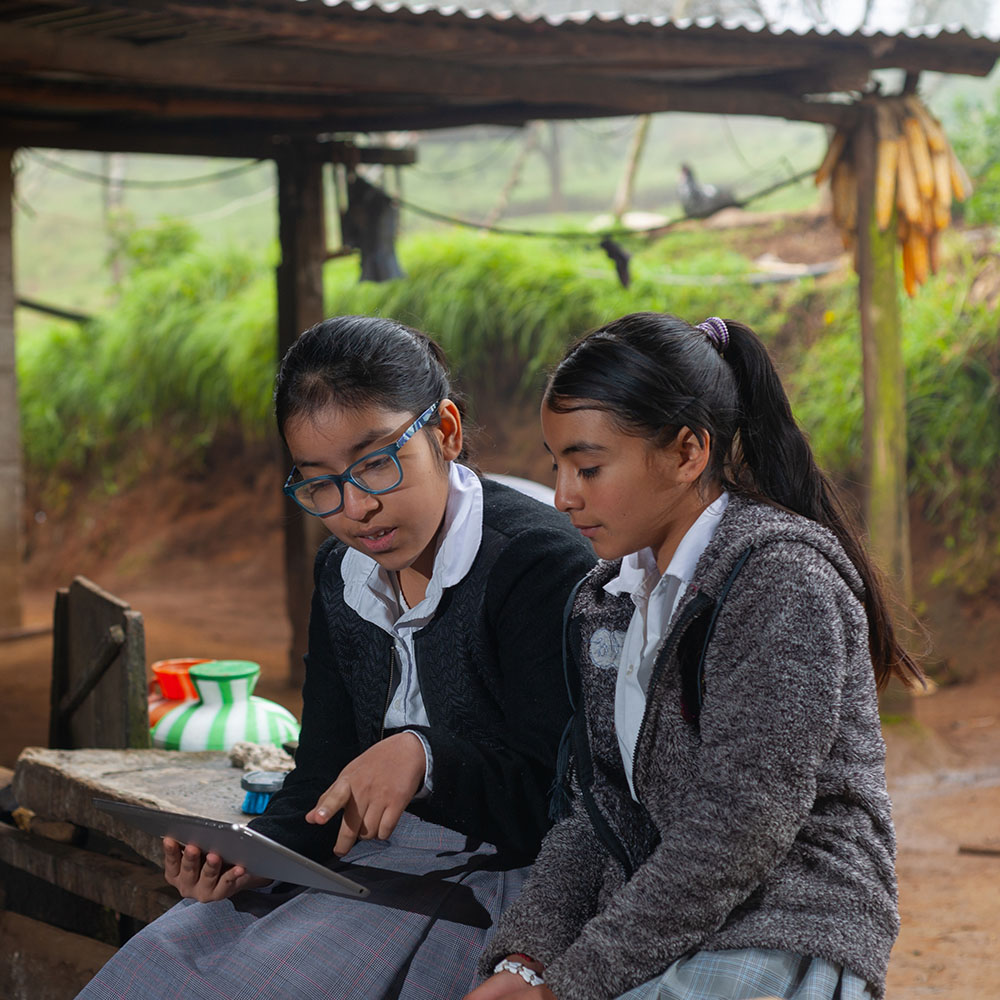
‘In popular education, which is an important part of adult education, many people don’t send their children to school as they would have to walk long distances to do so, and it would even be dangerous. Therefore, they prefer to allow them to join popular education gatherings in the neighbourhood during the evening alongside their parents or grandparents. We compartmentalise for convenience, but in reality, things are not so neatly separate,’ Mayo explains.
With the fall of the Soviet Union, however, and the onset of Neoliberalism, education began to be understood in a narrower context – that of preparing someone according to the needs of the market. Thus began a conflation between lifelong learning and adult education, where the former relates to employability during one’s working life. Mayo understands adult education in its fullest sense. This includes both formal and non-formal modes of learning related to topics beyond those concerning the workplace. While education can be vocational, Mayo points to its cultural dimension and manifestations. He points to what can be learned about community identity from a festa, for instance, and all that such an activity may entail. Adult education poses critical questions, concerned with more than just production in mind. It opens the door to creativity and challenges the status quo.
Mayo points to the ethical and moral underpinnings of adult education. It matters what knowledge is being passed on, as one could be ironic about it, just as the fictional Dickensian Fagin would be expected to do in Oliver Twist, calling becoming an artful pickpocket ‘an education’. However, Mayo states that in a British sense, education has a normative connotation. It is directed by what is considered ‘good’ in society, while that may be different across cultures.
Ultimately, that variability is reflected across all aspects of adult education. After all, Mayo states, ‘How does one define adulthood, given that maturity varies? Putting a number on it is pseudoscientific positivism, defined by elusive cut-off points. Adult education is, by nature, an evolving and open-ended field.’
Next Steps for the UNESCO Chair
Looking ahead, Mayo plans for the introduction of a co-chair during his potential second term in the role. This will facilitate a knowledge transfer and handover for when he eventually retires. An intended second term of the UNESCO Chair in Global Adult Education foresees the introduction of scholarships, which Mayo believes will strengthen the University of Malta and its image through its broadened reach and commitment.
Amongst the key themes which Mayo wishes to explore during a second term would be adult education in small states. Another would be the Mediterranean and Southern European perspective. The Chair’s activities reflect a deliberate effort to move beyond Eurocentric or strictly vocational models of adult learning.
The Chair intends to build on its existing international partnerships and academic output, including the continuation of the online master’s degree in Adult Education, which has already attracted students from multiple continents and will launch for a second cohort in October 2025. Online delivery modes will continue to enable access for students and educators in geographically or politically constrained contexts, including members of the Maltese diaspora. With a renewed mandate and expanded leadership, the Chair is positioned to deepen its international collaborations, support underrepresented voices, and further develop Malta’s role as a hub for transformative adult learning.
Recordings of the UNESCO Chair’s various webinars and initiatives are available on its official website.
Register for the Critical Adult Learning and Education (CALE) Conference 2025 here.


Comments are closed for this article!