
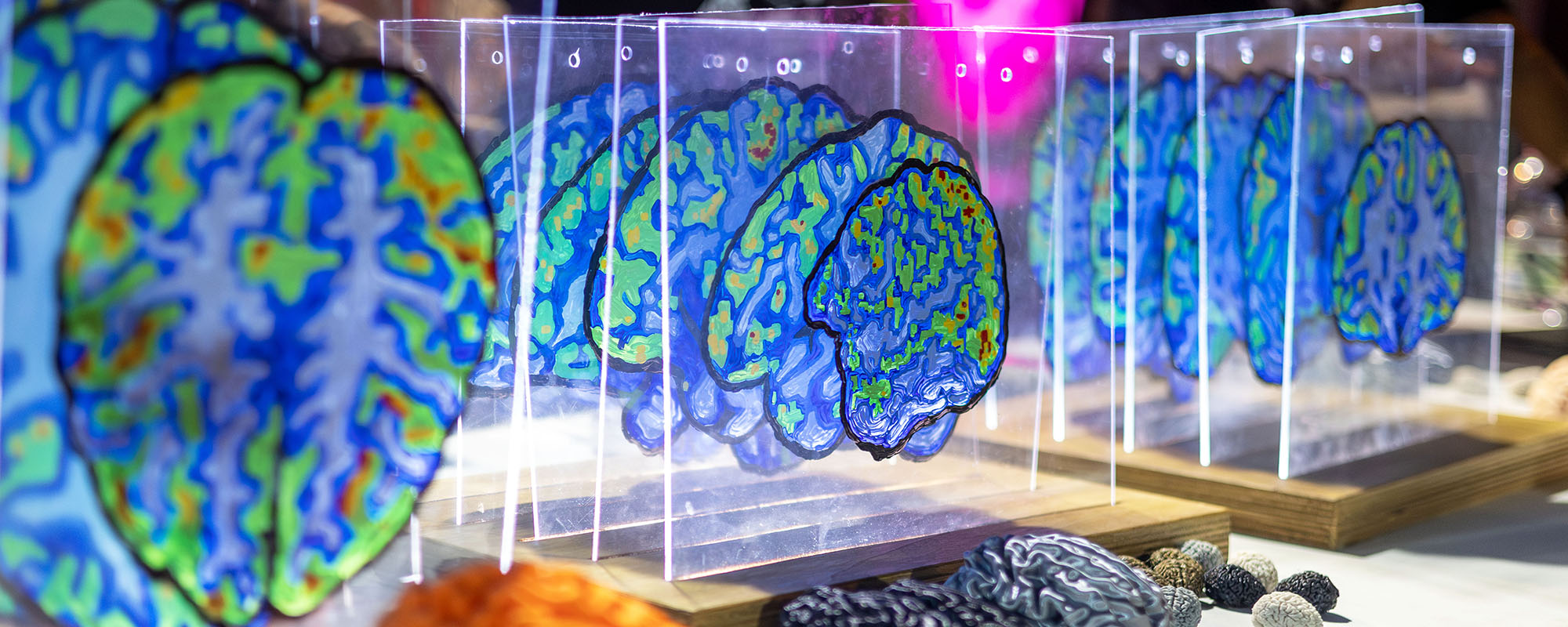
Looking for a fun and exciting activity fitting for children and grown-ups alike? Science in the City offers inspiring activities throughout the whole month of September.
Since 2012, Science in the City has brightened Maltese streets with ‘innovative and engaging’ displays that marry research, science, and art. It is Malta’s national science and arts festival, an annual event that is part of the European Researchers’ Night.
In the words of its founder, Dr Edward Duca (Senior Lecturer from UM’s Department of Mathematics and Science Education), the festival invites ‘researchers, artists, and citizens to explore how science shapes our lives’. Duca tells us that the festival has done ‘stand-up comedy, interactive art installations, street arts, hanging artworks, exhibitions, theatre, music, traditional and contemporary dance, shows, comics, and carnival-like floats, all on science topics or inspired by research’.
(Photo courtesy of the Science in the City team)
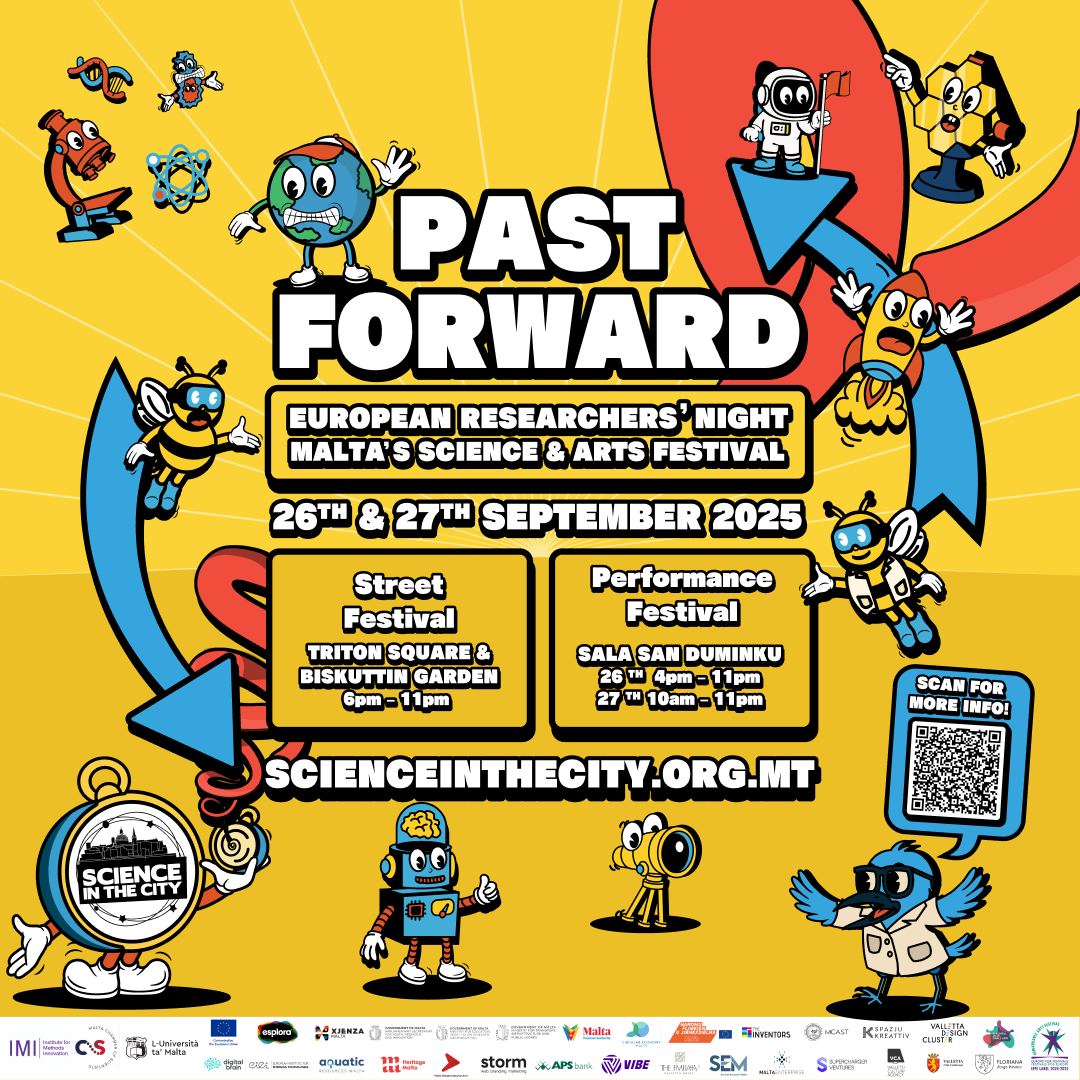
This year, the festival is guided by the theme ‘Past Forward’, reflecting on the impact of our history in today’s world, as well as the importance of today’s innovations in shaping a better future. According to the organisers, the festival draws insight from past achievements and failures to ‘inform innovation, creativity and action’.
The Programme – Here’s What to Expect
The festival is happening on the 26 and 27 September, and there are pre-festival activities planned throughout the whole month. All the activities are free, with reservations advised due to limited spots. If immersing yourself in a world where science meets art sounds appealing, you can save your spot through this link.
The Science in the City Pre-Festival offers a range of artistic activities that promise to spark curiosity in the hearts of citizens and encourage participation. From interactive artworks to workshops, attendees can expect an exploration of themes like memory, climate change, and food production, all spread throughout Malta.
Between the 26th and 27th, Science in the City hosts the Street Festival and the Performance Festival. The Street Festival will take place on both evenings, from 6–11 pm, around Triton Fountain in Valletta. Look out for the science experiments, games, robots and interactive installations that bring you the latest research on health, technology, and the environment.
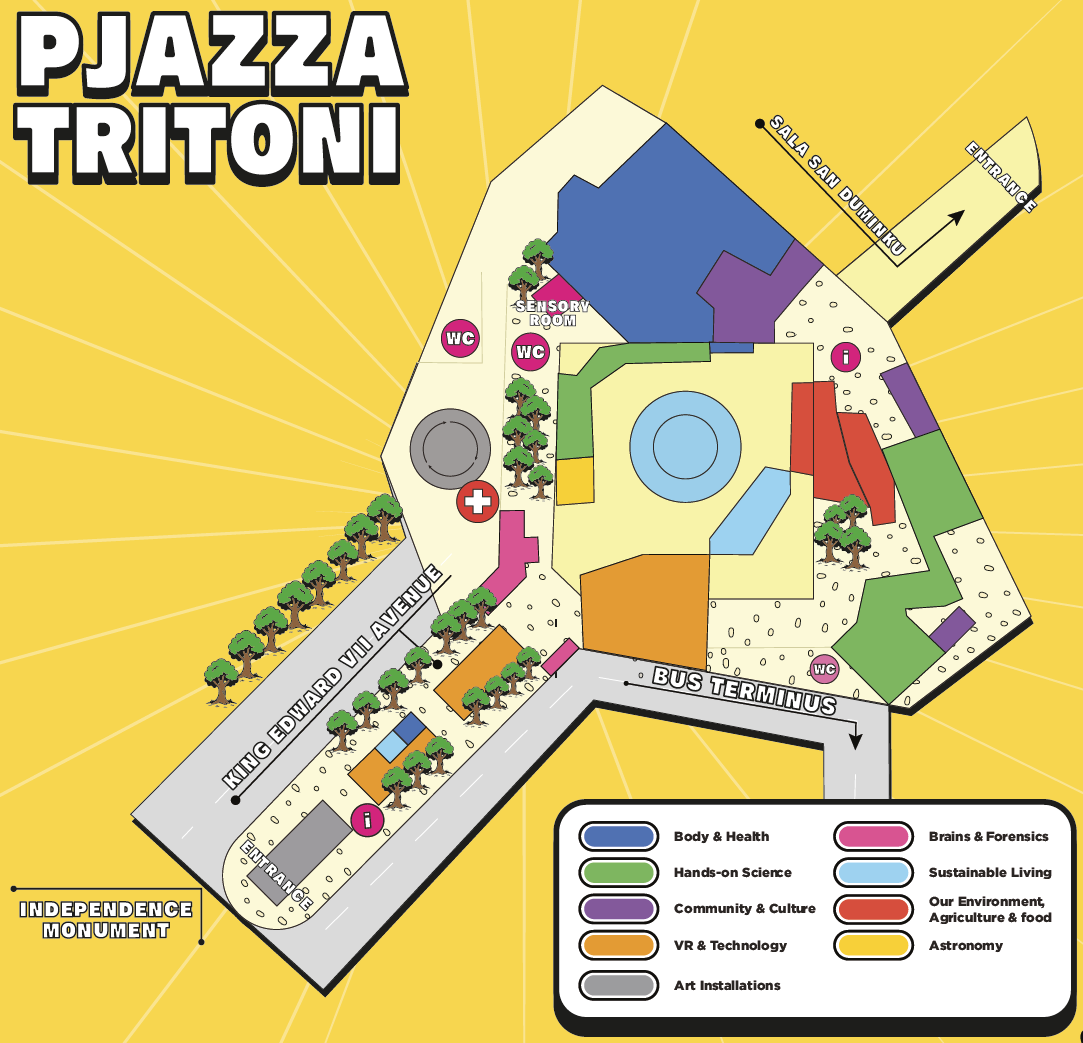
Duca tells us that ‘wandering from stand to stand, visitors can chat to passionate volunteers and researchers from every background you can think of, from art history to robotics.’ The festival has over 100 different organisations participating this year — their highest ever!
At Sala San Duminku, also in Valletta, the Performance Festival happens on the 26th from 4–11 pm and on the 27th from 10 am to 11 pm. Theatre, music, workshops and puppet shows bring science to the stage through talented artists from Malta, Spain, Germany, Romania, and the UK. There are music performances created for the deaf and hard-of-hearing community, a show about a robot finding its place in the university, and explorations into the magical world of light. Each performance and workshop combines storytelling with research, making complex ideas engaging and accessible for all ages and ensuring that the festival is suitable for the whole family.
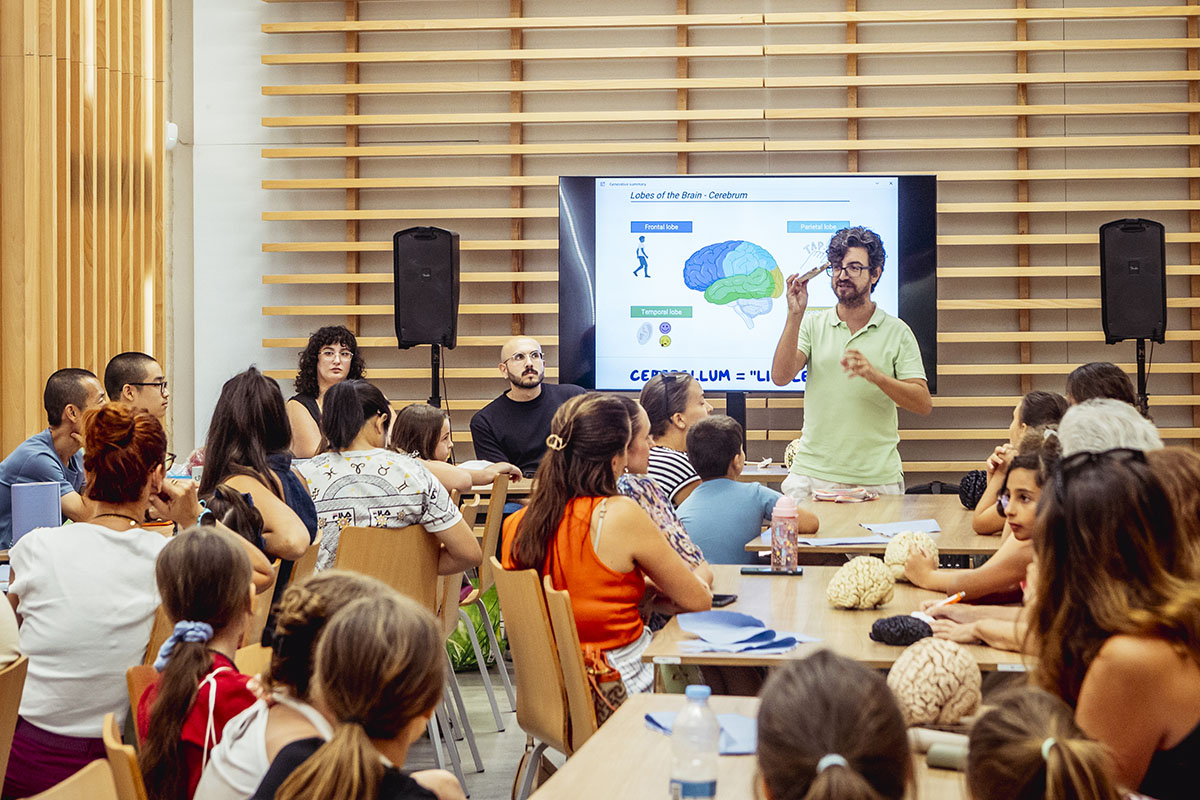
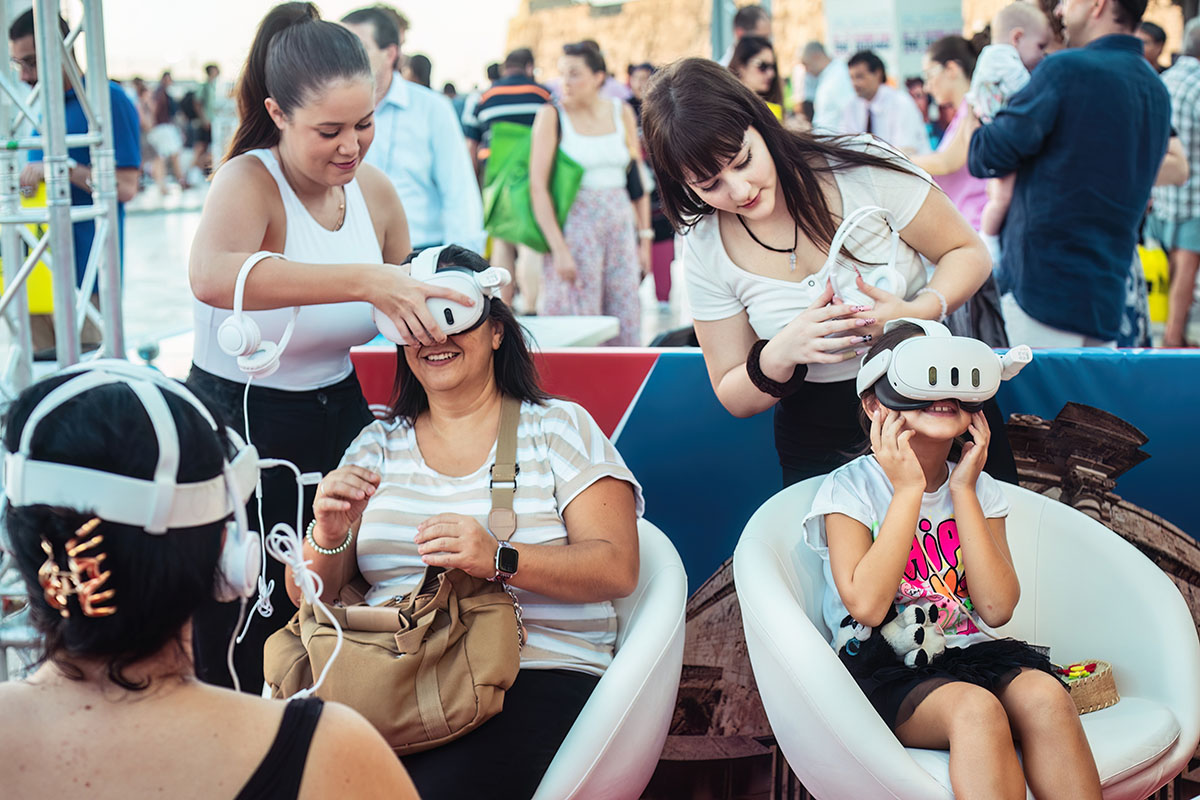
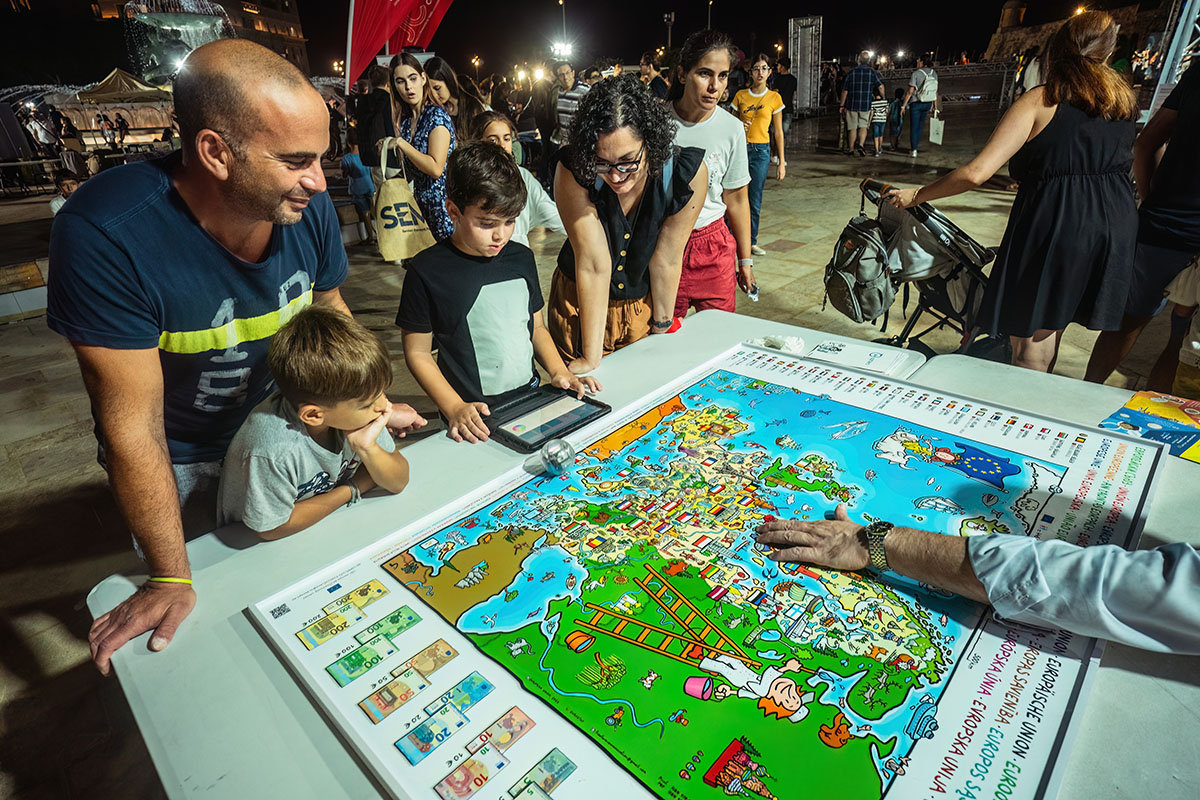
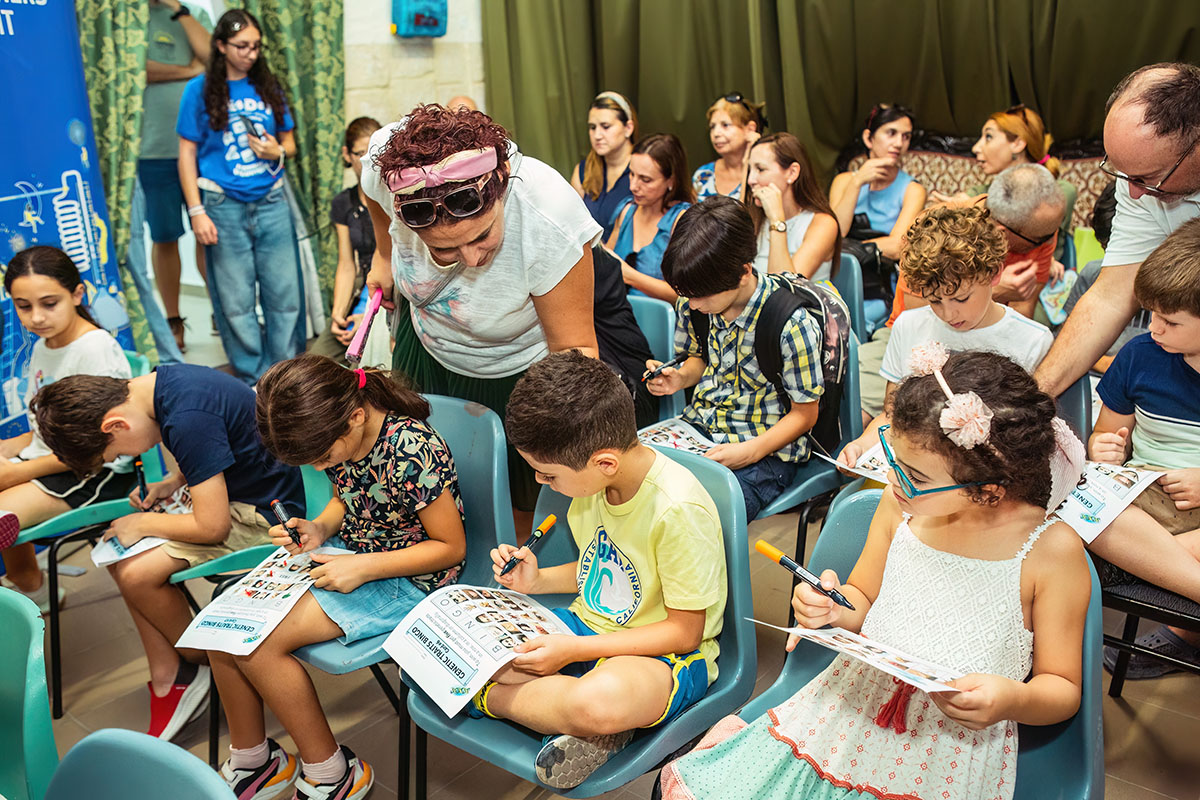
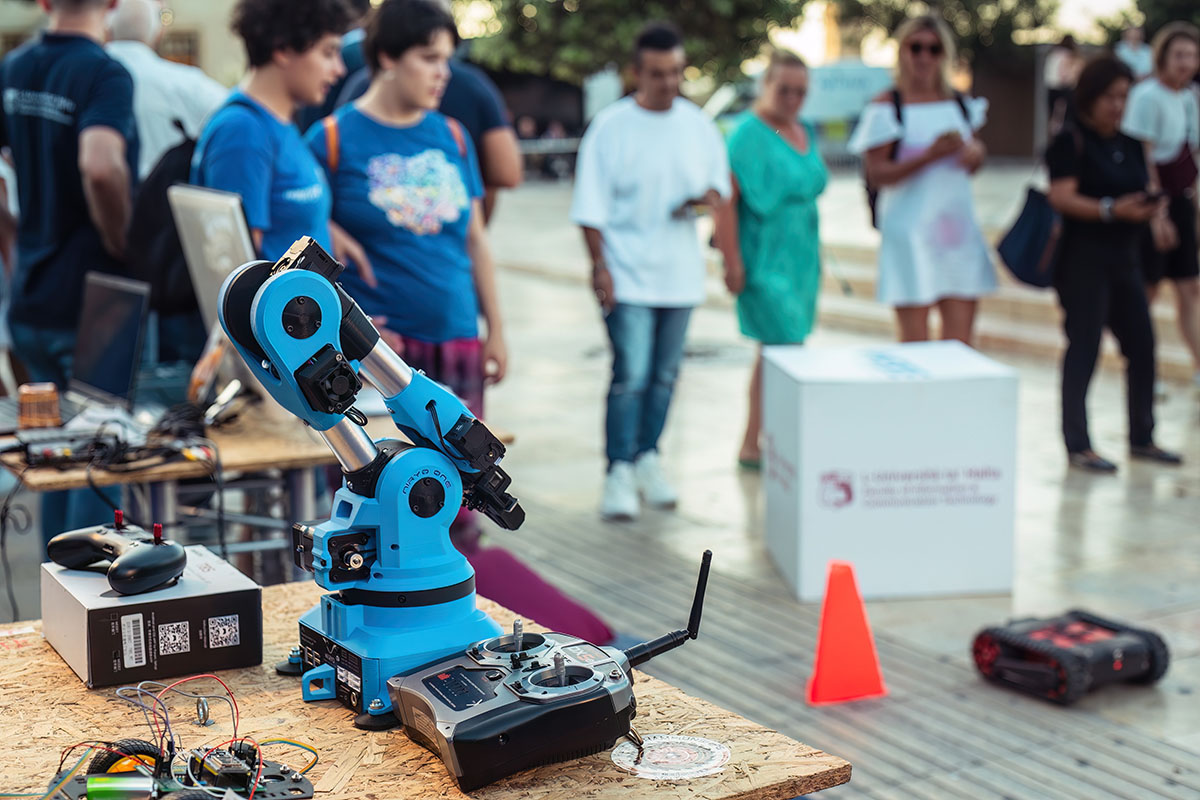
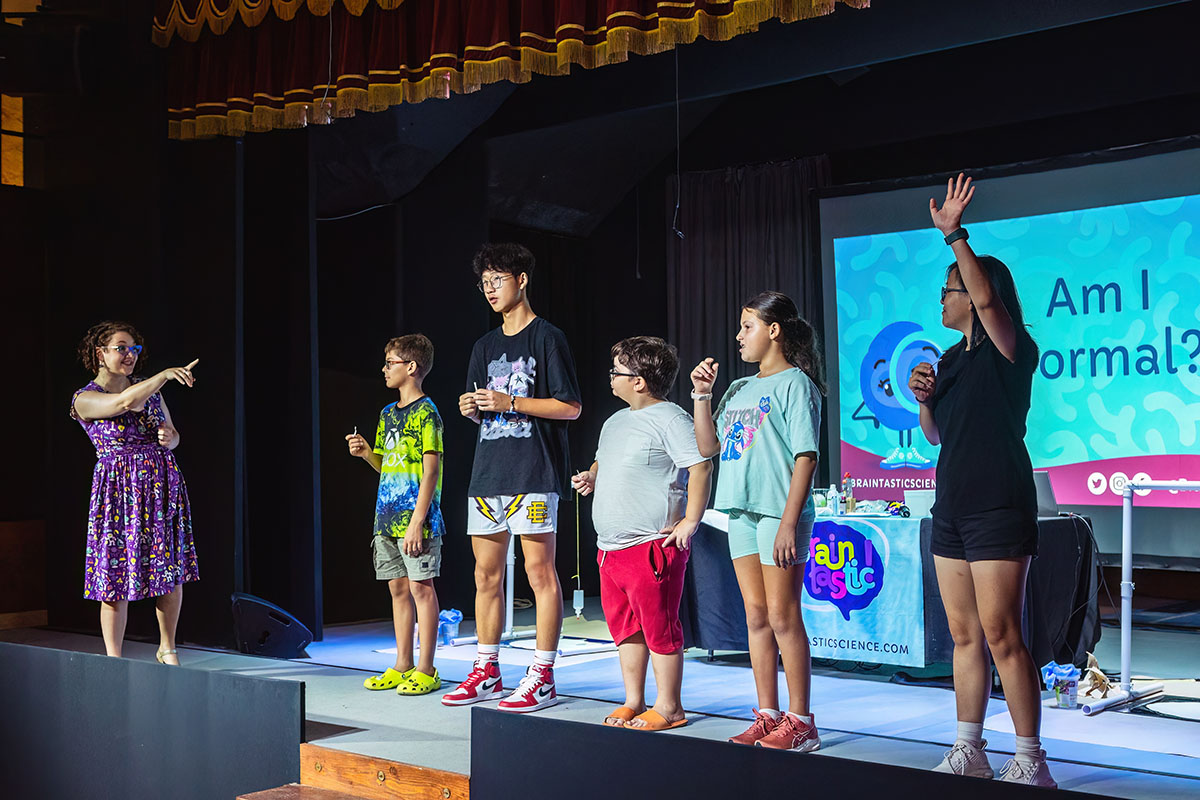
The festival aims to be an inclusive, accessible, and sustainable festival. This year, the festival includes a parallel activity during the Performance Festival aimed at children aged 3 to 6, where they can discover science and creativity through play. A sensory-friendly room near Triton Fountain and discounts on rides with eCabs to the Main Street Festival are also available. Those who cannot make it to the festival physically will be able to enjoy the Virtual Festival, which offers a selection of performances digitally.
The Science in the City team is particularly proud of the 12 pre-festival events, which help the festival engage with smaller groups, particularly communities in St Julians through the APS Hub. ‘We work very hard to bring this culture of public engagement with research to Malta and Gozo,’ Duca explains when detailing the many school visits organised by the festival team.
The Backstage
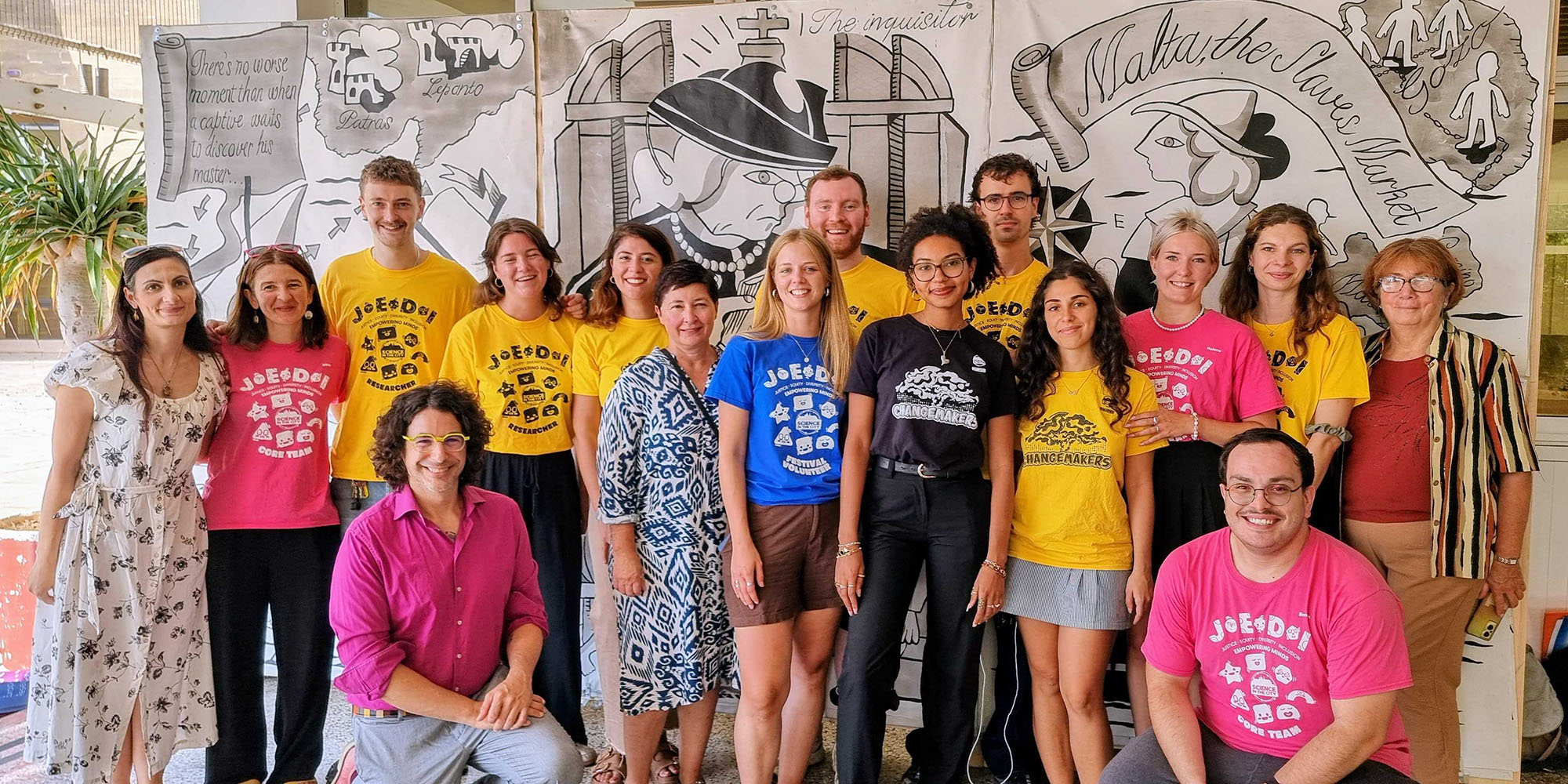
The entire festival sees the involvement of around 650 volunteers, 90 organisations and 300 researchers yearly. Throughout the year, the core team organises open calls and contacts partner organisations. For applying artists, they look at the scientific value, creativity in the artistic approach, cost, and other criteria to select the best fits for the festival.
(Photo courtesy of the Science in the City team)
Scientists, researchers, NGOs and governmental organisations can apply through open calls, and there isn’t a selection process – almost anyone can participate for free. Companies and government entities, however, pay a sponsorship fee that helps support the festival interns and staff, and funds logistics and more artists.
These content providers are supported by the festival organisation to develop the material for the festival. The team organises workshops and pairs artists and scientists to help them develop new ideas to engage with the audiences of the festival.
With a packed schedule throughout the month of September, this edition of Science in the City is sure to leave its mark on the community.
The Dream
But why go through all this trouble every year to put together a festival about STEAM (Science, Technology, Engineering, Arts and Mathematics)? Duca confides that he wants ‘the festival to inspire others to take on this fun, engaging and effective approach to science communication in the Maltese Islands’. He believes the arts encourage creative and critical thinking and support meaningful conversations around science topics that affect our lives.
Duca hopes that the festival works as a platform for researchers, artists and citizens to discuss issues touching our lives, culture and society, all while instilling feelings of wonder towards the world that surrounds us. This mission towards an informed, engaged and active community is what motivates the team every year to create a science and arts experience for everyone! So join this year’s edition by visiting their website.
Science in the City is co-funded by the European Union’s Marie Skłodowska-Curie Actions of the Horizon Europe Research and Innovation Programme (Grant Agreement No 101162176). The Past Forward Performance Festival is supported by the Art Council Malta’s Arts Support Scheme.
The Science in the City consortium is led by the University of Malta and the Malta Chamber of Scientists, in partnership with Institute for Methods Innovation, Spazju Kreattiv, Valletta Design Cluster, Valletta Cultural Agency, Servizzi Ewropej f’Malta, The Malta College of Arts, Science & Technology, the Floriana and Valletta Local Councils, Parliamentary Secretary for Youth, Research and Innovation, Xjenza Malta, Ministry for Education, Sport, Youth, Research and Innovation, Esplora, Vibe FM, Heritage Malta, Malta Tourism of Authority, Public Broadcasting Services Limited, DG Employment, Malta Enterprise, Ministry For Transport, Infrastructure And Public Works, European Institute For Emerging Technologies, Circular Economy Malta, Digital Traffic Brain, The Inventors, Storm Design, Visit Malta, APS Bank, Aquatic Resources Malta, Research and Advisory Services Directorate, The Embassy Valletta Hotel, Supercharger Ventures, GreenPak, Tech.mt, eCabs, European Parliament, Malta Air Traffic Services Ltd, Ministry For Social Policy And Children’s Rights, Spanish Embassy.



Comments are closed for this article!