
Skip to content

How do you cook the perfect steak?

Facebook
Twitter
LinkedIn

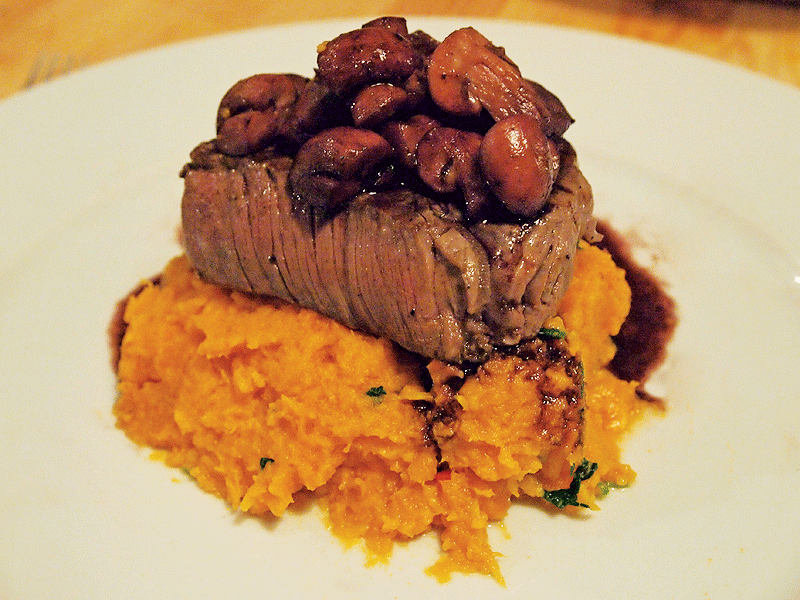
Fillet is the best cut. Trust me. It’s worth the money.

Use molecular gastronomy to take advantage of decades of researching how meat changes with heat. Science indicates that the best cooking temperature is around 55˚C, and definitely not above 60˚C. At a high temperature, myofibrillar (hold 80% of water) and collagen (hold beef together) proteins shrink. Shrinking leads to water loss. In the water lies the flavour.

To cook the fillet use a technique called sous vide. It involves vacuum wrapping the beef and keeping it at 55˚C in a water bath for 24–72 hours. This breaks down the proteins without over heating. The beef becomes tender but retains flavour and juiciness.

Take the beef out. It will look unpalatable. Quickly fry it on high heat on both sides to brown it. The high heat triggers the reduction of proteins or the Maillard reaction. Enjoy with a glass of your favourite red.


Author

More to Explore

From Cinderella to Centre Stage: Malta’s Creative Sector and Vision 2050

A once significantly smaller arts and culture sector is stepping out of the shadows. At a recent Vision 2050 consultation, policymakers, artists, and academics explored how creativity can shape the nation’s future, balancing heritage, innovation, and economic growth. From theatre to publishing, gymnastics to urban design, the long-overlooked Cinderella sector is finally being recognised as central to Malta’s social and economic story.

Radiation in Medicine: Balancing Benefit and Risk

What if an invisible energy could both reveal disease and help cure it? From diagnostic scans to targeted cancer therapy, radiation drives some of medicine’s most powerful tools. Understanding how this force can both benefit and harm patients is key to using it safely, responsibly, and to its greatest clinical advantage.

Comments are closed for this article!