Skip to content

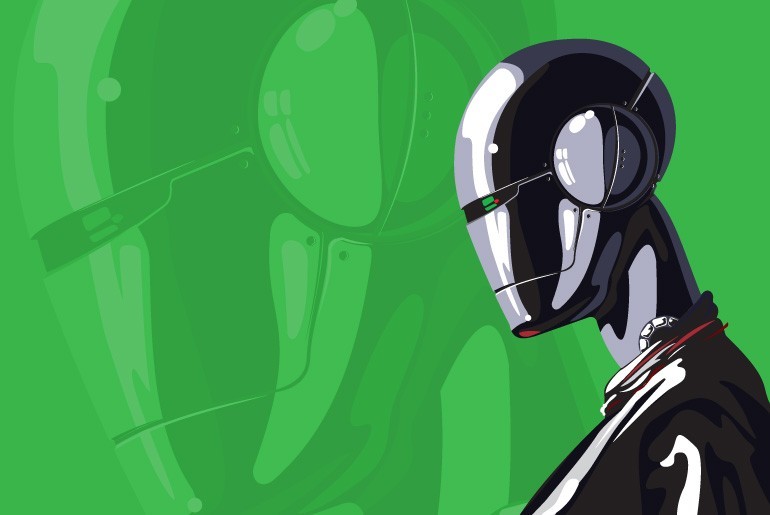
Will robots take over the world?

Facebook
Twitter
LinkedIn

Unlikely, for the next 100 years. Academics and sci-fi writers take three rough approaches. We will become one with the bots by integrating computers into our body achieving the next stage of evolution. Or, robots will become so powerful so quickly that we’ll become their slaves, helpless to stop them — think the Matrix. Or, robots have certain technological hurdles that will take ages to overcome.

Let’s analyse those hurdles. Computing power: no problem. Manufacturing expense: no problem. Artificial intelligence: could take decades, but we are already mapping and replicating the human brain through computers. Energy: very difficult to power such energy-hungry devices in a mobile way; battery or portable energy generation has a long way to go. The desire to enslave humanity: would require Asmiov’s trick or a mad computer scientist to programme it into the bot’s code. Conclusion: unlikely, sleep easy tonight.


Author

More to Explore

The Courage to Care: Why Young Activists Choose to Keep Going

When systems stop working in the interest and favour of all, staying quiet can feel impossible. Across Malta, many young people are beginning to step forward because something inside them refuses to remain silent when faced with injustice. THINK meets with two young activists to learn why, despite everything, they choose to keep going.

Keeping Your Power Running: A Simple Guide to Emergency Power Supply in Battery Storage

Residential battery storage systems are an excellent tool for homeowners to increase renewable energy self-consumption. However, their role becomes truly meaningful during a grid outage. While mainstream battery storage inverters now commonly offer an Emergency Power Supply to support critical loads, a key question remains: how does maintaining this ‘backup readiness’ actually impact the long-term efficiency and day-to-day operation of the system?

Comments are closed for this article!