
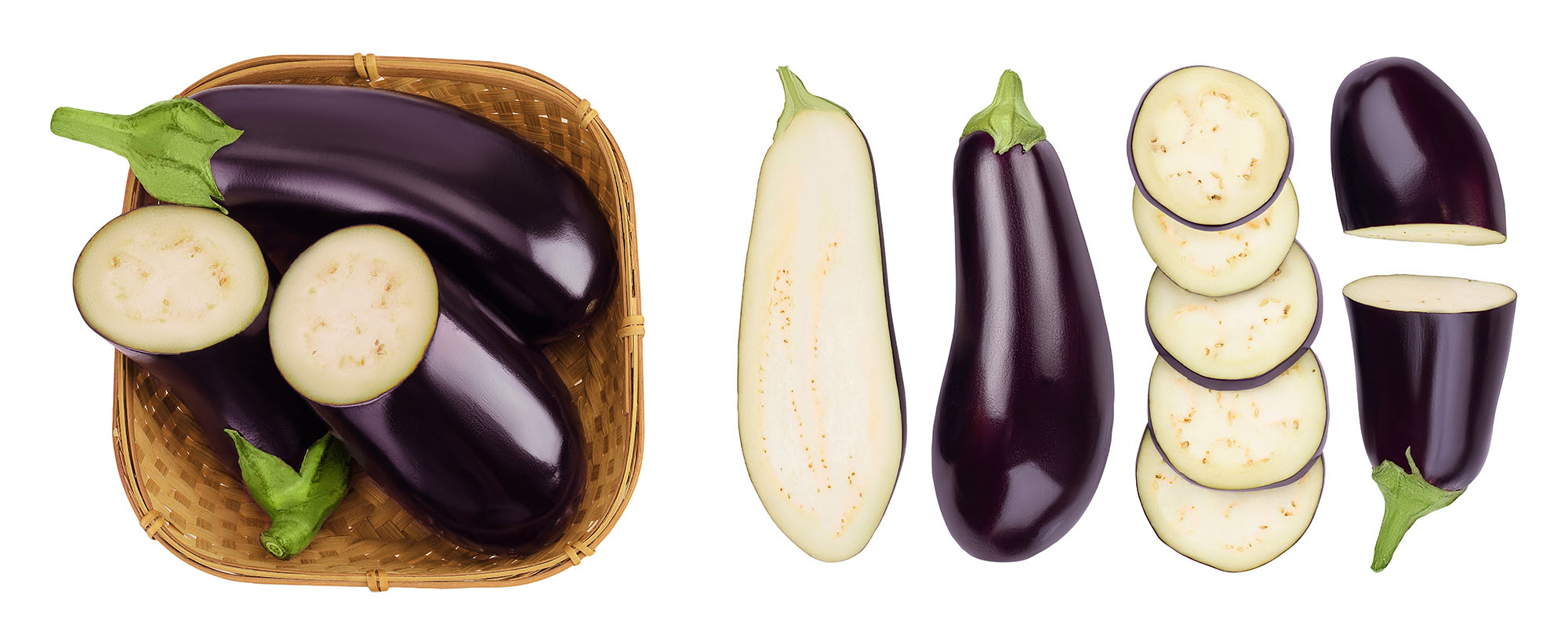
Some are long and hard, others big and fat, others still are thin and bendy, while some are just short, round, and stubby. 🍆 come (usually) in all shapes and sizes, but does bigger necessarily mean better? What’s the difference between a 🍆 from the USA and one from Thailand? Join us as we take a quick tour of the different 🍆 from around the world and learn how best to handle each one!
Most varieties of eggplant look nothing like an egg, so it’s fitting that the 🍆 emoji looks nothing like the new meaning we’ve collectively given it (unless something has gone terribly wrong). In a world of bananas, cucumbers and carrots, this oft-forgotten vegetable has been unfairly thrust into the spotlight as the new way of mentioning unmentionables. But they are so much more. These misunderstood 🍆s clearly need more love, it’s time to explore our options, and expose six 🍆s from around the world!
Thai
Don’t let this chode turn you off just yet, if anything, its proof that good things come in small packages! Despite being the size of a golf ball, the green-white Thai eggplant is packed with flavour.
While it might be hard to find (in Europe at least, aside from a few selected Asian markets) this 🍆 is widespread in Indonesian, Cambodian, and Thai (duh) cuisine. When cooked, this eggplant develops a crisp and slightly crunchy texture, rather than the other, softer eggplants.
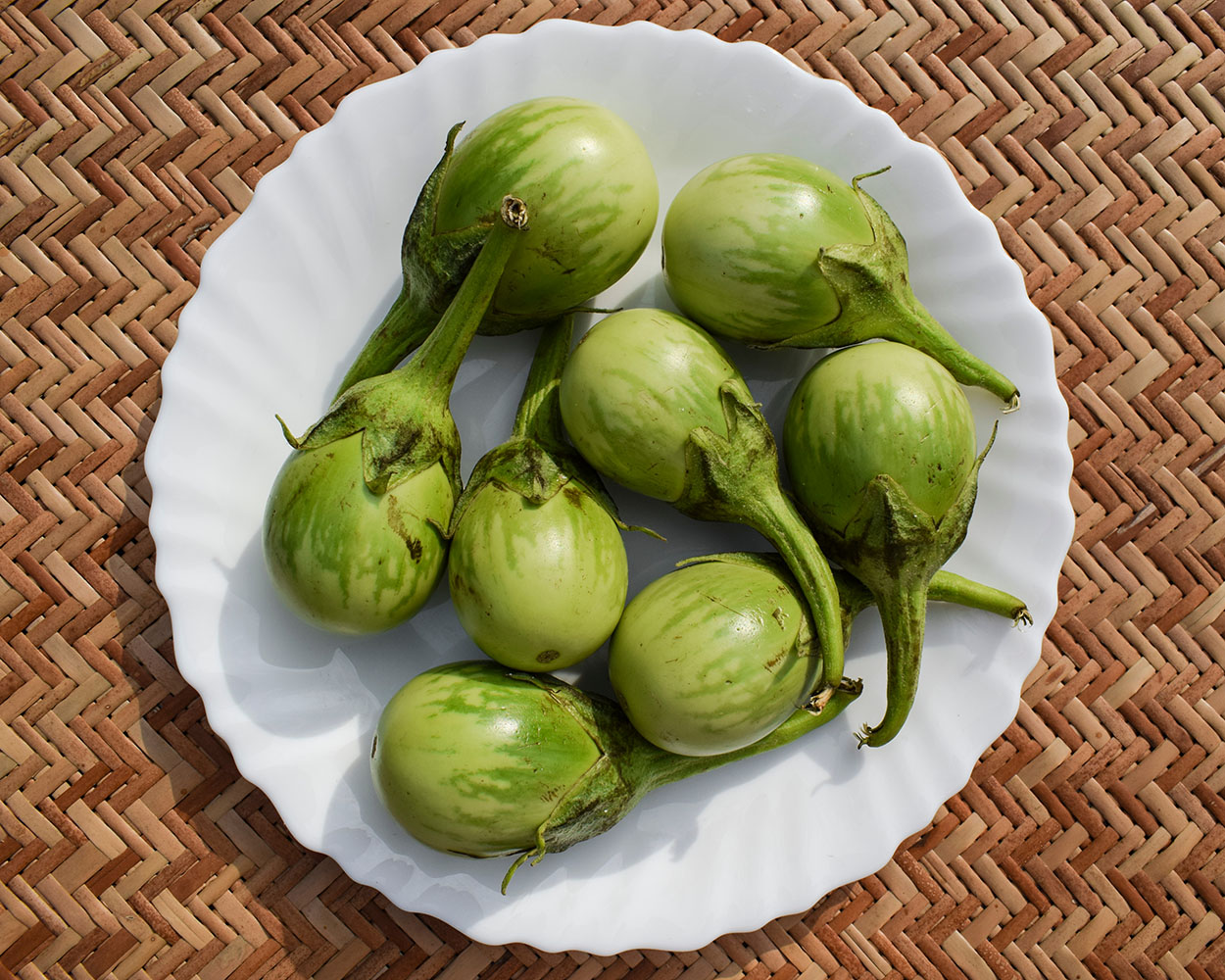
It has a mild, bitter, and earthy flavour that pairs brilliantly with stir-fries and milk-based curries. It plays nicely with naughtier flavours such as ginger, garlic, and spicy chili. However, this surprising little package can also be enjoyed raw. Just beware of getting a mouthful of bitter seed!
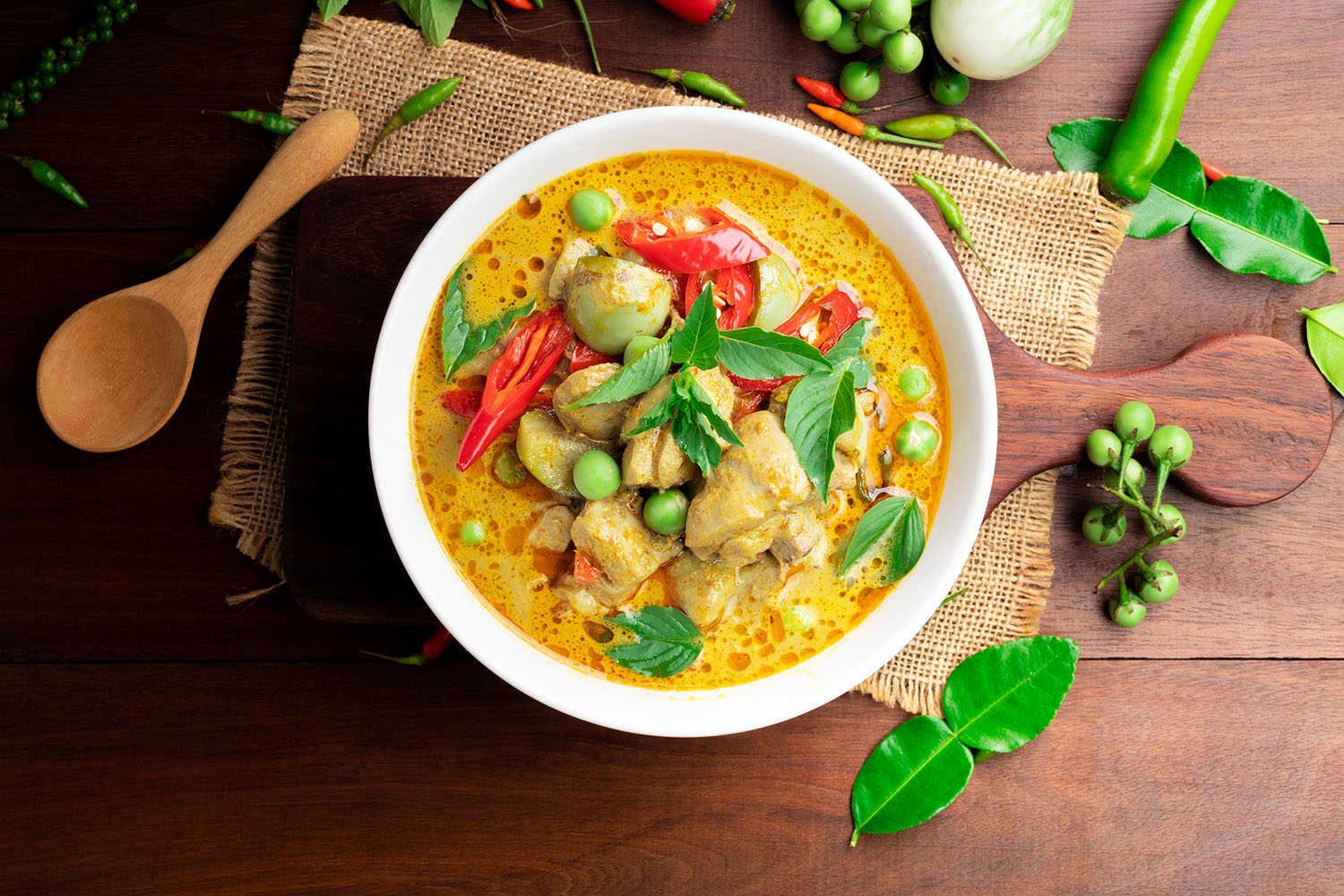
Recommended Dish: Thai Green Curry and Eggplant. Make your curry night extra spicy with this naughty curry. Thanks to the crispy texture of the eggplant and kick from the green curry, you’ll be working up a sweat in no time!
Indian
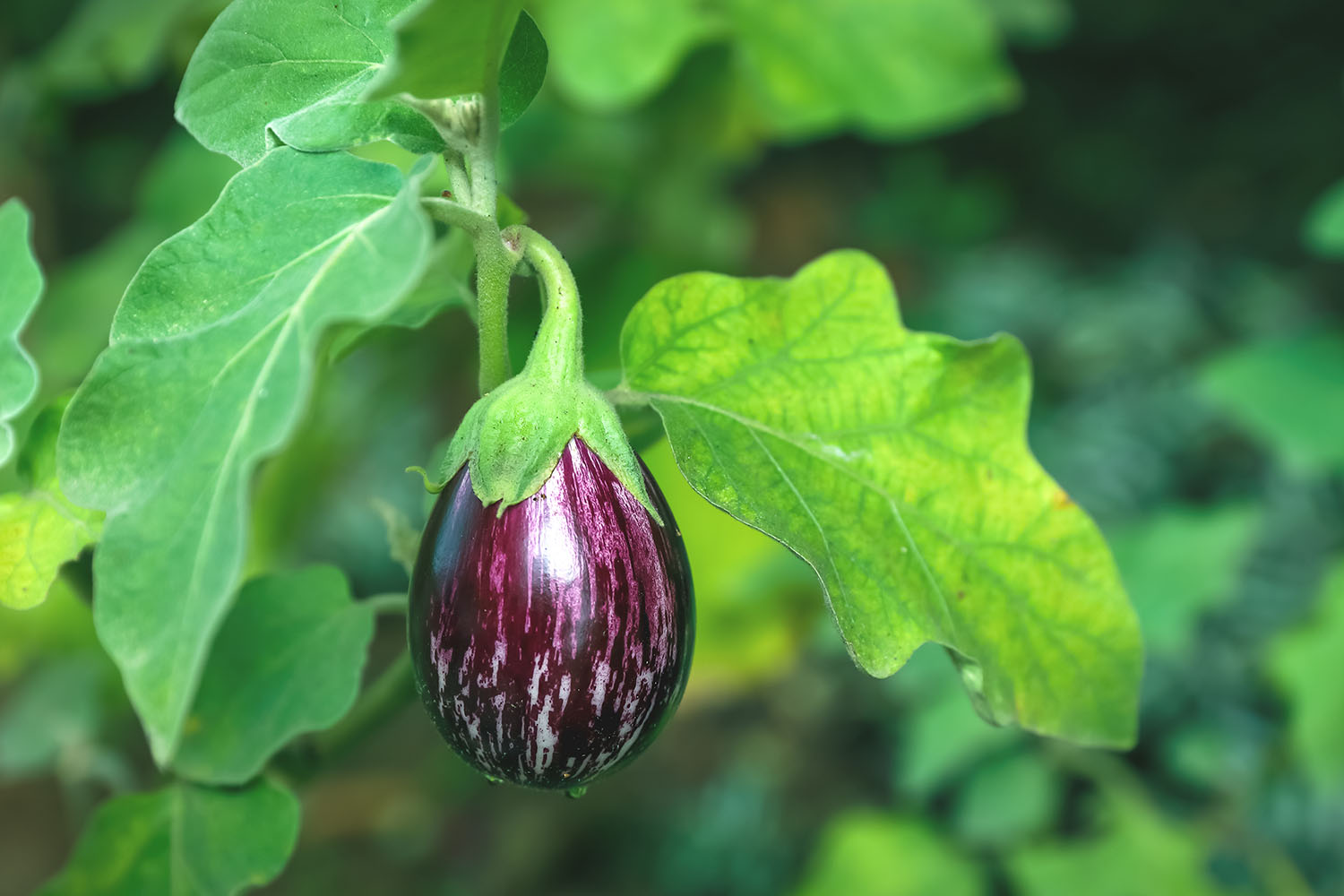
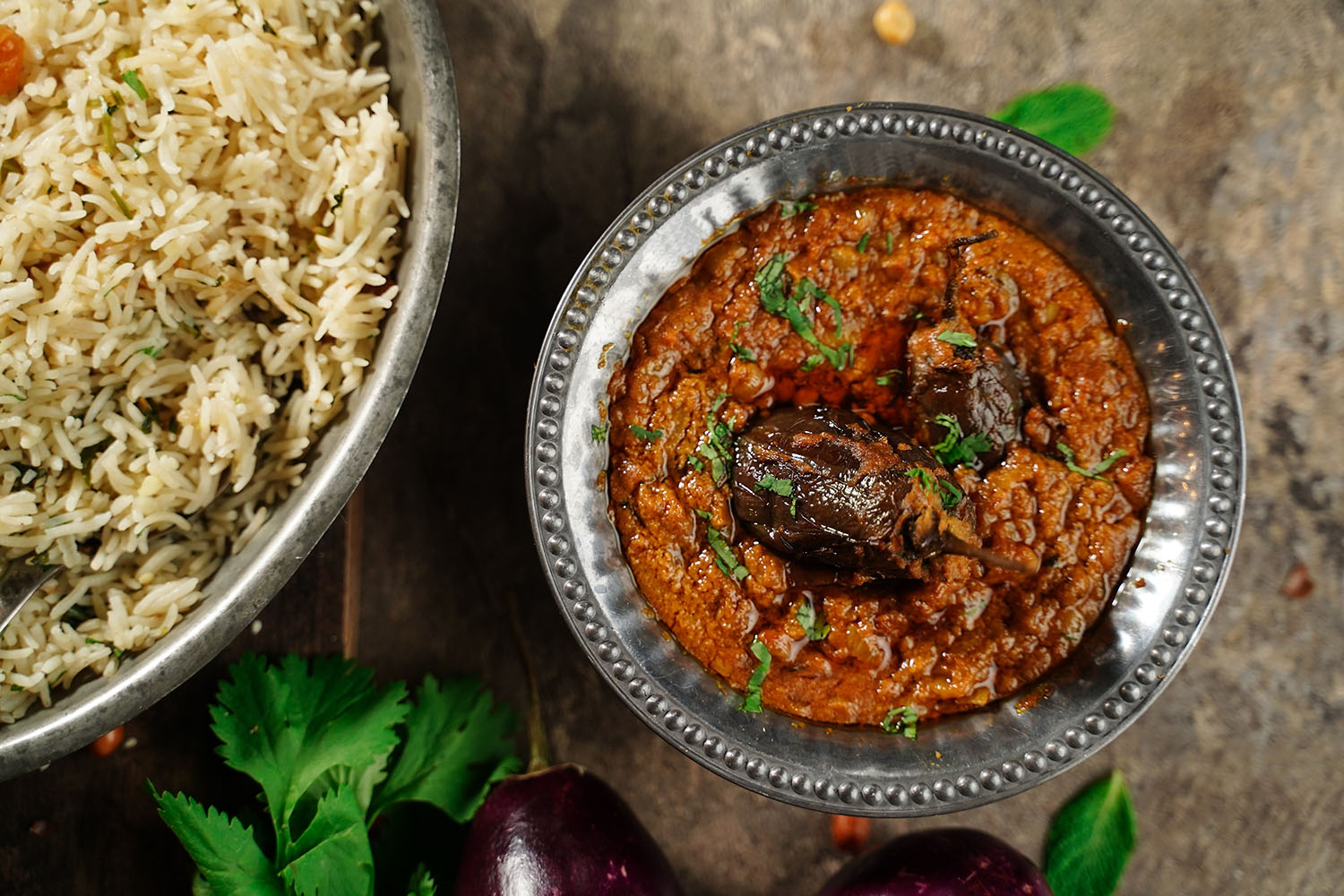
The Indian eggplant is an increasingly rare phenomenon: this eggplant actually looks like an egg. The proportions are perfect, though it’s still an alarming shade of purple. They used to be egg-white, centuries ago, but those little, pale 🍆s didn’t travel well. They bruised easily – a condition we should all sympathise with. This O.G. aubergine has a more complex texture and flavour than its chunkier cousins. This helps keep it the star of the show in the vegetarian cuisines of its home country.
Recommended Dish: Aubergine Curry. The Indian eggplant can reach its full potential amidst a wide variety of cooking techniques. As long as you bring the heat and know how to use it, you’ll get results. If you want to keep with tradition, though, try an aromatic curry with garam masala. The only downside is the eggplant’s size – a mere 2 inches. But you know what they say, ‘any more than a mouthful is wasted’!
American
Fat, vulgar and taking over the world, the American eggplant is as American as it gets: bred for size, and with poor taste. It could only be more ostentatious if it were in a red cap. This monstrous vegetable is a grower and a show-er, a purple monster that never fails to please the eye. But, appropriately, its beauty has a bitter undercurrent. You may encounter recipes that demand you scrape an eggplant’s skin with salt. This is the fault of the American variety, which has a nasty aftertaste if not process in this way. Rubbing any other 🍆 with salt is not recommended.

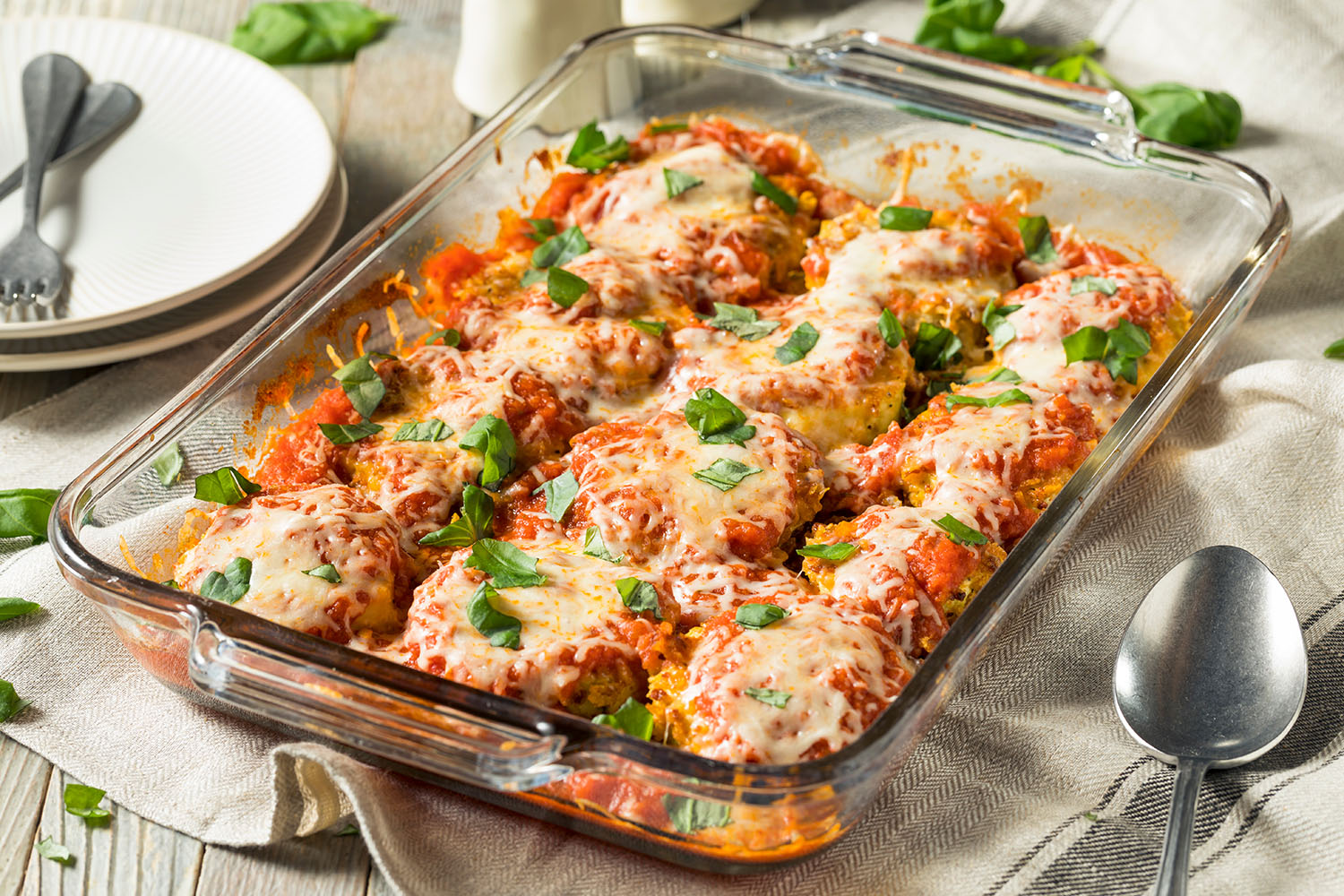
Recommended Dish: Eggplant Parmesan. As with many great U.S. recipes, the quintessential American eggplant dish has its origins overseas. An ‘Eggplant parm’ is as tasty as it gets, thanks to a combination of Italian cheese and marinara sauce, applied with all the delicacy you’d expect from an American dish.
Italian
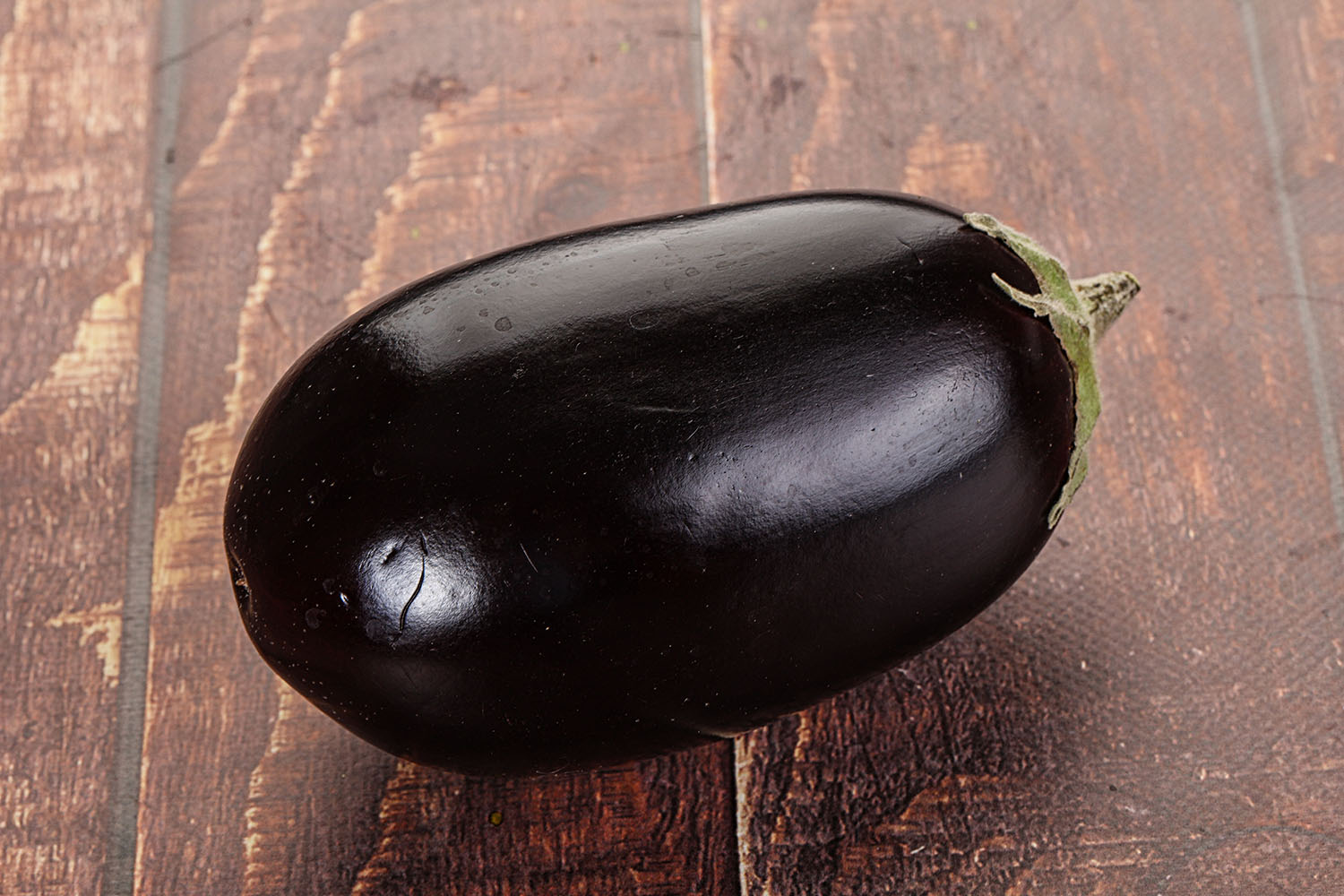
Sometimes called ‘baby eggplant’ (but not to its face), it looks like its bigger cousin, the American 🍆, only smaller and more slender. And, let’s be honest, who needs a thick and unwieldy monster when a more refined and sophisticated contender is available?
The Italian Eggplant is a star ingredient in not only Italian cuisine but also the entire Mediterranean. Whether it’s Greek Moussaka, Sicilian Caponata, or Lebanese Baba Ghanoush, these 🍆 can hit all the right spots!
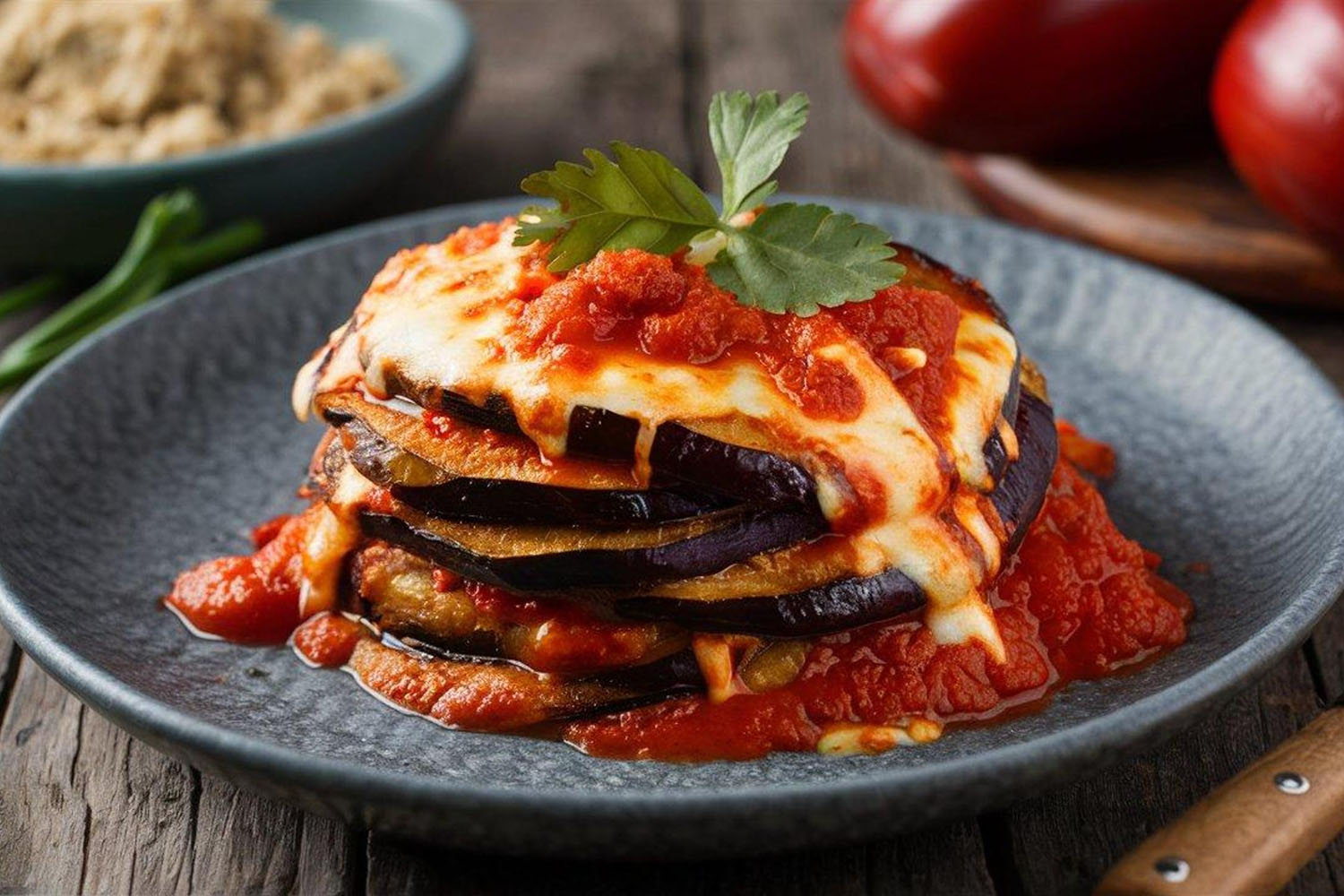
Its dark and shiny skin is slightly thin with few seeds, and it boasts a gentle sweetness and more tender texture. They are ideal for romantic roasts where they can suck up all that juicy flavour. While this 🍆 is confident enough to be the centre of attention of any dish, without the proper supporting accompaniments, it might let you down. You’ll want to use salty components, such as pancetta, olives, Feta or Parmigiano cheese, or classic companions, such as tomatoes, basil, and garlic, to avoid a night of disappointment.
Recommended Dish: Melanzane alla Parmigiana. This impressive and climactic dish, involving basil, tomato, and cheese, will turn heads and elicit numerous hand gestures. Whether obscene or not depends on how well you’ve prepared your 🍆.
Chinese
Now there’s an image! If you have ever wondered why an emoticon that looks like a kidney makes us think of a… another organ, perhaps the Chinese eggplant is our answer. Freud would have a field day with this meaty truncheon. It’s long, strong and a positively throbbing shade of light purple. China has the highest concentration of 🍆s in the world, nearly 60% of the world’s production. If you live outside its home country, you are still likely to spot this variety. Grab them if you see them; they need less preparation and taste better than many alternatives.
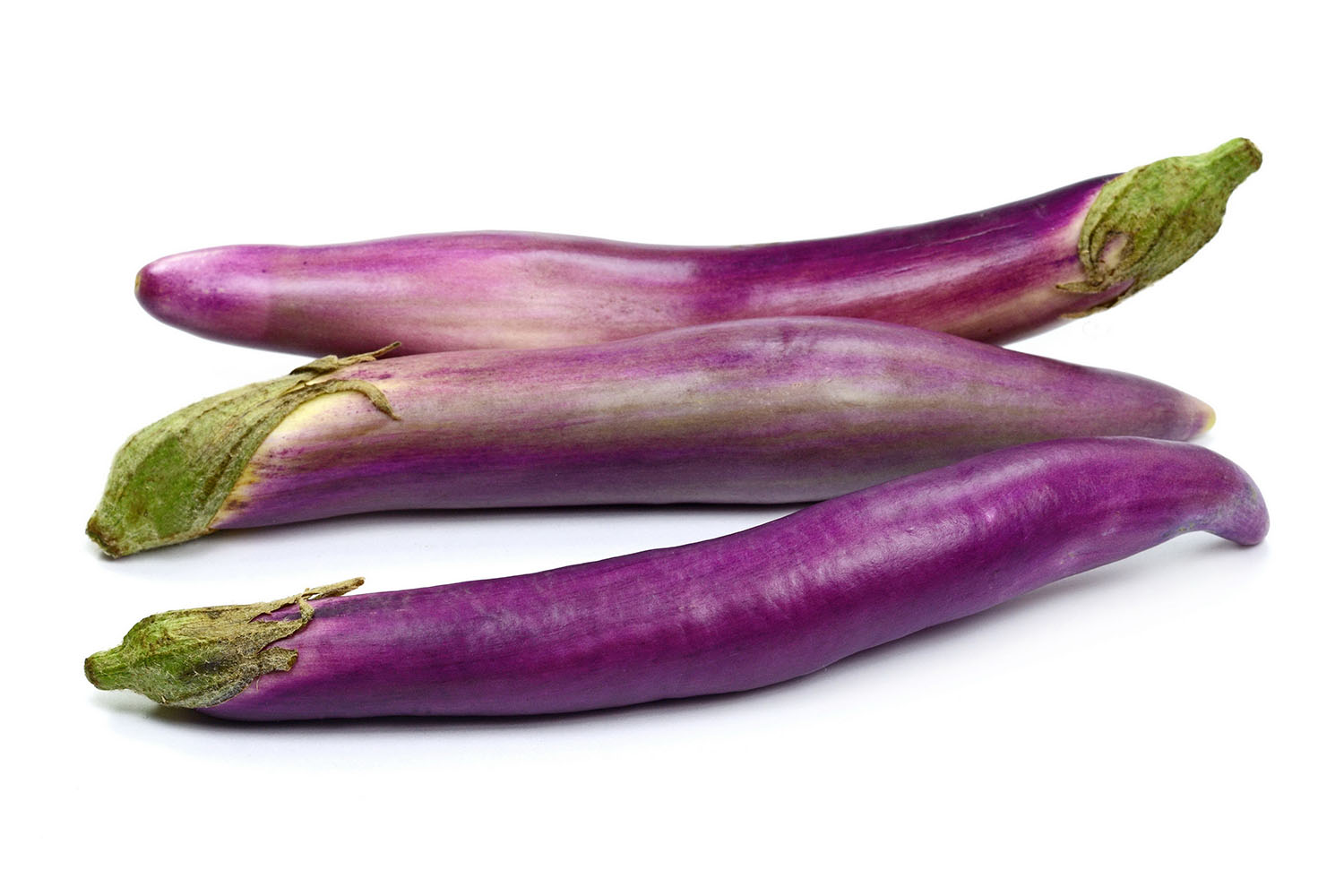
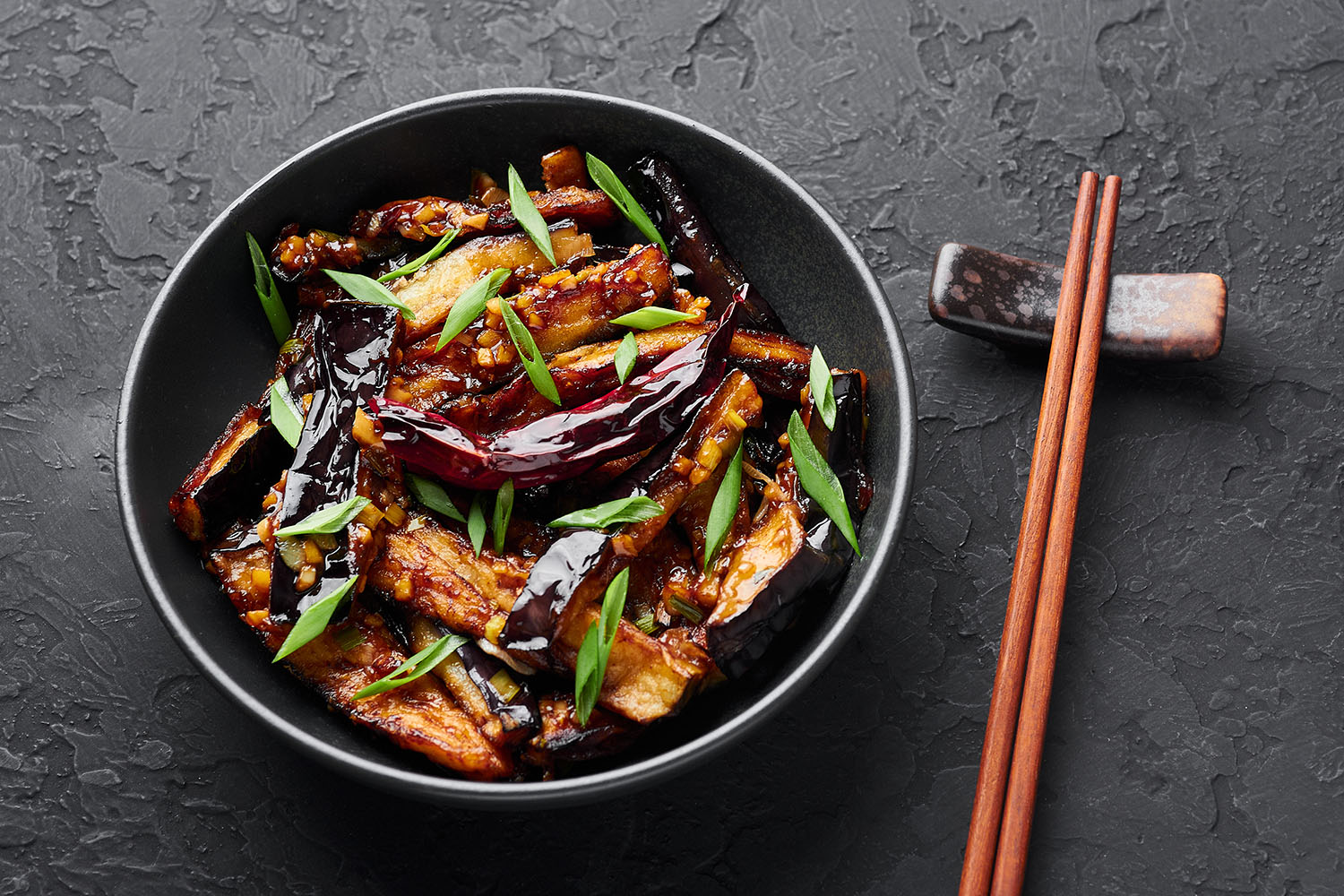
Recommended Dish: Eggplant Stir Fry. This mouth-watering rod can also take a beating, standing up to hot and fast stir fries or slow and steamy, well, steaming. These techniques would turn a lesser eggplant into mush with disappointing speed. It almost seems a waste not to play to this strength, and they pair perfectly with the bold flavours of ginger, garlic and Chinese soy sauce.
Japanese
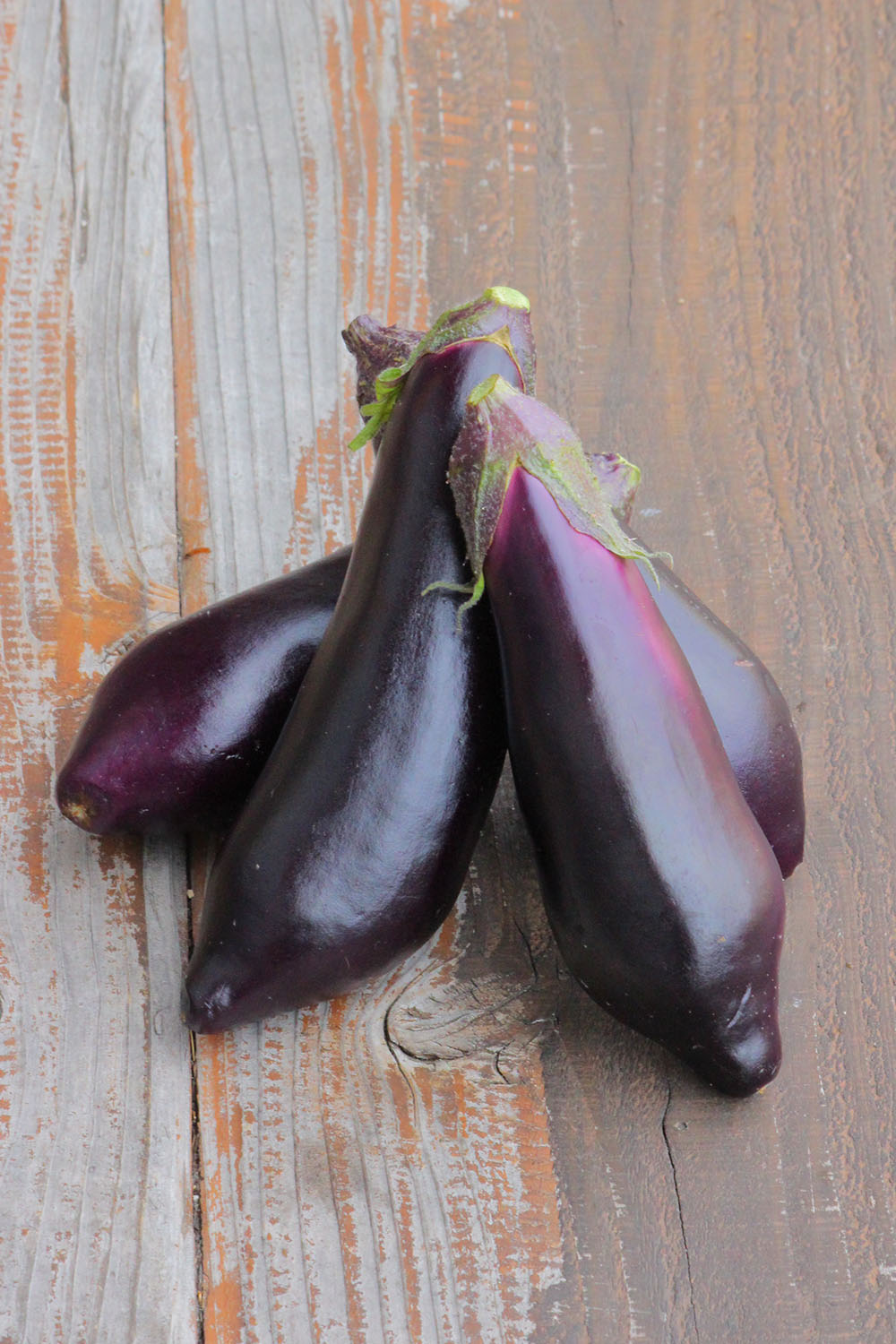
Modest, polite, and almost always found with a bowl of rice, the Japanese eggplant perfectly encapsulates the land of the rising sun. But don’t let its smaller girth fool you! Despite their unassuming size, these diminutive 🍆 will hit the spot just right.
Its immaculate and porous skin boasts a deep purple colour. The mild and subtly sweet flesh inside is almost seedless, velvety, and spongy, making it perfect for sucking up all those juices and flavour. It practically melts in your mouth. Speaking of flavour, these gentle eggplants pair well with bold and assertive ingredients, such as ginger, garlic, or soy, creating an aromatic infusion. Whether the star of the plate or as a complementing side dish, the Japanese eggplant will certainly satisfy!
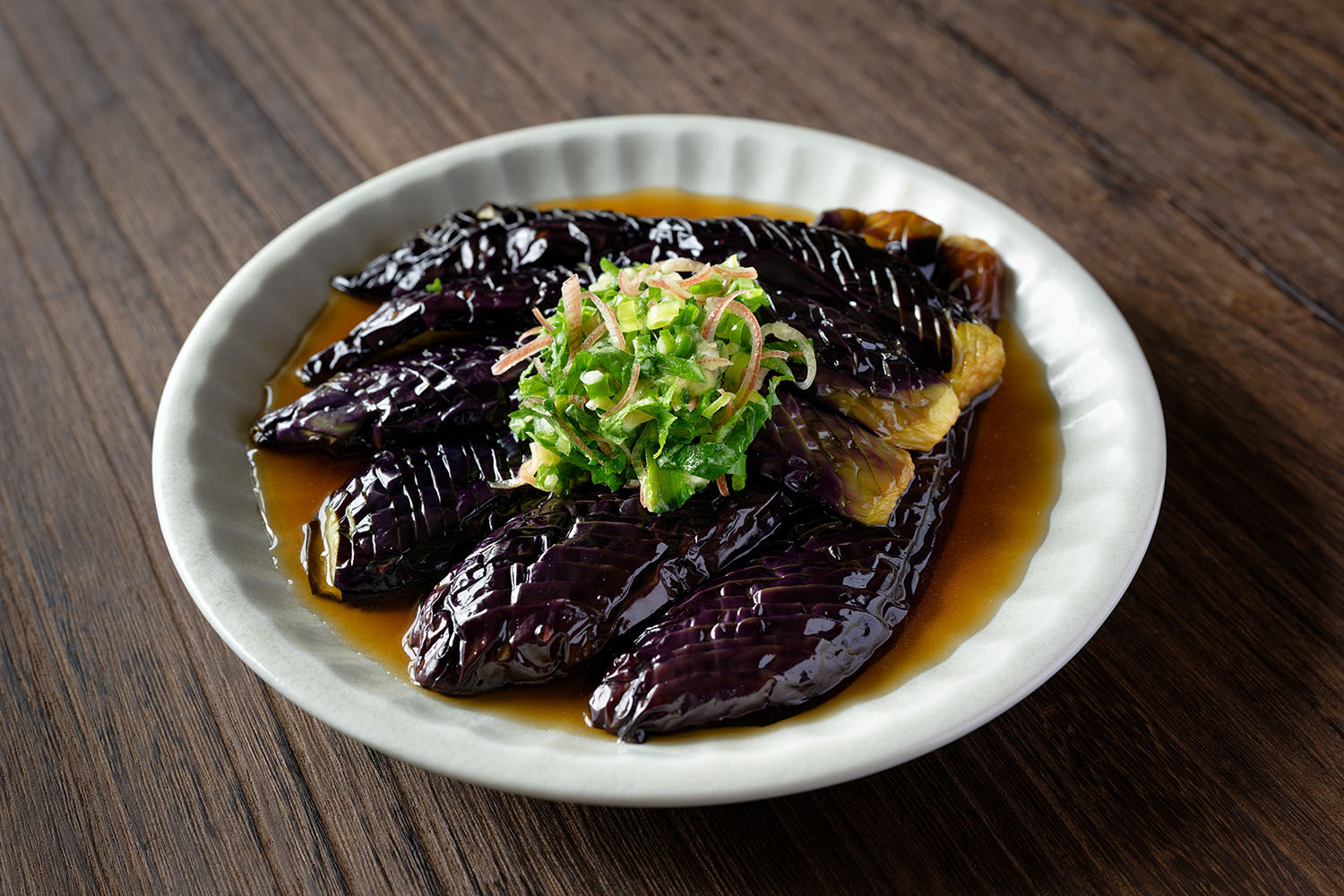
Recommended Dishes: Agedashi Nasu. First, you deep fry the eggplant and then soak it in a rich dashi sauce. This dual cooking method ensures double the pleasure and double the fun!
The Verdict?
Our time online might lead us to believe that eggplants don’t come in all shapes and sizes. But next time you’re hungry, spare a thought for all these wonderful 🍆s. Eggplants aren’t just a lewd joke. They’re a botanical and culinary miracle… and a lewd joke!
Whether you’re in the mood for something exotic and mysterious or something more traditional and reliable, there’s a 🍆 out there for you! Remember, it’s not just about the size, but it’s how you use it!





Comments are closed for this article!