
When film students from the University of Malta teamed up with scientists, they uncovered previously hidden stories and created documentaries that bring Malta’s lesser-known histories and research to life.
Have you ever heard this piece of advice: ‘Make sure that you go to the coffee break, because that’s where the real work is done’? I follow this little nugget of wisdom when attending conferences and other similar meetings, but judging by the coincidence that sparked the project featured in this article, it might do everyone good to take plenty of coffee breaks daily. The whole idea of having film studies students make documentaries about scientific research was hashed out over coffee in the academic staff’s common room.
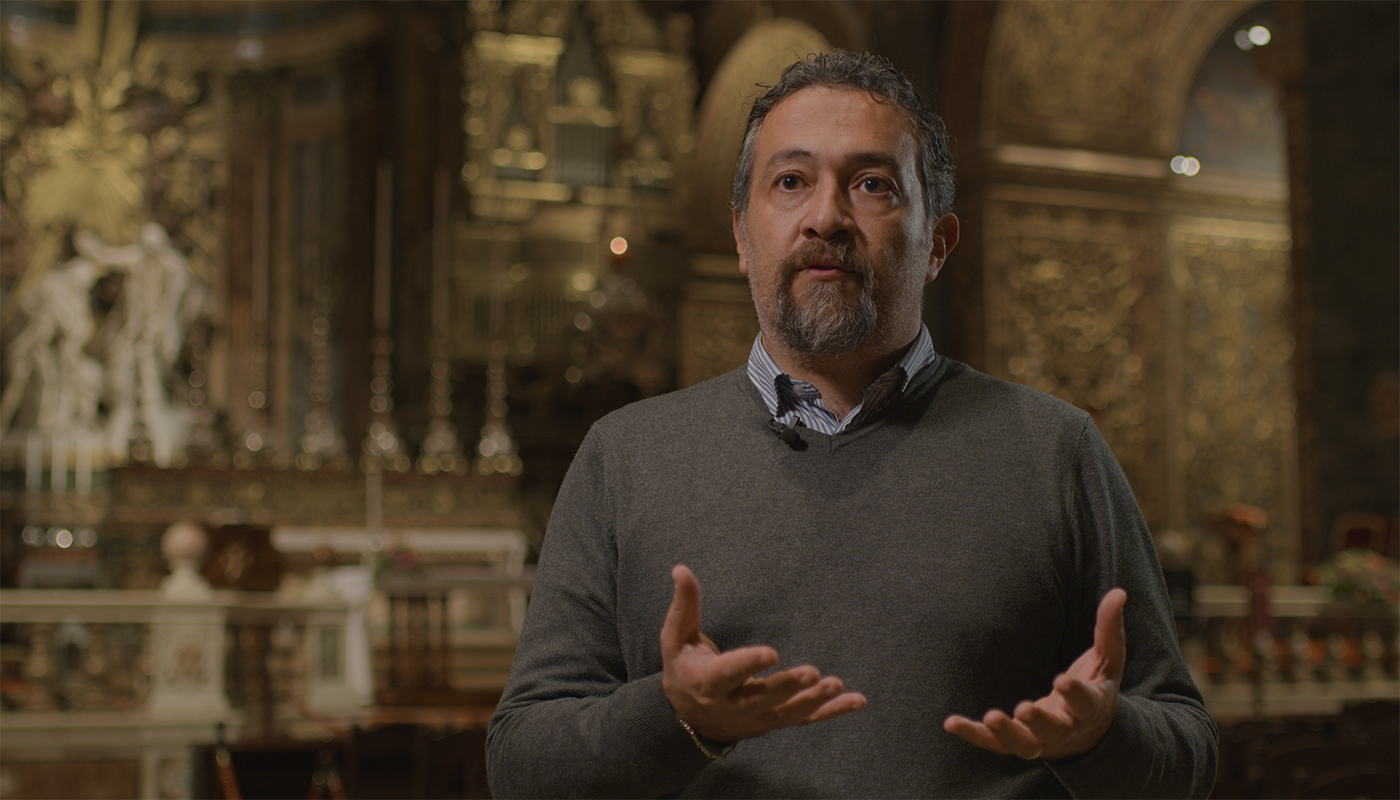
The coffee break was had by Prof. Sebastiano D’Amico from UM’s Department of Geosciences and Dr Fabrizio Foni, lecturer on the Master of Arts in Film Studies course and academic from UM’s Department of Italian. It occurred to them that D’Amico was doing cutting-edge scientific research in historic and artistically significant places that deserved to be shared with the general public. Foni knew that film students would rise to the challenge of making documentaries about said research.
THINK often highlights interdisciplinary projects through its articles. The future of science and research is increasingly heading towards more collaboration, as researchers strive to find solutions to complex and multifaceted problems. Notwithstanding this general direction, inter-faculty collaborations are still rare.
(Photo courtesy of Justin Farrugia)
From Coffee to Cameras
The discussion over coffee quickly transformed into real action. The MA film students produced two short documentaries as part of a new optional study-unit called Science Frames: Popularising Scientific Research through Film. The documentaries were screened to an appreciative audience on 12 May in the Aula Magna, Valletta Campus. A special thanks goes to St John’s Foundation and Din l-Art Ħelwa for granting access to the sites and for their outstanding cooperation throughout. Their support has been invaluable to this project.
(Photos courtesy of Justin Farrugia)
The films have the collective title ‘Unearthing Secrets’. The title is appropriate because both documentaries are about studies that use similar scientific techniques in different locations with the aim of revealing secrets beneath the ground. In that regard, both documentaries start by putting us in the historical context. A soothing voice guides us through the main historical points needed to understand the significance of the work undertaken.
The Chapel of Aragon’s Secrets
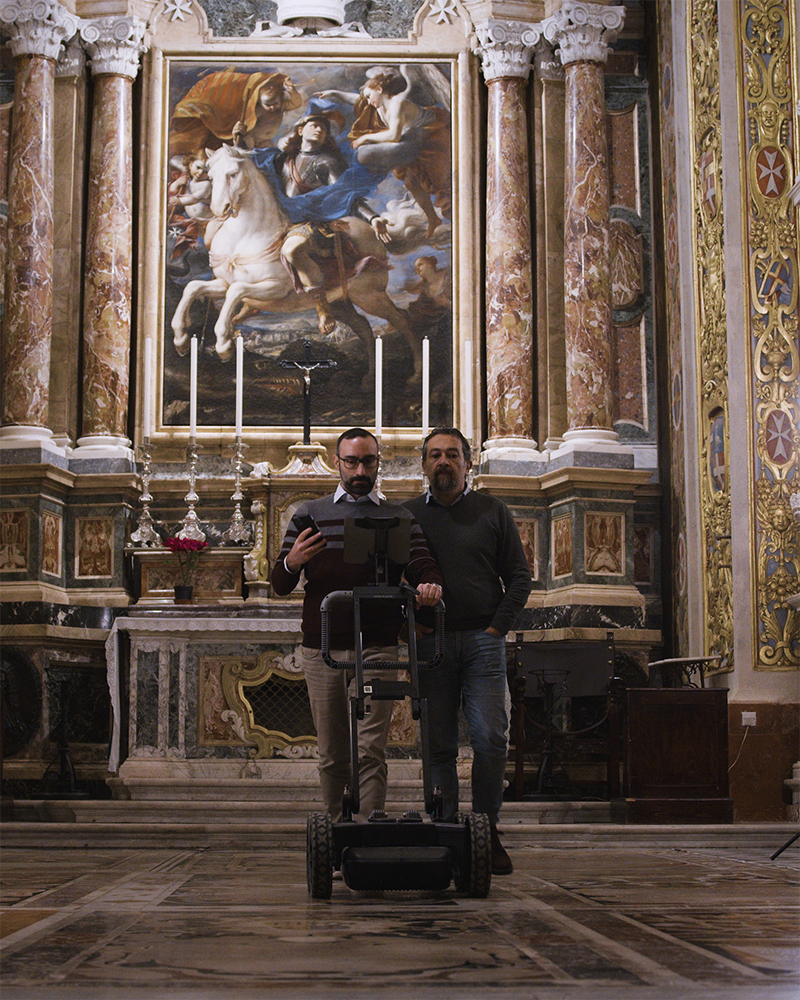
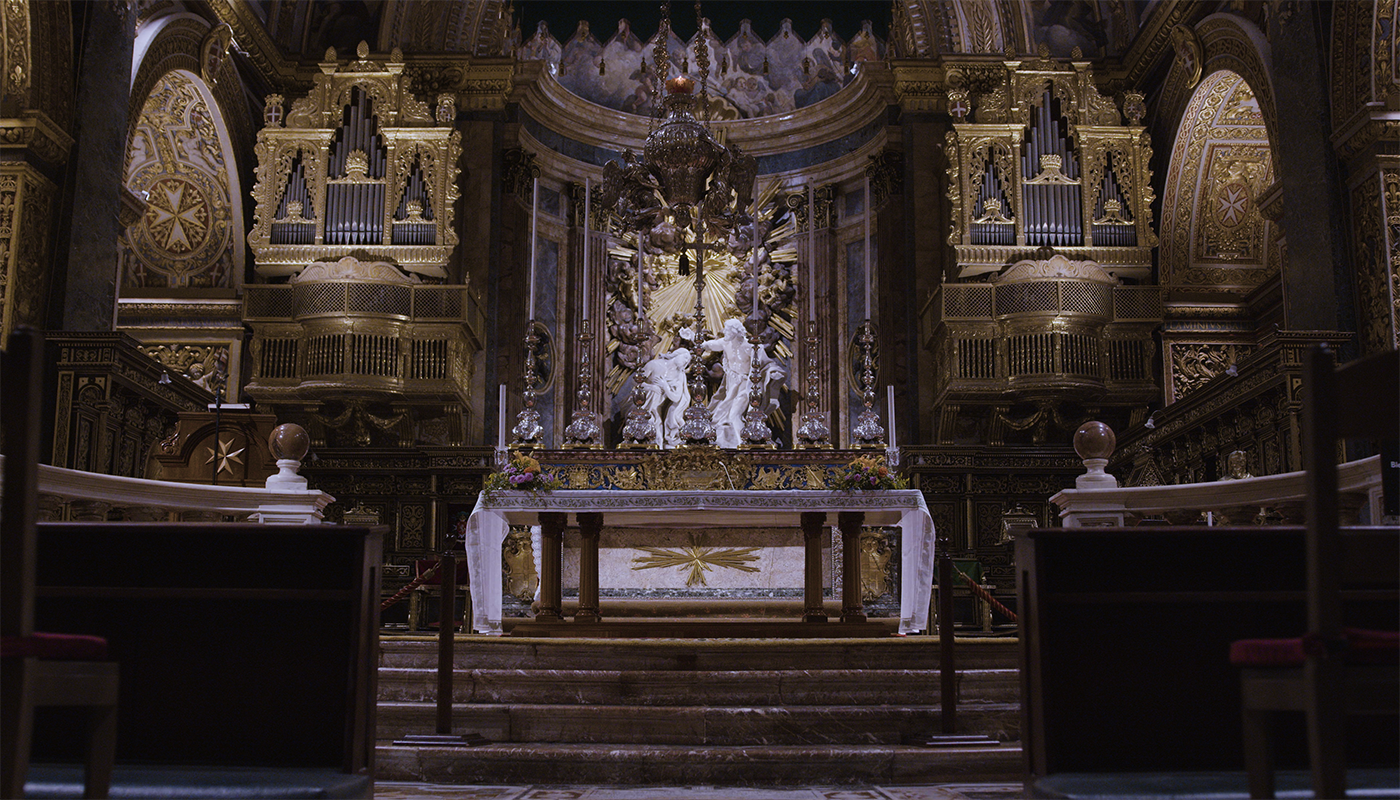
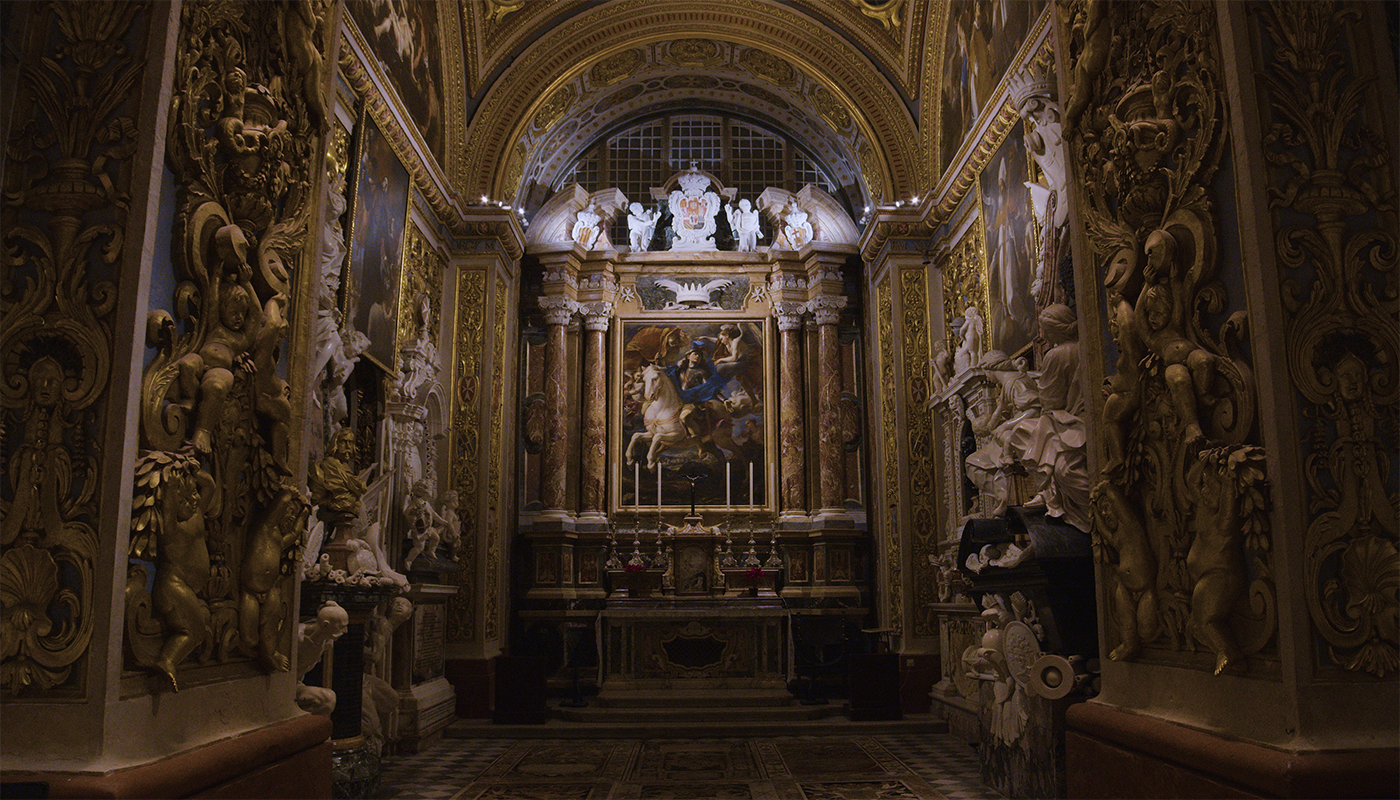
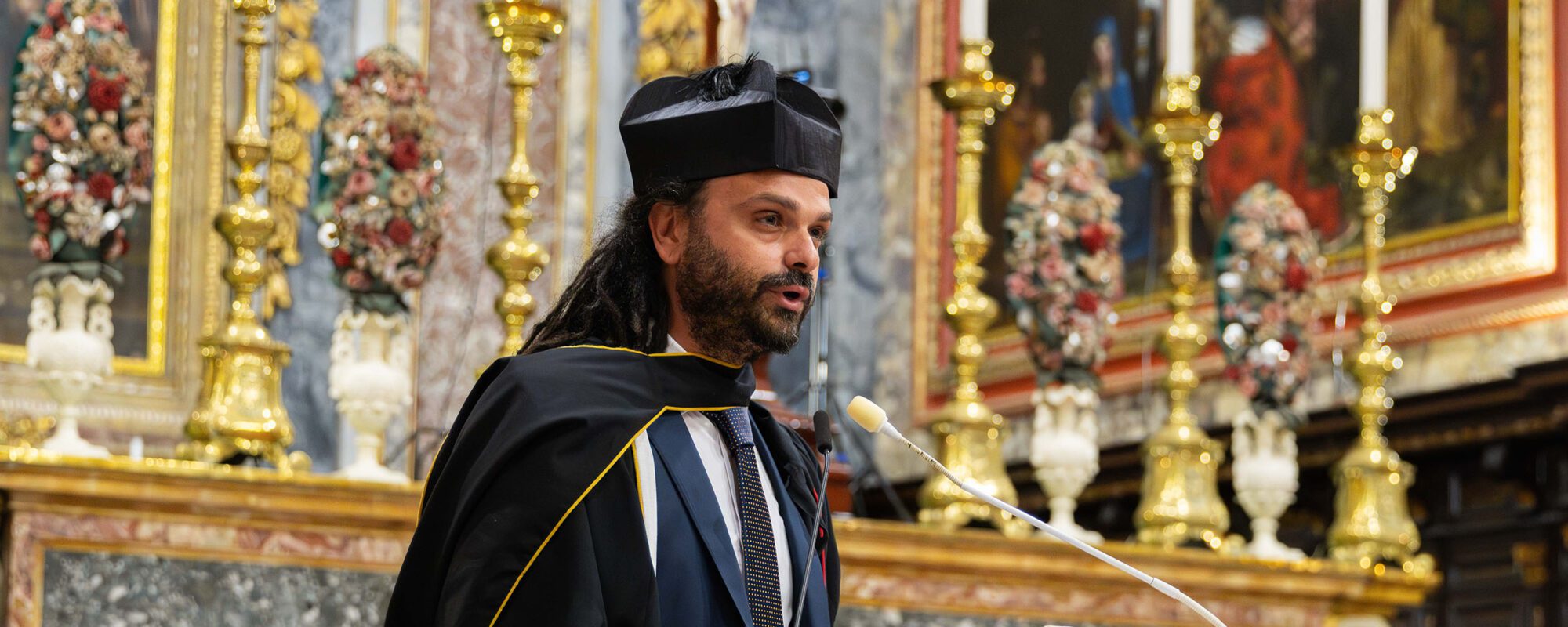
As the camera swoops over St John’s Co-Cathedral in Valletta, we are told that the ornate gravestones that make up the floor only tell half the story of what lies underneath. The gravestones might not indicate the actual location of the graves because these have been moved through history for some reason or other, including for aesthetic reasons. The curators and historians of St John’s Co-Cathedral have sifted through the archives, to try to find out what, or rather, who lies buried underneath the floor of the Chapel of Aragon within the Co-Cathedral, but the information that they found was incomplete. To find out what stories still live underneath the slabs, the help of scientists was needed.
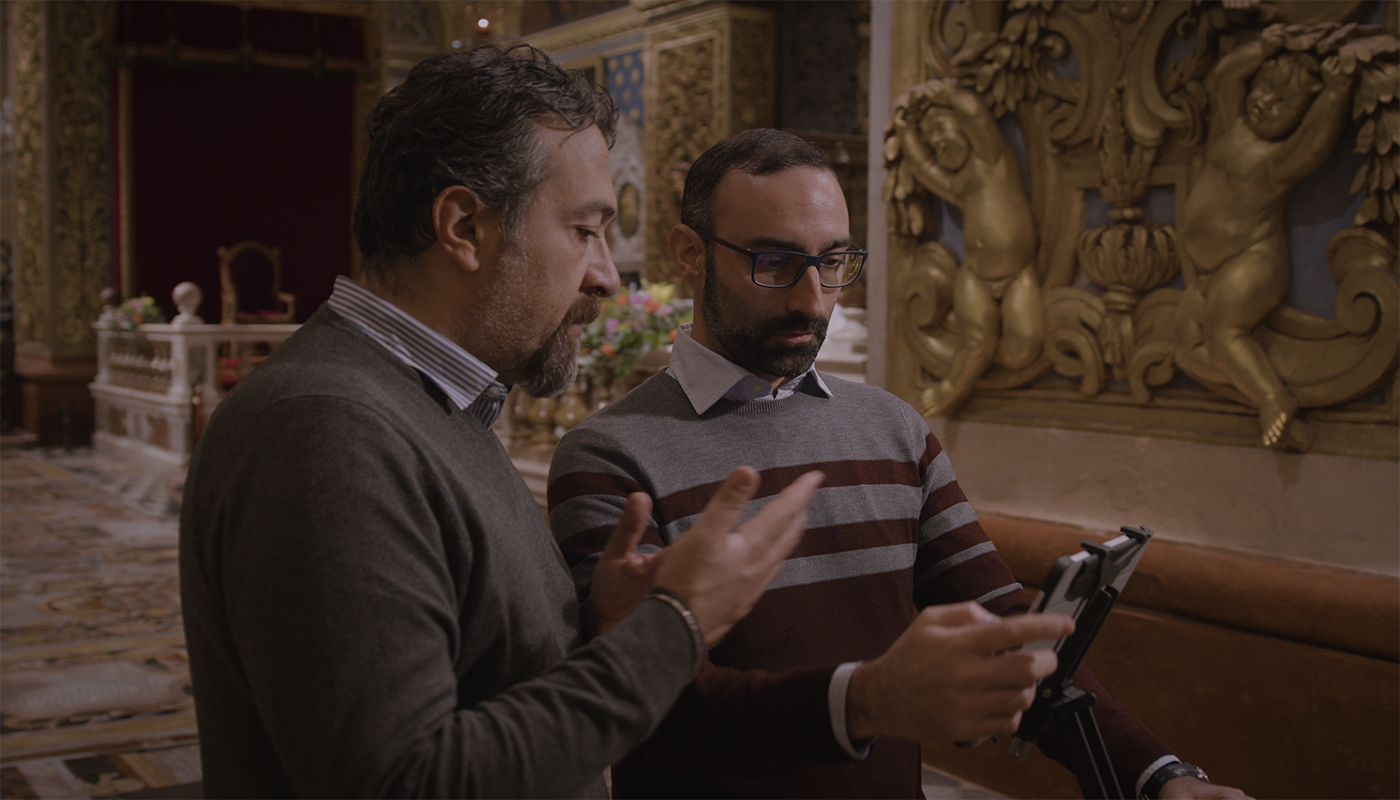
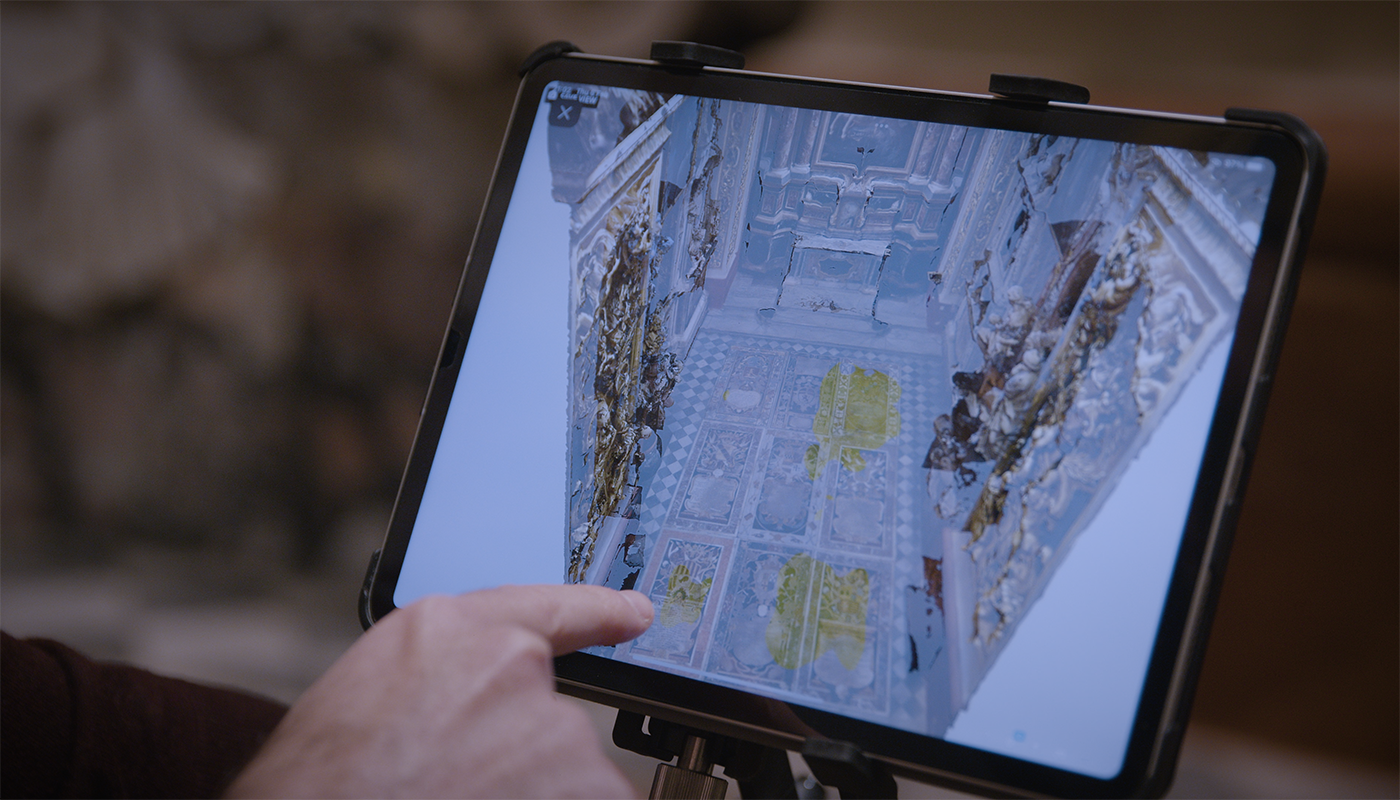
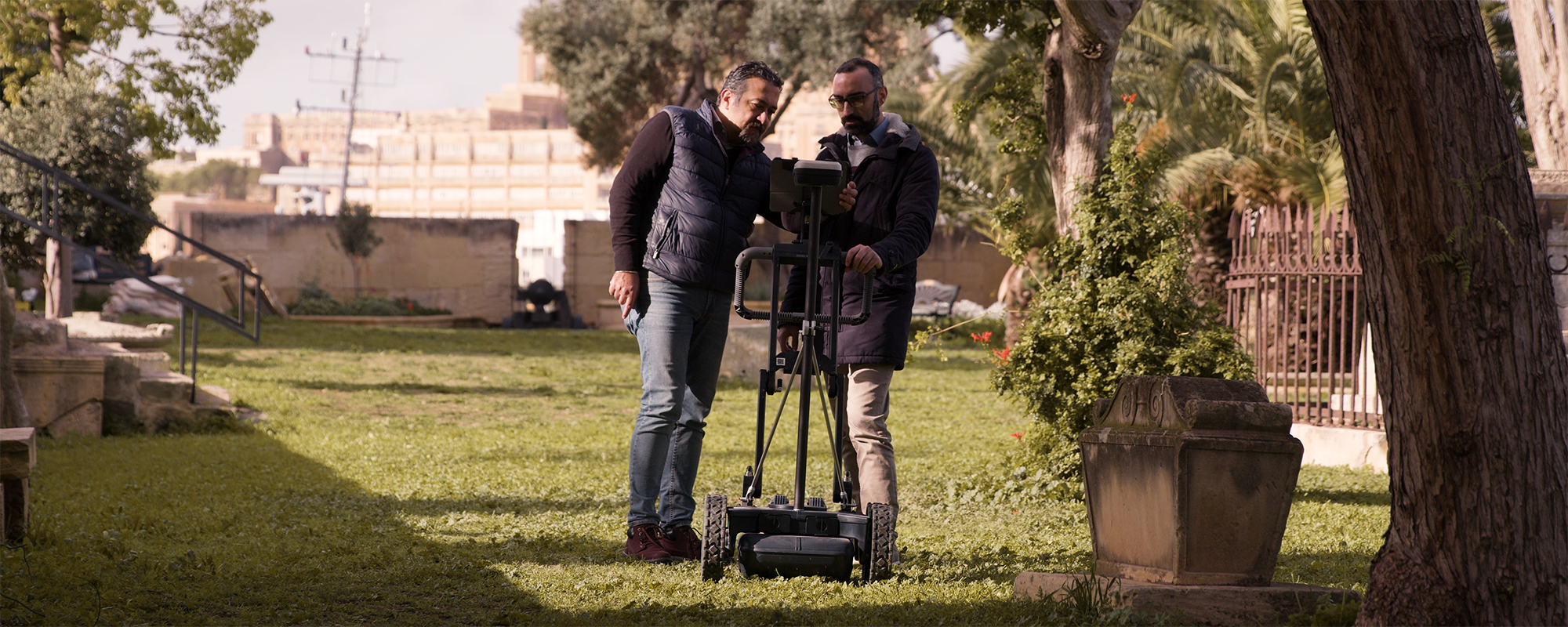
The Department of Geosciences has an instrument that uses Ground Penetrating Radar (GPR) to create images of what lies just beneath the ground’s surface. This makes it the perfect instrument for detecting cavities and skeletons underneath the surface. The images obtained through the GPR survey answered some of the historians’ long-standing questions.
The Msida Bastion’s Secrets
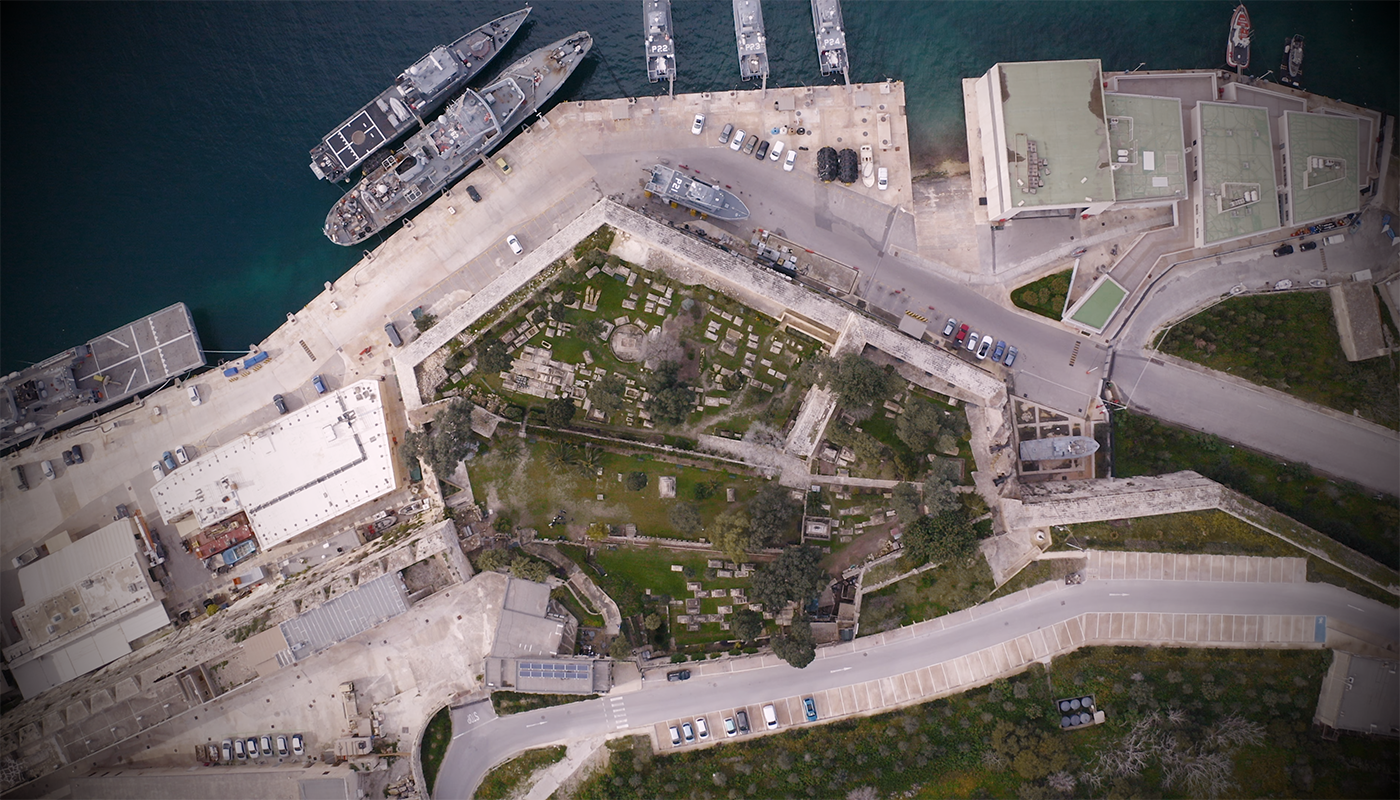
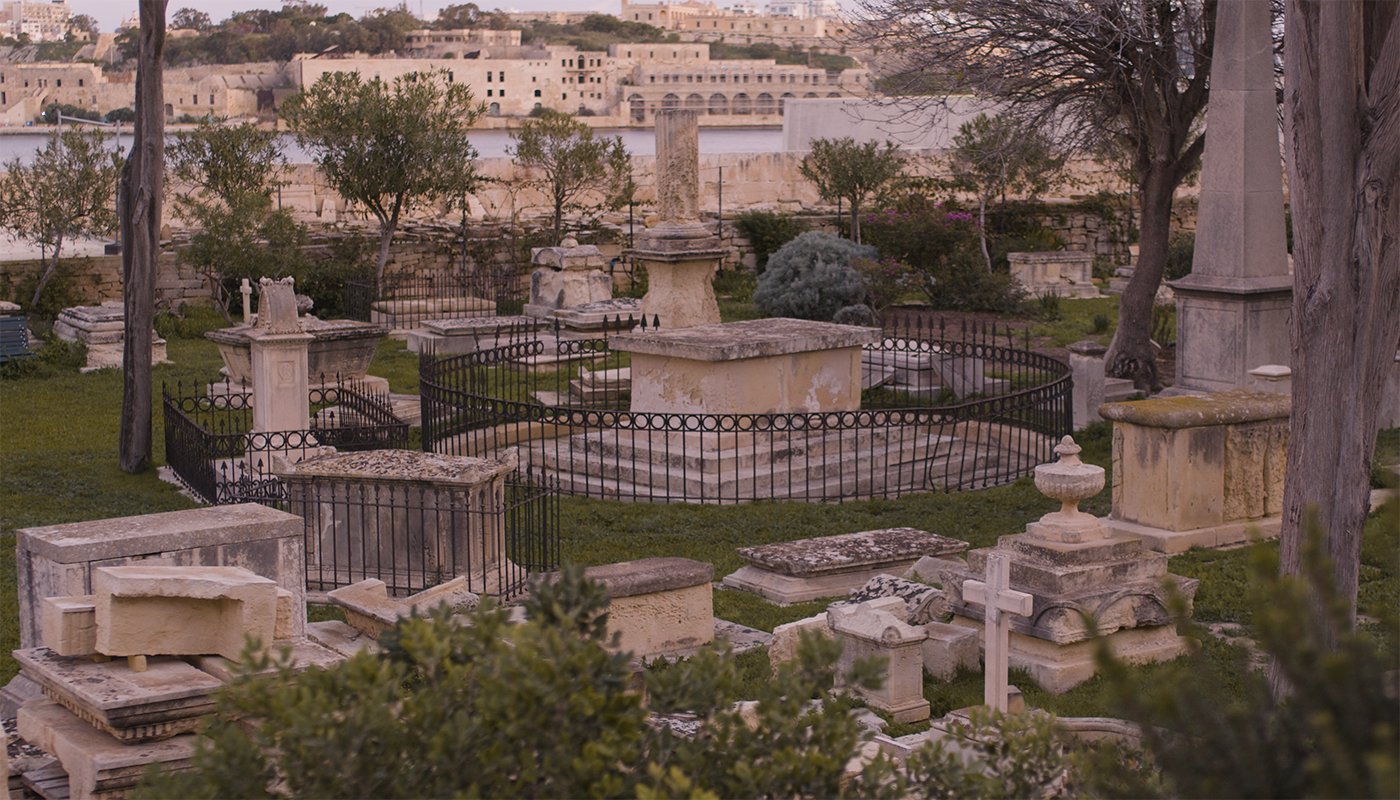
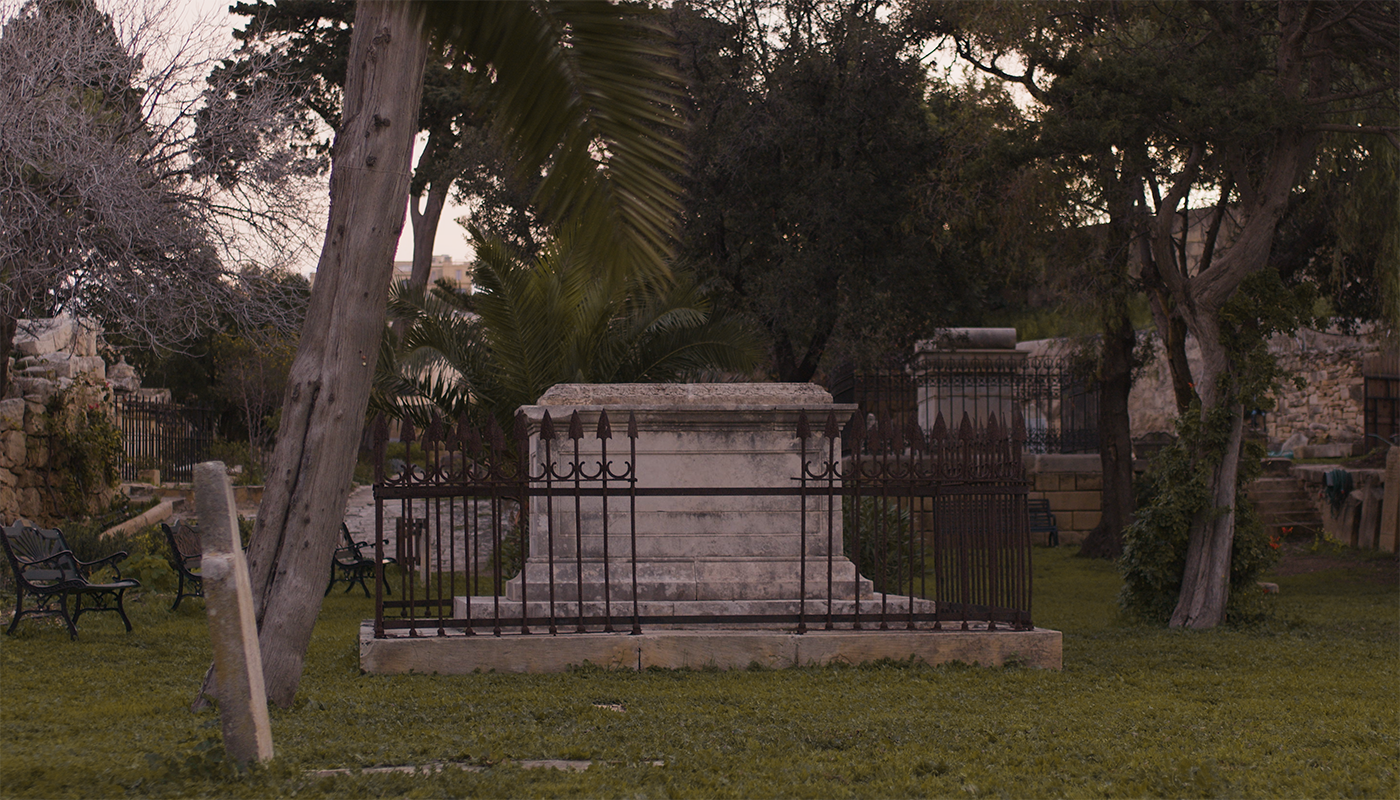
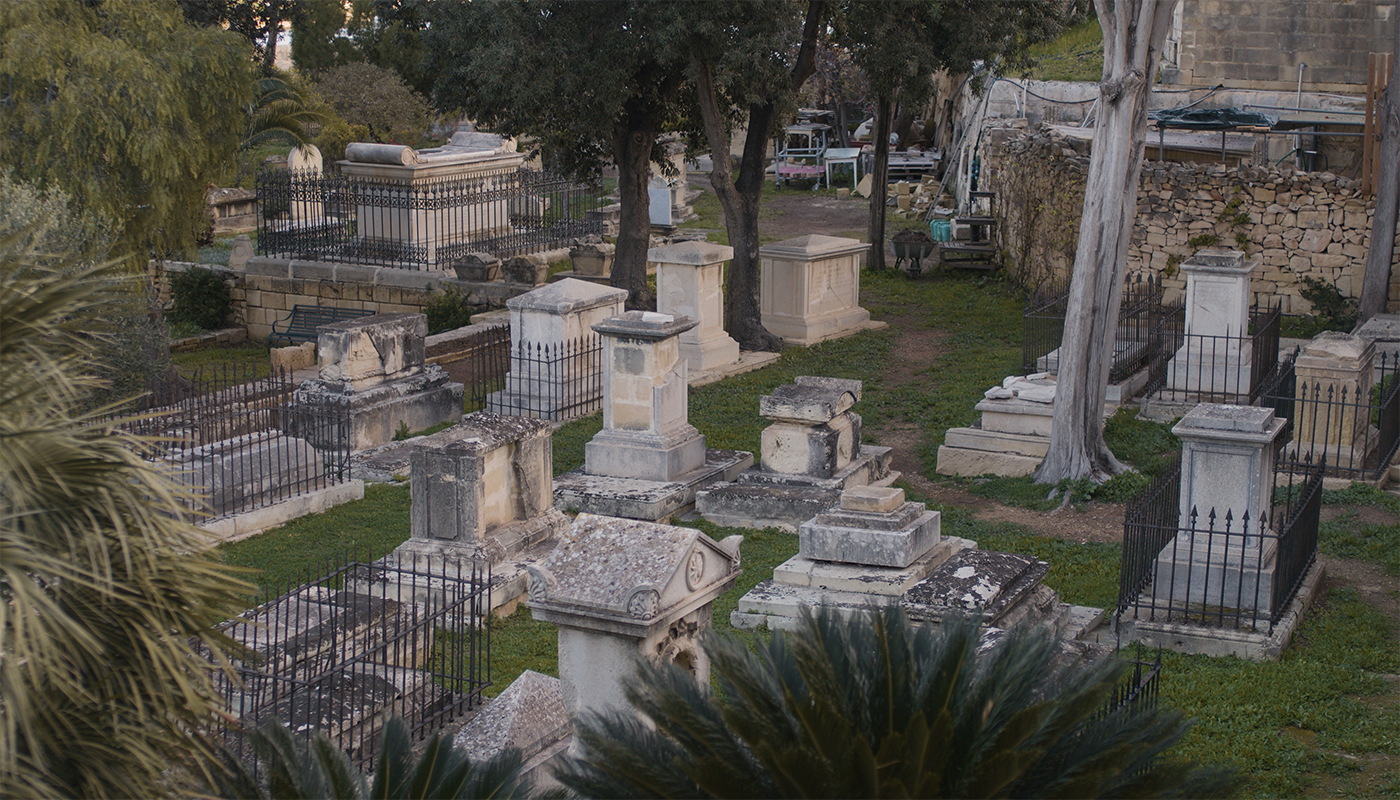
The same GPR method was used in another study, depicted in the second documentary, this time at the Msida Bastion Cemetery. Again, the aim was to unearth the secrets of the dead. This British cemetery requires considerable care and restoration as it has withstood bombing, vandalism, and abandonment. However, the disparate records do not even agree on the number of graves on site. ‘There is so much that we don’t know about the history of this cemetery,’ says the Warden, Paolo Ferrelli. ‘If you scratch any surface, you find graves.’
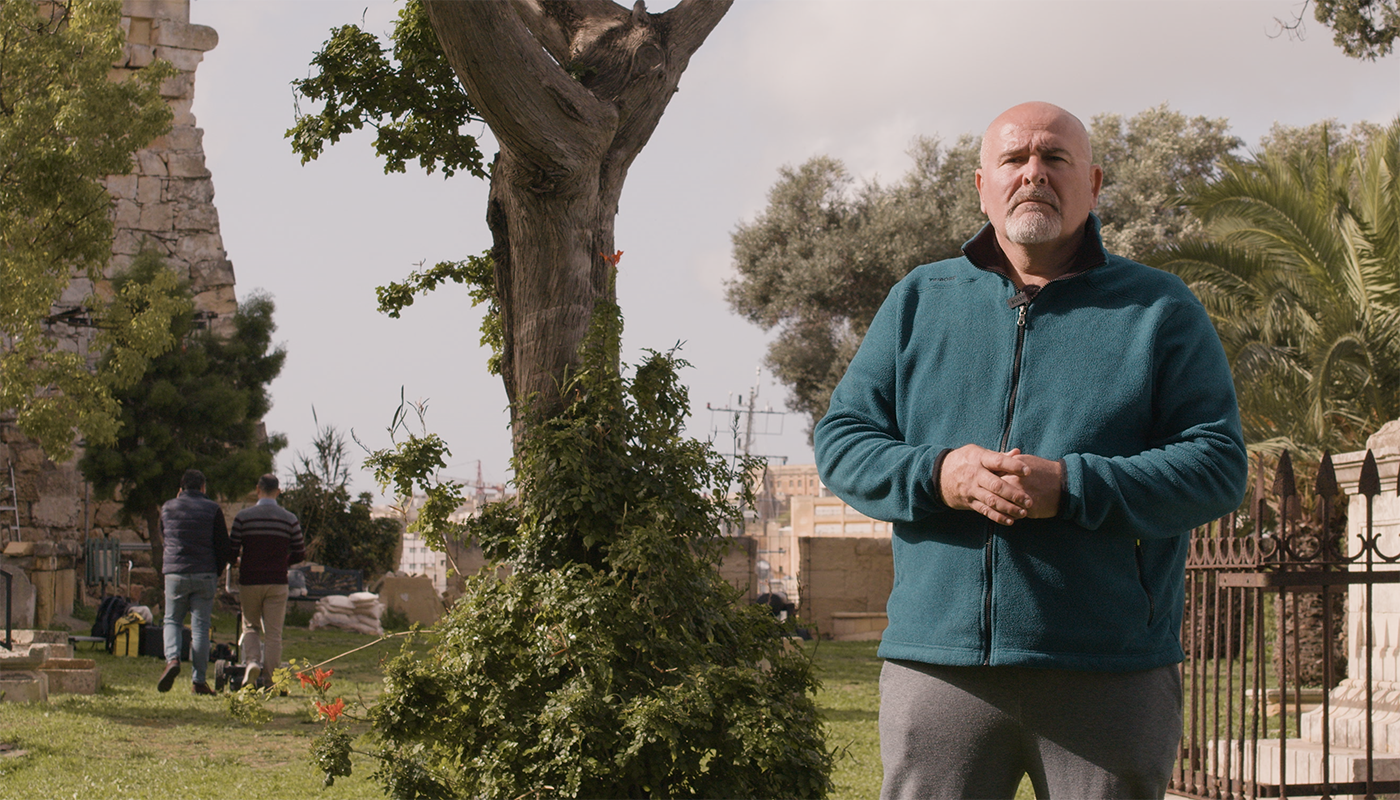
In one absorbing moment in the documentary, we see D’Amico talk with one of the volunteers at the cemetery. This volunteer had spent painstaking hours documenting the dates of death on the different gravestones to try to determine the order of the burials. By figuring out the system used to dig new graves, one can hazard a guess at where the dead might have been buried in areas where nothing remains on the surface. This detailed work helped shape a hypothesis and a surveying plan for the scientists. Thus, together, historians and scientists set about finding some of the 609 graves recorded by Sir Temi Zammit in 1930.
Human Stories
What makes these documentaries compelling is not just the subjects they tackle, but the way they make science visible and human. The documentaries highlight the importance of learning about our national heritage and introduce the dedicated people who are doing this work. Scientific techniques like radar surveys or seismic imaging can be esoteric and technical. But when grounded in stories – of moved tombstones, erased graves, or shifting garden walls – they become part of a narrative that viewers can follow, feel, and appreciate. The graves that lacked large headstones in the Msida Bastion Cemetery and ornate memorials probably belonged to poor people, who deserve the dignity of having as much of their story as possible recovered and preserved. The efforts by historians and scientists are therefore helping us understand our history and humanity.
(Photos courtesy of Justin Farrugia)
This collaborative project comes just in time to celebrate the 10th anniversary of the MA in Film Studies. I encourage you to keep an eye on the MA in Film Studies’ Facebook page to know when the films go online and see whether the science matches with the historical record in both locations, or whether it reveals some new, intriguing information!
Cemeteries to Zombies
Making these short films provided a new set of challenges to the students. Making documentaries requires a different set of skills from those needed to make narrative films. For some, it was a challenge they had not considered trying before the opportunity arose through an optional study-unit. However, thanks to the support of Justin Farrugia, an alumnus of the MA in Film Studies and an accomplished professional filmmaker, the students received guidance during the pre-production, production, and post-production phases.
The making of these documentaries was a completely voluntary endeavour that the students undertook in addition to all their other coursework. Unlike their other coursework, this was experimental territory, and the students had to work quickly and be entirely hands-on. They had just two days to capture all the necessary footage inside the historically sensitive sites. Time was short, and the learning curve was steep.
One of the biggest challenges, according to several students, was the crash course in scientific research. To tell these stories convincingly, they needed to understand the basics of GPR, seismic surveys, and archaeological methodologies. That meant learning scientific concepts quickly, then translating them visually and narratively for a general audience, all while dealing with the usual pressures of filmmaking.
They began with a storyline in mind – a pre-production framework – but once they arrived on site, much of that went out the window. The process of documentary filmmaking demanded flexibility and adaptability. Real-life settings didn’t always cooperate, presuppositions were destroyed, and the unfolding scientific and archaeological work sometimes rewrote the narrative.
It took a lot of effort, but Foni remarked that no matter what challenge the lectures throw at them, ‘Students keep coming back like zombies. They love the work!’
Beyond the Curriculum
These student-made films mark the beginning of what could become a wider trend of using different methods to bridge the gap between scientific research and public understanding. There are already tentative plans to expand the project, producing longer, more ambitious documentaries and sharing them with a broader online audience. But even in its early stages, the initiative stands as a compelling example of what can happen when disciplines intersect.
As Prof. Gloria Lauri Lucente, the coordinator and designer of the programme, put it, this work exists ‘beyond the curriculum and beyond the field’. It’s more than a teaching exercise – it’s a blueprint for cultural engagement, showing how education can extend beyond the classroom to connect people with history, science, and one another.
Future Frames
As scientific studies grow more specialised, it’s vital that the general public becomes aware of the discoveries happening around them. Indeed, it is vital that non-scientists understand that high-quality research is being carried out across multiple fields in Malta. Projects like this bridge that gap, turning data into stories and researchers into storytellers.
The MA in Film Studies is sponsored by the Malta Film Commission. Applications for the Master’s course are currently open. To learn more about the programme of study and how to apply, follow the link here. And, if you’re curious about taking up the study-unit by itself, we’ve got some good news – it will soon be available as a microcredential!

Comments are closed for this article!