

Just a few years back, mobile phones could make and receive a call, store a few numbers, and that’s it. That’s all they could do. Over the last few years, phones have grown ‘smarter’; they can surf the web, take photos, keep up-to-date on Facebook and Twitter, play games and music, read books and much much more.
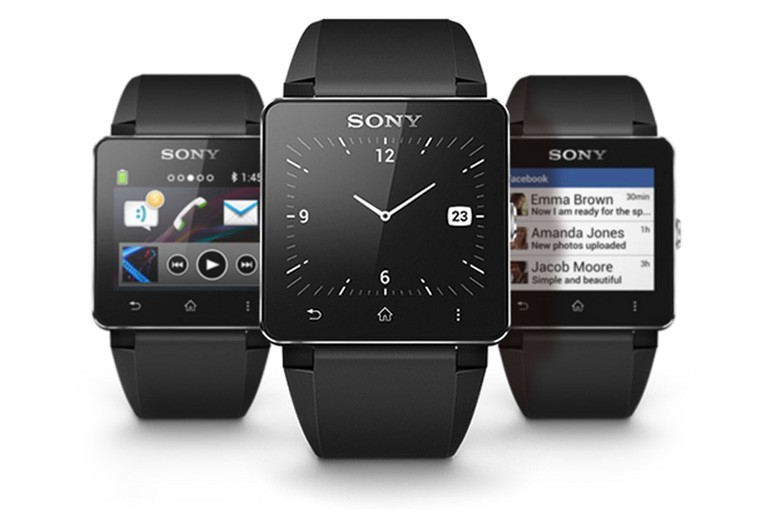
Many argue that our watches are next in line for such a transformation. And considering the excitement brought about by the recent announcements of the smartwatch from Samsung, the Galaxy Gear, few will argue against that. Samsung is not the only player vying for the big potential return of smartwatches. Another heavyweight in the technology business, Sony, has been on board for a few years and have just announced their SmartWatch2.
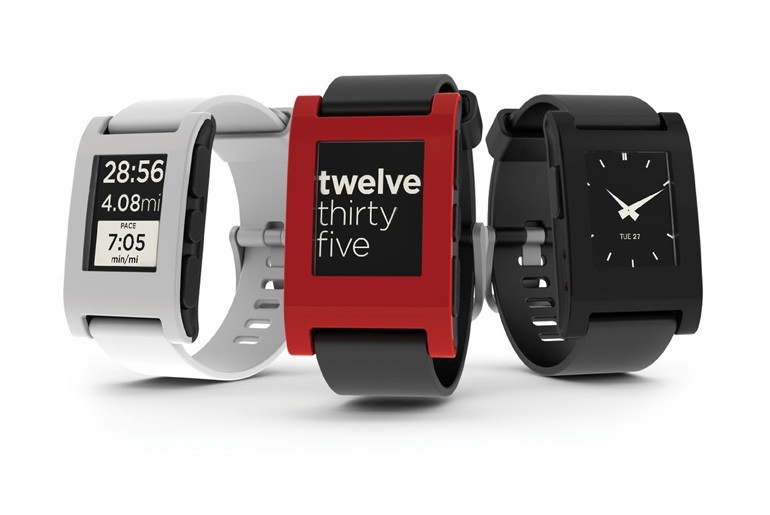
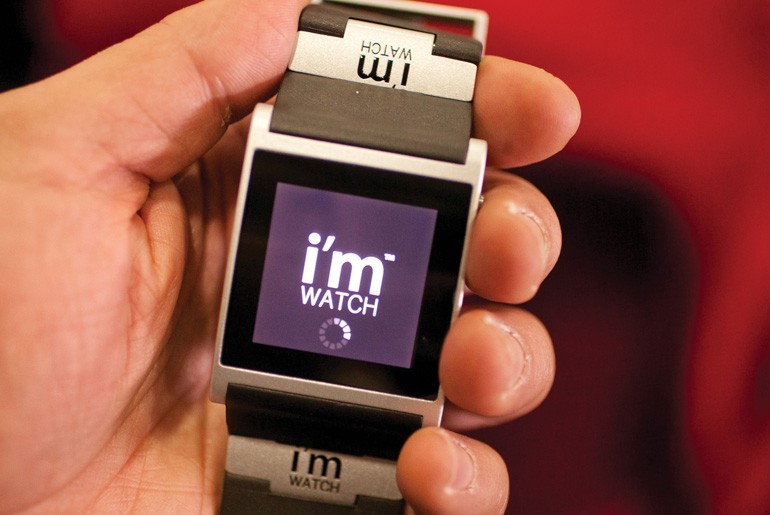
Many small start-ups have also joined the furore delivering watches such as the Pebble, the Martian Passport, the Kreyos Meteor, the Wimm One, the Strata Stealth and the rather unimaginatively named: I’m watch.
All these smartwatches provide basic features such as instant notifications of incoming calls, smses, facebook updates, and tweets through a bluetooth connection with a paired phone. They often also allow mail reading and music control.
With so many players and no clear winner, the technology still needs to mature. Sony and Samsung use colour LED-based displays. Their setbacks are poor visibility in direct sunlight and a weak one-day battery life. Others use electronic ink, the same screen as e-readers, with excellent visibly and much improved battery life, sadly in black and white or limited colour.
User interaction also varies. While the Pebble and the Meteor favour a button-based interface, all other players utilise touch and voice control.
The differences do not stop there. Not all watches are waterproof – and do you really want to be taking off your watch every time you wash your hands? Also, some watches, like the I’m watch, provide a platform for app development, with new apps available for download every day.
One big player is still missing. Rumours of Apple’s imminent entry into the smartwatch business have been circling for a couple of years.
While guessing Apple’s watch name is easy — the iWatch, the technology has been kept under covers. As with other Apple products, their watch will not be first to market. Are they again waiting for the technology to evolve enough to bring out another game changer like the iPod, the iPhone, and more recently, the iPad? Only time will tell.
My biggest problem with any smartwatch available is that none seem truly ‘smart’. Smartwatches seem like little dumb accessories to their smart big brothers — the phones. I am waiting for a watch to become smart enough to replace my phone before jumping on the smartwatch bandwagon.




Comments are closed for this article!