

Six Malta-based artists come together to reflect on space as more than place but as process, memory, boundary, and emotion. Their works in painting, sculpture, and installation unfold across the MICAS galleries in a layered, open-ended conversation.
Now in its third exhibition since opening less than a year ago, MICAS continues to establish itself as a vital space for contemporary art in Malta. Following landmark shows such as Joana Vasconcelos’ installation, The Space We Inhabit brings together six Malta-based artists – Caesar Attard, Vince Briffa, Austin Camilleri, Joyce Camilleri, Anton Grech, and Pierre Portelli – who each interpret the concept of space in distinctive ways.
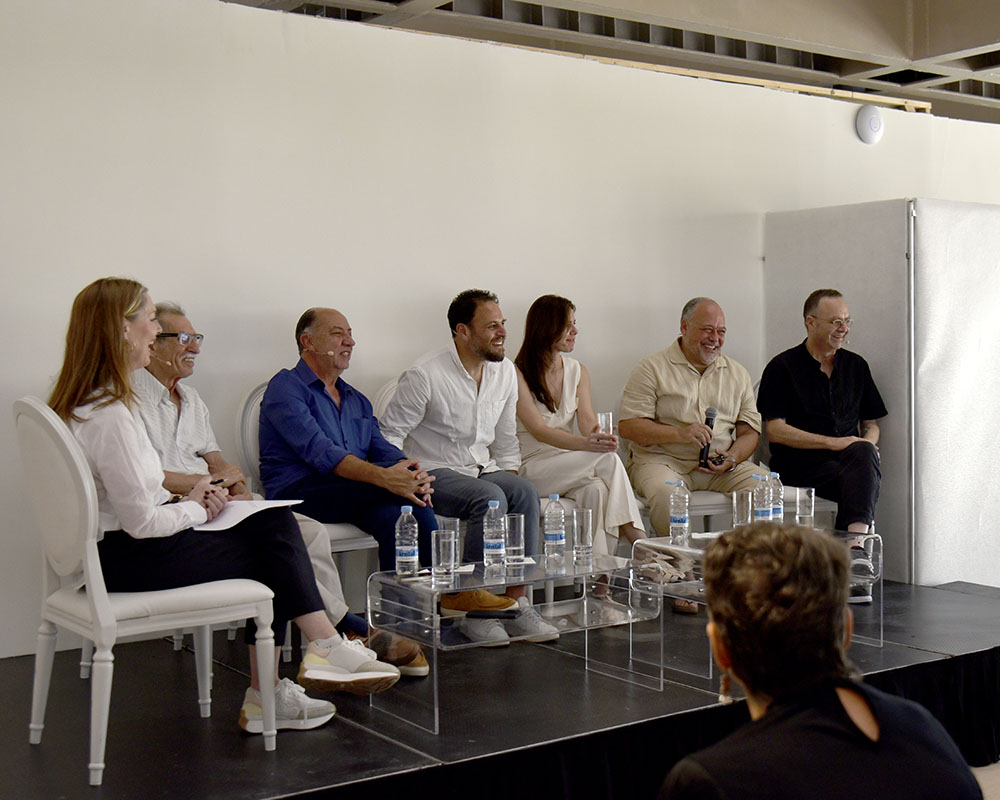
The exhibition embraces an abstract and introspective exploration of space, encompassing its creation, boundaries, and transformation. Artistic Director Edith Devaney notes how they’re ‘examining space in such different ways, polluting it in different directions’. Working across varied media, each artist brings a unique understanding of what space means to them. Rather than offering a broad overview of their practices, the show presents a focused ‘slice’ of their thinking, encouraging a dialogue not only between the works but also among the artists themselves, inviting multiple layers of interpretation.
Several of the artists have strong ties to the University of Malta, with Prof. Vince Briffa and Pierre Portelli lecturing within the Department of Digital Arts and Austin Camilleri, Joyce Camilleri and Anton Grech forming part of the Department of Visual Arts. Together, their work in painting, sculpture and installation invites viewers into a layered and open-ended dialogue with the spaces we inhabit, both physical and imagined.
Space as Process and Material Engagement
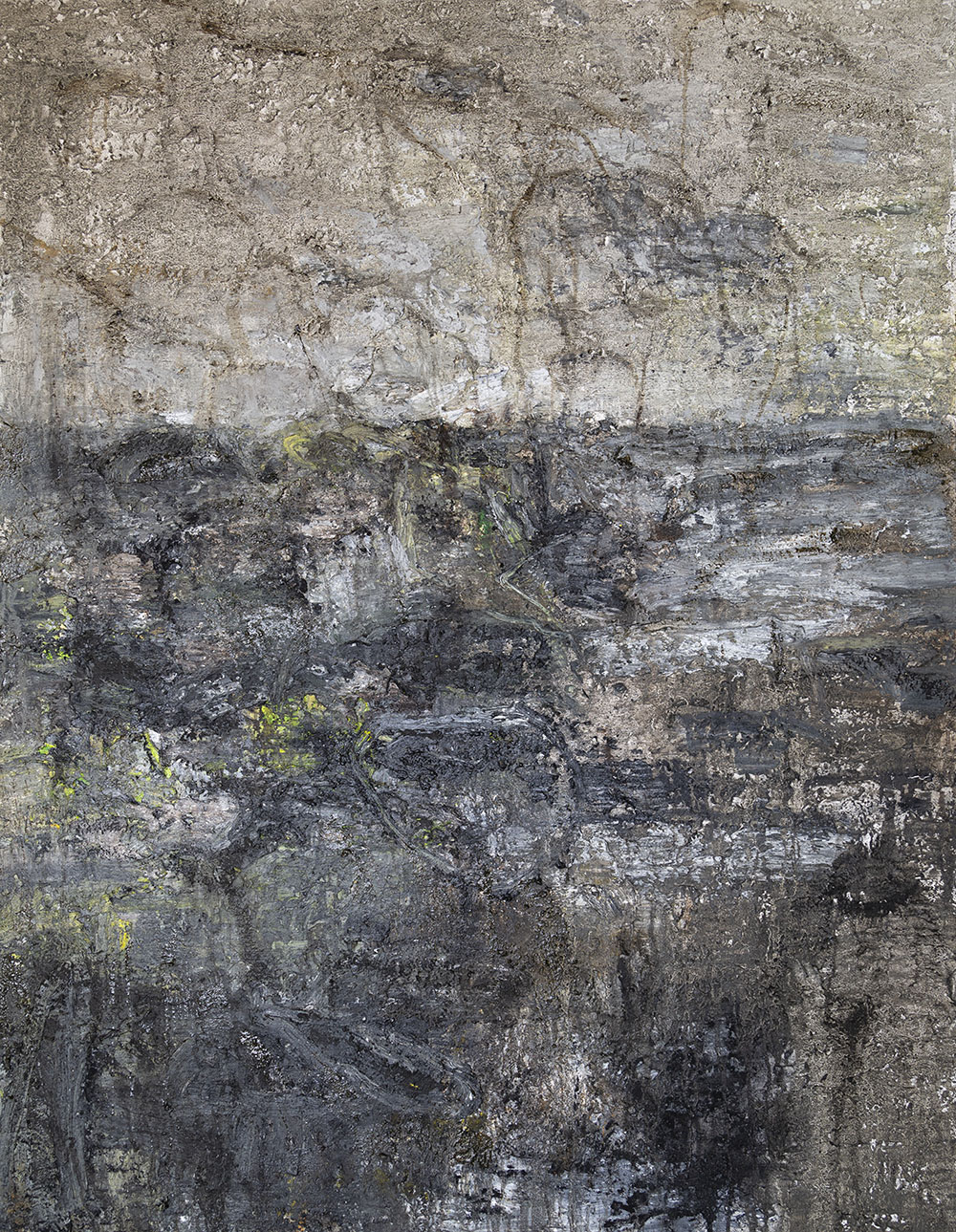
Vince Briffa and Austin Camilleri both root their practices in a material-led inquiry. For Briffa, painting is an act of discovery rather than declaration. ‘My work is about engaging with the materials,’ he explains. This philosophy manifests in the rules he devises to shape the making process, not to restrict it, but to create a framework within which intuition can emerge. One such rule is to cover the entire painting surface in a single session. The image, for Briffa, is always secondary. Devaney explains how it emerges from the structure and reflects the internal logic of the work rather than leading it.
Briffa’s intellectual grounding is central. He reads widely, from literature to philosophy, and his practice is underscored by a sense of responsibility. ‘One has to envision what is going to happen later,’ he states. This reflective stance informs his process and can be felt in his use of charcoal, pushing him beyond comfort, which Devaney notes links back to his reading. His paintings are large, textured and emotionally resonant; works that command space but also offer it, pulling the viewer into their depth.
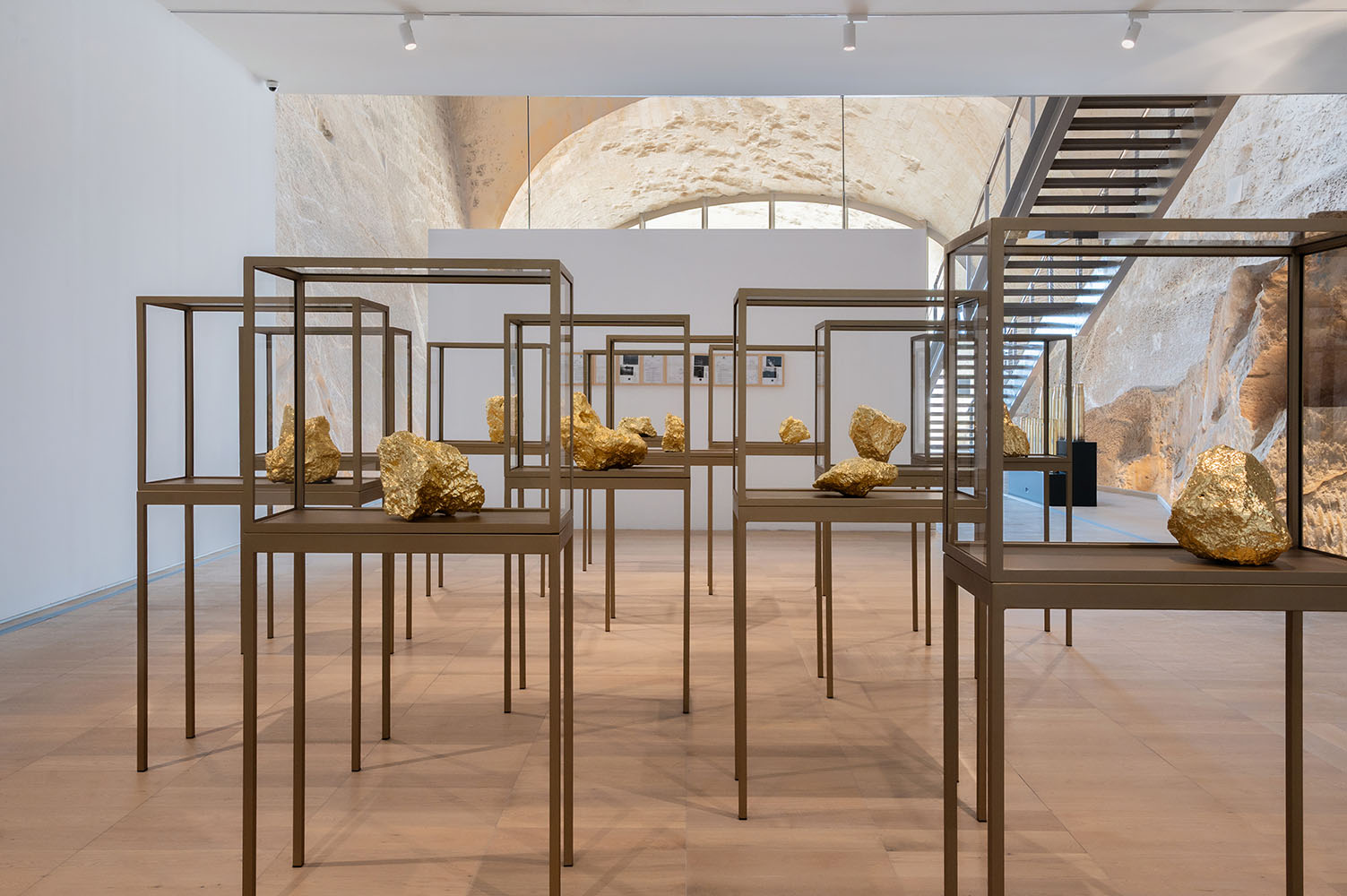
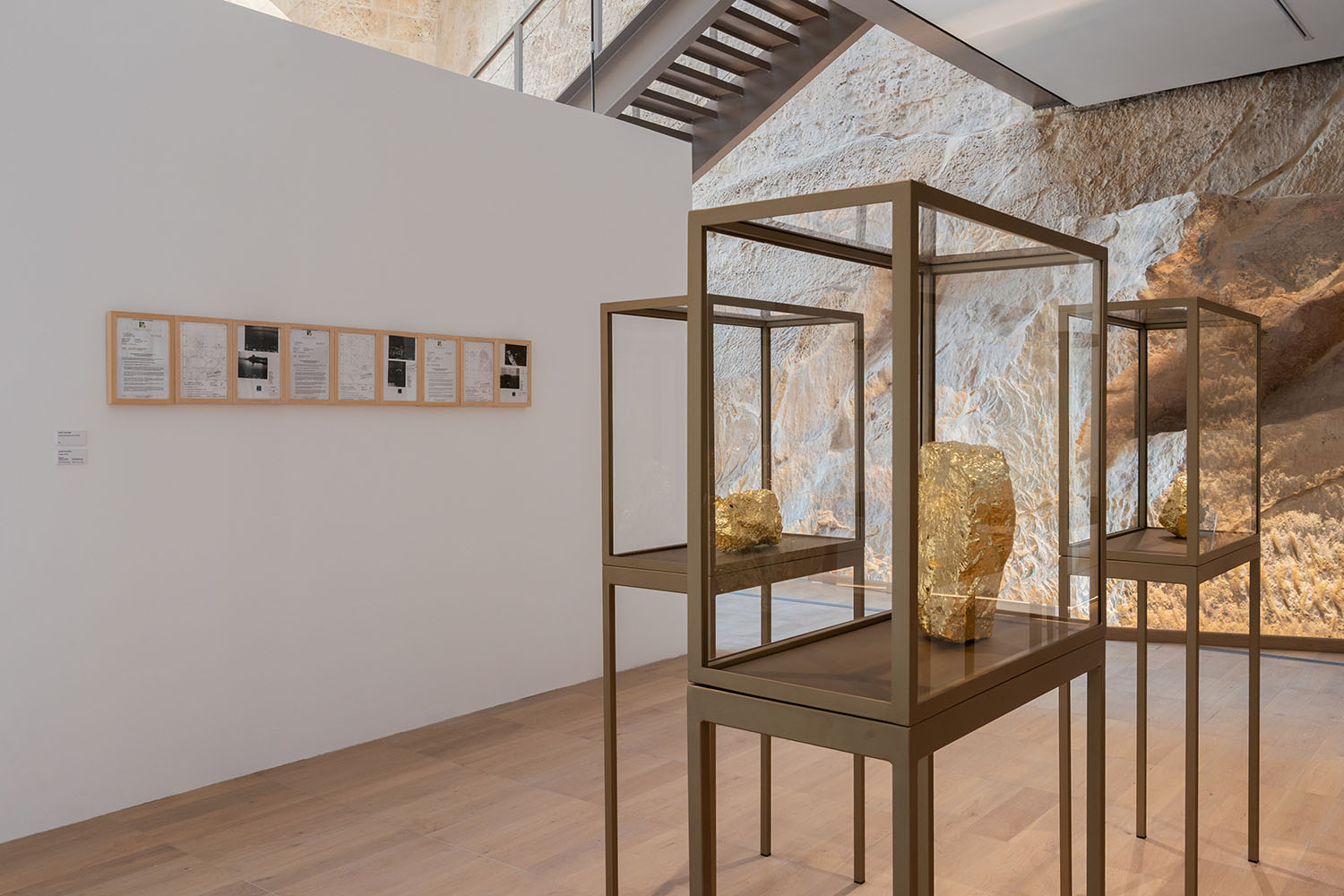
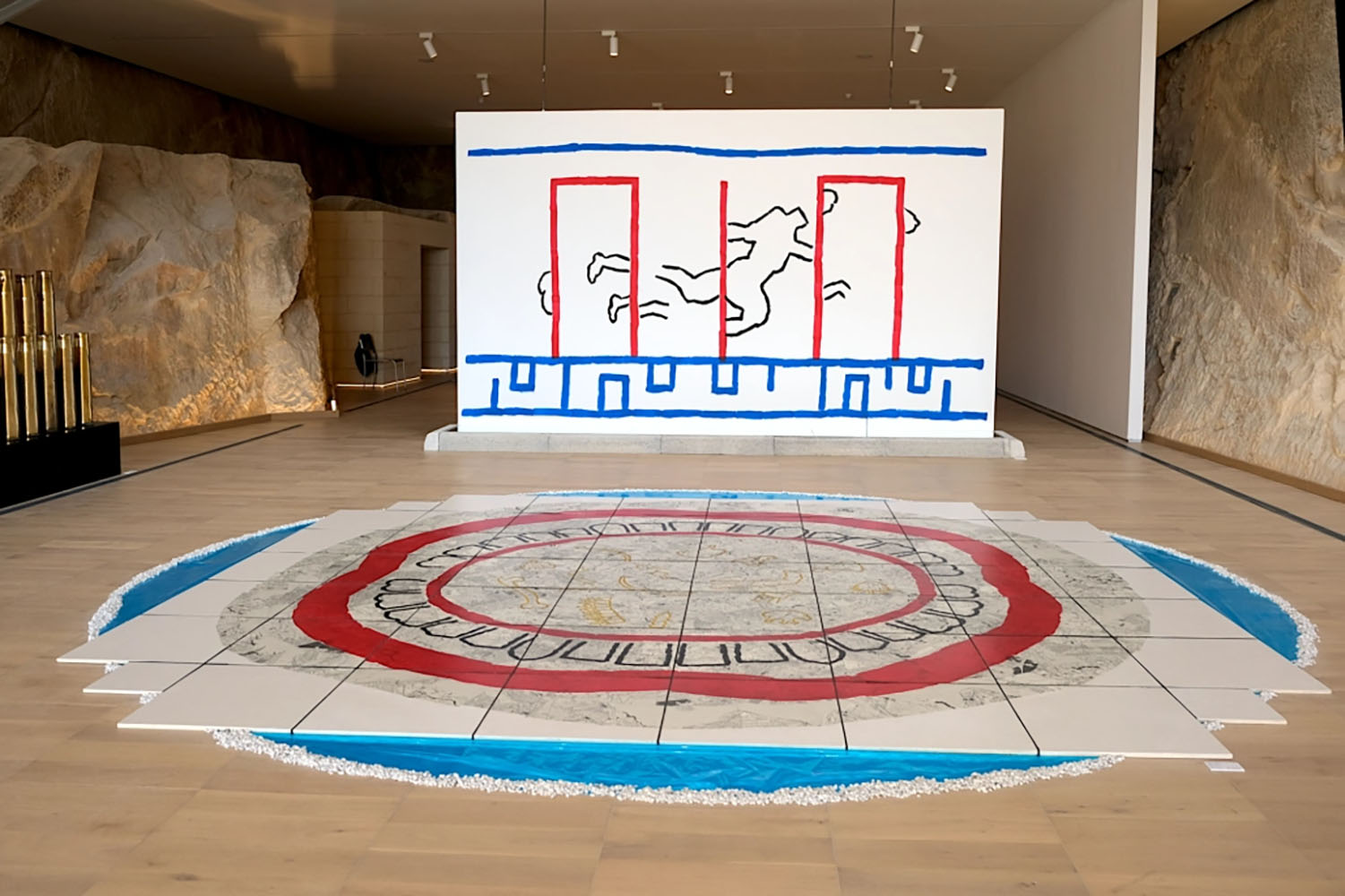
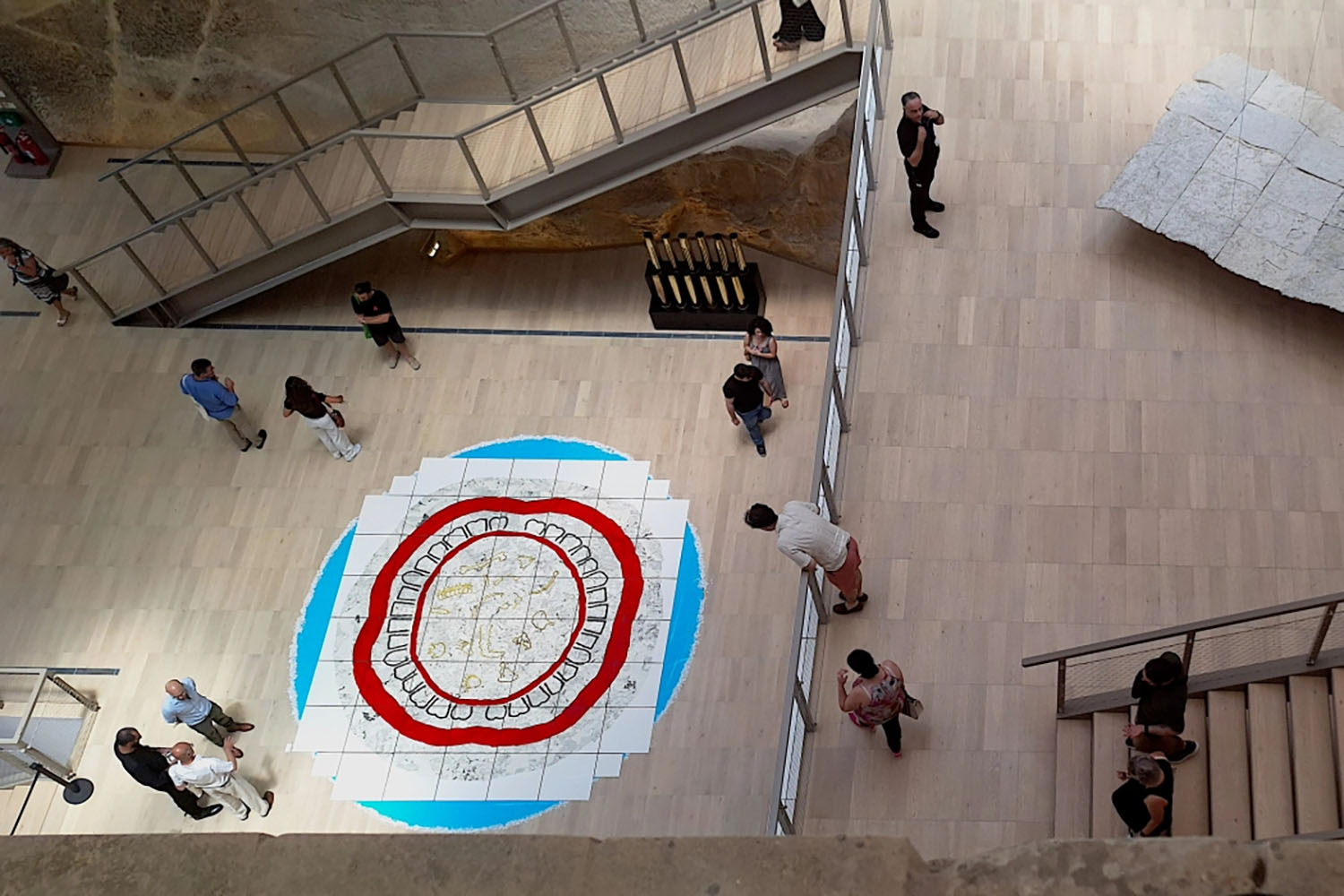
In parallel, A. Camilleri’s sculptural practice begins with a material premise but arrives at a philosophical proposition. ‘My practice is shaped with the materials I use,’ he declares. For his sculpture, he cast concrete tiles using materials ‘stolen’ from construction sites across Malta, a subtle, poetic reclaiming of land. These tiles are formed directly on the island’s terrain, imprinting the natural undulations of the land onto a material typically used to erase it. His gilded stone works, presented in cabinets remindful of museum vitrines, likewise transform the mundane into the sacred. For A. Camilleri, ‘place’ is not just a subject, but as he notes, ‘the distance between the work and the audience.’
Fragmentation, Transition, and the Liminal Figure
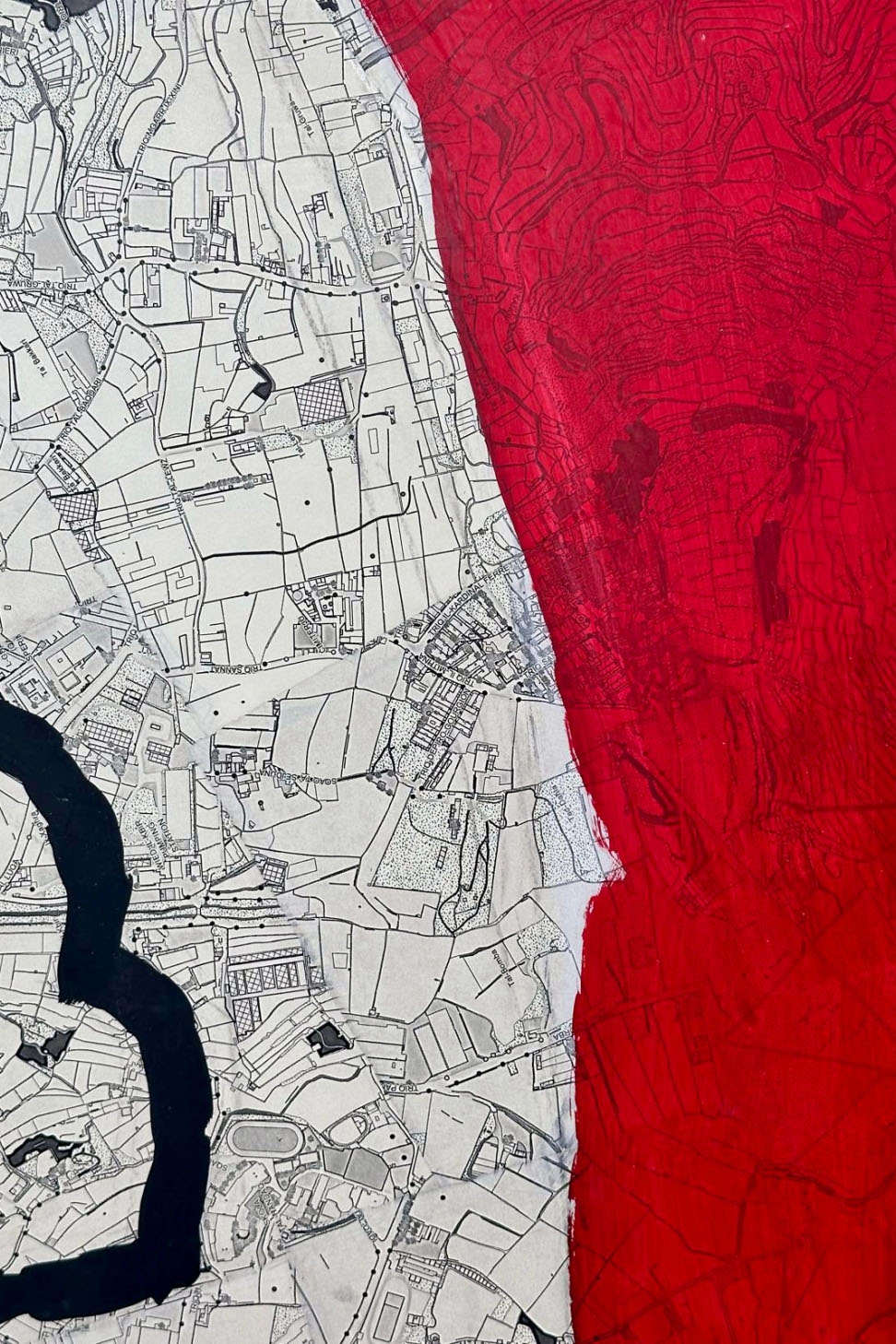
While Briffa and A. Camilleri deal with process, Caesar Attard and Pierre Portelli investigate fragmentation, that of body, land, and meaning. For Attard, the space of the work often evokes the human figure in flux. In Place, a mouth and body elements float suspended over the map contours. The terrain is dissected into tiles – a parcelling of land that echoes A. Camilleri’s. Attard’s work carries an analytical insistence, a desire to locate meaning, to explore what he calls perplexity. Yet there’s also an intuitive side, a sense of ‘travelling’, as he describes it, a movement into uncertain space.
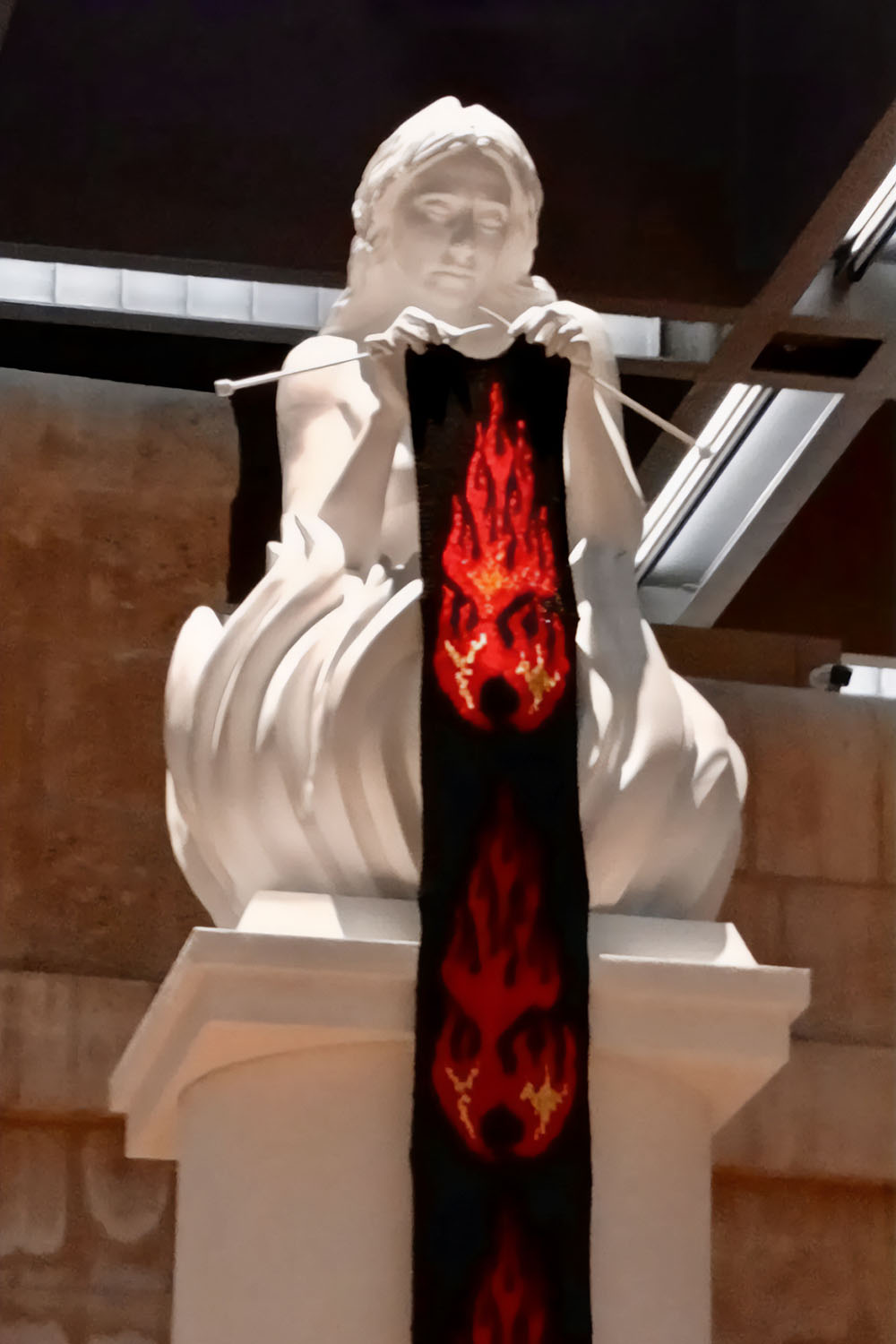
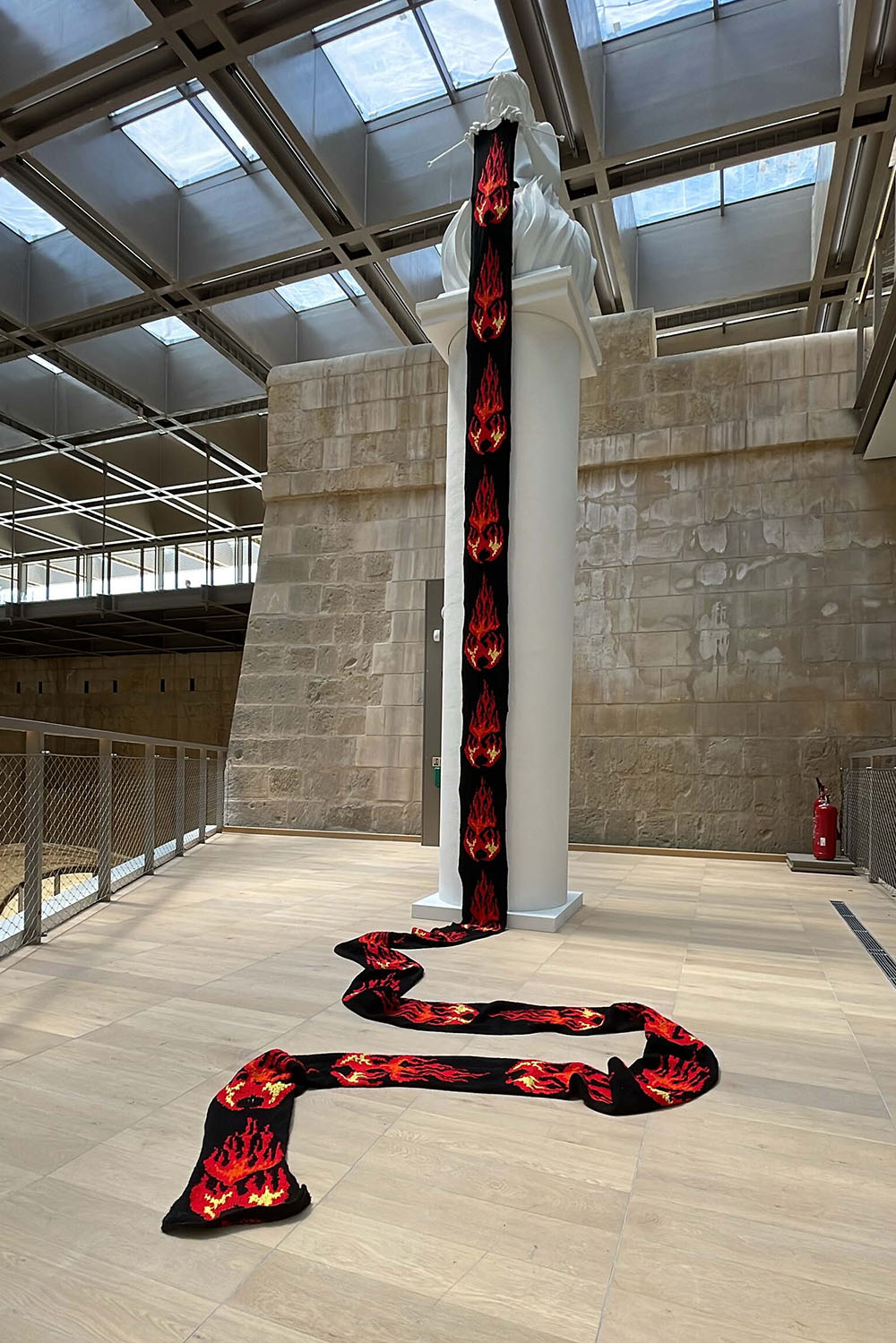
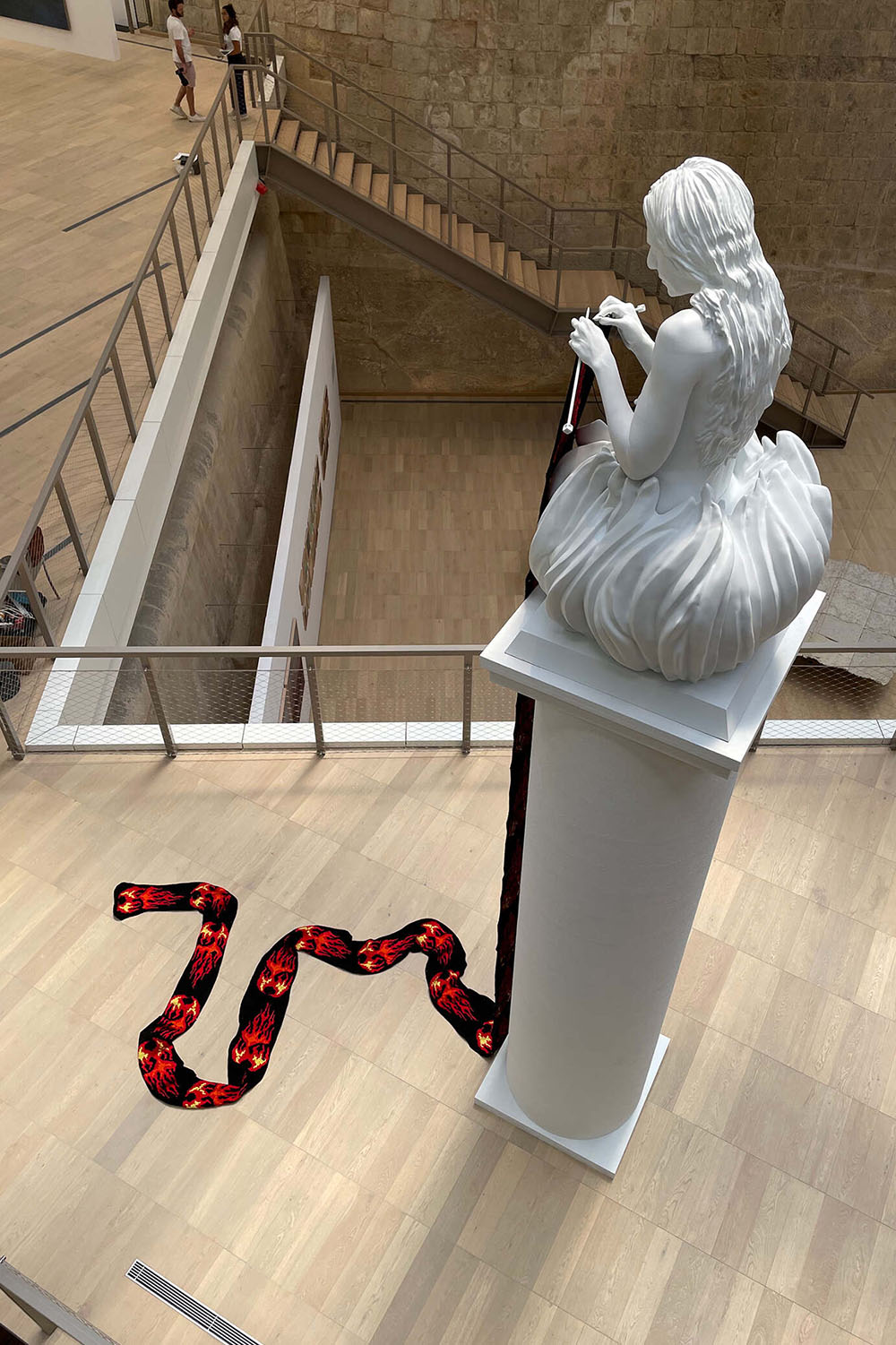
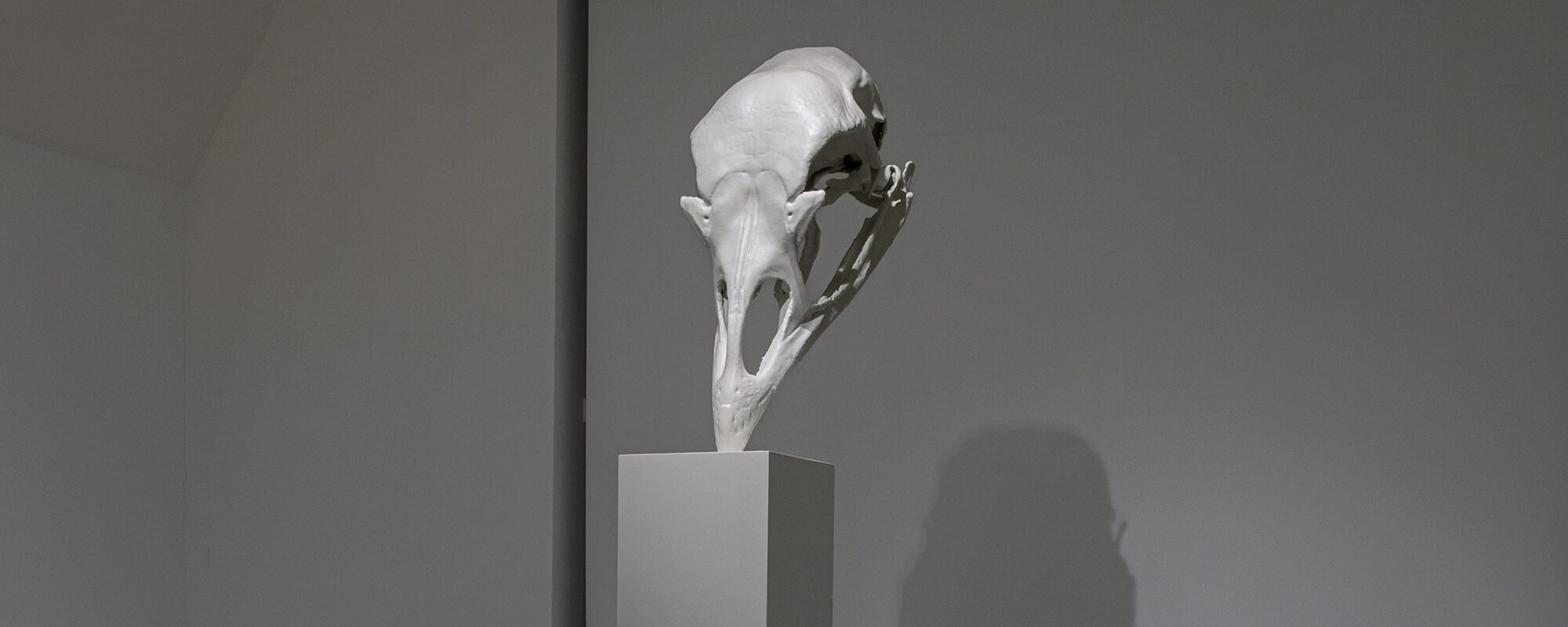
Pierre Portelli, on the other hand, strips back authorship. His conceptual approach steps away from the personal to let the audience complete the work. ‘It’s important for the audience to become part of what I create and what they perceive,’ he says. Even when the viewer is unaware of their role, they are always implicated. His works layer playful elements with heavy themes. In ġ–b-l, the ‘eye’ attached to a found rock only reveals its environmental message when the viewer catches its reflection, echoing the idea that truth often emerges indirectly. His installation Choir uses polished artillery shells arranged like a tiered chamber choir, with AI-rendered acapella voices performing Dido’s Lament. The sound flows upward as though from the earth’s core. Alongside this, his anima sola sculptures echo Southern Mediterranean religious iconography, lonely souls engulfed in flames and occupying purgatory in a liminal space. Here, Portelli examines the metaphysical space between viewer, object, and meaning.
Memory, Emotion, and the Intimate Subconscious
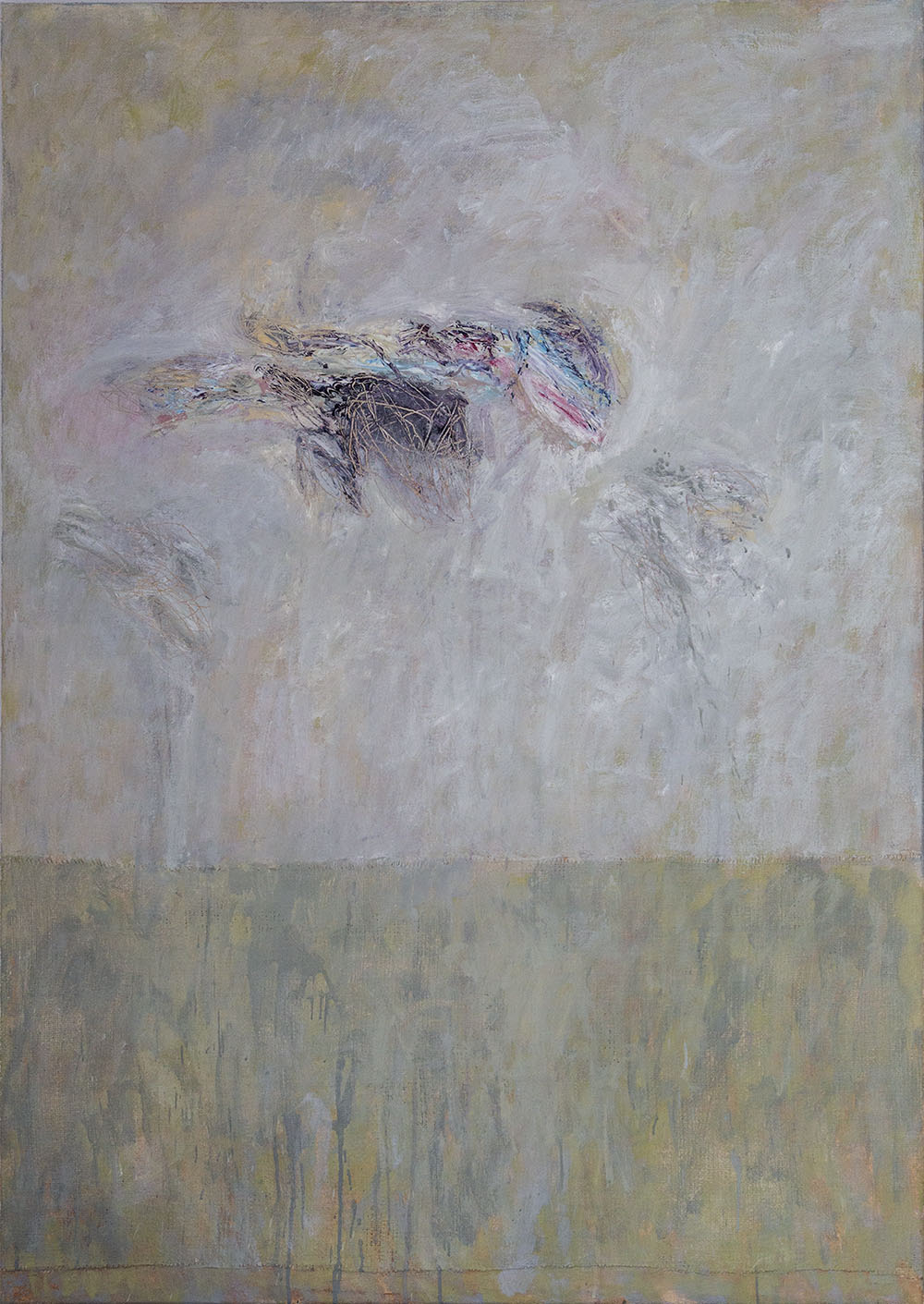
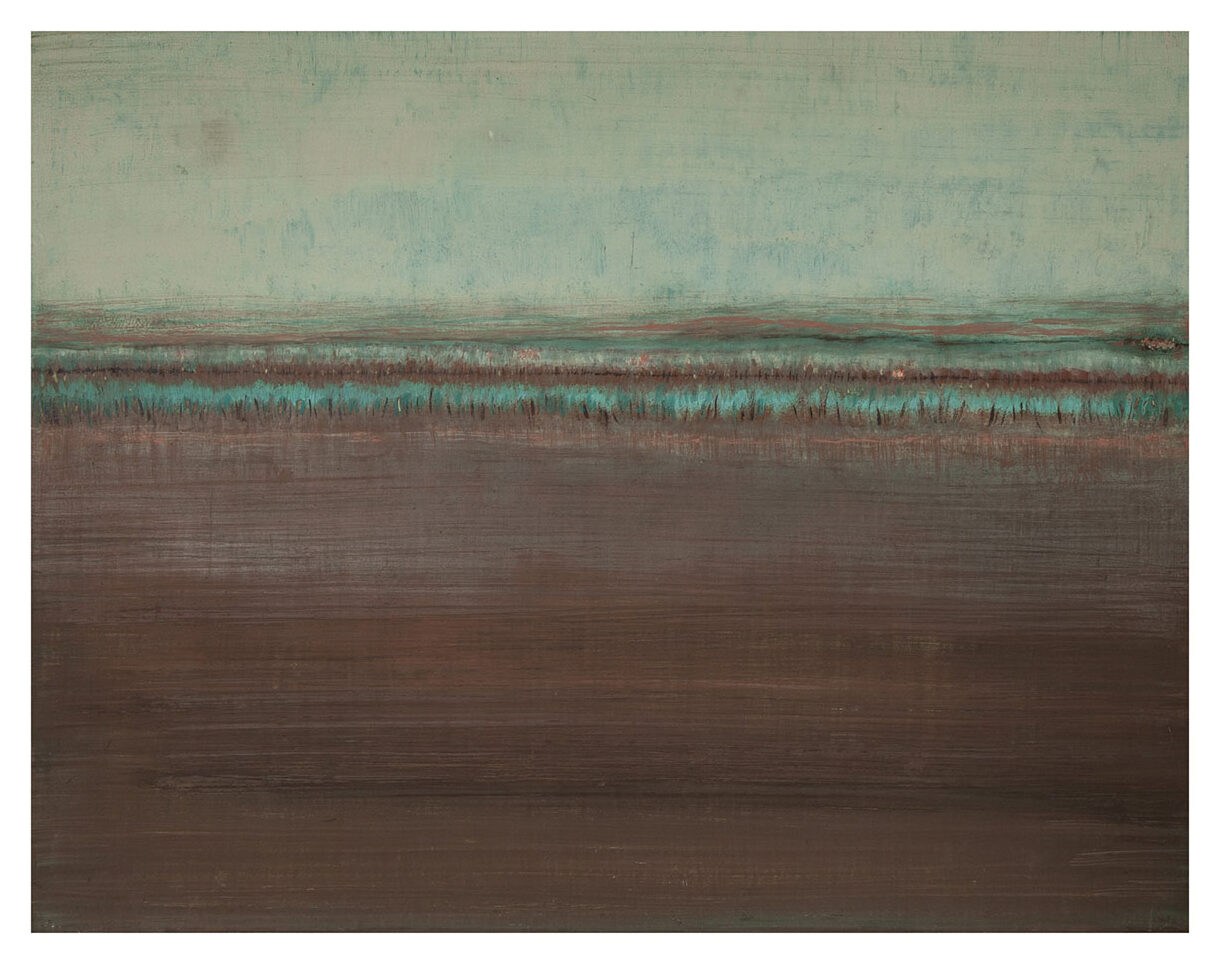
In contrast to the conceptual distancing in Portelli’s work, Joyce Camilleri and Anton Grech explore deeply emotional terrain. Joyce’s landscape paintings, fluid and atmospheric, are anchored in memory. ‘Something you can’t grasp and now you’re giving it material form,’ Devaney notes. J. Camilleri creates in a meditative silence, working on several pieces simultaneously so they ‘speak’ to one another. Her handling of colour is delicate yet intentional, capturing fleeting sensations. There’s a dreamlike quality to her work that feels uncannily familiar, evoking memories of dreams. The strength of her pieces lies in this slipperiness, in the space they offer the viewer to project their own stories.
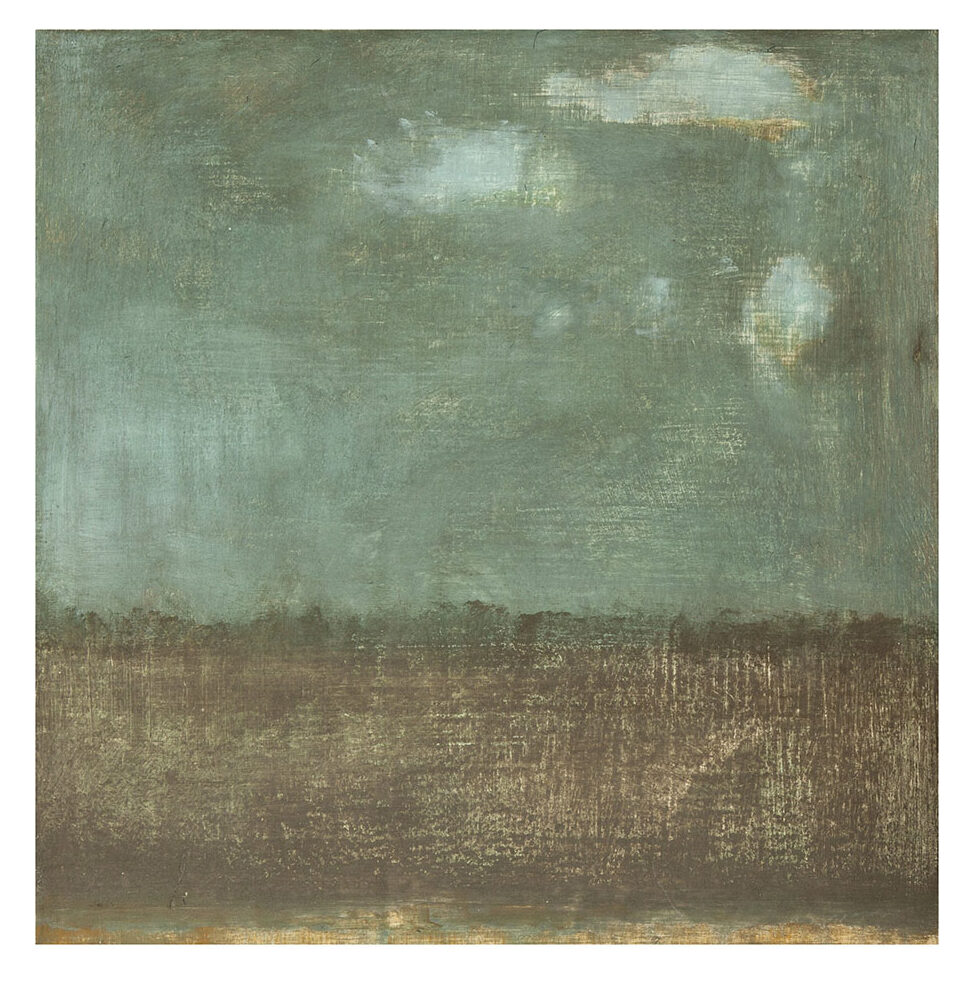
Grech approaches painting as both a personal ritual and an abstract invitation. Beginning his career at a time when painting was dismissed as dead, he remained loyal to the medium, carving his own space. For him, space is not just a formal concern, but an emotional and subconscious one. Viewers have wept in front of his work, overwhelmed by what they saw, even when Grech offered no definitive interpretation. Contrary to Attard, he embraces all the media that suit him, thus letting material and emotion shape the work. His manipulation of paint creates depth not through illusion but through colour itself. The notion of colour as subject is what gives his abstractions their charge – they are not about what you see, but what you feel.
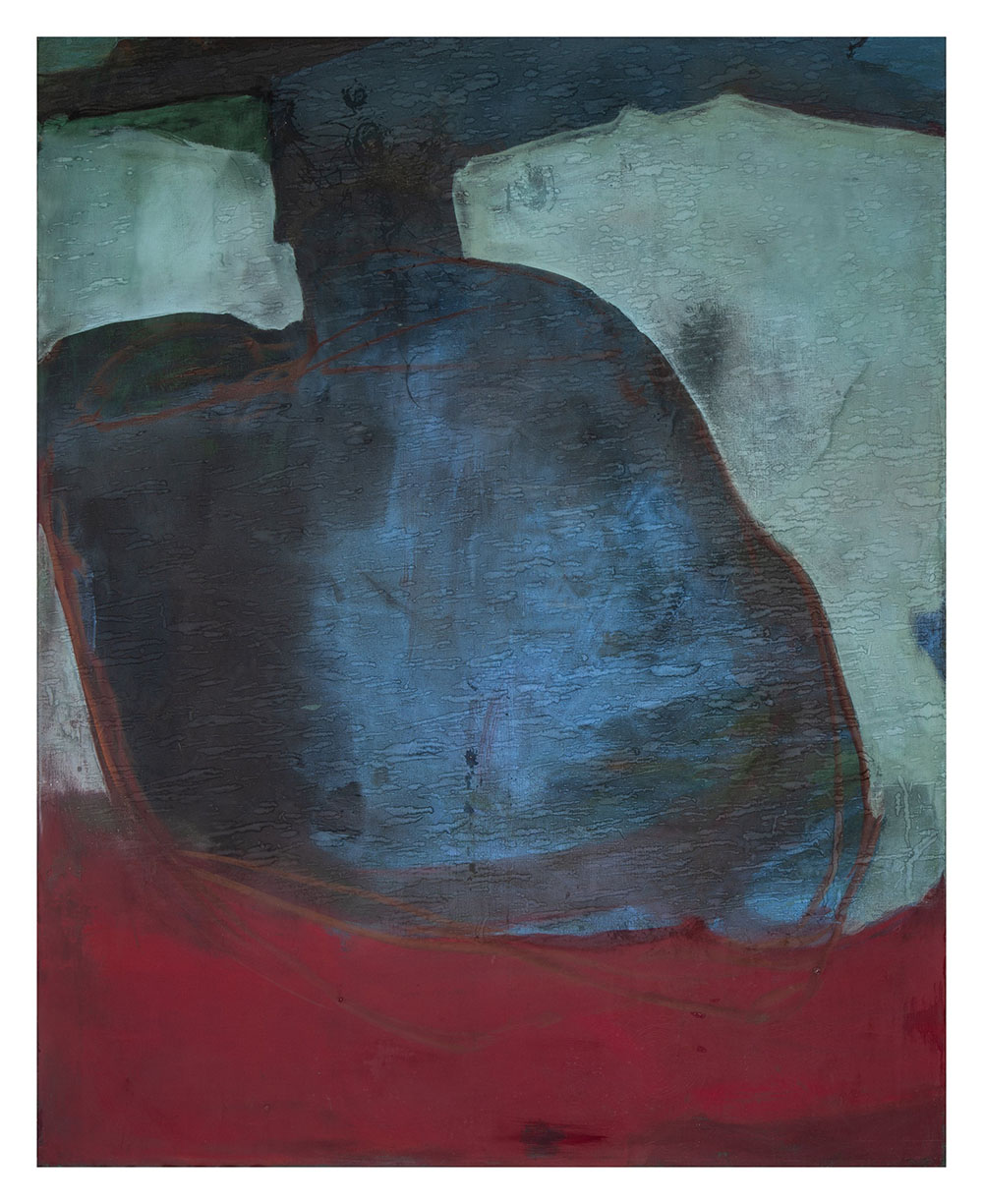
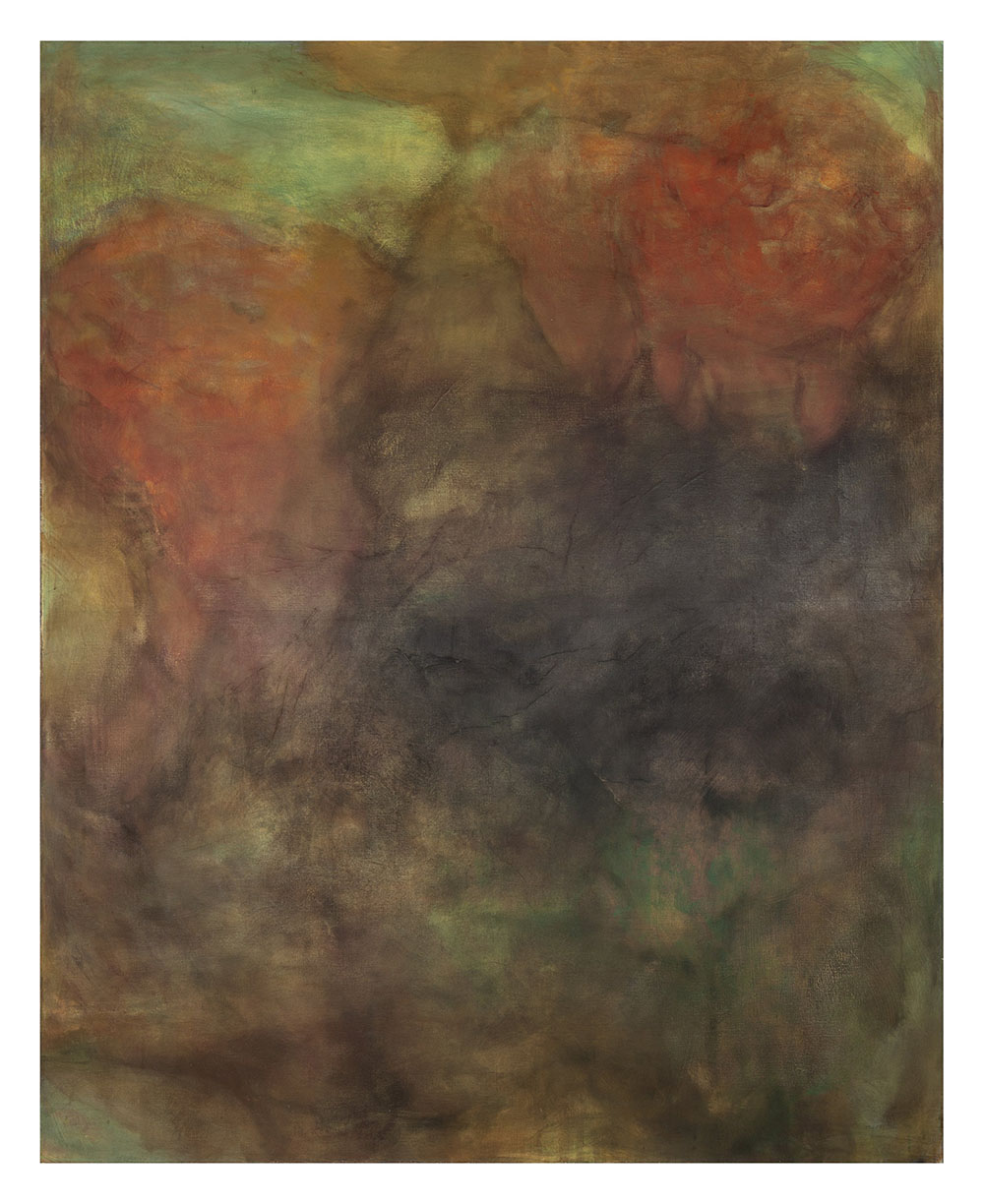
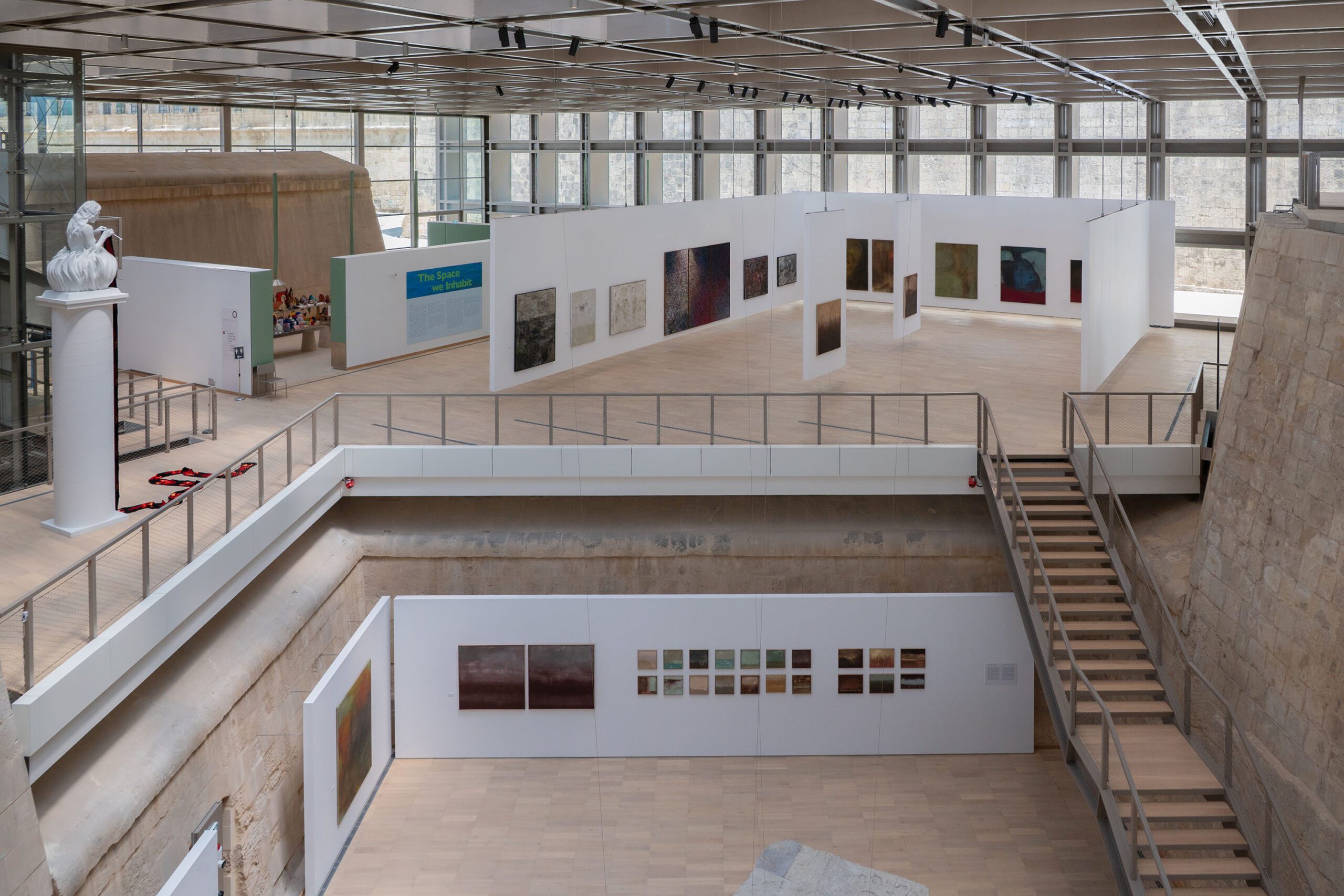
One of the most striking aspects of The Space We Inhabit is how the exhibition allows space, literal and conceptual, to be a participant in each work. For Briffa, the MICAS gallery offered a rare opportunity to exhibit large works and, as he notes, ‘negotiate this kind of space and make sense out of it’. This extends to all the artists, whether through the tactile imprint of land in A. Camilleri’s concrete, the floating bodies in Attard’s maps, the mirrored meanings in Portelli’s found objects or the abstract works of J. Camilleri and Grech – each work speaks to a dimension of space that is physical, philosophical, or psychological.
MICAS, in this sense, serves not merely as a vessel for The Space We Inhabit, but plays a fundamental role in the artistic process of reinterpreting space. By offering each artist room to expand, reflect, and engage, it becomes part of the work itself.
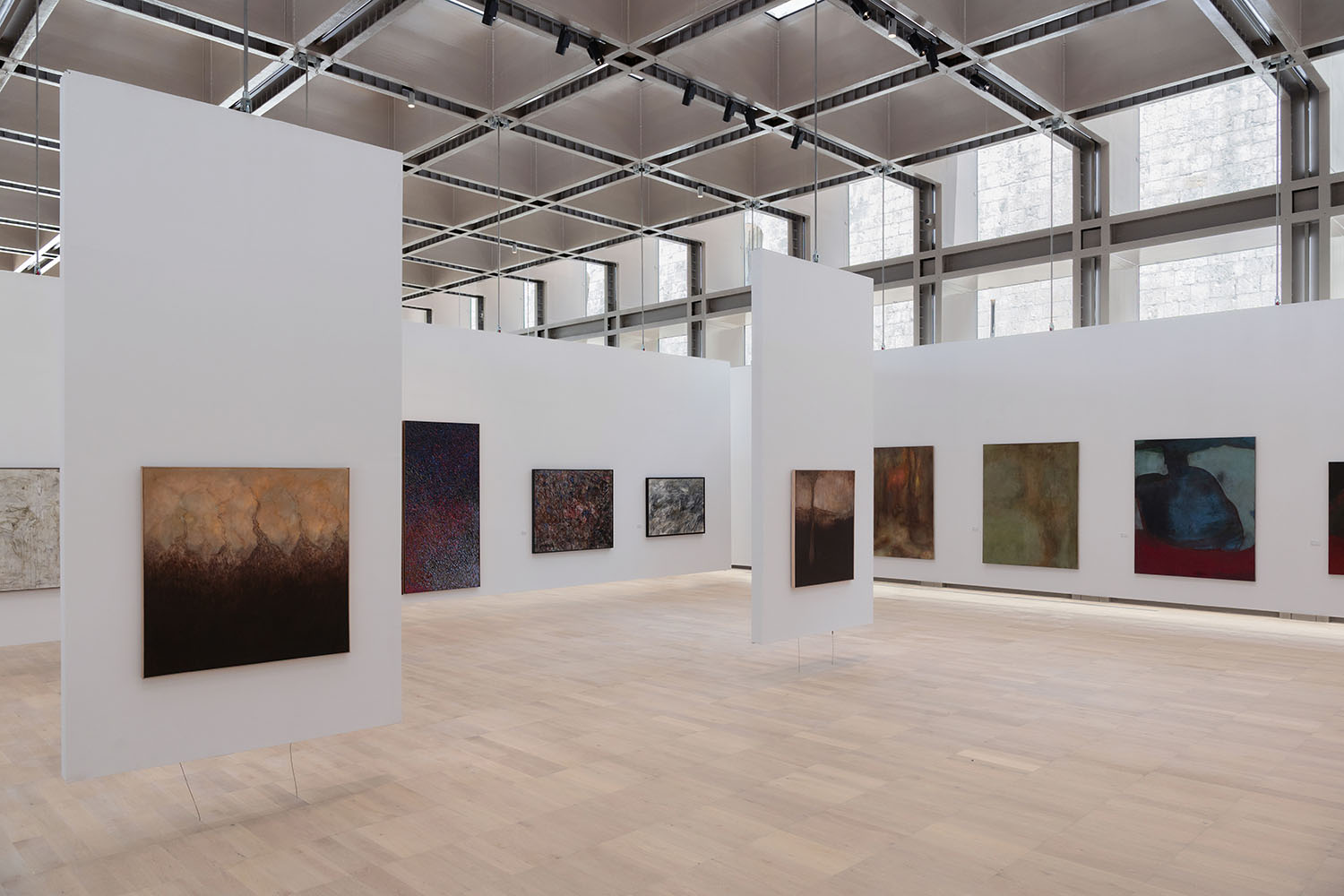
The Space We Inhabit is on exhibition at MICAS in Floriana and will be on display until 28 September. Check out these links for more information:
- MICAS launches new exhibition featuring six leading Maltese artists
- MICAS Artistic Director Edith Devaney: ‘A lineage of decades of a thriving arts and culture period’
- MICAS formally opens new exhibition The Space We Inhabit

Comments are closed for this article!