
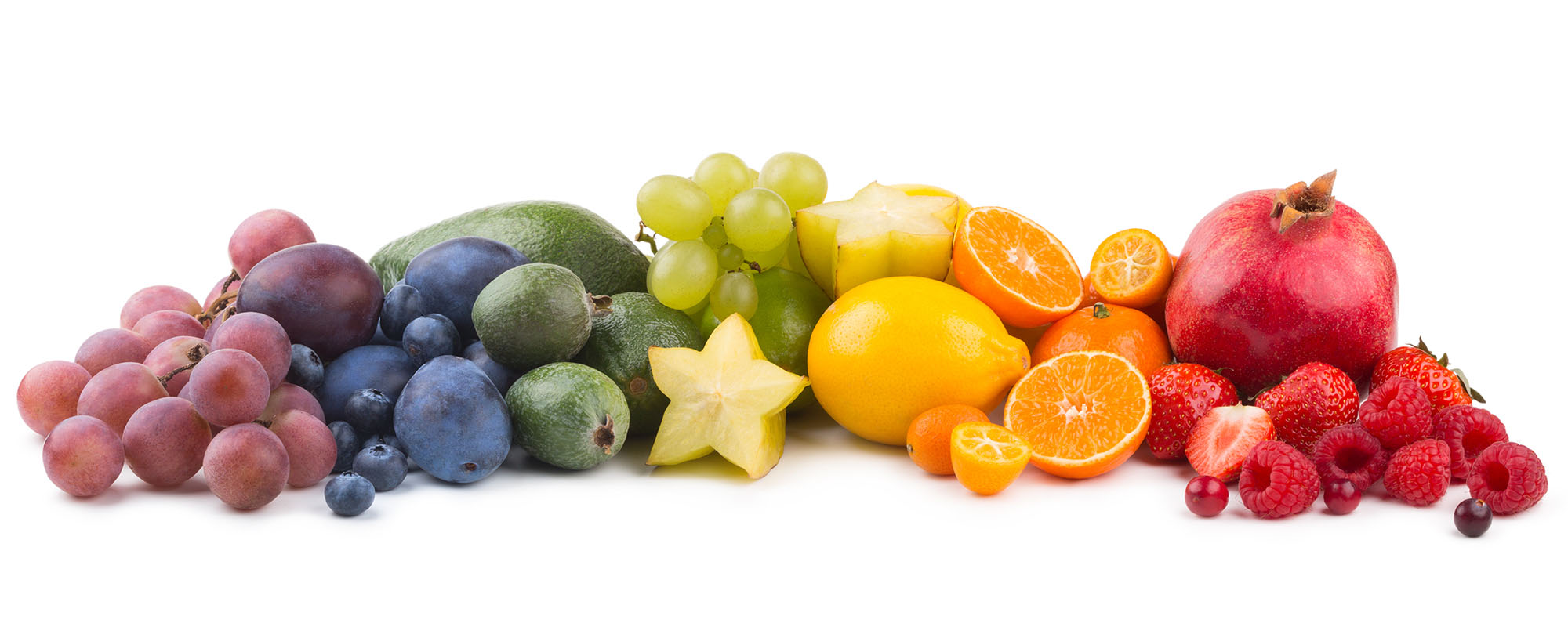
Imagine biting into a crisp apple, its flesh bursting with sweetness and tang. You might think of the vitamins, perhaps the fibre, or simply the refreshing taste. But hidden within its colourful skin and juicy flesh are hundreds of tiny compounds quietly working behind the scenes to protect your health. These invisible allies are called phytochemicals, and they are transforming how we think about food, nutrition, and sustainability.
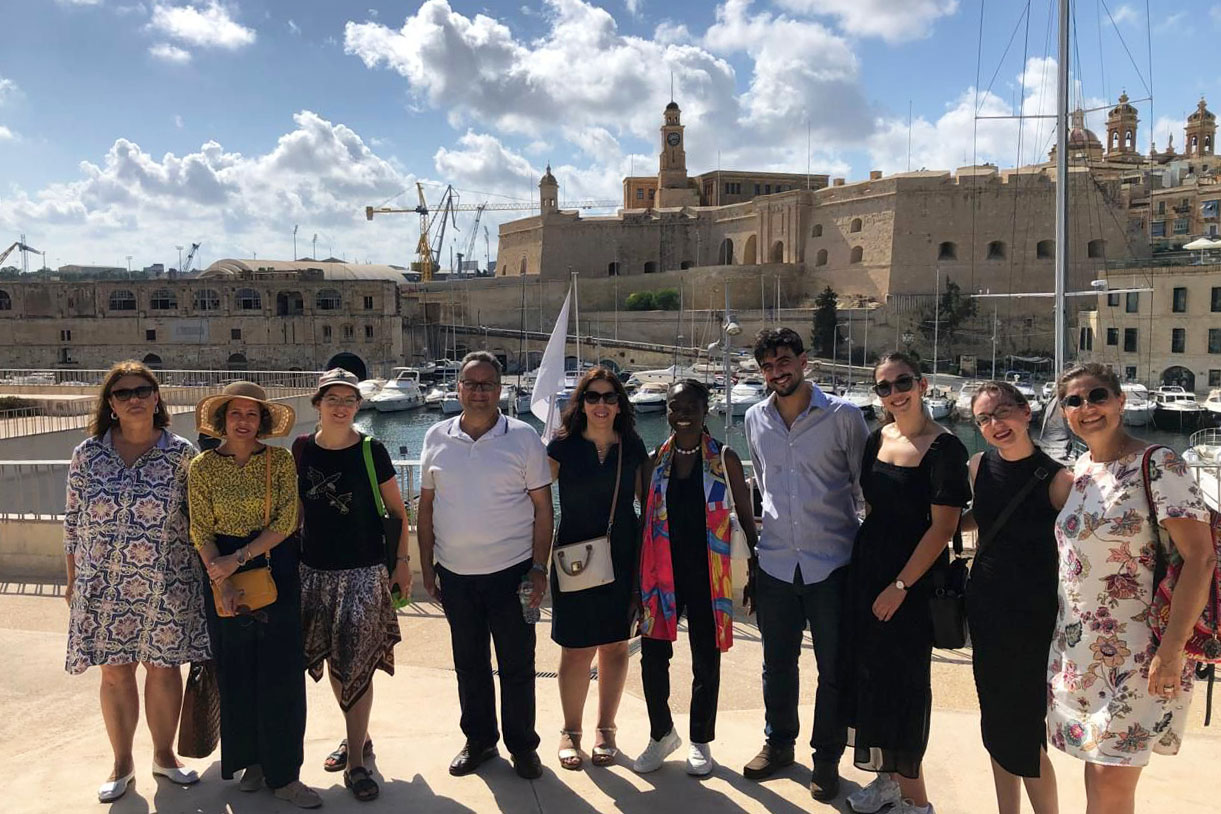
Between September 10th and 14th, the Potential of Phytonutrients Workshop in Malta brought together researchers from 28 institutions across 16 countries, funded by the Xjenza Malta Research Networking Scheme. Over five days, scientists explored everything from apples to underutilised wild plants, pointing to one truth: the future of food is not just about calories or vitamins, but the complex chemical symphony hidden within plants.

What Are Phytochemicals?
The term ‘phytochemical’ comes from ‘phyto’, meaning plant, and ‘chemical’, meaning compound. Unlike vitamins or minerals, phytochemicals are natural compounds that plants produce to protect themselves from pests, sunlight, or harsh environments. Think of them as the plant’s defence system. When we consume these compounds, we often inherit some of their protective benefits.
Some phytochemicals give fruits and vegetables their vibrant colours, such as the deep purple of blueberries, the orange of carrots, and the bright green of kale. Others provide flavour or bitterness, like the sharpness in dark chocolate or the spice in turmeric. Scientists have identified thousands of them, from flavonoids and carotenoids to polyphenols and alkaloids, each offering unique health benefits. In short, phytochemicals are nature’s secret agents, invisibly at work in our bodies.
Why Phytochemicals Matter
But why should we care? Because phytochemicals are everywhere in our daily lives, quietly shaping our long-term health. They help reduce inflammation, protect our cells from damage, and may even lower the risk of chronic diseases like heart disease, diabetes, and cancer.
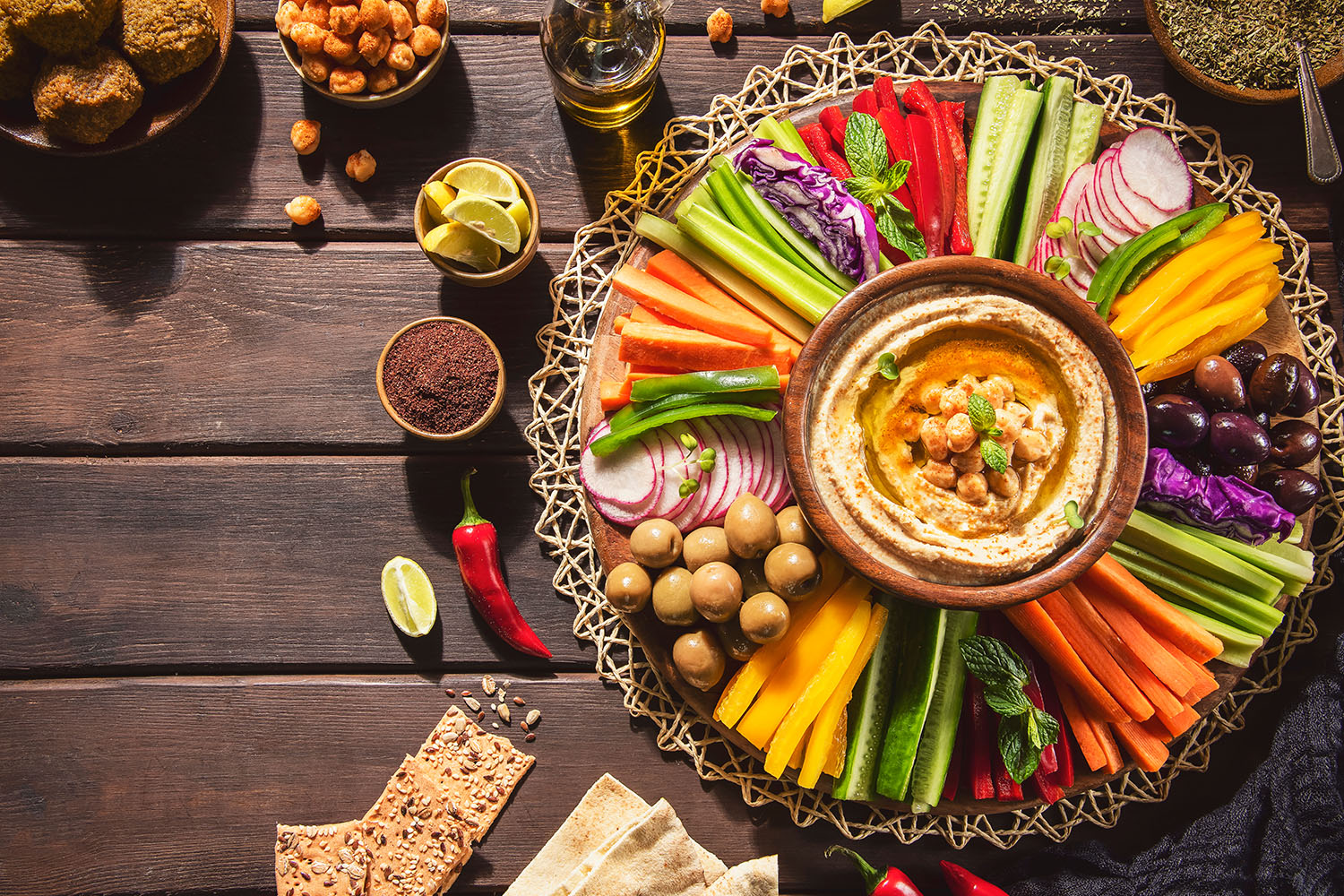
Take apples, for instance. The familiar phrase ‘an apple a day keeps the doctor away’ isn’t just folklore, it’s partly due to polyphenols, a type of phytochemical concentrated in apple skins. Green tea brims with catechins, linked to heart health. Turmeric glows with curcumin, studied for its anti-inflammatory effects. These aren’t isolated wonder compounds but part of a whole orchestra, supporting health most effectively when consumed together in diverse, colourful foods.

Still, experts emphasise that phytochemicals aren’t magic bullets. Their power lies in complementing, not replacing, the proven treatments and preventive tools of modern medicine. An apple a day may be good for you, but it won’t take the place of your doctor. Instead, phytochemicals work best as part of a balanced diet and lifestyle, adding another layer of protection alongside established medical care.
An easy way to picture phytochemicals is to think of them as the seasoning in your health recipe. You don’t always notice them directly, but they bring everything together, adding subtle yet essential benefits.
Insights from the Malta Workshop
The workshop opened with a keynote from Prof. Valerie Sollars, UM’s Pro-Rector for Strategic Planning and Sustainability, who highlighted the growing importance of phytochemicals in shaping sustainable food systems. She described the workshop as ‘not only a space to exchange the research findings, but also a catalyst for intersectional innovation’, bringing together diverse perspectives to tackle some of the most pressing challenges in nutrition and food science.
Prof. Renald Blundell, from UM’s Department of Physiology and Biochemistry, co-organised the workshop with Prof. Ana Sanches Silva (University of Coimbra, Portugal). His keynote framed phytonutrients as silent defenders in our diets, acting as natural protectors that help mitigate the invisible threats of today’s food landscape, including pesticides, contaminants, and overly processed meals. His message was clear: nourishment is more than just calories and vitamins; it is a strategic orchestration of nature’s safeguards. He noted that many consumers remain unaware of the hidden dangers in ultra-processed fast food, which can compromise both health and sustainability. Summing up his advice, he emphasised the importance of variety in our diets: ‘Consume a diverse range of foods to minimise the risk of exposure to harmful chemicals that accumulate in what we eat.’
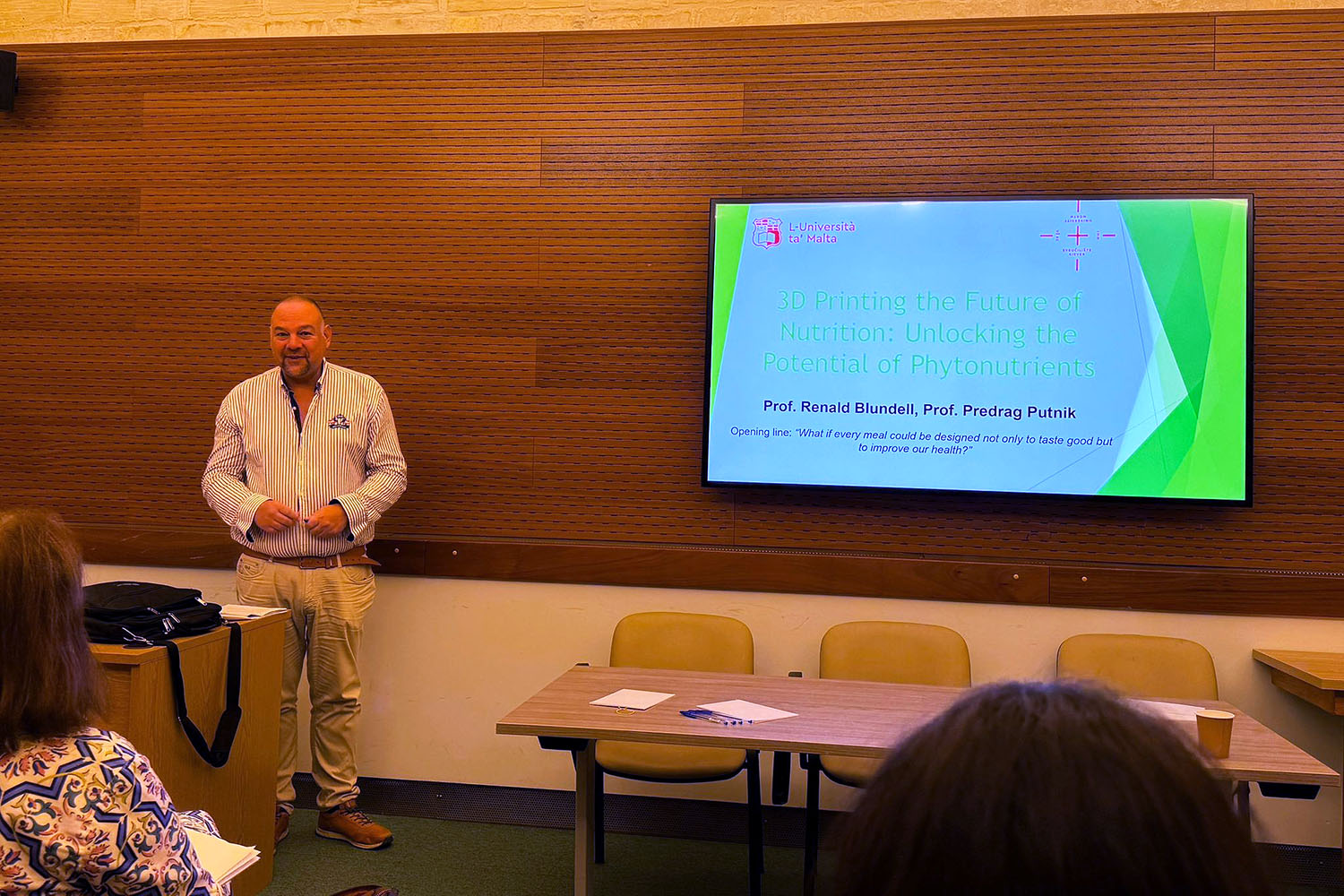
the Potential of Phytonutrients Workshop
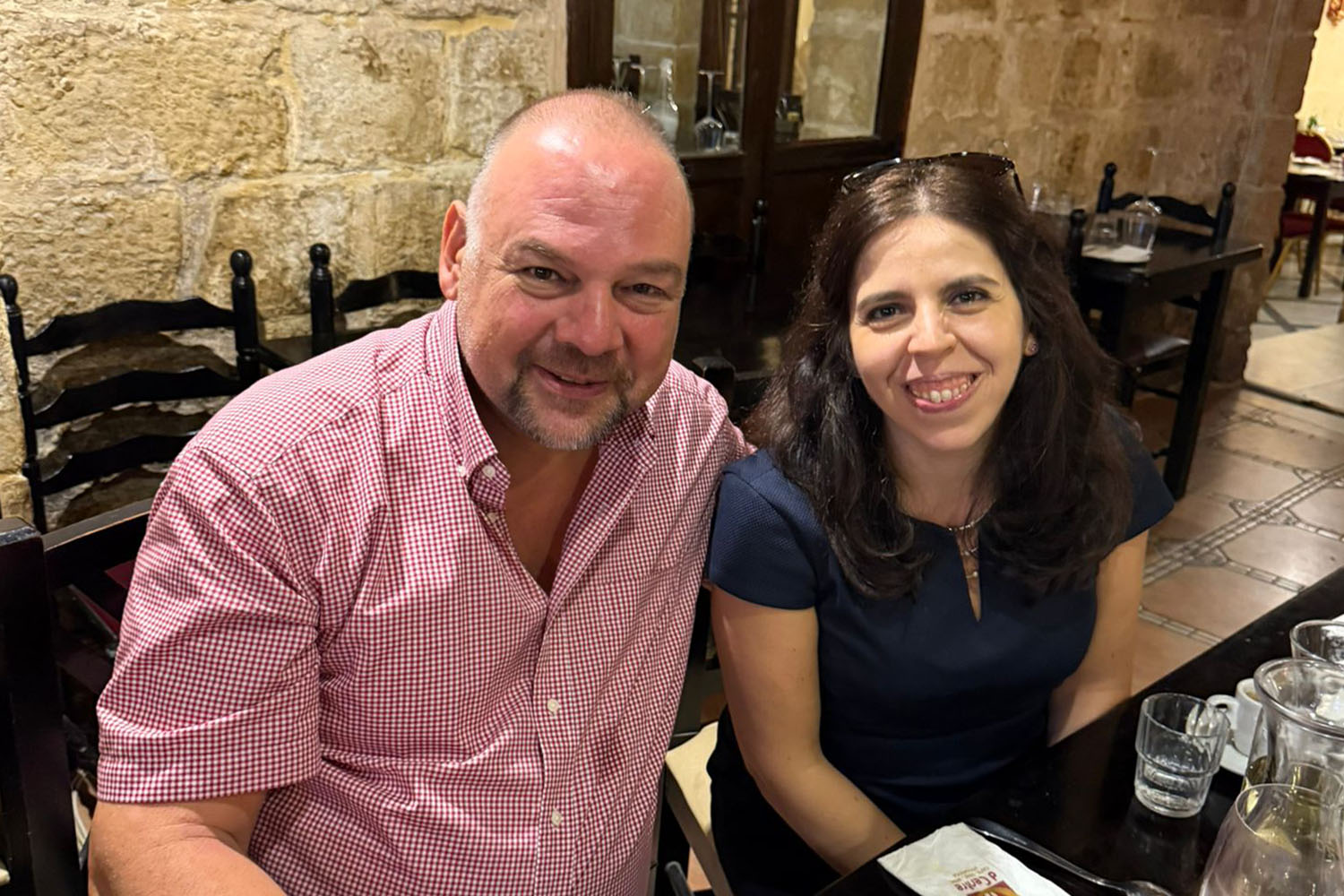
the Potential of Phytonutrients Workshop
The series of presentations that followed showcased the remarkable breadth of innovation in food science. Prof. Sónia Santos presented her research on bioactive food packaging, demonstrating how chitosan (ellagic acid films) could do more than preserve produce. They could actively enhance health benefits. Prof. Jolanta Sereikaite explored advanced β-carotene formulations, illustrating how even a humble carrot could be transformed into a more potent, bioavailable functional food. João David Teixeira highlighted the phenolic diversity in Alcobaça apple cultivars, showing that everyday fruits can be rich sources of compounds with potential applications in functional foods and supplements. Extending the discussion to sustainability, Prof. Yugal Kishore Mohanta demonstrated how underutilised edible plants are abundant in phyto-minerals and phytochemicals, presenting a pathway to diversify diets, improve community nutrition, and strengthen resilient food systems.
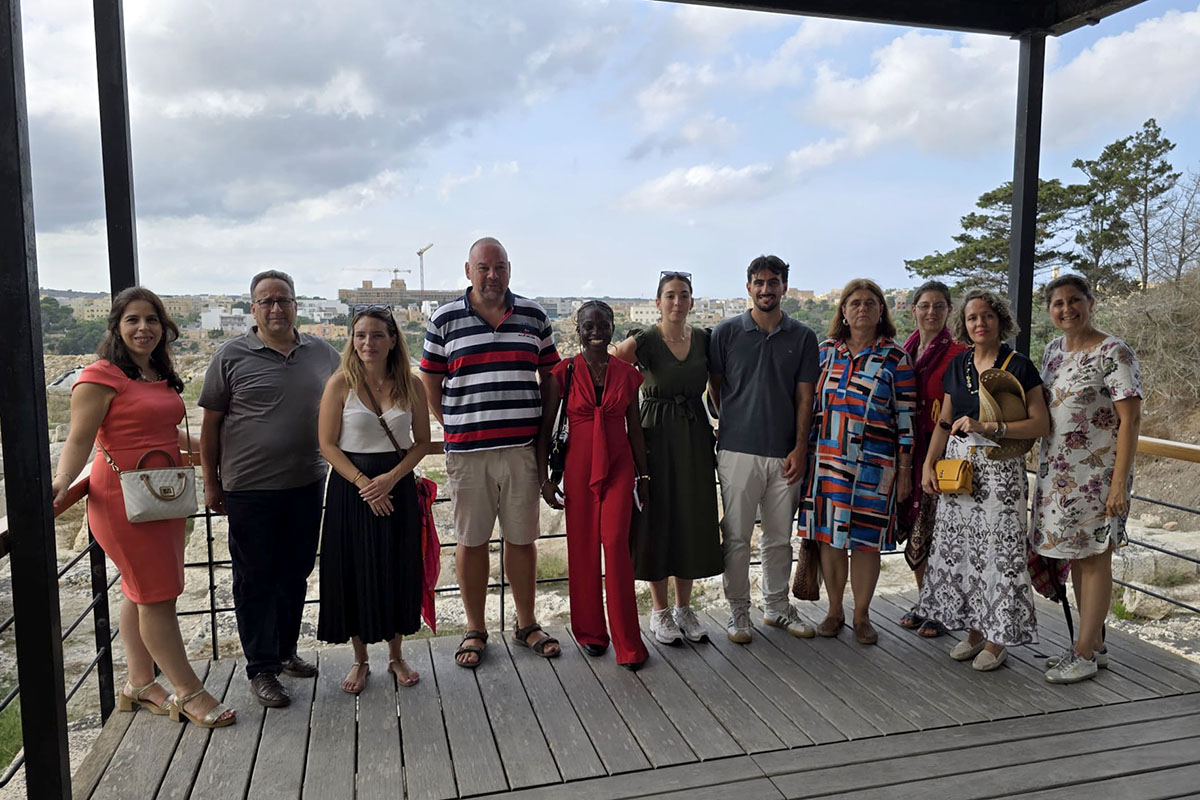
As Blundell notes, Malta provides an ideal platform to discuss phytochemicals, serving as a living example of how plants have shaped local diets, culture, and heritage. Beyond the formal presentations, the workshop created a dynamic environment for interaction, where scientists exchanged ideas, forged collaborations, and launched new initiatives over lunches, coffee breaks, and dinners. This spirit of sharing underscored the workshop’s broader message: the best science happens when knowledge crosses borders and disciplines.

The Road Ahead: Phytochemicals and the Future of Food
Phytochemicals bridge food, health, and sustainability. Imagine meals designed not just to satisfy hunger, but to optimise health through carefully chosen phytonutrients. Beyond individual health, phytochemicals could reduce the burden on healthcare systems by preventing disease. And with climate change threatening food security, underutilised plants rich in phytonutrients could improve biodiversity, create local food sources, and strengthen resilient diets.
For readers, practical steps are simple: eat the rainbow. Different colours in fruits and vegetables often indicate different phytochemicals. Try new produce, favour whole foods over processed ones, and embrace variety.
Tiny Compounds, Big Impact
By the workshop’s close, it was clear that phytochemicals are more than scientific curiosities – they are everyday allies in our diet, tucked into apples, greens, teas, and herbs, ready to support health and sustainability. Scientists in Malta didn’t just discuss molecules; they painted a picture of food as medicine, plants as partners, and collaboration as the path forward.
Next time you bite into an apple or sip tea, remember: you’re not just eating. You are fuelling your body with nature’s most powerful tools, tiny compounds carrying the wisdom of plants and the promise of a healthier tomorrow.
Read the full conference proceedings of the Potential of Phytonutrients here.




Comments are closed for this article!