
‘Dusk Dialogues: Conversations on Accessibility’ was a talk which revealed the parallels across the domains of art and education, as both rely on imagination, storytelling, and embodied experience to make ideas more accessible. Speakers Prof. Adrian-Mario Gellel from UM and curator Gabriel Zammit argue that true access can open pathways for everyone, from young people all the way to adulthood.
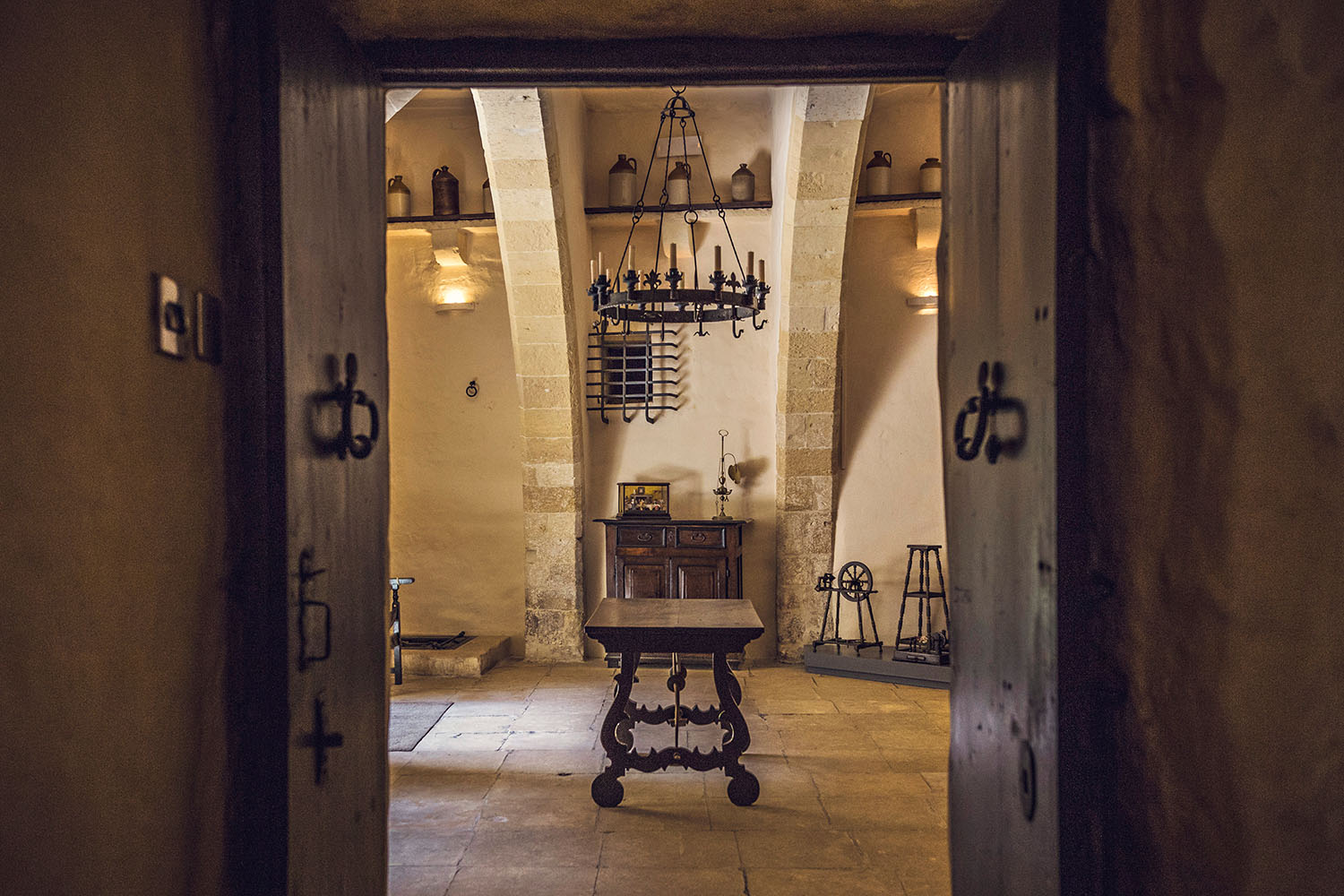
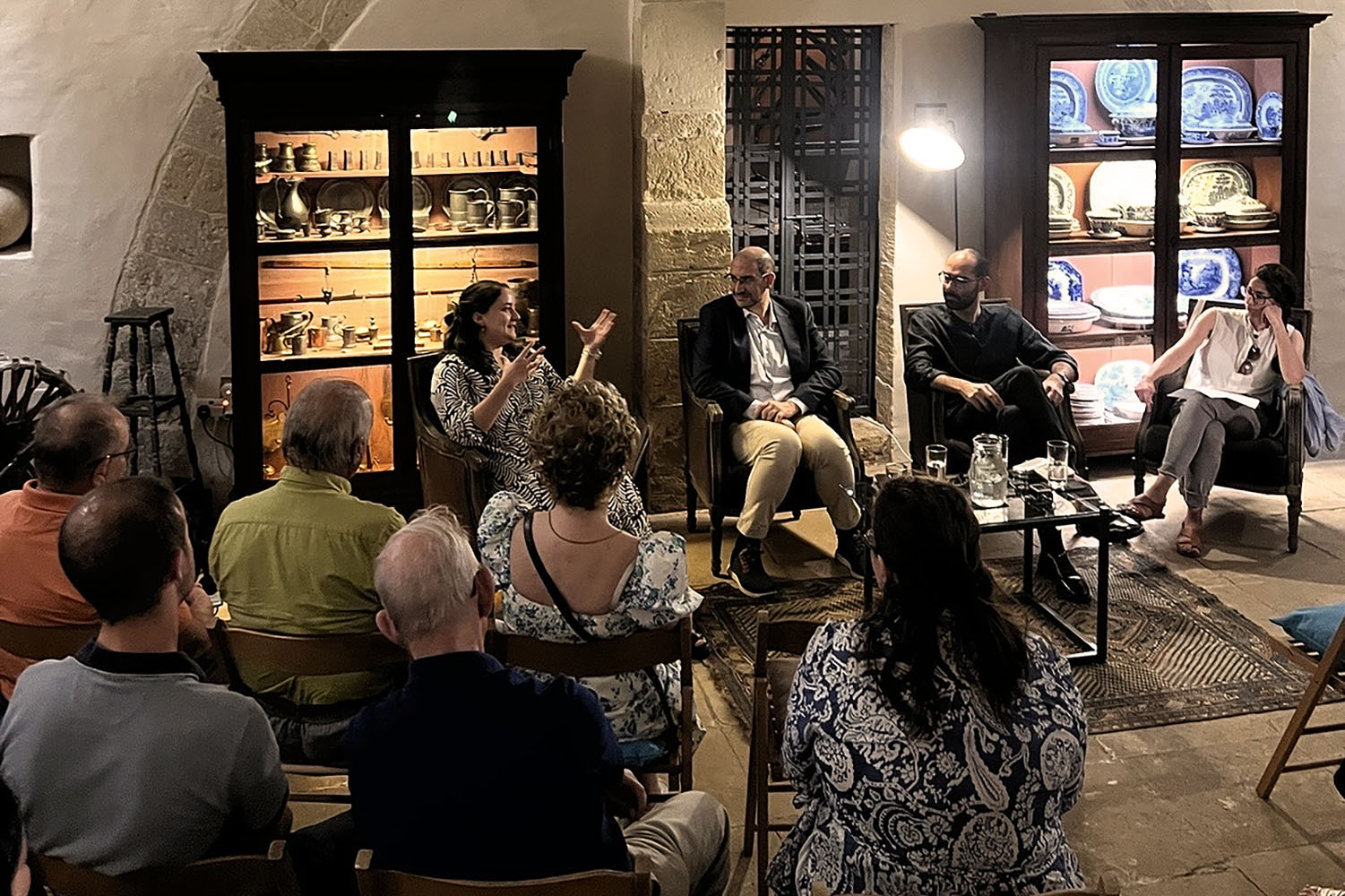
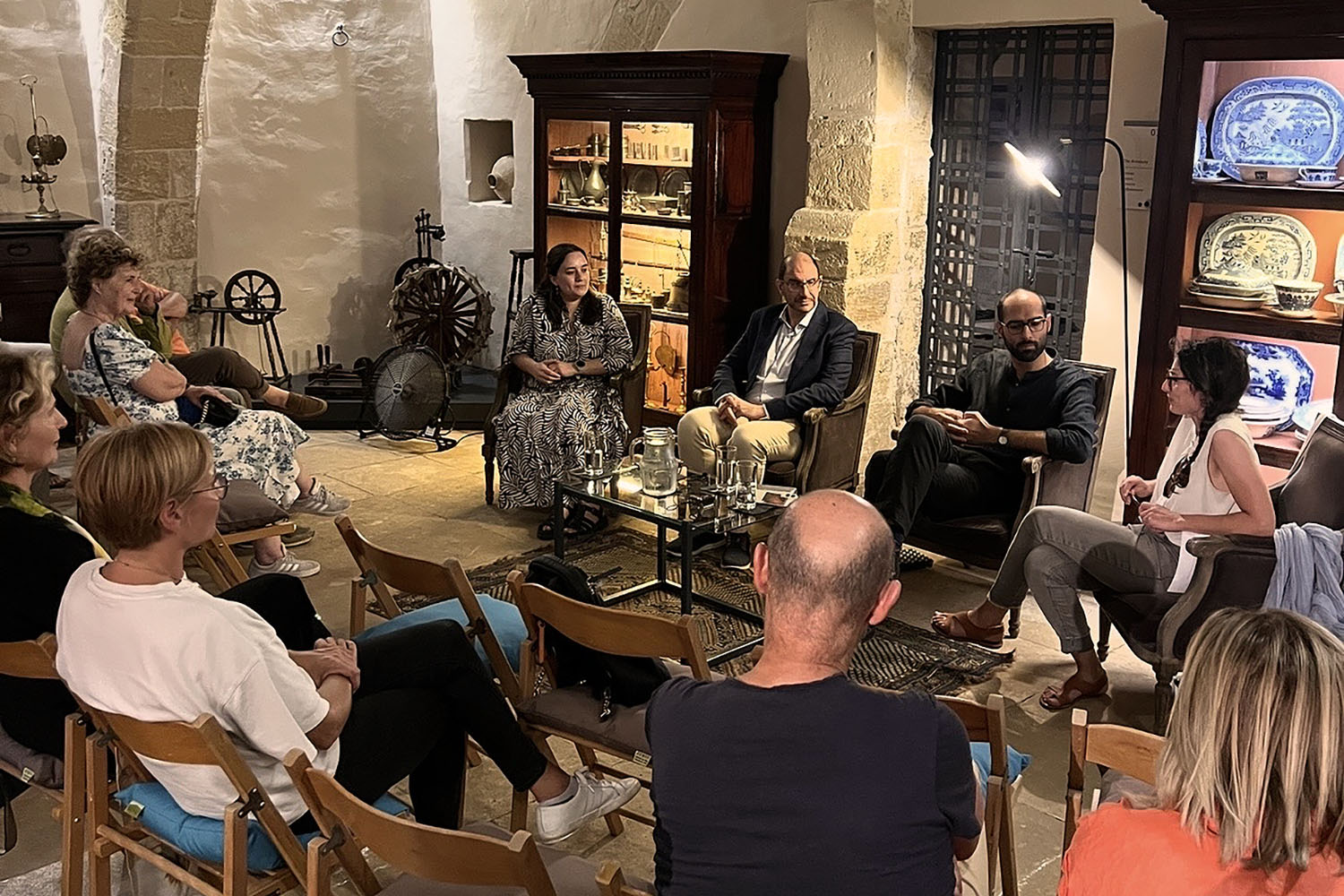
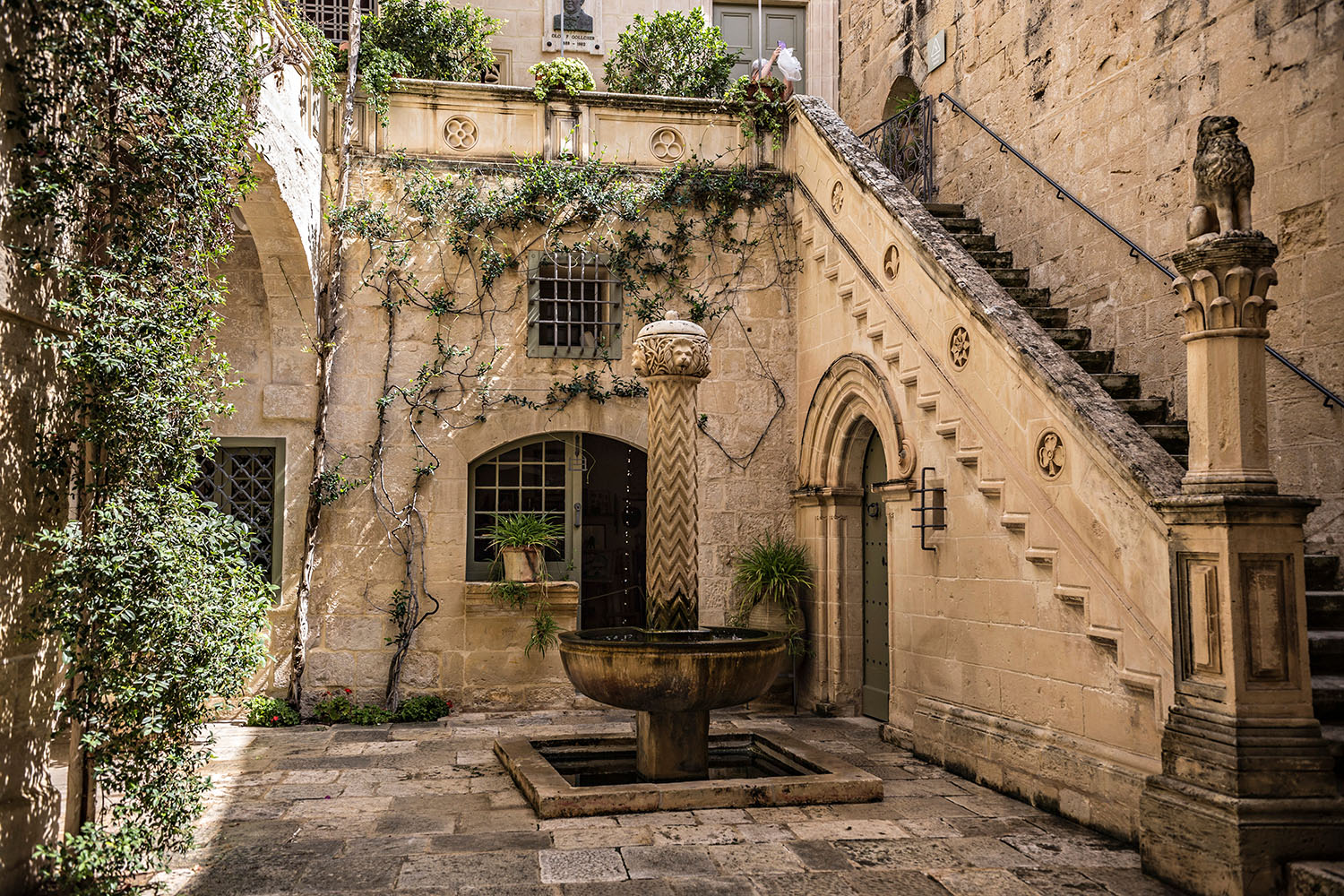
The conversation commenced at dusk, gradually fading as the day passed. Dusk Dialogues, a new initiative by Palazzo Falson in collaboration with Fondazzjoni Patrimonju Malti, arose from a simple yet radical idea: creating a relaxed space for casual conversations inspired by imagination. On 30 September 2025, Palazzo Falson Historic House Museum, in Mdina, hosted a talk, entitled Dusk Dialogues: Conversations on Accessibility, about ensuring that art, theory, and symbolism can be made accessible to both adults and children alike. Led by Abigail Pace and Giulia Privitelli, the event featured Prof. Adrian-Mario Gellel and curator Gabriel Zammit. Though rooted in different disciplines, both education and art grapple with accessibility, showing that true access extends beyond entryways to the ways ideas themselves can open doors.
From the Pushchair to the Wheelchair
Gabriel Zammit, an independent curator with a philosophical background, defines accessibility as something which ‘moves from the pushchair to the wheelchair’, a poetic image of inclusivity, spanning the whole of humanity. Additionally, he emphasises the vital bridge between the artist and the world around them, creating a relationship which seeks to dissolve the distance often separating creation from connection. In doing so, he ensures that art’s meaning flows freely – unbound from academic jargon and open to all who encounter it. Consequently, before an exhibition, one must understand their audience to build context for those who may not be so knowledgeable in a specific field. The artworks, hence, become more accessible.
For Zammit, curating is an act of translation – of finding the language of the exhibition and the rhythm of its space. He reflects on how ‘exhibition design is referred to as an alternative language to communicate such concepts’. Whether through layout, lighting, or narrative structure, each decision forms new routes for understanding and meaning-making – even the organisation of the exhibition helps shape its accessibility. In response to Zammit’s views, how might an educator interpret and approach such a notion of accessibility?
The Teacher Who Doesn’t Teach
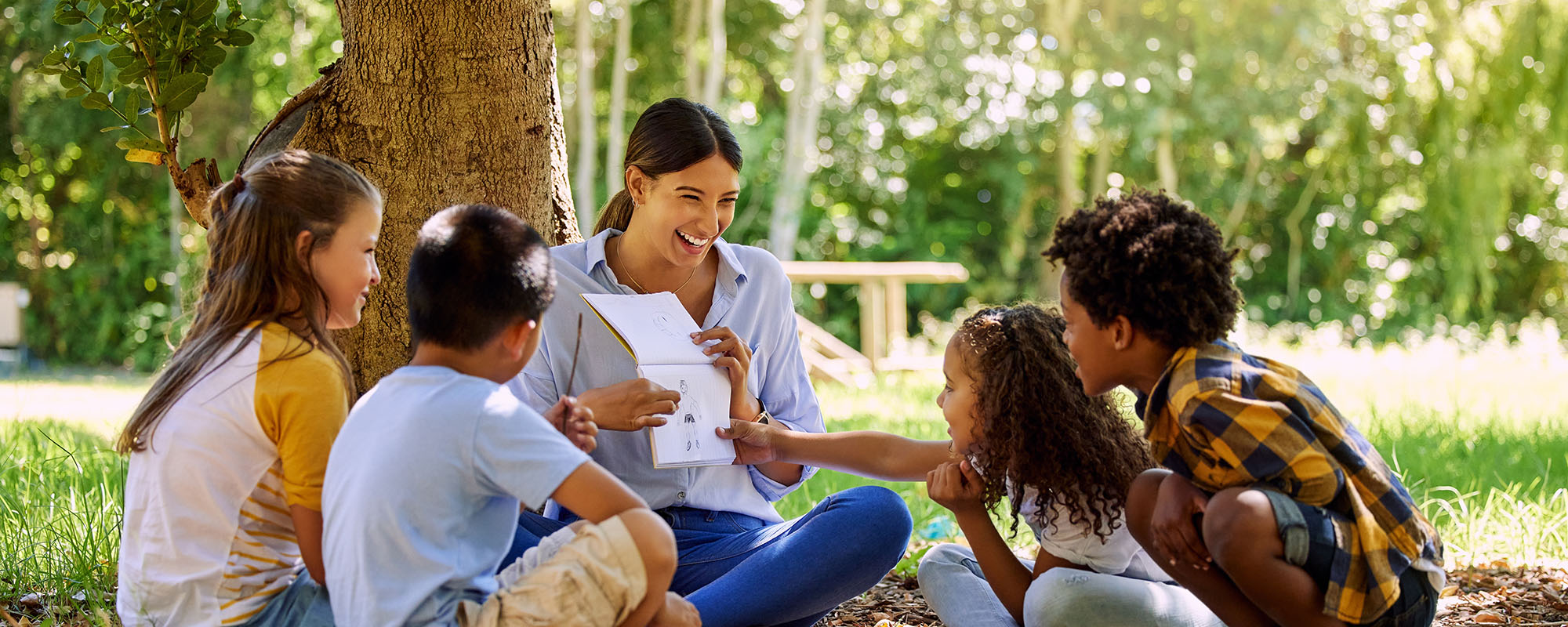
Prof. Gellel, a professor at UM’s Department of Theology, specialises in exploring how children comprehend the world around them. His perspective on accessibility is rooted in education. For him, the role of a teacher extends far beyond transmitting knowledge. Reflecting on his own experience, he asserts, ‘If I transmit knowledge, then I am not a teacher,’ emphasising that true teaching guides children to find meaning through connections with their surroundings.
His current project on symbol literacy investigates how children understand the external world before they even possess the words to describe it. Challenging traditional psychological assumptions that children lack depth, Gellel insists that they are just as capable of meaning-making as adults, though their limited language and absence of prior knowledge shape how they engage with the world. His work reminds us that understanding does not begin with vocabulary, but with connection.
To illustrate this, Gellel recounts a visit to the Ħaġar Qim temples with a group of six-year-olds. One child compared the ancient stones to their own home – a simple yet profound observation. ‘Unless you make sense of the environment through the senses,’ Gellel remarks, ‘you can’t make meaning out of it.’ This moment embodies his philosophy: true understanding arises when perception, experience, and reflection intertwine.
Parallels of Art and Education
The previous views of Gellel and Zammit gradually unfold, striking parallels between their two distinct worlds. Adrian guides a child into weaving their visible world into the tapestry of their inner thoughts, transforming mere observation into profound reflection. In a mirrored way, Zammit helps artists in unearthing what lies within, allowing hidden visions to surface and take shape.
In both practices, the invisible finds form through the visible, whilst understanding is able to emerge from the delicate interplay between perception and inner life.
Storytelling, Memory and Accessibility
Though Gellel and Zammit work in vastly different contexts, they converge on the idea that storytelling acts as a bridge between the visible and the invisible. Zammit emphasises the centrality of metaphor: ‘Absolutely! Metaphor is a core thing of what I do.’ Metaphors and embodied experiences form the backbone of accessibility, allowing people to connect with ideas beyond what they immediately perceive. In his 2022 exhibition Groundwaters, visitors physically descended through the space, moving deeper into the earth and, in a sense, into themselves. Zammit frames the exhibition as both a story and a metaphor, enabling audiences to relate their own memories to the artworks, creating a dialogue between person and art.
Gellel agrees: ‘What’s more important,’ he notes, ‘is that it is an embodied story… extremely important when we work with children.’ He stresses that true understanding arises when learning engages movement, touch, and time. At Palazzo Falson, the conversation turned to accessibility. For Gellel, meaning emerges when the past feels familiar, allowing artefacts to communicate with children; for Zammit, curation can revive old collections to address contemporary concerns. Drawing on Giambattista Vico, Gellel highlights imagination as memory, fantasia, and wit – essential tools for making sense of art and life. Zammit adds that learning and communication can be embodied in exhibition design, recalling how children once engaged physically with sculptures, deepening his curatorial approach.
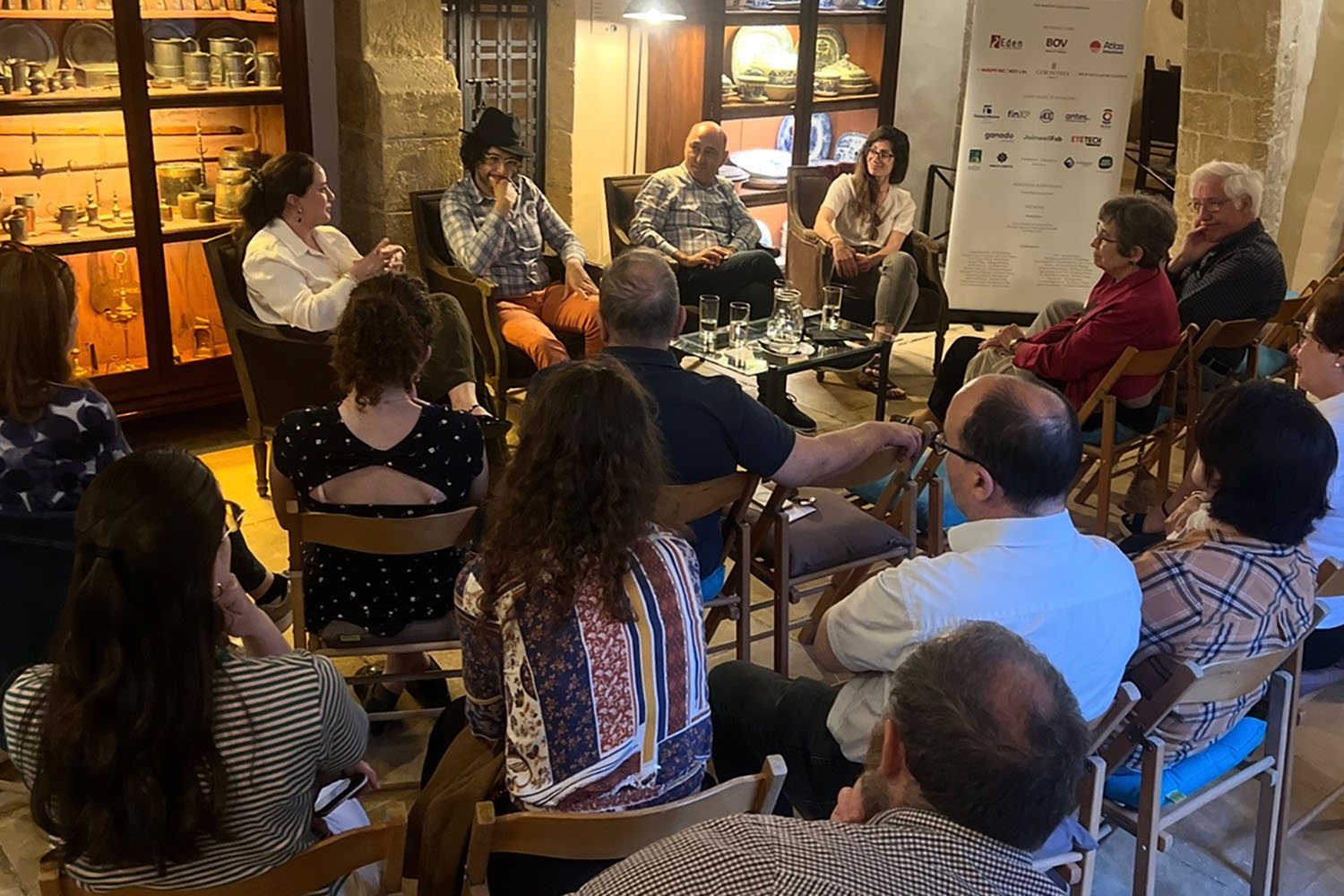
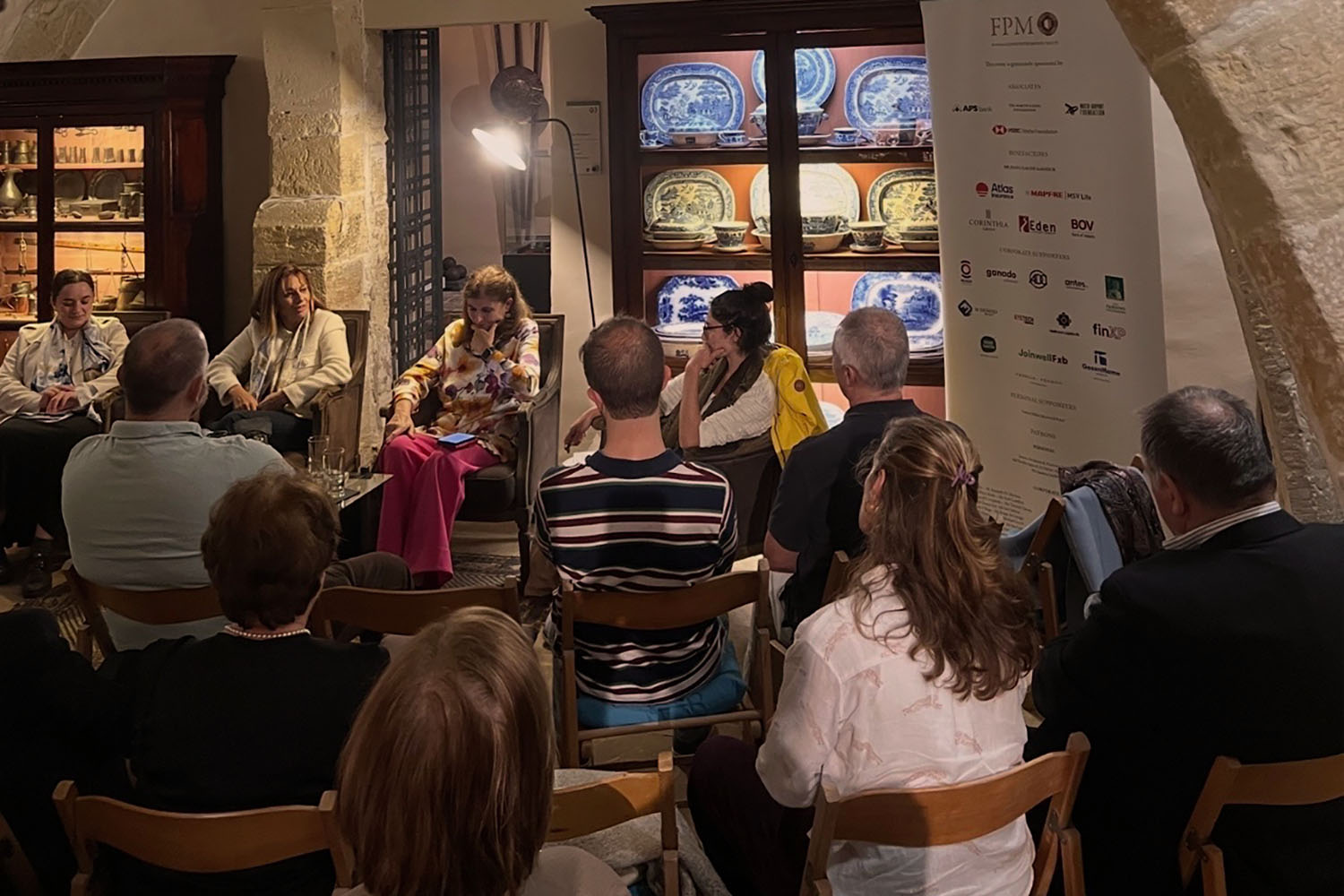
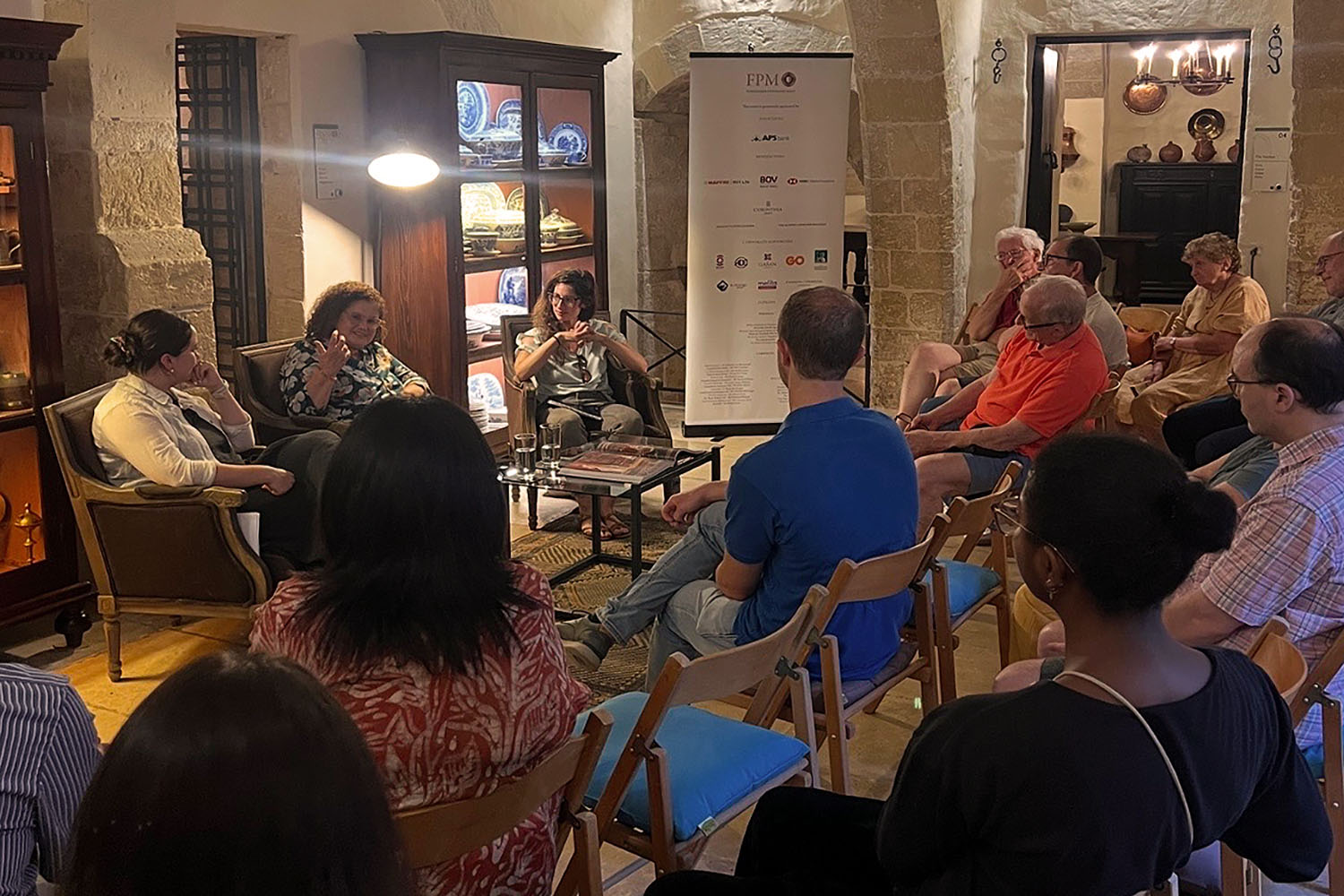
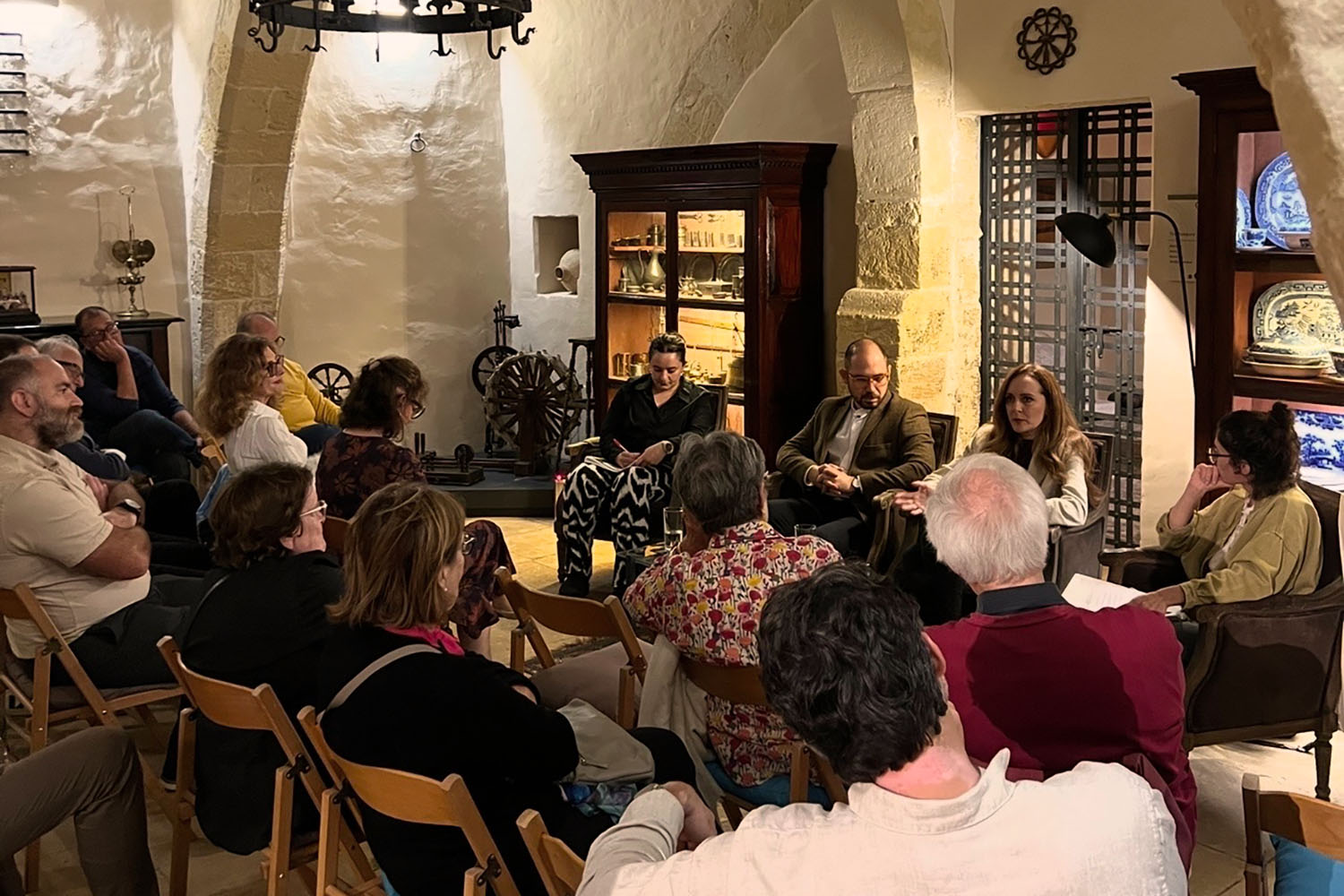
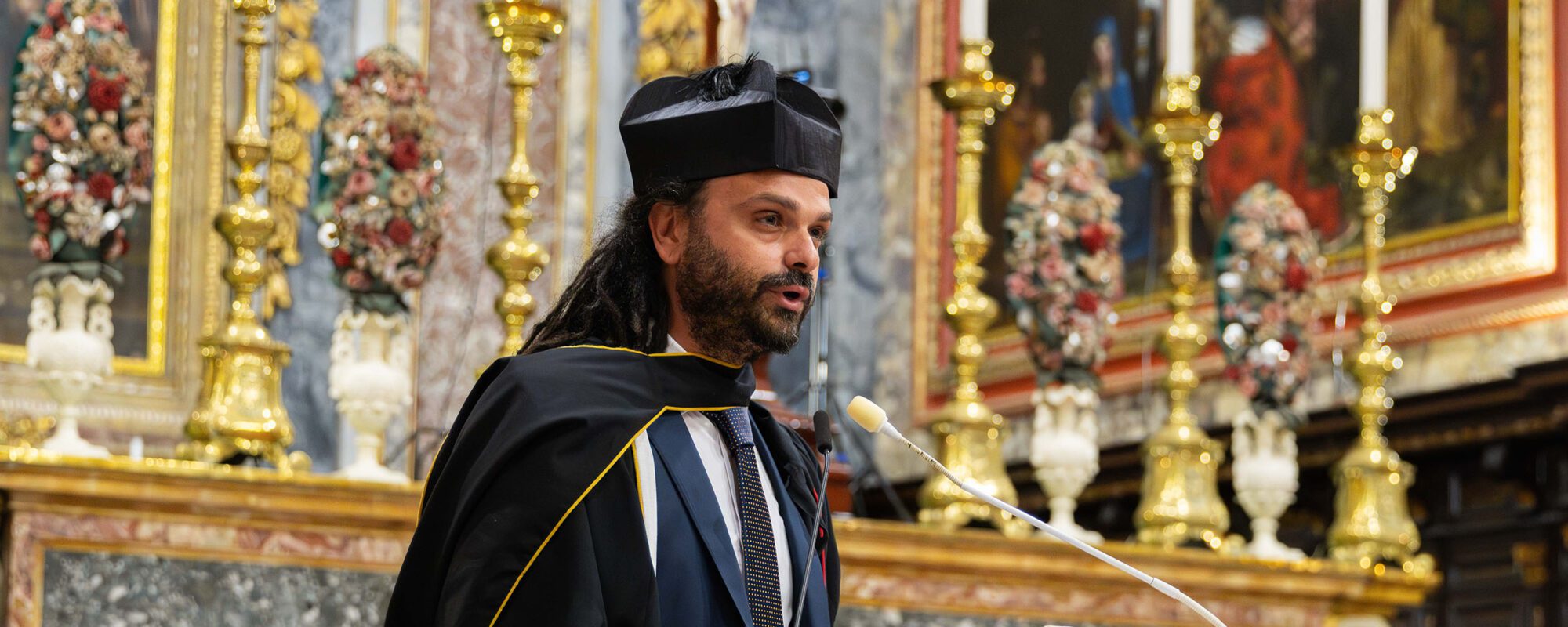
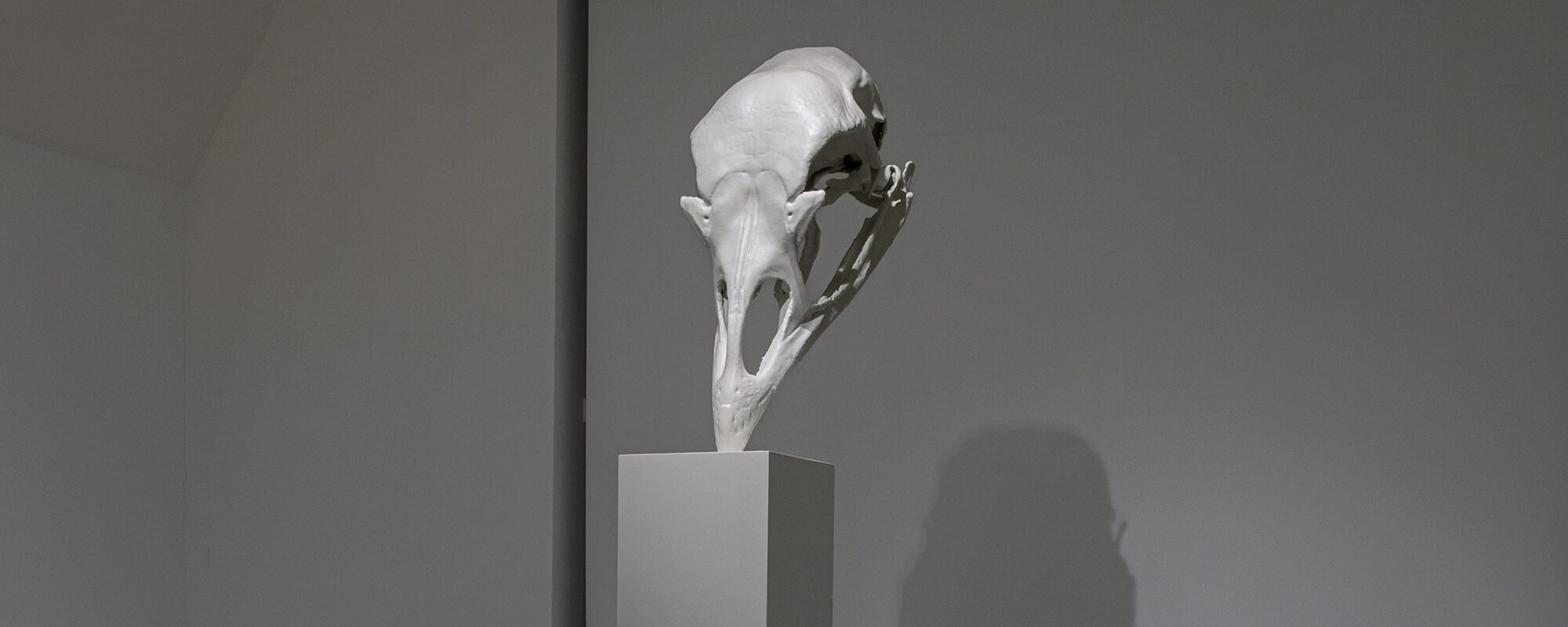
Moments captured from the Dusk Dialogues Series (Photo credit: Palazzo Falson Historic House Museum)
Gaps Within Education and Curation
Both Zammit and Gellel confront the accessibility gaps in their respective fields, though their approaches differ. Zammit reflects on how exhibitions extend beyond the mere display of art to encompass life itself, asking, ‘Why should people care?’ He considers not only his relationships with the artists but also how the works can resonate with their audiences, bridging the gap between artistic intention and lived experience. When analysing a painting, Zammit’s first questions are ethical and functional: what does it do in this world? How does it speak beyond the artist’s intention, whether politically, socially, or personally?
Meanwhile, Gellel approaches accessibility through education, reaching children of varying abilities. He sees culture as a living repository of learning, connecting children to past civilisations and human experience. Simply providing textbooks or a rigid curriculum, he argues, limits understanding. The richer the environment, the deeper the learning. For Gellel, teaching is about creating spaces where knowledge, imagination, and experience converge, making any environment accessible and meaningful, and allowing each child to navigate their own path of discovery.
The emphasis on opening spaces for understanding and meaning-making naturally leads to a discussion of demystification. This analyses how complex ideas can be made approachable and meaningful for everyone.
Of Demystification and Discovery
Zammit posits his ‘notion of demystification’: observing an object and wondering about its story, be it implicit or explicit. Additionally, it is also about creating contexts that allow audiences to engage freely, often through constellations of objects rather than hierarchical narratives. ‘It’s not always about creating a narrative, but about thinking what objects do,’ he notes.
Gellel adds that objects derive meaning both from past and present societies, enabling viewers to construct inherited and transformed stories. Juxtaposing disparate items – what Adrian calls ‘unicities’ – and shifting perspectives, as Privitelli observes, allows audiences to form new ‘connections of objects that when placed in different contexts they tell different stories’.
AI, Social Media, and the Potential Challenges of Accessible Learning
The conversation gradually transitions towards the role of AI and social media. Do such new advancements enhance or hinder meaningful engagement in today’s age?
Gellel stresses that true understanding arises from embodied experience and critical thinking, not simply from acquiring knowledge. While AI may offer some possibilities under teacher supervision, it cannot replace the wisdom gained through direct interaction with artefacts, memory, and personal connection. ‘We need to enrich as much as possible, providing possibilities,’ he argues. Children and audiences alike need to engage deeply with the past, present, and their own capacity to learn.
The Heart of Accessibility
In the end, what united Gellel and Zammit were not their methods, but their missions – the belief that accessibility is about pure connection between person and world. Whether through the language of a child or the layout of an exhibition, accessibility is related to creating moments of recognition – it is about seeing oneself in what is prior to our existence.
As the evening dimmed at Palazzo Falson, one thing became clear: Dusk Dialogues is a living conversation – one that continues long after the lights go out.


Comments are closed for this article!