
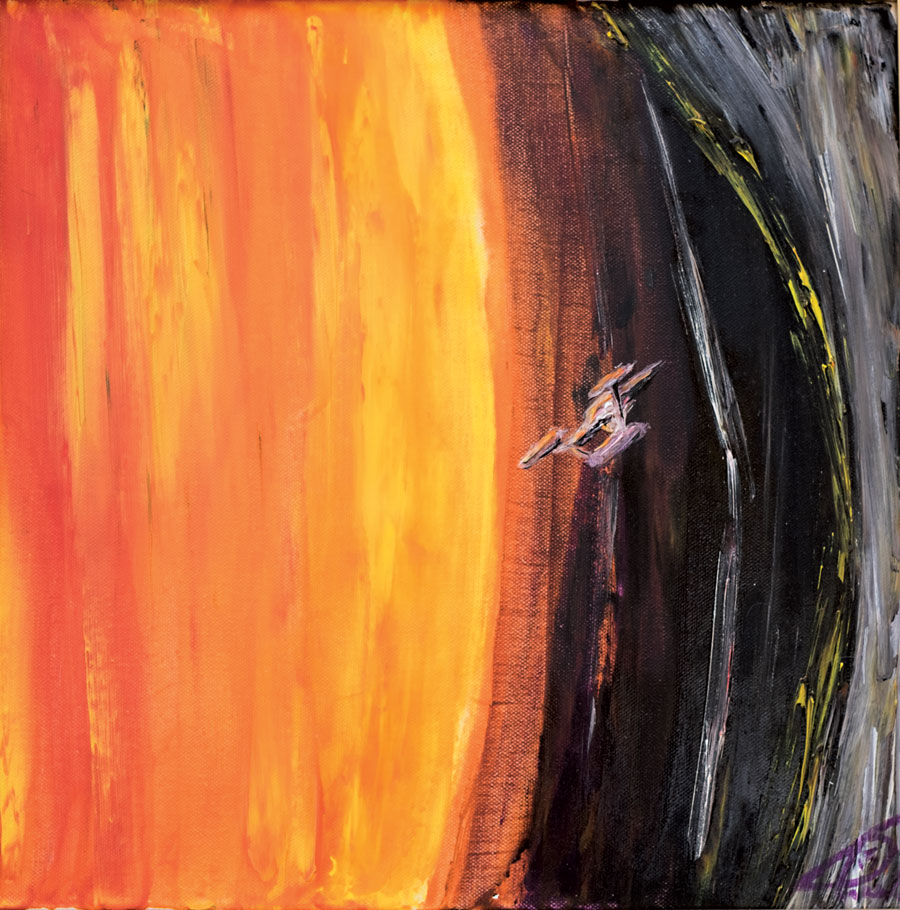
The Star Trek academic symposium will be held at the Faculty of ICT, University of Malta, on 15 and 16 July 2016. This event will be a platform for both academics from various disciplines as well as Star Trek fans to meet and explore the intersection between the humanities and the sciences. There will be inspirational presentations from national and international speakers, with the programme tailored to attract a wide audience. Contributors will be encouraged to explore contemporary issues in medicine, science, and technology as well as philosophical, psychological, and sociological issues connected with the science fiction entertainment franchise Star Trek.
A similar symposium was held in 2014 and which proved to be a worldwide first that successfully drew participation from many international scholars including American philosopher Jason Eberl, UK-based neonatologist and ethicist Neena Modi.
As a result of its success, this second event that marks the 50th anniversary from the launch of Star Trek: The Original Series is being organised. The event will be held under the auspices of the Humanities, Medicine and Sciences Programme (HUMS), a University of Malta programme set up to explore and encourage the interfaces between the humanities, medicine, and sciences. The Science Fiction Symposium will appeal to scientists and fans of science fiction alike..
For more information, visit the website.


Comments are closed for this article!