
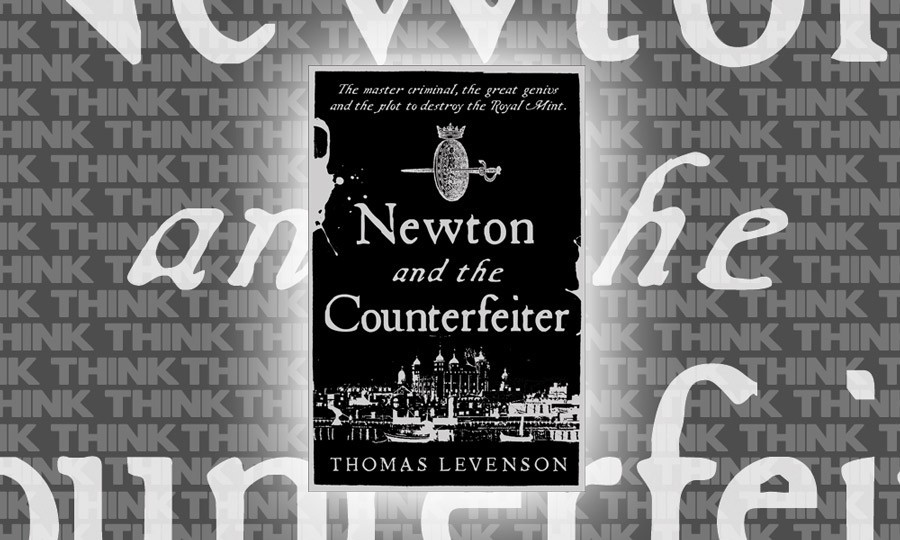
Book review by David Reuben Grech
Detective stories are exhilarating. There’s no argument against it. The recent resurgence in Sherlock Holmes’ popularity peaked with TV programmes like Sherlock and Elementary. However, the problem with these stories, some might say, is that they are quite adept at stretching the truth when it comes to certain practices in forensic science and cybersecurity. If you are one of those people looking for a fictional detective story with solid roots in reality, look no further than Newton and the Counterfeiter: The Unknown Detective Career of the World’s Greatest Scientist by author and documentary-maker Thomas Levenson.
Isaac Newton was a revolutionary in modern physics, a man famous for his theories on gravity and the laws of motion. He then turned 26. And boredom reigned. So what did he do for some mental stimulation? He became the new Warden of the Royal Mint.
Levenson recounts the journey of Newton from his humble beginnings as a rather incompetent sheep herder to the final days of his life, taking time to focus on his stint as Warden of the Royal Mint in London. The author sets the stage, explaining that the British currency is in crisis, held hostage by counterfeiters pumping an unprecedented number of fake coins into circulation. Despite initial hesitance, Newton eventually sets off on a mission to hunt down the people responsible.
The book’s title refers to ‘the Counterfeiter’, Newton’s main antagonist by the name of William Chaloner. Levinson does an excellent job of humanising the antagonist, taking the reader on a journey into his past. We see Chaloner using his brilliance to rise from the ashes of poverty and build his own empire as one of London’s most prominent counterfeiters. Newton and Chaloner’s clash is tantalising, with the two engaged in an intricate game of wit. The struggle between them is exhilarating, with both utilising their influential ranks in society to one-up the other.
This book’s primary selling point is its look into Newton’s story as a detective, a relatively unknown part of the famous scientist’s life. Apart from this, the book has a captivating narrative and it definitely deserves a spot on your reading list.




Comments are closed for this article!